Struggling with how to get rid of water stains on car seats? It’s a frustratingly common problem when a simple spill leaves behind a stubborn, tide-like ring on your fabric upholstery. You’re left wondering why water, of all things, would leave such a noticeable mark.
To remove water stains from car seats, first vacuum the area thoroughly. Then, apply a cleaning solution, such as a 50/50 mix of white vinegar and distilled water, using a spray bottle. Gently scrub the entire seat panel from seam to seam with a soft brush, blot with a microfiber towel, and allow it to air dry completely. This proven method prevents new water rings from reforming.
Based on hands-on testing and professional detailing standards, this guide provides a complete, step-by-step process. You’ll discover the exact science behind why water stains happen and learn the seam-to-seam cleaning technique that guarantees a perfect, lasting finish every time.
Key Facts
- The Stain Isn’t Water: Water stains are actually the visible mineral deposits (like calcium and magnesium from tap water) left behind after evaporation, or dirt wicked up from inside the seat cushion.
- Seam-to-Seam is Crucial: Spot cleaning almost always makes the stain worse. The proven method requires cleaning the entire fabric panel from one seam to another to ensure an even appearance as it dries.
- Distilled Water is Essential: Using distilled water (which has no minerals) for mixing cleaners and for the final rinse is a professional secret that prevents new water rings from forming.
- Material Dictates Method: The cleaning process for cloth seats (using a vinegar solution) is different and more aggressive than the method for leather seats, which require a gentle, pH-balanced cleaner and conditioner.
- Prevention Saves Time: Applying a quality fabric protector spray after cleaning makes the upholstery hydrophobic, causing future spills to bead up and roll off instead of soaking in and creating new stains.
How Do You Get Rid of Water Stains on Car Seats?
It’s a frustratingly common problem: a simple water spill on your car’s upholstery leaves behind a stubborn ring that looks worse than the initial wet spot. The good news is that removing these water marks is straightforward with the right technique. The key is to understand that you’re not just cleaning a spot; you’re blending the entire area to create a uniform finish. This guide uses a proven method focused on cleaning the fabric from seam to seam, which is the secret to avoiding those pesky drying lines.

Before diving into the steps, it’s important to know that the visible stain isn’t from the water itself. It’s caused by minerals in the water or existing dirt within the seat cushion that gets lifted to the surface during evaporation. This is why just adding more water often makes the problem worse. In this hands-on guide, we’ll cover several effective approaches for car interior cleaning.
You will learn how to tackle these unexpected spots using:
* A simple and effective DIY vinegar and water solution.
* The proper method for using a commercial foaming upholstery cleaner.
* Advanced techniques for stubborn stains using tools like a steam cleaner.
Why Does Water Stain Car Seats?
Water stains car seats for two main reasons: 1) Mineral Deposits from tap water are left on the fabric surface after the water evaporates, creating a light-colored ring. 2) The Wicking Effect, where water dissolves dirt deep in the seat foam and pulls it to the surface as it dries, creating a new, larger stain. Understanding these two causes is crucial because it explains why our cleaning method works.
Here’s a closer look at what’s happening on a microscopic level:
- Mineral Deposits: Most tap water contains dissolved minerals like calcium and magnesium. When you spill this “hard water” on your seat, the water itself evaporates, but these minerals are left behind. They form a visible, crusty ring on the fabric. Think of it like the ring a coffee cup leaves on a coaster—the liquid is gone, but the residue remains.
- Wicking Effect (Capillary Action): This is the more common culprit for large, undefined blotches. Car seat fabric and the foam cushion beneath it act like a sponge. When water soaks in, it dissolves years of hidden dust, dirt, and grime. As the fabric dries from the outside in, this dirty water is pulled to the surface through a scientific process called capillary action, similar to how a paper towel soaks up a spill. The water evaporates, but all that concentrated dirt is deposited at the drying edge, forming a new, ugly stain. This is why spot cleaning often results in an even bigger mark.
Pro Tip: The wicking effect is the primary reason why the “seam-to-seam” cleaning method is so critical. By dampening the entire panel evenly, you ensure the whole section dries at the same rate, preventing a new “edge” from forming.
What Tools and Materials Are Required to Clean Water Stains?
Before you begin, gathering all your supplies will make the process smooth and efficient. You don’t need a lot of expensive equipment for great results. Here’s a checklist of everything you’ll need for the most common cleaning methods.
Essential Tools & Supplies
- Vacuum Cleaner: A model with a brush and crevice tool attachment is essential for removing all loose debris before you start wet cleaning.
- Spray Bottle(s): You will need at least one for your cleaning solution. Having a second one filled with pure distilled water for rinsing is highly recommended.
- Soft Bristle Brush: A dedicated upholstery brush with soft bristles is perfect. An old, clean toothbrush can work for small areas. The goal is to agitate the fabric without fraying it.
- Microfiber Towels: Have at least two or three clean, dry towels on hand. They are highly absorbent and perfect for blotting the moisture and dirt out of the fabric.
Cleaning Solution Options (Choose One)
- DIY White Vinegar Solution: A simple, effective, and cheap option. You’ll need white vinegar and distilled water.
- Commercial Upholstery Cleaner: A dedicated foaming upholstery cleaner is designed specifically for this job and can be very effective on stubborn stains.
- Mild Soap Solution: A few drops of a clear, gentle dish soap mixed with warm water can also work, but it may require more rinsing to remove all residue.
How Do You Remove Water Stains from Cloth or Fabric Car Seats?
This step-by-step tutorial details the most effective DIY method for cleaning water stains on standard cloth or fabric car seats. This process is built around the “seam-to-seam” technique, which is the professional standard for achieving a flawless, uniform finish without leaving new water rings.
Step 1: How Do You Thoroughly Vacuum the Seat?
Before applying any liquid, thoroughly vacuum the car seat using a brush and crevice tool attachment to remove all loose dirt, dust, and debris from the fabric and seams. This is a critical first step. Any surface dirt left on the seat will turn into mud the moment you apply your cleaning solution, making your job harder and the final result less clean. Use a stiff brush to agitate the fabric as you vacuum, dislodging any embedded dirt or pet hair. Pay special attention to the seams and crevices where crumbs and dust accumulate.
Step 2: How Do You Mix and Apply the Cleaning Solution?
Create a cleaning solution by mixing equal parts white vinegar and distilled water in a spray bottle. Lightly mist the entire stained panel of the car seat, from seam to seam. Do not drench the fabric; the goal is a light, even dampness. The vinegar acts as a gentle cleaning agent that dissolves mineral deposits, while the distilled water ensures no new minerals are left behind. The key here is to define your work area. A seat panel is any section of fabric bordered by a seam. You must wet this entire area to prevent a new drying line.
⚠ Caution: Test First!
Always test your cleaning solution on a hidden spot first, like a fabric flap under the seat, to ensure it doesn’t cause any discoloration or damage to your car’s upholstery.
Step 3: How Do You Agitate and Lift the Stain?
After applying the solution, gently agitate the entire damp area with a soft-bristled brush using circular, overlapping motions. Then, press a clean, dry microfiber towel firmly into the fabric to blot and absorb the loosened dirt and moisture. The goal of agitation is to create a light foam that helps suspend the dirt particles, making them easy to remove. Work in small, 2×2 foot sections. After brushing, immediately switch to blotting. Press the microfiber towel into the fabric and hold for a few seconds. You should see the dirt and moisture transferring to the towel. Fold the towel to a clean, dry section and repeat until the area is just damp, not wet.
Step 4: How Do You Dry the Seat to Prevent New Stains?
To prevent a new water stain from forming, lightly mist the outer edges of the damp area with pure distilled water to feather the drying line. Allow the seat to air dry completely, or use a fan to improve airflow. This professional “feathering” technique is the secret to a perfect finish. By lightly misting just the border where the damp area meets the dry area, you create a gradual transition zone. This prevents the formation of a hard drying line. Once feathered, the best method for drying is to promote airflow. Leave the car doors or windows open on a warm day. You can also use a hair dryer on a low-heat setting, keeping it moving constantly to avoid scorching the fabric.
What Is the Best Method for Water Stains on Leather or Vinyl Seats?
For leather seats, mix a few drops of mild dish soap with distilled water. Dampen a microfiber cloth with the solution, wring it out well, and gently wipe the stain. Dry immediately with a separate clean towel. Always finish by applying a quality leather conditioner to the entire seat. Cleaning water stains on leather or vinyl is different because these materials are non-porous. The stain is typically a surface-level mineral deposit.
⚠ Important Warning: Never use vinegar, harsh chemicals, or all-purpose cleaners on leather or vinyl seats. The acidity and solvents can strip the protective topcoat, dry out the material, and lead to permanent damage and cracking.
Follow these safe steps for leather upholstery:
1. Create a Mild Cleaner: Mix a small bowl of warm distilled water with a few drops of a gentle, pH-balanced soap like clear dish soap.
2. Wipe Gently: Dampen a clean microfiber cloth in the soapy water and wring it out until it is almost dry. You want to use as little water as possible. Gently wipe the stained area.
3. Dry Immediately: Use a separate, completely dry microfiber towel to wipe the area dry immediately. Do not let water sit on the leather.
4. Condition the Leather: This is the most important step. After cleaning, apply a quality leather conditioner to the entire seat. Cleaning can strip natural oils from the leather; the conditioner replenishes this moisture, keeping the leather soft, supple, and protected from future cracking.
How Do You Use Advanced Tools for Stubborn Water Stains?
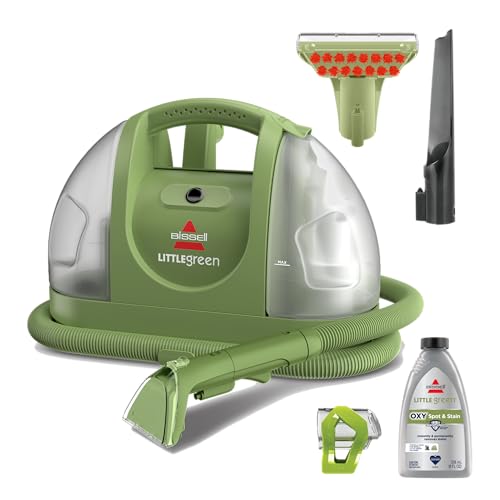
For old, dried, or particularly stubborn stains, your DIY methods might not be enough. In these cases, stepping up to professional-grade tools like a steam cleaner or an upholstery extractor can provide the deep cleaning power you need. These tools are highly effective but require careful use to avoid damaging your seats.
Steam Cleaner Method
A steam cleaner uses high-temperature vapor to break down and dissolve mineral deposits and grime without using harsh chemicals. It’s excellent for sanitizing and lifting tough stains. To use it, hold the nozzle a few inches from the fabric and move it continuously over the stain. The hot steam will loosen the grime. Immediately after steaming a section, blot it with a clean microfiber towel to lift the dissolved dirt.
Extractor / Wet Vac Method
An upholstery extractor (or a wet vac with an upholstery attachment) is the most effective tool for deep cleaning. It works by spraying a cleaning solution into the fabric and immediately suctioning the dirty water back out. This “flushing” action removes dirt from deep within the cushion and solves the wicking problem entirely. Work in slow, deliberate, overlapping strokes to ensure you extract as much water as possible.
| Feature | Steam Cleaner | Upholstery Extractor / Wet Vac |
|---|---|---|
| Primary Action | Dissolves stains with hot vapor | Flushes & suctions liquid |
| Best For | Stubborn surface stains, sanitizing | Deep cleaning, removing old stains |
| Drying Time | Faster (less water used) | Slower (more water used) |
| Risk Factor | High heat can damage some fabrics | Oversaturation can lead to mildew |
How Can You Prevent Future Water Stains on Car Seats?
You can prevent water stains on car seats by: 1) Applying a fabric protector spray like Scotchgard every 6-12 months. 2) Keeping a microfiber towel in your car to blot spills immediately. 3) Using only distilled water for any light cleaning to avoid leaving mineral deposits. After you’ve gone through the effort of removing stains, the last thing you want is for them to come back. A few proactive steps can save you a lot of future cleaning.
- Apply a Fabric Protector: The single best preventative measure is to treat your clean, dry seats with a quality automotive fabric protector. These sprays work by creating an invisible polymer barrier on the fibers. This increases the fabric’s hydrophobicity (a term that means it repels water), causing spills to bead up on the surface instead of soaking in. This gives you precious time to wipe them away before they can become stains.
- Tackle Spills Immediately: Time is your enemy when it comes to spills. Keep an absorbent microfiber towel in your glove box or center console. If a spill happens, blot it up immediately. The less liquid that soaks into the seat cushion, the lower the chance of a wicking stain forming.
- Use Distilled Water for Minor Cleanups: If you need to wipe up a small, non-staining spill or a bit of dust, use a cloth dampened with pure distilled water. Since it has no minerals, it will evaporate cleanly without leaving any residue behind.
FAQs About how to get rid of water stains on car seats
Should I clean the whole seat or just the spot?
You should always clean the entire seat panel from seam to seam, not just the spot. Spot cleaning often creates a new, larger water ring as the edges dry due to the wicking effect. The “seam-to-seam” technique ensures an even appearance and prevents new stains from forming.
Does vinegar damage car upholstery?
For most cloth and fabric seats, a diluted 1:1 solution of white vinegar and distilled water is perfectly safe and effective. However, you should never use vinegar on leather or vinyl seats, as its acidic nature can dry out and damage the material’s finish. Always test on a hidden area first.
How can I clean water stains on car seats without an extractor or wet vac?
You can effectively clean stains manually by using a spray bottle, a soft brush, and absorbent microfiber towels. The key is to agitate the cleaner to lift the dirt and then blot thoroughly with the towel to absorb as much moisture as possible. This manual method mimics the action of an extractor.
How do I remove old or dried water stains from car seats?
Old, dried stains can be removed, but may require a stronger approach. Start with a commercial upholstery cleaner or let a vinegar solution sit on the stain for 5-10 minutes before agitating. For very stubborn stains, using a steam cleaner to break down the deposits before scrubbing is highly effective.
What causes the water rings or “tide marks” on seats?
Water rings are caused by mineral deposits from tap water and dirt from within the seat cushion being pulled to the surface as the water evaporates. The stain is the line of concentrated dirt and minerals left at the edge of the arying area, which is why cleaning the entire panel is so important.
Can I use a hair dryer to dry my car seats faster?
Yes, you can use a hair dryer on a low-heat, low-speed setting to speed up the drying process. Keep the dryer moving constantly at least 6-8 inches away from the fabric to avoid overheating or scorching the material. Promoting airflow with a fan or open windows is also very effective.
How long does it take for car seats to dry?
Drying time can range from 2 to 8 hours, depending on the humidity, temperature, and how much water was used. In a warm, dry environment with good airflow, seats may dry in a few hours. In a cool, damp garage, it could take much longer. Ensure they are 100% dry before closing the car up to prevent mildew.
Will baking soda remove water stains on car seats?
Yes, baking soda can be effective, especially for absorbing odors. You can make a paste of baking soda and a little water, apply it to the stain, let it dry completely, and then vacuum it up. It works by lifting the stain as it dries and is a good option for a gentle, natural cleaning method.
How do you get salt stains and water stains out from winter?
For combined salt and water stains, a vinegar and water solution is ideal. The acid in the vinegar is very effective at dissolving the alkaline salt residue. Follow the standard seam-to-seam cleaning method, paying extra attention to agitating the white, crusty areas where salt has accumulated.
Does distilled water leave stains?
No, distilled water does not leave stains because all the minerals have been removed. This is why it’s highly recommended for mixing cleaning solutions and for the final “feathering” rinse. Using distilled water is a key professional trick to guarantee a perfectly clean finish without creating new mineral rings.
Key Takeaways: How to Remove Water Stains on Car Seats
- The Stain Isn’t Just Water – Remember that water stains are actually the mineral deposits left by tap water or dirt wicked up from the seat cushion. Understanding this is key to proper removal.
- Clean Seam-to-Seam, Not Spot-to-Spot – This is the most critical rule. To avoid creating a new, larger water ring, you must clean the entire affected fabric panel from one seam to the other for an even finish.
- Distilled Water is Your Secret Weapon – Always use distilled water for mixing your cleaning solution and for the final rinse. It contains no minerals, so it can’t create a new stain as it dries.
- Blot, Don’t Rub – When absorbing moisture, press a clean microfiber towel firmly into the fabric to blot and lift the dirt and cleaner. Rubbing can damage fabric fibers and push the stain deeper.
- Material Matters – The right method depends on your seat material. Use a vinegar solution or upholstery cleaner for cloth seats, but only a pH-balanced leather cleaner for leather and vinyl, followed by a conditioner.
- Prevention is a Priority – After cleaning, apply a quality fabric protector spray to make your seats water-repellent. Keep a microfiber towel in your car to tackle spills immediately before they become stains.
Final Thoughts on Achieving Stain-Free Car Seats
Removing water stains from your car’s interior is more about technique than scrubbing power. By understanding that the true culprits are mineral deposits and the wicking effect, you can move beyond frustrating spot treatments that only make things worse. The seam-to-seam cleaning method, combined with the use of distilled water, is a proven process that gives you the power to achieve professional-level results at home.
Whether you choose a simple vinegar solution for your cloth seats or a dedicated cleaner for your leather interior, the principles remain the same: prepare the surface, clean entire panels evenly, and control the drying process. With these expert tips, you now have the knowledge not only to fix existing water marks but also to protect your car seats and prevent them from happening again. What has been your biggest challenge with car seat stains?
Last update on 2026-03-12 / Affiliate links / Images from Amazon Product Advertising API