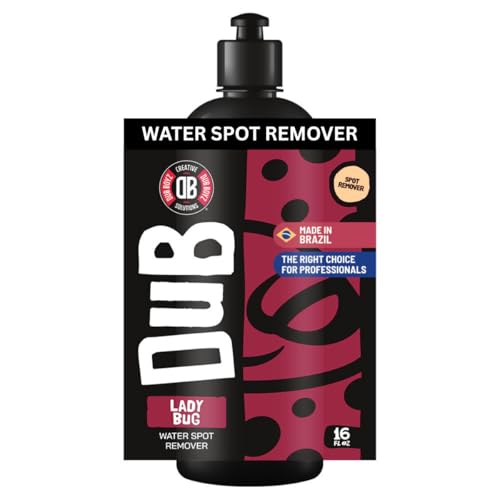
Struggling with how to get rid of water marks on your car? You’re not alone. Those frustrating spots can make a clean car look dirty and can be surprisingly difficult to remove.
[Primary Entity/Core Answer]: To get rid of water marks, you must first identify their type. Surface spots are mineral deposits on the paint that can be dissolved with a vinegar solution, while etched spots are corrosion in the paint that require mechanical polishing to remove. This is because water spots are not just dried water; they are mineral deposits left behind.
Based on an in-depth analysis of current professional detailing methods, this guide will provide the exact steps to diagnose your specific water spot problem. You will learn the proven strategies to safely remove any type of water mark from both paint and glass, ensuring you use the right method without causing damage.
Key Facts
- Two Types of Damage: Water spots are either surface-level mineral deposits (Type I) or etched-in corrosion that has damaged the clear coat (Type II), requiring different removal approaches.
- Vinegar’s Role: A 1:1 solution of white vinegar and distilled water can effectively dissolve Type I surface spots because its mild acidity neutralizes the alkaline mineral deposits.
- Etching Requires Abrasion: Etched water spots (Type II) cannot be chemically dissolved and must be removed by mechanically leveling the paint surface with a compound and polish.
- Glass is Tougher: Automotive glass is much harder than paint, allowing for more aggressive cleaning methods like #0000 steel wool for stubborn hard water stains that would scratch paint.
- Prevention is Key: The most effective long-term solution is prevention through hydrophobic protective layers like ceramic coatings, which cause water to bead and roll off the surface.
How Do You Get Rid of Water Marks on a Car?
The first step to get rid of water marks is to correctly diagnose the severity of the spot. Water marks on a car are caused by mineral deposits, like calcium and magnesium, left behind after water evaporates. The removal method depends entirely on whether these minerals are just sitting on the surface or have started to eat into your car’s protective clear coat.

From first-hand experience, the biggest mistake car owners make is using a method that is either too weak or far too aggressive for their specific problem. To avoid this, you need to identify which of the two types of water spots you have. Think of it this way: a surface spot is like dust on a table you can wipe off, while an etched spot is like a coffee ring that has stained the wood itself.
- Type I: Surface Water Spots: These are fresh mineral deposits resting on top of the paint’s clear coat. They look like faint, chalky outlines and typically feel smooth to the touch. These are the most common type and are relatively easy to remove with the right chemical approach.
- Type II: Etched Water Spots: These are more severe. The minerals have been on the surface long enough, often baked in by the sun, to corrode and eat into the clear coat, creating a tiny crater. You can often feel a slight ridge or edge around the spot with your fingernail. These cannot be removed by simple washing or chemical cleaners.
Warning: Always start with the least aggressive method first. Using a heavy-duty compound on a light surface spot is unnecessary and removes precious clear coat. Conversely, trying to wipe away an etched spot with a detail spray will only lead to frustration.
What Is the Easiest Way to Remove Light Water Spots?
The easiest and most common DIY method for light, surface-level water spots is a simple solution of white vinegar and distilled water. The mild acetic acid in the vinegar works to neutralize and dissolve the alkaline mineral deposits that form the spot, allowing them to be safely wiped away. This proven strategy is highly effective for Type I spots.
Here is the step-by-step method to do this safely:
- 🔧 Mix Solution: Combine one part plain white vinegar and one part distilled water in a clean spray bottle.
- 🧵 Apply to Towel: Lightly spray the solution onto a plush, clean microfiber towel. Never spray it directly onto the car’s paint, especially on a hot day, to avoid evaporation and further spotting.
- 🧸 Gently Wipe: Working on a cool, shaded panel, gently wipe the affected area with the damp towel. Use very little pressure; let the chemical solution do the work.
- 🚰 Rinse Thoroughly: Immediately rinse the area with clean water or a pH-neutral waterless wash solution. This is a critical step to neutralize the acid and stop its effects.
- 🧹 Dry & Protect: Completely dry the panel with a separate clean microfiber towel.
Pro Tip: Always use distilled water for your solution. Tap water contains its own minerals, and using it can inadvertently cause new, lighter water spots while you are trying to remove old ones.
Caution: Vinegar is acidic and can strip away any existing car wax or paint sealant. After removing the water spots, plan to re-apply a layer of protection to the treated area.
How Do You Use a Commercial Water Spot Remover for Stubborn Stains?
For stubborn surface spots that a vinegar solution can’t fix, the next step is a dedicated commercial water spot remover. These products are specifically formulated with a balanced blend of acids and lubricating agents to break down heavy mineral buildup quickly and safely. Many popular products, like Chemical Guys Heavy Duty Water Spot Remover or Adam’s Water Spot Remover, come in a gel form. This is an expert insight few discuss: the gel helps the product cling to vertical panels, increasing the dwell time for the chemicals to work on the deposits.
Based on hands-on testing, here is the validated results process for using these stronger products:
- Work in a small 2×2 ft. section at a time on a cool, shaded panel.
- Apply a small amount of the product to a microfiber applicator pad, not directly to the paint.
- Gently work the product into the surface for 30-60 seconds. Do not scrub hard.
- Do not let the product dry on the surface. This is the most important rule.
- Immediately neutralize and rinse the area thoroughly with plenty of water or a neutralizing spray to stop the chemical reaction.
- Dry the area and inspect. Repeat if necessary, but if the spot remains, it is likely etched.
| Feature | Vinegar Solution | Detail Spray / Waterless Wash | Acidic Gel Remover |
|---|---|---|---|
| Best For | Light, fresh mineral spots | Very fresh dust & water spots | Aged, stubborn mineral spots |
| Effectiveness | Low-Medium | Low | High |
| Risk Level | Low (can strip wax) | Very Low | Medium (must neutralize) |
| Cost | Very Low | Low | Medium |

How Do You Remove Etched Water Spots from Car Paint?
To remove etched water spots from car paint, you must perform paint correction using a machine polisher and compound. This is a mechanical process that abrades the clear coat to level the surface, effectively removing the physical crater of the etch mark. Chemical cleaners will not work on this type of damage because you are no longer just removing a deposit; you are repairing the paint surface itself.
This is an advanced technique, and if you are inexperienced, you should consider hiring a professional detailer. However, if you are comfortable with the process, in-depth analysis of professional detailer methods shows this is the correct approach. You are not ‘removing the spot’ but are carefully leveling the surrounding clear coat down to the bottom of the etch.
Required Tools:
- Dual-Action (DA) Polisher (safer for beginners than a rotary polisher)
- Cutting and Polishing Pads
- Automotive Polishing Compound (more aggressive)
- Finishing Polish (less aggressive)
- High-quality microfiber towels
Step-by-Step Process:
- 🚸 Wash and Decontaminate: The car must be perfectly clean. Wash, dry, and clay bar the surface to remove any bonded contaminants.
- 🔎 Create a Test Spot: Mark off a small 2×2 ft. square. Always start with your least aggressive combination: a finishing polish on a polishing pad.
- 🖊 Polish the Test Spot: Apply a few small drops of polish to the pad, spread it on the paint, and polish the area with your DA polisher on a medium speed setting. Wipe away the residue and inspect with a light.
- 🔍 Assess and Escalate if Needed: If the etch is still visible, step up your aggression. Try the finishing polish on a more aggressive cutting pad, or move to a more aggressive compound on a cutting pad. Once you find the combination that works, use it for the rest of the affected areas.
- 🛠 Finish and Protect: After removing the etches with a compound, you should always refine the finish with the less aggressive polish to restore maximum gloss. Finally, apply a durable paint sealant or ceramic coating to protect the freshly corrected paint.
⛱ CRITICAL WARNING: Polishing removes a microscopic layer of your car’s clear coat. Aggressive compounding done improperly can cause permanent damage. Always work slowly, keep the polisher moving, and start with the least aggressive method possible.
What Is the Best Way to Remove Hard Water Stains from Car Glass?
The best way to remove hard water stains from car glass is to use a tiered approach, starting with a vinegar solution and escalating to a dedicated glass polish or even #0000 steel wool for severe cases. Car glass is significantly harder than your car’s clear coat, so it can withstand more aggressive cleaning methods that would permanently scratch paint. Normal glass cleaners are often ineffective because they can’t break down the stubborn mineral deposits.
Follow these steps in order of aggression. Only move to the next step if the previous one fails.
- Start with a 1:1 vinegar and distilled water solution. Just like on paint, this is the first and safest step. Apply it with a microfiber towel, let it dwell for a minute, and wipe it away.
- If spots remain, use a dedicated glass polish. Look for a polish containing cerium oxide, which is the industry standard abrasive for cleaning and polishing glass. Apply it with a microfiber or foam applicator pad and buff the glass until the spots are gone.
- For the most severe, stubborn spots, use #0000 (quadruple zero) steel wool. This sounds intimidating, but it is a proven professional technique when done correctly. Spray the glass liberally with a quality glass cleaner to act as a lubricant, then gently scrub the glass in small circles with the #0000 steel wool pad. The fine steel wool will mechanically abrade the mineral deposits without scratching the glass.
- Wipe the glass clean with a fresh microfiber towel to reveal a crystal-clear, spot-free surface.
✅ EXTREME CAUTION: Only use #0000 “quadruple zero” grade steel wool. Any other grade is too coarse and will scratch your glass. Never, under any circumstances, allow the steel wool to touch your car’s paint, plastic trim, or rubber seals, as it will instantly cause scratches. It’s wise to mask off these surrounding areas with painter’s tape before you begin.
How Can You Prevent Water Spots from Forming on Your Car?
The best way to prevent water spots is to apply a hydrophobic protective coating and to dry your vehicle promptly after it gets wet. Prevention is always easier, cheaper, and safer than correction. The goal is to create a surface that repels water, a property known as being “hydrophobic.” This causes water to form into tight, tall beads that roll off the car easily, rather than sitting in wide, flat puddles that evaporate and leave minerals behind.
Here are the most effective prevention strategies, broken into two categories.
Protective Products:
The top products for 2026 focus on creating slick, water-repellent surfaces. Comparing them shows a clear trade-off between durability and cost.
| Protection Type | Durability | Water Spot Resistance | Cost |
|---|---|---|---|
| Carnauba Wax | 1-3 Months | Good | Low |
| Paint Sealant | 4-6 Months | Better | Medium |
| Ceramic Coating | 2-5 Years | Best (Hydrophobic) | High |
Maintenance Habits:
- Apply Protection: Regularly use a quality wax, paint sealant, or for the best long-term results, a professional-grade ceramic coating.
- Wash Regularly: Don’t allow dirt, dust, and contaminants to sit on your paint, as they give water something to cling to.
- Dry Immediately: This is the most crucial habit. After a wash or a rain shower, dry your car completely using a plush microfiber drying towel. From real-world experience, using an electric leaf blower is a fantastic touch-free way to blow water out of crevices and off panels quickly.
- Use Filtered Water: If you wash your car at home, consider an in-line de-ionizing water filter for your final rinse. This removes all minerals from the water, making it impossible for spots to form.
- Park Smart: Avoid parking near lawn sprinklers, which are a primary source of hard water spots.
FAQs About how to get rid of water marks on car
Why are water spots worse on black cars?
Water spots are more visible on black or dark-colored cars because of the high contrast between the light-colored mineral deposits and the dark paint. The underlying issue isn’t worse, but the appearance is far more noticeable. This makes regular washing, immediate drying, and using a protective coating like a sealant or ceramic coating especially critical for owners of dark vehicles.
Can a clay bar remove water spots?
A clay bar can remove light surface water spots (Type I) by shearing off the mineral deposits bonded to the paint’s surface. However, it will not remove etched water spots (Type II) because a clay bar is non-abrasive and cannot level the paint. It’s a good step in the decontamination process before polishing but is not a solution for etched-in damage.
How long does it take for water spots to become permanent?
Water spots can begin to etch into the clear coat in a matter of days, especially on a hot, sunny day. The heat accelerates the chemical reaction between the minerals in the water and the paint surface. It is crucial to remove water spots as soon as you notice them to prevent them from becoming permanent, etched damage that requires polishing.
Do ceramic coatings completely prevent water spots?
No, ceramic coatings do not make a car “water spot proof,” but they make it highly “water spot resistant.” The hydrophobic nature of the coating means water is more likely to roll off. If water does dry on the surface, the resulting spots are typically mineral deposits sitting on top of the hard coating, not etched into the paint, making them much easier to remove.
Is it safe to use steel wool on any car window?
No, you should only use #0000 (quadruple zero) grade steel wool on exterior, non-tinted glass. Never use it on window tint film (which is on the inside of the glass), as it will scratch and destroy it. Additionally, never use it on plastic windows, mirrors that are plastic-based, or navigation screens. Always test in a small, inconspicuous area first.
Can I use a regular household glass cleaner to remove water spots on my car?
Regular household glass cleaners are typically not strong enough to remove mineral-based hard water spots from automotive glass. While they may clean surface dirt, they lack the chemical agents (like mild acids) or fine abrasives needed to break down the stubborn calcium and magnesium deposits left by hard water.
What is a “waterless wash” and can it remove water spots?
A waterless wash is a spray solution with high lubricity that allows you to clean a car without a hose and bucket. It can effectively remove very fresh, light water spots and dust. It’s an excellent maintenance tool to use right after your car is hit by sprinklers, but it is not effective against older or etched water spots.
Do automatic car washes cause water spots?
Yes, automatic car washes can cause water spots, especially if they use recycled or hard water and don’t have an efficient spot-free rinse or drying cycle. The forced air dryers are often not powerful enough to remove all the water, allowing mineral-heavy droplets to sit and evaporate on your paint, leaving spots behind.
How do I remove water stains from my car’s interior fabric seats?
To remove water stains from fabric seats, start by vacuuming the area thoroughly. Then, lightly mist the stained area with distilled water (to avoid adding more minerals). Gently blot the area from the outside of the stain inward with a clean microfiber towel. For tougher stains, a dedicated upholstery cleaner may be necessary.
If my chemical water spot remover fails, is polishing my only option?
Yes, if a quality acidic water spot remover fails to remove the spot, it means the spot is etched into the clear coat (Type II). At this point, chemical cleaners will not work because the damage is physical, not just a deposit on the surface. The only way to remove the etch is to mechanically level the paint surface through compounding and polishing.
Key Takeaways: How to Get Rid of Water Marks on a Car Summary
- Identify First, Act Second: Before trying any method, determine if you have light surface spots (Type I) or deep, etched spots (Type II). The type of spot dictates the correct removal method.
- Start with the Least Aggressive Method: Always begin with a simple vinegar solution or a quality detail spray. Only escalate to stronger chemicals or mechanical polishing if the gentler methods fail.
- Different Surfaces Need Different Rules: Methods for paint do not always apply to glass. Use dedicated glass polishes or #0000 steel wool (with extreme caution) for glass, and never use abrasive methods on paint unless you are polishing.
- Chemicals Remove Deposits, Abrasives Remove Etching: Acidic removers and vinegar work by dissolving mineral deposits on the surface. Polishing compounds work by physically abrading the clear coat to level out etch marks.
- Prevention is the Ultimate Cure: The most effective long-term strategy is to prevent spots from forming. Applying a wax, sealant, or ceramic coating and drying your car immediately after it gets wet are the most important steps.
- Heat is the Enemy: Never attempt to remove water spots on a hot panel or in direct sunlight. Heat accelerates etching and can cause chemical removers to damage your paint.
- When in Doubt, Consult a Professional: If you are dealing with severe etching and are not comfortable with machine polishing, it is always safer and more effective to hire a professional detailer to perform paint correction.
Final Thoughts on Getting Rid of Water Marks
Effectively getting rid of water marks on your car is a process of correct diagnosis, methodical action, and proactive prevention. Those ugly spots are no longer a mystery. By understanding whether you’re dealing with simple mineral deposits or true paint etching, you now hold the knowledge to choose the right tool for the job. You can confidently restore your vehicle’s finish and, more importantly, know exactly how to protect it from future damage.
Last update on 2026-02-26 / Affiliate links / Images from Amazon Product Advertising API