
Struggling with that ugly, sticky mess left behind by an old sticker? It’s a frustrating sight that ruins your car’s clean look.
That leftover gunk is sticker residue, a stubborn adhesive designed to last. You know that trying to scrape it off the wrong way could cause expensive paint damage. You need a method that works without creating a bigger problem.
The best way to get rid of sticker residue is to first apply a safe solvent like 70% isopropyl alcohol to soften the adhesive, then gently scrape it away with a plastic blade and wipe the area clean. This guide will show you several tested methods, from simple household solutions to professional-grade products. You’ll learn how to restore your car’s flawless finish safely and easily.
Key Facts
- Preparation Prevents Damage: According to professional detailing best practices, always washing the area first is critical to prevent grinding dirt into the paint and causing scratches.
- Solvents Are the Key: Most sticker adhesives are not water-soluble, which is why they resist car washes. They require organic solvents like alcohols or citrus oils to effectively break down their chemical bonds.
- Heat Softens Stubborn Glue: Applying gentle, controlled heat from a hairdryer significantly lowers the adhesive’s viscosity, making old, baked-on residue much easier to remove without excessive force.
- Tools Matter: Automotive clear coats are relatively soft and easily scratched. Industry standards confirm that using tools softer than the paint, like plastic razor blades, is essential to avoid permanent damage.
- Protection is the Final Step: Any effective solvent will also strip away protective car wax or sealants. Expert consensus confirms that it is a mandatory best practice to re-apply protection to the cleaned area to shield it from UV rays and contaminants.
Before You Begin: Essential Prep and Tools for Safe Residue Removal
The secret to a perfect, damage-free finish isn’t in the chemical you choose, but in the preparation you do first. Rushing this process is the number one cause of accidental scratches and costly mistakes. Before you tackle that sticky mess, taking a few minutes to gather the right tools and prep the surface will guarantee a safe and successful outcome. Think of this as setting the foundation for a flawless repair.

Your Essential Toolkit: What You’ll Need
Having the right gear on hand makes the job faster and safer. You likely have most of these items already. Here’s your checklist:
- Several Clean Microfiber Towels: These are non-negotiable. Their soft, non-abrasive fibers lift residue and clean solvents without scratching your car’s delicate clear coat.
- A Plastic Razor Blade or Old Credit Card: This is your primary removal tool. A plastic blade provides a scraping edge that’s tough on adhesive but gentle on your paint.
- Your Chosen Cleaning Solution: This could be a simple household item like white vinegar, or a more common solvent like 70% Isopropyl Alcohol or WD-40.
- Car Soap and Water: Essential for the crucial first and last steps—cleaning the surface before you start and neutralizing any solvents after you’re done.
- A Hairdryer (Optional): Highly recommended for old, baked-on stickers. Gentle heat is incredibly effective at softening hardened adhesive, making it easier to peel away.
The Two Golden Rules: Clean First, Then Test
Professional detailers live by two simple rules that prevent 99% of all cleaning-related damage. Adopting them will ensure you don’t turn a small problem into a big one.
- Clean the Area First: Your car’s surface is covered in tiny particles of dirt and grit. If you start rubbing a solvent over that dirt, you’re essentially turning your cleaning towel into sandpaper, grinding those abrasives into your paint and creating fine scratches called swirl marks. Always wash the area with car soap and water first.
- Always Perform a Test Spot: Not all car paints react the same way to chemicals. Before applying any solvent to a visible area, always test first! Apply a small amount of your chosen cleaner to an inconspicuous area, like an inside door jamb. Let it sit for a minute, then wipe it off and check for any discoloration, softening, or other negative reactions. It’s like doing a patch test for your car’s skin.
Which Removal Method Is Best for You? A Quick Comparison
With several options available, choosing the right one depends on how stubborn the residue is and what supplies you have. This quick-reference table helps you compare the most common methods at a glance, allowing you to select the perfect approach for your situation.
| Method | Best For | Effectiveness | Paint Safety | Speed |
|---|---|---|---|---|
| Household (Vinegar/Oil) | Light, fresh residue & sensitive users | Low | Very High | Slow |
| Isopropyl Alcohol (70%) | Most common residues on paint & glass | Medium-High | High (short contact) | Medium |
| WD-40 / Penetrating Oil | Old, stubborn, gummy residue | High | High (must wash off) | Medium |
| Commercial Adhesive Remover | Tough, baked-on, heavy residue | Very High | High (use as directed) | Fast |
| Heat (Hairdryer) | Removing the sticker itself, softening old glue | N/A (Prep Step) | Very High (low heat) | Fast |
Method 1: The Gentle Approach for Light Residue (Household Items)
For light, hazy residue from a recently removed sticker, the safest and easiest place to start is with items you already have in your kitchen. This method prioritizes the absolute safety of your car’s paint over speed. While it may not work on stubborn, baked-on gunk, it’s the perfect first attempt for minor issues. The science is simple: the mild acetic acid in white vinegar or the non-polar solvent properties of cooking oil work to slowly break down the adhesive’s bonds without harming your paint.
Here’s how to do it safely:
- Soak Your Applicator: Dampen a paper towel or microfiber cloth thoroughly with either white vinegar or a common cooking oil like olive or canola oil.
- Apply and Wait: Place the soaked towel directly over the sticker residue. Let it sit for 10-15 minutes. This “dwell time” is crucial, as it allows the mild solvent to penetrate and soften the adhesive.
- Gently Rub: After soaking, remove the towel and use a clean microfiber cloth to rub the area in small, circular motions. The softened residue should start to ball up and wipe away.
- Clean and Repeat: If some residue remains, reapply the soaked towel for another 10 minutes. Once all the residue is gone, wash the area with car soap and water to remove any leftover vinegar or oil.
Pro Tip: To prevent the vinegar from evaporating while it works, especially on a warm day, you can cover the soaked paper towel with a small piece of plastic wrap. This keeps the solvent concentrated on the adhesive for maximum effect.
Method 2: The All-Rounder Solution (Isopropyl Alcohol)
For most common sticker residue challenges, 70% isopropyl alcohol (rubbing alcohol) is the go-to solution. It’s a highly effective solvent that’s strong enough to dissolve most adhesives quickly but is generally safe for modern automotive clear coats when used correctly. It’s the perfect balance of power and safety, making it the most versatile tool in your arsenal. What most guides miss is that 70% concentration is often better than 99%; the water content slows evaporation, giving the alcohol more time to work on the adhesive.
Here is the tested method for using rubbing alcohol:
- Apply to a Cloth: Dampen a clean section of a microfiber cloth with 70% isopropyl alcohol. Do not pour it directly onto the car’s surface.
- Press and Hold: Press the saturated cloth onto the sticker residue and hold it there for 2-5 minutes. This allows the solvent to penetrate and begin dissolving the glue.
- Gently Scrape: Use a plastic razor blade or credit card at a low angle to gently scrape away the softened, gummy residue. It should lift off with minimal effort.
- Wipe Clean: Use another clean, alcohol-dampened part of your towel to wipe away any remaining haze or small bits of adhesive.
- Wash the Area: It is critical to wash the area with car soap and water immediately after to neutralize the alcohol and remove any loosened residue.
Safety First: Never use rubbing alcohol on a hot surface or in direct sunlight, as it will evaporate too quickly and can be a fire hazard. While safe for short contact, alcohol can temporarily soften some clear coats, so work efficiently and don’t let it dry on the surface.
Method 3: The Lubricating Penetrator for Stubborn Gunk (WD-40)
When you’re facing thick, gummy, or stubborn residue from an old bumper sticker, it’s time to reach for a can of WD-40. This garage staple is surprisingly effective because it performs two jobs at once. It acts as a mild solvent to penetrate and dissolve the sticky adhesive, and it’s also an excellent lubricant. This lubrication is key, as it dramatically reduces friction and helps protect your paint from scratches if more aggressive scraping is required.
Here’s how to use WD-40 effectively:
- Spray and Soak: Spray a small amount of WD-40 directly onto the sticker residue. Be precise to minimize overspray.
- Let It Penetrate: Allow the WD-40 to sit and soak for at least 10-15 minutes. This dwell time is essential for the product to get underneath and break down the tough adhesive.
- Scrape and Wipe: Use a plastic razor blade to gently scrape off the softened gunk. You’ll notice it comes off in larger, slick pieces. Use a microfiber towel to wipe away the loosened mess.
- CRITICAL – Wash Thoroughly: WD-40 leaves behind an oily film. You must wash the entire area with a quality car soap and water to completely remove this oily byproduct. If left on, the oil can attract dirt and potentially degrade clear coats over a long period.
This final washing step is what separates a DIY job from a pro-level finish and is a detail many people forget.
Method 4: The Power-Player for Baked-On Adhesive (Commercial Removers)
If household methods have failed and you’re dealing with the toughest, baked-on residue from a sticker that’s been on for years, it’s time to use a product specifically designed for the job. Commercial adhesive removers are formulated to be aggressive on glue but safe on cured automotive paint. Using the right product can turn a frustrating hour of scraping into a simple wipe-off task.
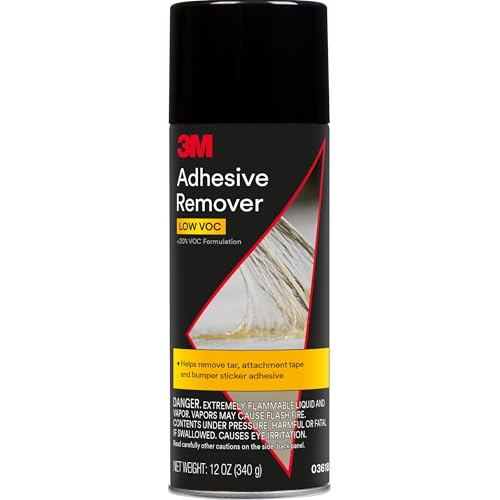
When choosing a product, it’s important to select one that is labeled “automotive safe.” An expert insight few discuss is the difference between standard and automotive formulas. For example, regular Goo Gone can be too harsh for some finishes, while Goo Gone Automotive is formulated specifically for clear coats. For professional-level results on extreme cases, products like 3M Specialty Adhesive Remover are trusted by body shops worldwide.
No matter which product you choose, the process is similar:
- Read the Directions: Always read and follow the manufacturer’s instructions on the label, as application times and methods can vary.
- Apply the Product: Apply the remover as directed, usually by spraying it on or dabbing it with a cloth.
- Let It Work: Allow the product to soak for the recommended time. These powerful solvents work quickly, often in just a few minutes.
- Wipe and Clean: The residue should easily wipe away with a clean microfiber towel.
- Wash and Neutralize: As with any strong solvent, always finish by washing the area with car soap and water to remove any chemical residue.
Safety First: 5 Critical Mistakes That Can Ruin Your Paint
Removing sticker residue is easy, but damaging your car’s paint is even easier if you’re not careful. The user’s biggest fear is making the problem worse, and avoiding these common but catastrophic mistakes is the key to a perfect result. This is the most important section of this guide.
- ❌ Using a Metal Razor Blade on Paint. This is the cardinal sin of car cleaning. A metal blade is harder than your clear coat and will instantly leave deep, permanent scratches that require professional paint correction to fix. Instead: Only use metal blades on glass surfaces. For paint, always use a plastic razor blade.
- ❌ Using Harsh Solvents like Acetone. Chemicals like nail polish remover (acetone), lacquer thinner, or brake cleaner are far too aggressive for automotive paint. They can strip the clear coat right off, causing it to haze over and fail. Instead: Stick to car-safe solvents like isopropyl alcohol, WD-40, or a dedicated automotive adhesive remover.
- ❌ Using an Abrasive Sponge or Scrubber. That green kitchen scouring pad might seem like a good idea for tough gunk, but it will permanently dull and scratch your paint, leaving a hazy mess of swirl marks. Instead: Only use high-quality, clean microfiber towels for rubbing and cleaning.
- ❌ Working on a Hot Surface. Applying any chemical to a hot car panel (one that’s been sitting in the sun) is a recipe for disaster. The heat can cause the solvent to evaporate too quickly and can accelerate negative chemical reactions with your paint. Instead: Always work in the shade on a surface that is cool to the touch.
- ❌ Forgetting the Final Wash. Leaving the residue of a solvent on your paint can cause issues over time and will leave behind a film that attracts dirt. Instead: Always neutralize the area with a proper wash using car soap and water as your final step.
The Final Step: How to Clean and Protect Your Paint After Removal
What most guides miss is telling you what to do after the sticky stuff is gone. This is a critical factor that competitors ignore. Any solvent strong enough to dissolve adhesive—from alcohol to WD-40 to commercial removers—is also strong enough to strip away any car wax or paint sealant protecting your clear coat. This leaves the paint exposed and vulnerable to UV rays, bird droppings, and other environmental contaminants.
Completing the job like a professional involves two simple but non-negotiable final steps:
- Wash the Area Thoroughly: Even after you think you’ve wiped everything away, there can be a light film of solvent left on the surface. Give the entire area a final, thorough wash with a dedicated car soap and a clean wash mitt. This neutralizes any remaining chemicals and ensures the surface is perfectly clean and ready for protection.
- Apply a Coat of Wax or Sealant: With the paint clean and bare, it’s crucial to restore its protective layer. Apply a thin, even coat of your favorite car wax or paint sealant to the area using a foam applicator pad. Let it dry to a haze according to the product directions, then buff it off with a clean microfiber towel. This simple action restores the glossy shine and, more importantly, restores the sacrificial barrier that protects your paint from the elements.
This final step is the difference between simply solving a problem and performing proper car care. It ensures the area you just fixed stays looking great for months to come.
FAQs About how to get rid of sticker residue on car
Can I use Goo Gone on my car’s paint?
Yes, but you must use the specific “Goo Gone Automotive” formula. The original formula may be too harsh for some clear coats. The automotive version is designed to be safe on paint but should always be washed off thoroughly with soap and water afterward to remove its oily base.
Will rubbing alcohol damage my car’s clear coat?
Generally no, if used correctly. Applying 70% isopropyl alcohol for a few minutes is safe on modern, cured clear coats. Avoid using 99% alcohol, never apply it to a hot surface, and don’t let it sit for an excessive amount of time as it could soften the finish.
How do you remove residue that has been baked on for years?
Use a combination of heat and a strong solvent. First, gently warm the area with a hairdryer to soften the hardened adhesive. Then, apply a powerful solvent like WD-40 or a commercial remover, let it soak for 15-20 minutes, and gently scrape with a plastic razor blade. Patience is key.
Can I use a metal razor blade on my car’s windshield?
Yes, a metal razor blade is safe and effective on glass ONLY. Never use it on paint, plastic trim, or tinted windows. Always use a new blade at a shallow angle on a wet, lubricated surface (like soapy water) to avoid scratches.
A faint outline or “ghost” of the sticker is still visible. How do I fix that?
This is usually due to the paint under the sticker being protected from UV fading. The surrounding paint has faded slightly, creating an outline. This can often be corrected by using a quality automotive polish or a light polishing compound on the area to even out the finish and restore shine.
Key Takeaways: Removing Sticker Residue The Right Way
You now have a complete playbook for tackling any sticky situation on your vehicle. By understanding the core principles of safe and effective removal, you can confidently restore your car’s finish. Here are the most important points to remember:
- Safety First, Always: Before you start, always wash the area and test any chemical cleaner on a small, hidden spot to ensure it’s safe for your paint.
- Start with the Gentlest Method: Begin with mild household solutions like vinegar or oil. Only escalate to stronger solvents like alcohol or WD-40 if necessary.
- Patience is Your Best Tool: Allow solvents to “dwell” or soak for several minutes. This lets the chemical do the heavy lifting, preventing the need for excessive, damaging scraping.
- Use the Right Tools: Never use a metal razor blade on paint. Always use a plastic razor blade or credit card on a lubricated surface to avoid scratches.
- Don’t Forget Aftercare: Any effective solvent will strip your car’s wax. After the residue is gone, you must wash the area with car soap and apply a fresh coat of wax or sealant to protect the paint.
Final Thoughts on Restoring Your Car’s Flawless Finish
Getting rid of unsightly sticker residue doesn’t have to be a stressful ordeal that risks your car’s paint. By following the safe, step-by-step methods outlined in this guide, you have the power to solve the problem yourself without creating a new, more expensive one.
Remember the core principles: work clean, start gently, be patient, and always restore the protection you remove. With the right tools and a little know-how, you can confidently remove any adhesive and keep your car looking its absolute best. Which approach will you try first?
Last update on 2026-03-07 / Affiliate links / Images from Amazon Product Advertising API


