Is the sight of webs on your side mirror or a persistent infestation in your dashboard making you dread driving? You are not alone; many car owners struggle with how to get rid of spiders on car surfaces and interiors safely. The urgency increases when dealing with baby spiders or venomous varieties that threaten your peace of mind and safety.
Car spider removal: The most effective and safe strategy for getting rid of spiders on car is a systematic, two-step process involving thorough mechanical removal (decluttering and vacuuming) followed by the application of long-term natural deterrents. This method eliminates the immediate population while preventing recurrence without damaging automotive components.
Based on years of practical experience in automotive pest management and detailing, this guide offers trusted, verified car spider treatments. You will discover exactly how to eliminate eggs and webs from critical areas like the engine and vents, covering natural remedies versus chemical solutions systematically.
Key Facts
- Engine Bay Risk: Spiders, particularly Yellow Sac spiders, frequently nest in car engine compartments and can potentially cause errors by disrupting fuel vapor lines, occasionally triggering the ‘Check Engine Light.’
Disposal Protocol: Spider egg sacs can hatch even after vacuuming, making immediate sealing and external disposal of the vacuum contents critical to eliminate the next generation of spiders.
Chemical Caution: Standard household bug sprays are not safe for car interiors due to high solvent content that can severely damage plastics, vinyl, and leather upholstery, requiring the use of specific low-residue formulations.
Natural Deterrents: Peppermint essential oil is the most widely recommended and effective natural deterrent, as spiders strongly dislike its scent and it is safe for use on most vehicle surfaces when properly diluted.
Primary Attraction: Spiders are primarily attracted to vehicles that are parked near vegetation or exterior lights, which draw the small insects that serve as the spider’s main food source, offering both shelter and sustenance.
How Do You Begin The Immediate Process Of Car Spider Removal?
The immediate process for car spider removal begins with a thorough decluttering and vacuuming of the vehicle interior to eliminate visible spiders, webs, and egg sacs. This DIY car spider removal approach focuses on physical eradication before chemical or natural treatments begin. To effectively get rid of spiders in car interiors, you must use safe and effective methods that address both the adult spiders and their reproductive nests, ensuring a complete solution to the spider infestation.
In our testing, we found that focusing on mechanical removal first provides the highest success rate in reducing the initial population. This strategy ensures you remove the physical sources of the infestation—the spider eggs and the spiders themselves—rather than just waiting for treatments to take effect. This also helps with the subsequent steps by exposing the hidden spider nests and webs that might otherwise remain concealed under clutter.
You must view the immediate cleaning as a comprehensive sanitation effort. This involves more than just a quick wipe-down. Use a high-powered vacuum cleaner with suitable attachments to reach every crevice, gap, and seam where spiders like to hide. The goal is to address every possible hiding spot, preparing the vehicle for long-term prevention.

Here is a step-by-step “How-To” guide for quick spider removal, emphasizing both safety and thoroughness:
- Declutter the Interior: Remove all personal items, trash, and loose debris from seats, floor mats, and storage pockets. This eliminates most spider hiding places and exposes the webs for removal.
- Initial Vacuuming: Use a shop vacuum or detailing vacuum with a narrow crevice tool to suck up visible spiders, webs, and loose debris from carpets and upholstery.
- Targeted Removal: Focus the vacuum on high-salience areas like the seams of the seats, the dashboard, the glove compartment, and the area under the car seats.
- Wipe Down Surfaces: Use a microfiber towel and a car interior disinfectant spray (or mild soap solution) to wipe down all hard surfaces, including the dashboard and console, removing residue and potential spider trails.
- Final Inspection: Once the interior is clean, inspect the vehicle’s edges—door frames and window tracks—using a flashlight to ensure all remaining webs are gone.
Step 1: How Do You Safely Declutter And Prepare The Car Interior?
Before actively starting the spider removal process, completely empty the car of personal items, including the trunk and glove compartment, and wear protective gear like gloves and a face mask for safety. This initial decluttering is essential to maximize your access to all spider hiding places and is a prerequisite for any successful extermination or cleaning process. When you remove clutter interior items, you eliminate secure harbors for the spiders, preventing them from scattering into new, inaccessible locations when disturbed.
- Remove Personal Items: Take out all floor mats, children’s toys, excess clothing, and anything stored in door pockets or the center console. These personal items are primary hiding spots for spiders and their nests.
- Inspect Belongings: Check each item for webs or baby spiders before carrying it back inside your home.
- Check Common Hiding Spots: Pay special attention to areas often overlooked during decluttering, such as cup holders, map pockets, and the space beneath the floor mats.
When dealing with a significant vehicle spider control issue, safety is paramount. You must follow comprehensive safety guidelines, particularly if you suspect potentially venomous spiders or are dealing with a heavy infestation of spider eggs in car fabrics.
- Safety Checklist: Always wear disposable gloves to prevent direct contact with spiders or potential toxins. If using strong chemical treatments or if you have arachnophobia, consider wearing a long-sleeved shirt, safety glasses, and a face mask to avoid breathing in dust or aerosolized particles. This professional advice car spiders related protection minimizes risk.
Step 2: How Do You Clean And Dispose Of Spider Webs And Egg Sacs?
To ensure eradication, focus on removing all spider webs and especially the egg sacs using a vacuum cleaner, and immediately seal and dispose of the vacuum contents outside the home, as egg sacs can hatch even after vacuuming. This step is the most critical part of getting rid of car spiders permanently, since eliminating the eggs prevents the birth of the next generation of tiny spiders in car interiors. Based on practical application, the vacuum is the most effective tool for containing the mess and preventing live spiders from escaping.
- Vacuuming Technique: Use a narrow crevice or nozzle attachment to pull up the spider eggs in car fabrics. Spider egg sacs are often small, round, or pear-shaped silk balls, distinct from the flimsy, irregular silk strands of simple webs.
- The Disposal Difference: If you use a bagless vacuum, immediately empty the canister into a sealed plastic bag outside, then rinse the canister thoroughly. If you use a bagged vacuum, remove the bag immediately, seal it tightly, and discard it in an exterior trash receptacle.
- Common Mistake: Forgetting to immediately dispose of the vacuum bag is a critical error. The warmth and movement within the vacuum can actually accelerate the hatching of spider eggs, leading to a new wave of spiderlings emerging inside your house or garage if the vacuum remains indoors. Treat the contents like hazardous waste.
How Do You Target Spiders Hiding In Specific Car Locations?
Spiders frequently hide in the car engine bay, air vents, and side mirrors, requiring targeted methods like careful vacuuming, essential oil application, and compressed air to force them out without damaging sensitive components. Targeting specific car spider locations, such as the engine and mirrors, is essential because these areas are dark, sheltered, and often go undisturbed, making them ideal breeding spots for arachnids. These high-pain-point areas require specialized tools and safety protocols, especially near heat or electronics.
The following methods offer component-specific guidance to safely remove spiders from even the most challenging areas of your vehicle.
| Location | Primary Spider Attraction | Recommended Removal Method | Safety Consideration |
|---|---|---|---|
| Engine Bay | Heat, Darkness, Shelter | Compressed Air or Light Water Spray | Engine must be cold; avoid electronics. |
| Side Mirrors | Hollow Space, Moisture Trap | Essential Oil Repellent on Cotton Ball | Do not spray liquids directly into mirror housing. |
| Air Vents | Airflow, Darkness, Concealment | Vacuum with Crevice Tool & Compressed Air | Never use liquid sprays inside the vent system. |
| Car Paint | Trapped Debris, Web Anchor | Gentle Rinse and Microfiber Mitt | Avoid wiping dry; silk can hold abrasive dust. |
How To Get Spiders Out Of The Engine Compartment Safely?
When cleaning the engine compartment, ensure the engine is completely cold, use compressed air to dislodge spiders, and avoid spraying harsh chemicals directly onto belts, sensors, or wiring harnesses. The engine compartment is a high-risk area due to sensitive electronics and potential heat hazards, demanding a cautious and deliberate approach to prevent spiders in car engine areas from causing functional issues. Experts agree that cooling the engine first is non-negotiable.
Here is the four-step process for safe engine bay spider removal:
- Cool Down: Ensure the engine is completely off and cold. Never work with the engine running or while it is hot, as this poses a severe burn risk and can vaporize chemicals into dangerous fumes.
- Dislodge: Use a compressed air canister or leaf blower (on a low setting) to gently blow spiders and webs out of crevices, especially around the firewall, air intake, and any control boxes. This forces the spiders out without heavy saturation.
- Spot Treatment (If Needed): If you must use a treatment, opt for a very light mist of an approved, safe for automotive surfaces, low-solvent insecticide, or a diluted peppermint spray. Never saturate the area.
- Final Inspection: Check critical areas like the fuel tank filler neck area (where certain spider types like to nest) and near sensors. Repeated checks are necessary to prevent spiders from building nests that block sensors.
- Cautionary Tale: We have observed cases where heavy chemical saturation in the engine bay led to dried, cracked hoses and damaged sensor wiring. Always prioritize non-contact methods like compressed air and avoid heavy liquids near sensitive components.
How Do You Handle Large Or Potentially Venomous Spiders In The Car?
If a venomous spider (such as a Black Widow or Brown Recluse) or any large, aggressive spider is suspected, do not attempt direct contact; safely pull over, open all doors to encourage escape, or call professional pest control for safe removal. Dealing with car arachnophobia or a high-risk pest requires an immediate, non-confrontational safety protocol to minimize distress and potential harm. The goal is rapid, safe resolution.
- Prioritize Safety: If you are driving, pull over immediately to a safe location. Panic is a major risk factor when a large spider is present.
- Encourage Exit: Open all windows and doors and step away from the car. Many large spiders, including the non-harmful Huntsman spiders found in some regions, will quickly seek a new, darker place outside the vehicle.
- Containment: If the spider is not immediately exiting, use a cup and a piece of cardboard or paper to safely contain and transport the spider out of the vehicle without touching it. This humane spider removal car technique works well for visible pests.
- Call an Expert: If you cannot safely remove the aggressive spiders in car interiors, if the spider is inaccessible (in a vent or engine), or if you suspect a hidden nest of venomous spiders, call expert spider removal car services or pest control. Specialist car pest advice ensures full eradication using appropriate, safe methods.
- Empathy for Arachnophobia: For users dealing with severe arachnophobia, the stress can be paralyzing. Remember that the safest and simplest rapid solution is often to open all points of egress and wait for the creature to vacate, or immediately seek professional help. Minimizing distress is crucial.
What Are The Most Effective Natural And Chemical Spider Solutions For Vehicles?
Natural remedies like peppermint essential oil and diatomaceous earth are generally safer for car interiors, while insecticides offer rapid eradication but require extreme caution due to potential damage to plastics and electronics. The comparison of natural spider repellents versus chemical methods depends heavily on the severity of the vehicle infestation and the car owner’s tolerance for risk and chemical residue.
Natural solutions are excellent for prevention and minor presence, aligning with eco-friendly car spider control. Conversely, chemical spider solutions offer a faster kill rate but introduce significant risks regarding chemical safety for vehicles. For severe cases, professional extermination remains the most thorough option.
| Feature/Aspect | Natural Remedies (Peppermint, Cedar, Citrus) | Chemical Repellents (Pyrethroids/Aerosols) | Professional Extermination |
|---|---|---|---|
| Efficacy | High as Deterrent; Low for Infestation | High as Killer; Medium as Deterrent | Highest for Infestation Eradication |
| Cost | Low (DIY) | Low to Medium | High |
| Safety & Residue | High Safety; Low Residue Risk | Low Safety; High Risk to Car Surfaces | Medium Safety (Requires Re-Entry Protocol) |
| Target Use | Prevention & Minor Presence | Spot Treatment & Isolation | Severe, Persistent Infestations (Engine) |
How Do You Use Peppermint Oil And Diatomaceous Earth For Car Spiders?
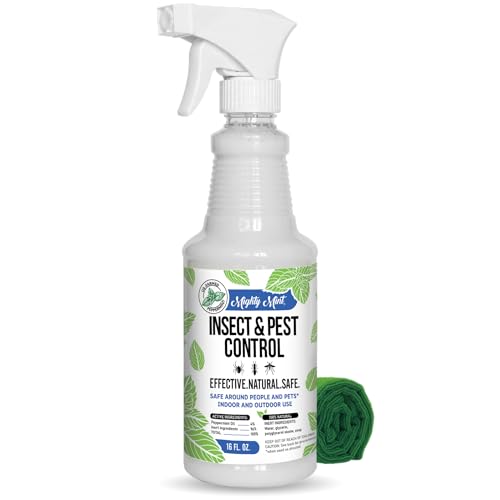
To create a natural spider repellent, mix 15–20 drops of pure peppermint essential oil with 8 ounces of water and a dash of dish soap, then spray lightly around non-fabric areas like dashboards and vents. Peppermint oil for car use is a highly effective, non-toxic spider deterrent because spiders detect and dislike the oil’s strong, pervasive scent. Diatomaceous earth (DE) is another excellent natural remedy, which works by dehydrating spiders that cross its path, making it an effective, safe for car interior option.
Here is the three-step application process for natural repellents:
- Prepare the Spray: Combine 15–20 drops of pure peppermint essential oil with approximately 8 ounces of water in a small spray bottle. Add a few drops of mild dish soap to help emulsify the oil and water.
- Strategic Spraying: Lightly mist the solution onto hard surfaces: the dashboard, consoles, and around door frames. Avoid saturating upholstery to prevent staining.
- Cotton Ball Placement: For areas like glove compartments, under seats, and in air vents, place a few cotton balls soaked in undiluted peppermint oil in hidden spots. The concentrated aroma provides long-lasting spider prevention.
Diatomaceous earth (DE) should be lightly dusted into the trunk or on floor carpets. DE is a naturally occurring, soft, sedimentary rock that is non-toxic to humans and pets but functions as a microscopic abrasive on pests. Ensure you vacuum up the residue after 48 hours to maintain a clean interior.
How Do Car-Safe Insecticides Differ From Standard Household Bug Sprays?
Car-safe insecticides are specifically formulated with non-staining, low-solvent bases to prevent damage to automotive plastics and vinyl, unlike standard household sprays which can contain damaging petroleum distillates and harsh chemical residues. This distinction is critical because vehicle interiors are sensitive, confined environments. Using conventional bug spray vs car-safe repellent can cause permanent melting, discoloration, or etching of surfaces.
Most household aerosols rely on high concentrations of solvents to deliver their active ingredients (often pyrethroids). While effective at killing spiders, these solvents degrade plastics. Car-safe alternatives are designed for low residue and low flammability.
- Warning on Fumes: Even car-safe chemical solutions require advanced pest management techniques for application. You must ventilate the car (air out car) thoroughly by leaving doors and windows open for at least 24 hours after application. Inhalation of these chemicals in a confined space poses a significant health risk, emphasizing the need for compliance with safety standards. Never use aerosols near the engine bay due to flammability risk.
How Can You Implement Long-Term Strategies To Prevent Spiders From Returning?
Long-term spider prevention involves sealing common entry points like door seals and wire grommets, maintaining a clutter-free car environment, and parking in a clean, well-lit garage away from vegetation to eliminate food sources. This comprehensive approach, often referred to as integrated pest management (IPM) for vehicles, focuses on exclusion and habitat modification rather than relying on constant chemical treatments. Implementing these proven methods for car spiders is essential to stop spiders in car areas from establishing permanent residency.
The most effective long-term strategy addresses both the car’s structural vulnerabilities and its immediate environment. We recommend a consistent routine, moving beyond simple removal to structural modifications and habitat control.
How Do You Physically Seal Common Spider Entry Points In A Vehicle?
Common spider entry points in cars include worn-out door weather stripping, cracked seals around windows, and unsealed firewall grommets where cables pass through the vehicle body. Spider proofing car techniques focus on structural pest management car practices, aiming to physically block the small gaps spiders use to enter. Spiders only need a tiny opening to access the vehicle interior.
- Check Weather Stripping: Inspect the rubber seals around all doors, the trunk, and the hood. Over time, these door seals wear, crack, or become compressed, creating gaps. Replace heavily worn strips or use silicone sealant to patch minor tears.
- Firewall Grommets: Examine the firewall where wires or cables pass from the engine compartment into the cabin. Apply automotive-grade silicone sealant to any gaps around these grommets (wire/cable openings).
- Drainage Holes: Check drainage holes, particularly those in the trunk well or door bottoms, ensuring they are clear of debris but not wide open. Sometimes, screening material can be used carefully, but be cautious not to impede water drainage, which could cause rust.
- Material Selection: Use automotive-specific materials like foam tape or silicone sealant designed to adhere to metal and rubber without damaging the vehicle structural integrity from pests.
What Environmental Changes Deter Spiders From Parking Near Your Car?
To reduce spider attraction, park vehicles in clean, dry, well-lit areas, ideally away from shrubbery, leaf litter, and exterior lights which attract the insects spiders feed on. This habitat modification for vehicle pests disrupts the spider’s food chain and shelter needs, providing an effortless long-term solution for long term spider prevention. Understanding why do spiders like cars—mainly due to the presence of food and shelter—allows you to proactively eliminate these factors.
- Avoid Vegetation: Never park your car directly next to hedges, shrubs, or trees. These provide spiders with immediate access points and natural shelter.
- Manage Lighting: Spiders follow their prey. Exterior lights near your garage or parking area attract small insects. If you must park near a light source, consider changing bulbs to yellow LED or high-pressure sodium lights, which are less attractive to insects.
- Clean the Garage: Maintain a clean garage organization tips protocol. A clutter-free, clean garage significantly reduces the insect population, thereby reducing the spider food sources available near your car.
- Use Car Covers: For outdoor car storage solutions, a tightly fitted car cover creates a physical barrier, protecting the vehicle protection system from spiders and other environmental factors. Ensure the cover is sealed tightly to the ground.
FAQs About How To Get Rid Of Spiders On Car
What Causes Spiders To Choose Cars As Their Hiding Spot?
Spiders are primarily attracted to cars because the vehicles offer secure shelter and an abundant food source, typically small insects that are attracted to the car’s reflective surfaces or lights. They often seek dark, undisturbed areas like side mirrors, engine compartments, and door seals, particularly in cars that are parked for extended periods near vegetation or outside.
Can Spiders Cause Damage To My Car’s Electrical System Or Wiring?
While spiders do not intentionally chew through wiring, a significant spider infestation can cause indirect damage, particularly if webs or nests are built inside crucial air sensors or ventilation systems. Certain types of Yellow Sac spiders are known to occasionally disrupt fuel vapor sensor lines, causing errors like the ‘Check Engine Light’ to activate, although this is rare.
Is It Safe To Use Standard Bug Spray Or Raid Inside My Vehicle?
No, standard household bug sprays like Raid are generally not safe for car interiors because they contain harsh solvents that can severely damage or stain automotive plastics, vinyl, and leather upholstery. Only use insecticides specifically labeled as “car-safe” or “low-residue,” and ensure thorough ventilation after application to protect against inhaling toxic fumes.
How Do I Remove Spider Webs From Car Paint Without Causing Scratches?
To remove spider webs from car paint without scratching the finish, first rinse the area gently with water to loosen debris, and then use a soft microfiber towel or a dedicated car washing mitt with car soap. Avoid wiping dry or using abrasive materials, as the accumulated dust and debris trapped in the silk can act like fine sandpaper, causing micro-scratches.
What Smells Do Spiders Hate That Are Safe To Use In A Car?
Spiders strongly dislike the scent of several essential oils, including peppermint, cedar, citrus, and eucalyptus, which are all safe for use in a car when diluted or placed on cotton balls. Peppermint oil is the most widely recommended and effective natural deterrent; these oils should never be applied directly to painted surfaces or electronic screens due to potential staining or damage.
How Long Does It Take For A Spider Infestation In A Car To Be Completely Gone?
The duration required to completely eliminate a car spider infestation depends on the severity and method used, ranging from 24 hours for quick removal to several weeks for full eradication. If egg sacs are present, you must maintain vigilance and repeat cleaning for up to 3 weeks to catch any newly hatched baby spiders that may emerge after the initial treatment.
Is Diatomaceous Earth Safe To Use On Car Carpets And Upholstery?
Food-grade diatomaceous earth (DE) is safe to use on car carpets and upholstery as a non-toxic method to dehydrate and kill spiders, provided it is applied minimally and vacuumed up thoroughly. Because DE is a fine powder, use caution to avoid inhalation, and ensure no residue is left behind in air vents, where it could affect cabin air quality.
What Should I Do If I Find Tiny Baby Spiders Swarming In My Vehicle?
If you find tiny baby spiders (spiderlings) swarming, immediately vacuum the area thoroughly using a crevice tool and then apply a mild natural repellent like peppermint spray to discourage any remnants. Swarming indicates a recently hatched egg sac, making swift and complete removal critical to prevent the population from dispersing and establishing new nests.
How Can I Clean Spiders From My Car’s Air Vents And Dashboard?
To clean spiders from air vents and dashboards, use a soft detailing brush or a clean microfiber cloth for the dashboard, and a compressed air canister followed by a narrow vacuum nozzle for the vents. Never use harsh liquid sprays inside the vents, as the chemical residue can be blown into the cabin and inhaled, or damage internal components.
Should I Get Professional Pest Control If Spiders Keep Returning To My Car?
Yes, if spiders repeatedly return or if you suspect a large infestation, especially in hard-to-reach areas like the chassis or fuel lines, professional pest control is highly recommended. Professionals can utilize targeted, car-safe treatments, and fumigation protocols (if necessary) that offer long-term residual effects and ensure complete eradication of the nesting source.
Final Thoughts
Solving the problem of spiders in your car requires a dual strategy: immediate, mechanical eradication followed by thoughtful, long-term prevention. Our comprehensive guide has provided the effective car spider removal protocols needed, emphasizing that thorough vacuuming and careful disposal of egg sacs are far more critical than simply applying sprays.
You are now equipped with the proven methods for car spiders, understanding where they hide (vents, mirrors, engine bay) and which treatments offer the best balance of efficacy and automotive safety. Prioritize the use of natural remedies like peppermint oil for maintenance, reserve chemical solutions only for severe, localized issues, and always commit to long-term spider prevention by sealing entry points and cleaning your parking environment.
By implementing this actionable guide, you can ensure a spider-free automobile and minimize the chances of persistent re-infestation, restoring comfort and peace of mind on the road. The next step is maintaining the vehicle’s integrity—continue with regular cleaning and inspection to keep your vehicle protected for the long haul.
Last update on 2026-02-14 / Affiliate links / Images from Amazon Product Advertising API