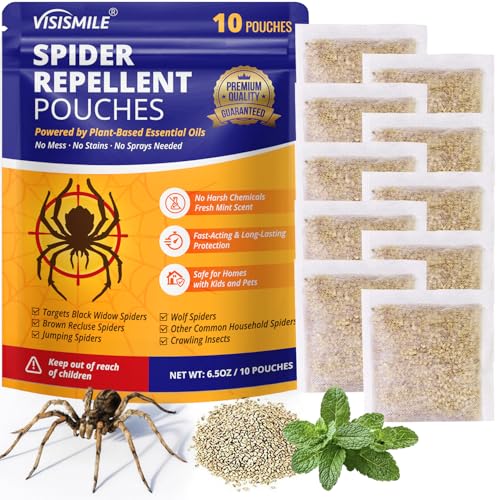
Struggling with how to get rid of spiders in your car? Finding an eight-legged passenger can be startling, turning your personal space into a source of anxiety. You need a safe, effective, and permanent solution now.
The best way to get rid of spiders in a car involves a three-phase process: immediate removal, thorough cleaning and treatment, and long-term prevention. This includes vacuuming the interior, cleaning specific hiding spots like vents and mirrors with appropriate solutions, and using repellents to keep them from returning.
Based on proven pest control methods and automotive care principles, this guide provides a complete, step-by-step system. You’ll discover exactly how to reclaim your vehicle safely and ensure spiders don’t come back, covering everything from immediate action to permanent prevention.
Key Facts
- Hidden Habitats: The number one hiding spot for spiders in a car is the housing behind the wing mirrors, offering a dark, undisturbed shelter.
- Natural Repellents Work: Spiders have sensitive olfactory receptors, making the scent of peppermint oil a highly effective and non-toxic deterrent when sprayed in a diluted solution.
- Vacuuming is Critical: A powerful vacuum with a crevice tool is essential for removing not just adult spiders but also their unseen egg sacs, which can contain hundreds of eggs and are the primary cause of recurring infestations.
- Bug Bombs Are Dangerous: Pest control experts strongly advise against using total-release foggers or “bug bombs” in a vehicle, as they can leave behind toxic residue in the enclosed space and damage sensitive electronics.
- Entry Points Matter: Spiders often enter cars through small gaps in worn-out window and door weather stripping, making seal maintenance a key part of long-term prevention.
How to Get Rid of Spiders in Your Car? A Step-by-Step Guide
Finding a spider in your car can be unnerving, especially for those with arachnophobia. The good news is that removing them and preventing their return is entirely manageable with a structured approach. Based on insights from pest control experts, this process isn’t just about spraying a chemical; it’s about systematically cleaning, treating, and proofing your vehicle. A multi-step approach that includes deep cleaning, using repellents, and implementing preventative measures is the most effective strategy.

This guide breaks down the solution into three clear stages. Following these steps ensures you not only solve the immediate problem but also create an environment where spiders are no longer welcome. You will learn the complete methodology for a permanent fix.
- Immediate Action & Safety: What to do the moment you spot a spider, especially while driving.
- Deep Cleaning & Removal: A detailed, step-by-step process to eliminate spiders, their webs, and their eggs from every corner of your car.
- Long-Term Prevention: Simple habits and maintenance tasks to spider-proof your vehicle for good.
Why Are Spiders Attracted To Your Car in the First Place?
Spiders get into your car for three main reasons: food, shelter, and warmth. Your car can inadvertently provide a perfect habitat. Understanding these attractions is the first step toward effective, long-term prevention. Spiders are drawn to cars because they offer shelter from weather, warmth from the engine, and a hunting ground for other small insects.
Here are the primary reasons you might be finding spiders in your vehicle:
- 🕷 Food Source: If small insects like flies, gnats, or ants get into your car, they become a ready-made meal for spiders. Spilled drinks, food crumbs, and other debris attract these smaller pests, which in turn attract their predators.
- 🏡 Shelter and Harborage: A car is full of dark, undisturbed nooks and crannies that are ideal for a spider to hide and build a nest. Common spots include the housing of your wing mirrors, air vents, under the dashboard, and deep within seat tracks. Clutter like bags, wrappers, or blankets provides additional hiding places.
- 🌡 Warmth: Especially in cooler months, the residual heat from your car’s engine can make the engine bay and even the interior cabin an attractive, warm shelter for a spider seeking refuge from the cold.
- 🚪 Easy Access: Spiders don’t need much space to get in. Common entry points include windows left slightly ajar, cracks in old door and window seals, the car’s air intake vents, and gaps in the undercarriage. Parking near dense vegetation, under trees, or next to exterior lights at night increases the chances of a spider finding its way onto and into your car.
What Should You Do Immediately If You See a Spider While Driving?
Discovering a spider while you’re driving is a high-stress situation where your safety is the top priority. The sudden panic can be a dangerous distraction. Following a calm, deliberate safety protocol is essential.
If you find a spider while driving, do not panic. Your first priority is safety. Keep your eyes on the road, signal, and pull over to a safe location as soon as possible. Only once you are safely parked should you deal with the spider.
Follow these steps to handle the situation safely:
- Stay Calm & Focus on the Road: Your immediate reaction is the most critical. Avoid any sudden movements, shouting, or taking your hands off the wheel. Keep your eyes on the road and continue driving normally. Remember that the spider is unlikely to be dangerous and poses more of a risk as a distraction than as a physical threat.
- Find a Safe Place to Pull Over: Activate your turn signal and begin looking for the nearest safe place to stop. This could be a parking lot, a quiet side street, or the shoulder of the highway. Do not slam on your brakes or make any erratic maneuvers.
- Park and Open Doors/Windows: Once you are safely parked, put the car in park and turn off the engine. Open all the doors and windows. This provides an immediate escape route for the spider, and it may leave on its own without any further action needed from you.
- Locate and Remove the Spider: Now that you are safe, you can address the spider. If you can see it, you can use a napkin to remove it or guide it out of the vehicle. If it has hidden, take a few moments to check around your seat and dashboard before resuming your drive. This immediate encounter is your cue to schedule a full deep clean as soon as possible.
What Are the 7 Steps to Permanently Get Rid of Spiders in Your Car?
To permanently solve your car’s spider problem, you need a systematic approach that goes beyond just removing the one you can see. This seven-step process ensures you eliminate adult spiders, their eggs, and the conditions that attract them. The 7 steps to permanently get rid of spiders in a car are: 1. Prepare and declutter, 2. Vacuum thoroughly, 3. Clean common hiding spots, 4. Apply natural repellents, 5. Use chemical treatments safely if needed, 6. Remove eggs and nests, and 7. Finalize the cleaning and air out the vehicle.
Step 1: How Do You Prepare and Declutter Your Vehicle for Cleaning?
You cannot eliminate what you cannot see. The single most important first step is to remove every potential hiding spot. To prepare your car for spider removal, first take out all floor mats and remove every piece of trash, personal belongings, and loose items from the cabin, trunk, and door pockets. Spiders use clutter for harborage, and removing it makes subsequent cleaning far more effective.
Start by systematically clearing out your car:
* Trash and Debris: Remove all fast food wrappers, old receipts, empty bottles, and any other garbage.
* Floor Mats: Take out all floor mats so you can clean both the mats and the carpet underneath them.
* Personal Items: Remove gym bags, children’s toys, blankets, and any other items from the cabin and seats.
* Trunk Contents: Empty your trunk completely, including tool kits, spare tires, and storage bins.
Step 2: How Do You Thoroughly Vacuum the Entire Car?
A powerful vacuum is your most important tool for removing adult spiders, webs, and unseen egg sacs. Thoroughly vacuum your car by using a crevice tool to clean seat seams, under the seats, along the dashboard, inside the glove box, and in all storage compartments. A powerful vacuum with crevice and brush attachments is essential for reaching every potential habitat.
Focus on these key areas for a complete clean-out:
* Seats and Carpets: Go over every inch of the upholstery and floor, paying special attention to the seams and edges.
* Crevices and Gaps: Use the crevice tool to get deep into seat tracks, the space around the center console, and dashboard seams.
* Under the Seats: This is a prime hiding spot. Move the front seats all the way forward, then all the way back, to access the entire floor area beneath them.
* Trunk: Don’t forget to vacuum the trunk, including the spare tire well.
Pro Tip: Immediately after vacuuming, seal the vacuum bag or empty the canister into a sealed trash bag outdoors. This prevents any captured spiders or newly hatched spiderlings from escaping and re-infesting your home or garage.
Step 3: Where Do Spiders Hide and How Do You Clean These Spots?
Spiders love dark, undisturbed places. Simply wiping down the main surfaces isn’t enough to get rid of them. Spiders commonly hide in car wing mirrors, air vents, under the dashboard, and in the seams of door seals. You must target these specific high-infestation areas with the right tools and techniques.
How to Clean Your Wing Mirrors
The housing behind your wing mirror is the #1 location for spider nests on most passenger vehicles.
1. Lightly spray a 50/50 solution of white vinegar and water into the gap between the mirror and its housing.
2. Use a pipe cleaner or a flexible brush to gently push into the gap and dislodge any webs, egg sacs, or spiders.
3. Wipe away any debris that comes out with a microfiber cloth.
How to Clean Your Air Vents
Air vents provide a hidden network for spiders to travel and hide.
1. With the car off, use a can of compressed air to blow out any debris or webs from deep within the vents.
2. Follow up by using a long, thin interior detailing brush to further clean the louvers.
3. For a final touch, spray your natural repellent onto a cloth and wipe the vent exteriors.
How to Clean Under the Dashboard and Door Seals
These areas are dark and rarely disturbed.
* Under the Dashboard: Use a vacuum with a brush attachment to thoroughly clean all surfaces, wires, and crevices you can reach.
* Door and Window Seals: Open each door and wipe down the entire rubber weather stripping with your vinegar and water solution. This removes webs and potential egg sacs.
Step 4: What Natural Spider Repellents Can You Safely Use?
For those who prefer to avoid harsh chemicals, natural repellents are a safe and highly effective option. To naturally repel spiders, create a spray using water, peppermint oil, and a drop of dish soap. Spiders have olfactory receptors that are highly sensitive to the strong scent of certain essential oils, making them a powerful, non-toxic deterrent.
Peppermint Oil Spray
This is the most widely recommended natural repellent.
DIY Spider Repellent Recipe:
* In a 16oz spray bottle, combine 1 cup of water and 1 cup of white vinegar.
* Add 10-15 drops of pure peppermint essential oil.
* Add a small drop of dish soap, which acts as an emulsifier to help the oil and water mix.
* Shake well before each use.
Lightly mist this solution on carpets, under seats, inside the trunk, and around door and window frames. The scent is pleasant to humans but repels spiders.
Other Natural Options
- Citrus Peels: Spiders dislike the scent of citrus. Leaving fresh lemon or orange peels under the seats can act as a short-term deterrent.
- Cotton Balls: You can also soak cotton balls in peppermint or tea tree oil and place them in inconspicuous areas like the glove box, trunk corners, and door pockets.
Step 5: How Do You Use Chemical Treatments Safely and Effectively?
For a severe infestation, a chemical treatment might feel necessary, but safety inside the enclosed space of a car is paramount. For chemical treatment, use an insecticide specifically labeled as safe for automotive interiors and apply it sparingly. A safer and highly effective chemical option is food-grade diatomaceous earth.
⚠ WARNING: Never set off a total-release fogger or “bug bomb” inside a car. These products are not designed for small, enclosed spaces. They can leave toxic residue on every surface, damage sensitive electronics, and create a serious health hazard.
Here is a comparison of safer chemical options:
| Feature/Aspect | Automotive Spider Spray | Diatomaceous Earth | “Bug Bomb” Fogger |
|---|---|---|---|
| Effectiveness | High (Direct Contact) | High (Residual) | High (But Unsafe) |
| Interior Safety | Use products labeled “automotive safe” | High (Food-grade) | Extremely Unsafe |
| Application | Spot spray on surfaces | Puff into cracks/crevices | NEVER USE IN A CAR |
| Ventilation | 1-2 hours minimum | Minimal | Can leave toxic residue for weeks |
If you choose a chemical spray, read the label carefully. Apply it lightly to targeted areas like under the seats and in trunk corners. After application, allow the vehicle to ventilate with the doors open for at least 3-4 hours before driving.
How Do You Prevent Spiders From Coming Back?
Once your car is clean, the final phase is prevention. A few simple habits and maintenance checks are all it takes to make your car an unattractive place for spiders. To keep spiders out of your car permanently, adopt these 4 habits: maintain cleanliness, be mindful where you park, seal entry points, and use repellents regularly.
Follow this prevention checklist to spider-proof your vehicle:
- 🗑 Maintain Cleanliness: This is your best defense. Vacuum the interior weekly or bi-weekly. Avoid letting trash or food wrappers accumulate. A clean car offers no food or shelter for pests.
- 🚗 Be Mindful Where You Park: Whenever possible, avoid parking for long periods directly under trees, next to dense bushes, or near exterior lights that attract insects at night. If you have a garage, use it. Garages that are kept clean and free of their own spider populations are the safest place to park.
- 🔧 Seal Entry Points: Periodically inspect the rubber weather stripping around your doors and windows. If you see cracks or gaps, it’s time to get them repaired. Ensure your windows and sunroof are always fully closed when parked.
- 🍃 Use Repellents Regularly: Re-apply your natural peppermint spray every few weeks, especially around door seals and in the trunk. The scent fades over time, so regular application is key to maintaining the deterrent effect.

FAQs About How to Get Rid of Spiders in Your Car
How long does it take for spider eggs to hatch in a car?
Spider eggs typically hatch within 2 to 3 weeks, depending on the species and the temperature inside the car. A warm car can accelerate the process, which is why it’s critical to vacuum thoroughly to remove any unseen egg sacs after spotting an adult spider, preventing a larger infestation.
Can spiders damage my car’s paint or interior?
No, spiders themselves cannot damage your car’s paint, wiring, or upholstery. However, their webs can be acidic over time and may etch the clear coat if left for extended periods. The main risk spiders pose is to the driver through distraction, not to the vehicle itself.
Are the spiders in my car likely to be dangerous or poisonous?
It is highly unlikely that a dangerously venomous spider is in your car, as most prefer less disturbed habitats. The most common car spiders are harmless wolf spiders, jumping spiders, or sac spiders. However, if you live in an area with venomous species (like Australia), exercise caution and identify the spider if possible.
Will turning on the car’s heat or AC get rid of spiders in the vents?
No, changing the temperature will not reliably get rid of spiders in your vents. While an extreme blast of heat or cold might make them uncomfortable, they are likely to retreat deeper into the ventilation system. The best method is to use compressed air or have the cabin air filter checked and cleaned.
How do I get rid of a big spider in my car, like a huntsman?
For a large spider like a huntsman, the safest method is to use a container and a piece of paper. Stay calm, pull over, place the container over the spider, slide the paper underneath, and release it far from the car. Avoid trying to swat it, as it may jump and hide.
Can spiders live in my car’s engine bay?
Yes, spiders can and do live in car engine bays, especially if the car is parked for long periods. The engine provides warmth and shelter. While they typically don’t cause damage, they can build webs that collect debris. A periodic check and clean of the engine bay can prevent this.
What is the best way to clean spider webs off my car mirrors?
The best way is to use a soft brush or a pipe cleaner to gently dislodge the webs from the mirror housing. Follow up with a spray of a 50/50 vinegar and water solution, which helps dissolve the web residue and deters the spider from rebuilding there.
Do car washes remove spiders?
A standard car wash is unlikely to remove spiders hiding inside the car, in the engine bay, or deep within mirror housings. While it will wash away exterior webs, it won’t solve an infestation. A thorough interior cleaning and direct treatment of hiding spots is necessary.
I have tiny baby spiders all over my car. What should I do?
This indicates a recently hatched egg sac. The most effective solution is to vacuum the entire car interior immediately and thoroughly. Focus on all surfaces, as the baby spiders (spiderlings) will disperse widely. Afterward, wipe down hard surfaces with a vinegar solution.
Does leaving the windows open at night help get rid of spiders?
No, leaving windows open is more likely to invite spiders and other insects in than to get them out. Spiders are opportunistic and will use any open access point to enter your vehicle. Always keep windows and sunroofs fully closed, especially when parked overnight.
Key Takeaways: How to Get Rid of Spiders in Your Car
- Prevention is Key: A clean, clutter-free car is the best defense. Regular vacuuming and avoiding eating in your vehicle removes the food and shelter that attract spiders in the first place.
- Target Hidden Nests: Spiders don’t just live on the seats. You must specifically clean common hiding spots like wing mirror housings, air vents, and under the dashboard to eliminate infestations.
- Natural Repellents are Effective: For routine prevention, a simple spray of peppermint oil and water is a proven, non-toxic way to deter spiders. Their olfactory senses are repelled by the strong scent.
- Safety First with Chemicals: Never use a “bug bomb” or fogger inside a car. If chemical treatment is necessary, only use a spray explicitly labeled as safe for automotive interiors and ensure maximum ventilation.
- Vacuuming Removes Eggs: To achieve a permanent solution, you must remove the spider eggs. A powerful vacuum with a crevice tool is the most effective way to eliminate unseen egg sacs from seat seams and carpets.
- Seal Entry Points: Spiders are getting in through small openings. Regularly inspecting and maintaining your car’s door and window weather stripping is a critical step in spider-proofing your vehicle.
- Act Safely While Driving: If you see a spider while driving, your first priority is to stay calm and pull over safely. Do not attempt to deal with the spider until the car is parked and turned off.
Final Thoughts on Achieving a Spider-Free Car
Ultimately, getting rid of spiders in your car is a matter of consistent cleaning and proactive prevention. It is not a sign of a dirty car, but rather a signal to be more mindful of small habits like where you park and what you leave inside. By following a structured cleaning process and integrating simple maintenance checks into your routine, you can create an environment where spiders are not welcome. You are now equipped with the knowledge to handle any spider situation safely and ensure your vehicle remains a comfortable, pest-free space.
Last update on 2026-02-26 / Affiliate links / Images from Amazon Product Advertising API