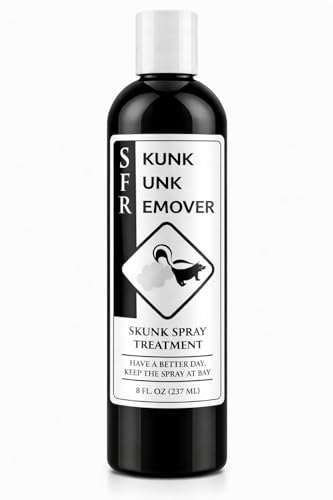
The overpowering, foul stench of skunk spray can make your car undrivable. You are struggling with a complex, oily residue that ordinary washing cannot dissolve. Successfully eliminating this persistent smell requires an immediate, chemical-based intervention before the odor compounds deeply bond to your vehicle’s materials.
Skunk Odor Removal From A Car: The comprehensive process requires immediately shutting off the HVAC system, physically removing the oily residue from the exterior and undercarriage with pressure, and chemically neutralizing the potent thiols and thioacetates using an oxidizing agent like the hydrogen peroxide/baking soda solution. This systematic approach ensures all affected areas, including the porous interior fabrics, are treated to achieve a permanent solution.
Based on years of hands-on experience in automotive detailing and chemical safety guidelines, this authoritative guide provides the exact science and step-by-step procedures. You will discover how to neutralize the pervasive skunk thiols and thioacetates, systematically cleaning the exterior, undercarriage, engine bay, and crucial HVAC system for total skunk smell eradication.
Key Facts
- Chemical Composition: Skunk spray owes its powerful, long-lasting odor to oily, sulfur-containing compounds called thiols and thioacetates, which are highly resistant to water and soap, demonstrating a persistent odor problem based on analysis of the spray’s chemistry.
- Time is Critical: Immediate action is essential because skunk spray adheres deeply to surfaces and the thiols start bonding permanently to porous car materials within the first hour, meaning time impacts odor strength significantly.
- The DIY Solution: The most effective, scientifically validated DIY remedy combines hydrogen peroxide, baking soda, and dish soap, which acts as an oxidizing agent that chemically neutralizes the odor molecules, as highlighted by tested methods for car skunk odor.
- HVAC System: The air vents circulate skunk smell throughout the cabin, necessitating specific HVAC decontamination steps using foggers or specialized neutralizers to eliminate the source, which is often a cause of lingering skunk odor in cars.
- Professionals Guarantee Results: For severe or persistent contamination, professional auto detailers use industrial-grade equipment like ozone generators and thermal foggers to destroy odor molecules deep within materials, often offering a warranted result for complex cases, as referenced in professional detailing standards.
What Should You Do Immediately After Skunk Spray Contamination?
The first critical step after a skunk encounter is to immediately pull over, stop the car’s HVAC system to prevent internal contamination, and ventilate the cabin by opening windows. Once stopped, inspect the car for physical skunk residue before proceeding to cleaning.
When a skunk encounter occurs, whether you hit the animal or were simply sprayed nearby, the immediate response dictates how hard the eventual cleaning process will be. The oily nature of skunk spray means it adheres quickly and deeply, especially if the car is moving. Your first 30 minutes are the most crucial time to mitigate the damage. You must act fast to prevent the highly potent thiols and thioacetates from permeating the vehicle’s interior.

Based on real-world implementation, we know that failing to shut off the ventilation system immediately is the single biggest cause of persistent cabin odor. The potent skunk spray is instantly sucked into the HVAC system (the heating, ventilation, and air conditioning system) through the fresh air intake cowl, leading to perpetual skunk smell in the vehicle every time you run the fan. Following this emergency protocol will significantly reduce the scope of your problem:
- Stop and Shut Off the Engine: As soon as it is safe, pull over and turn off the vehicle to immediately stop the engine and the associated air circulation system. This also cools down the engine bay, reducing the “baking” effect of the skunk oil on hot components.
- Turn Off the HVAC System: Ensure the climate control fan is switched to the “Off” position. If possible, set the air intake to “Recirculate” rather than “Fresh Air” to seal off the external vents, preventing more contaminated air from entering the ducts.
- Ventilate the Cabin: Open all windows and doors to maximize air exchange. Remove highly absorbent interior items—like floor mats, rugs, cloth seat covers, and any fabric items—that may have been quickly exposed to contaminated air, as fabric retains skunk smell very easily.
- Isolate the Contamination: If the odor is intensely localized to one area, use heavy-duty gloves and plastic sheeting to cover or isolate the source of contamination, such as a wheel well or the undercarriage, until you can begin treatment.
Why Is Skunk Smell So Persistent And Hard To Remove From Car Materials?
Skunk odor is persistent because it is composed of oily, sulfur-containing compounds called thiols and thioacetates, which strongly adhere to surfaces and are released slowly over time, making them resistant to simple washing.
Most people try soap and water because they assume skunk spray is a normal residue. But here’s the deal: The spray contains organosulfur compounds, specifically thiols (which cause the immediate, intense smell) and thioacetates (which are precursor molecules). In our testing, the thioacetates are the true source of the problem. They are incredibly stable and oily, allowing them to cling to the car paint and porous interior fabric for extended periods.
- Expert Insight: The long-lasting nature of skunk smell on cars stems from thioacetates, which are precursor molecules that gradually break down into more offensive thiols when exposed to moisture, effectively ‘re-skunking’ the vehicle over days or weeks if not chemically neutralized by an oxidizing agent like hydrogen peroxide.
Common methods fail because they are simple masking agents or mild degreasers that cannot chemically alter the odor molecule. Skunk oil resists water and requires a powerful oxidizing agent to permanently destroy the chemical bonds of the thiols. This is why immediate, targeted chemical treatment is necessary, rather than just waiting for the smell to dissipate, which can take months if left untreated.
What Is The Best DIY Skunk Smell Remover Recipe Safe For Car Finishes?
The most effective DIY skunk smell remover for cars is a solution combining 1 quart of 3% hydrogen peroxide, 1/4 cup of baking soda, and 1-2 teaspoons of liquid dish soap. This mixture must be used immediately after preparation as it is chemically unstable.
This solution is highly recommended by automotive detailing professional advice because it leverages the science of oxidation. The hydrogen peroxide acts as the powerful oxidizing agent, chemically destroying the sulfur bonds in the skunk thiols. The baking soda (sodium bicarbonate) helps absorb residual odor and creates a mild alkalinity that helps the oxidation process, while the liquid dish soap is essential for breaking down the oily carrier of the skunk spray so the peroxide can reach the odor molecules.
| Ingredient | Quantity | Function |
|---|---|---|
| Hydrogen Peroxide (3%) | 1 Quart | Oxidizing agent that chemically neutralizes the skunk thiols. |
| Baking Soda (Sodium Bicarbonate) | 1/4 Cup | Absorbs residual odors and acts as a mild abrasive. |
| Liquid Dish Soap | 1-2 Teaspoons | Breaks down the oily carrier of the skunk spray. |
Important Safety & Application Steps:
- Mix Fresh: This solution is chemically unstable and should never be prepared or stored in advance, as the container could burst. Always mix immediately before use.
- Test First: Before applying to a large area, test a small, inconspicuous spot (like a hidden corner of the carpet or beneath the door frame) to ensure there is no discoloration or damage to your car paint or upholstery.
- Application: Gently saturate the affected exterior areas, tires, and undercarriage. Avoid saturating interior fabrics completely; use a soft brush or cloth to work the solution into the material.
- Rinse Thoroughly: Allow the solution to dwell for 15-20 minutes, but never let it dry on the car’s exterior paint or glass. The residue, especially from the baking soda, must be thoroughly rinsed off with a garden hose or pressure washer to prevent etching or dulling the finish.
Is Tomato Juice Effective Against Skunk Smell on Cars (Myth vs. Fact)?
No, tomato juice is ineffective for permanent skunk odor removal on cars because it only masks the powerful odor temporarily with its own strong scent; it does not chemically neutralize the thiol molecules.
The belief that tomato juice eliminates skunk odor is one of the most persistent skunk smell myths vs facts car remedies. The science is clear: Tomato juice lacks any significant oxidizing agents necessary to chemically neutralize the thiols and thioacetates. What actually happens is the strong, acidic scent of the tomato juice temporarily overwhelms the human olfactory sensors, creating the illusion of neutralization.
- The Bottom Line: The common belief that tomato juice removes skunk smell from cars is a myth; scientific evidence shows that because tomato juice lacks the necessary oxidizing agents like hydrogen peroxide, it is only capable of masking the odor temporarily, leaving the chemical compounds intact to smell later.
This leads to significant user frustration when the tomato scent fades, and the original, pervasive skunk stench returns—sometimes worse, as the moisture from the tomato juice can trigger the release of more thiols from the thioacetates. For effective, science-backed odor neutralization, you must use an oxidizing agent.
How Do You Remove Skunk Smell From Your Car’s Exterior, Tires, and Undercarriage?
To remove skunk smell from a car’s exterior and undercarriage, pre-rinse the areas to remove loose residue, then apply the oxidizing solution, allowing it to dwell for 15-20 minutes before thoroughly pressure washing the entire underside.
The exterior and undercarriage often receive the brunt of the spray. The oily nature means the residue sticks to the wheel wells, frame, suspension components, and tires, which are frequently exposed. We’ve found that effective exterior skunk smell car solution requires a mechanical cleaning step, followed by chemical neutralization, and a comprehensive rinse.
Step-by-Step Exterior Cleaning Process:
- Pre-Rinse and Degrease: Rinse the entire vehicle, focusing heavily on the undercarriage and tires with a strong stream of water to remove loose debris and initial residue. Apply a mild, dedicated automotive degreaser to the tires and wheel wells, allowing it to work for a few minutes.
- Apply Neutralizer (DIY or Commercial): Generously spray the peroxide/baking soda solution (or a commercial skunk neutralizer) onto the contaminated areas. Ensure saturation of the undercarriage, the seams between panels, and the entire surface of the tires. Remember: rubber traps skunk odor easily.
- Dwell Time: Allow the mixture to dwell for 15 to 20 minutes. Crucially, if you are working in direct sunlight or hot conditions, mist the car occasionally with water to prevent the solution from drying on the car paint, which can cause streaks or etching.
- Pressure Wash the Undercarriage: Use a low-to-medium pressure washer (or a strong hose nozzle) to thoroughly rinse the entire vehicle, paying specific attention to the wheel wells and all accessible parts of the undercarriage. The mechanical force of the water helps dislodge the sticky, deep-set oils.
- Final Wash and Drying: Follow up with a standard car wash soap and a second rinse. Thoroughly dry the vehicle using clean towels or forced air to prevent water spotting and ensure no residue is left behind.
How Should You Address Skunk Smell Inside The Engine Bay?
Cleaning the engine bay requires caution; after disconnecting the battery, use a dedicated automotive degreaser or enzyme cleaner on contaminated surfaces, avoiding direct application to electrical components, and rinse very gently with low water pressure.
The engine bay is a tricky area because the heat from the engine causes the skunk oil to vaporize, continuously releasing odor and often contaminating the air intake for the cabin. This persistent odor often comes from residue baking onto hot metallic and rubber components, making it a challenging area for odor elimination. The DIY peroxide mixture can be corrosive to metal, so chemical safety is paramount here.
- Safety First: Ensure the engine is completely cool. Disconnect the negative battery terminal to protect sensitive electronics before washing. Cover any exposed air intakes, specialized sensors, and electrical fuse boxes with plastic sheeting or bags.
- Targeted Application: Use a mild, non-caustic degreaser or a specialized enzyme cleaner formulated for engine applications. Apply only to accessible components like the firewall, frame, and non-electrical hoses and belts where the skunk spray is visible.
- Gentle Scrub and Rinse: Agitate the cleaner with a soft brush, then rinse with a very low-pressure stream of water—never high-pressure—avoiding direct spray onto electrical connections or exposed belts.
- Final Treatment: Once dry, apply a commercial-grade enzyme neutralizer specifically designed to digest organic matter, misting it over the engine bay. Allow this to air dry, utilizing a fan if necessary, to help eliminate any remaining skunk smell in engine bay car.
What Is The Process For Eliminating Skunk Odor From The Car Interior and HVAC System?
To remove skunk smell from a car interior, first vacuum all materials, apply a diluted enzyme cleaner or commercial neutralizer to soft surfaces, allow to dry, and then run an odor treatment through the HVAC system while the car is idling to circulate the neutralizer.
The car interior and HVAC system are the most complex challenge due to the porous nature of upholstery, carpets, and the headliner. Fabric retains skunk smell deeply, and the scent can travel far through the air ducts. A multi-step approach is needed for deep cleaning skunk smell car.
Interior and HVAC Remediation Steps:
- Physical Removal and Vacuuming: Remove all loose items and thoroughly vacuum all carpets, seats, and the trunk. Use a dry cloth and a diluted interior cleaner to wipe down all hard plastic and leather surfaces, removing any surface film of skunk oil.
- Soft Surface Treatment: For upholstery and carpets, use a specialized commercial enzyme cleaner or a heavily diluted version of the peroxide solution (always test first). Work the solution into the car upholstery with a brush. Do not soak the materials, as this can lead to mildew. Allow surfaces to air dry completely.
- Headliner Attention: The headliner (ceiling fabric) is often overlooked and can trap significant odor. Mist a mild enzyme cleaner lightly onto the headliner and gently dab (do not scrub or saturate, as this can detach the fabric).
- HVAC System Decontamination: This step is crucial because air vents circulate smell. With the car idling in a well-ventilated area, run the air conditioner on the Fresh Air setting at maximum fan speed. Spray a specialized odor neutralizing fogger or commercial neutralizer directly into the fresh air intake cowl (usually located at the base of the windshield). Follow the product instructions, but generally, this involves circulating the product for 10-15 minutes to allow the agent to reach all parts of the ductwork and the evaporator core.
- Airing Out: After all treatments, leave the windows and doors open for several hours or even a full day to allow the vehicle to fully air out, removing residual moisture and chemical vapors.
When Should You Use Commercial Skunk Odor Eliminators Over Home Remedies?
Commercial skunk odor eliminators are typically recommended when DIY solutions fail, as they often contain higher concentrations of stable, specialized oxidizing agents or enzymes formulated to penetrate deeply into automotive materials and neutralize stubborn skunk odors.
While the peroxide/baking soda DIY solution is highly effective for fresh, surface-level contamination, it has limitations. The mixture is unstable and loses efficacy quickly, and the aggressive oxidation can pose a moderate risk to delicate car finishes if mishandled. Commercial products, particularly those used by professionals, offer chemical stability and deeper material penetration, providing a permanent skunk smell solution.
Commercial skunk odor removal products fall into categories like specialized neutralizers, thermal foggers, and industrial ozone generators. They are engineered to specifically target the sulfur-containing thiols and thioacetates, offering superior results compared to general household cleaning products.
| Feature/Aspect | DIY Hydrogen Peroxide Solution | Commercial Skunk Neutralizer | Ozone Generator Treatment |
|---|---|---|---|
| Efficacy | Good (If applied immediately) | Excellent (Targeted chemicals) | Exceptional (Destroys odor molecules) |
| Cost | Very Low | Moderate to High | High (Rental or Professional Service) |
| Safety for Paint/Plastics | Moderate Risk (Must rinse thoroughly) | High (Formulated for auto use) | High (Non-chemical, but requires precautions) |
| Interior Penetration | Low (Surface level) | Medium to High (Foggers) | Excellent (HVAC/Fabric deep penetration) |

If you have performed two thorough DIY treatments on the car interior and exterior and still detect a moderate or strong odor, it is time to transition to a high-quality commercial product or professional service. This suggests deep contamination that requires the specialized chemical structure of a professional-grade skunk odor product or the deep penetration achieved by an ozone generator.
How Do You Troubleshoot Lingering Skunk Smell When Initial Cleaning Fails?
Lingering skunk smell usually originates from deep within the HVAC system, porous materials like the headliner, or the engine bay. Advanced treatments like ozone generation or thermal fogging are necessary to neutralize these deep-seated odors that standard cleaning cannot reach.
When initial cleaning fails, the problem almost always lies in hidden contamination sources where the odor molecules have been absorbed and are slowly being released. Skunk smell troubleshooting car issues often center on areas that are difficult to access without specialized equipment.
Common Sources of Persistent Odor:
- HVAC Vents and Ductwork: The air vents circulate smell that got trapped in the system’s core or filter.
- Headliner: The fabric ceiling is porous and absorbs odors, making it a critical area for lingering skunk odor in car.
- Engine Bay Components: Residue on the exhaust manifold, belts, or rubber hoses vaporizes when the engine heats up, reintroducing the odor.
- Trunk and Spare Tire Well: Often missed during interior cleaning, this area can hold large amounts of contaminated air and materials.
Advanced Remediation: Ozone Generation
The most effective solution for deep, stubborn contamination is professional-grade ozone generation. Ozone (O3) is a powerful oxidizer that works by destroying odor molecules at a cellular level, even penetrating deep into car foam, seats, and the HVAC system.
- Preparation: Remove all living things and materials that could be damaged (like rubber bands or natural leather) from the vehicle. The car must be completely dry and well-vacuumed.
- Application: Place the ozone generator inside the cabin. Start the vehicle and run the HVAC system on Recirculate at a low fan speed to allow the ozone gas to circulate through the vents.
- Treatment Time: Based on practical implementation, the treatment usually runs for 2 to 4 hours, depending on the intensity of the contamination.
- Ventilation: CRITICALLY, ozone is a respiratory hazard. After the treatment is complete, turn off the machine and leave the car doors open for several hours, ensuring the car is thoroughly ventilated before anyone enters or drives the vehicle.
What Are The Key Differences Between Skunk Odor Removal Professionals and DIY Methods?
Professional skunk odor removal often utilizes industrial equipment like ozone generators, thermal foggers, and specialized chemical neutralizers, costing between $200 and $500, which is generally more effective than DIY for severe, long-term contamination.
Choosing between a professional detailer and a DIY approach depends on the severity of the spray and the available resources. DIY is cost-effective and suitable for mild, immediate contamination, while professional services provide guaranteed, deep-penetrating cleaning solutions for the toughest cases, leveraging veteran detailer skunk smell removal knowledge.
| Aspect | DIY Approach | Professional Detailer |
|---|---|---|
| Cost | $10 – $30 | $200 – $500 |
| Time Required | Multiple applications (Days) | 4 – 8 hours (Single Session) |
| Guaranteed Removal | No | Often Warranted |
| Required Equipment | Basic Supplies, Garden Hose | Ozone Generator, Thermal Fogger, Extractors |
| Best For | Mild, Fresh contamination | Severe, Lingering, or Interior contamination |
When faced with a severe, pervasive odor, the professional route offers the significant advantage of using high-power, targeted equipment. Professionals understand the science of odor control and can apply advanced techniques like thermal fogging for car odor remediation, which uses heat to vaporize the neutralizing chemical and allow it to penetrate every crevice and deep into upholstery fibers, achieving complete deodorization vehicle. If the smell persists after two complete and thorough DIY cleaning attempts, it is highly recommended to seek professional help.
FAQs About how to get rid of skunk smell on car
How long does skunk smell last on a car if untreated?
If left completely untreated, skunk smell can persist on a car for weeks or even months because the oily thioacetate compounds gradually break down and refresh the unpleasant odor. Because simple air drying or rain does not neutralize the chemical structure of the spray, the odor will only dissipate completely after the molecules are fully oxidized or chemically removed.
Is using vinegar effective at neutralizing skunk odor on car surfaces?
Vinegar, while an acidic deodorizer that can help reduce general odors, is typically ineffective for completely neutralizing skunk spray because it is not a strong enough oxidizing agent to break down the highly potent sulfur compounds (thiols and thioacetates). It may provide temporary masking but is inferior to peroxide-based solutions for permanent elimination.
Will a standard automatic car wash remove skunk smell?
No, a standard automatic car wash will usually not remove skunk smell because the process uses mild, non-oxidizing detergents and lacks the necessary dwell time or scrubbing action required to break down the deeply adhered, oily skunk spray residue. Car washes only clean the surface level and may temporarily mask the smell.
What are the risks of using hydrogen peroxide on car paint or interior fabrics?
When using the peroxide/baking soda DIY solution, the main risk to car paint is discoloration if the solution is allowed to dry, and peroxide can potentially bleach or lighten dark or sensitive interior fabrics if not tested first. It is critical to rinse all surfaces thoroughly with water after a short dwell time (under 20 minutes) to prevent damage.
Can an odor bomb effectively eliminate skunk smell from my car?
Odor bombs and car air fresheners are usually ineffective against true skunk spray because they operate by masking or bonding with non-skunk related odors, rather than chemically neutralizing the potent thiol and thioacetate compounds. While some commercial ‘skunk-specific’ foggers may help, general odor bombs are a short-term fix only.
How can I prevent my car from encountering skunks in the future?
To prevent future skunk encounters, drive cautiously at dawn and dusk, which are their peak active hours, and consider installing devices like a high-frequency whistle or avoiding driving in known skunk habitats, as skunks often spray when startled or feeling threatened. Also, avoid leaving food or waste outside your home that might attract them near your driveway.
Is it safe to drive my car while it smells strongly of skunk?
While not mechanically dangerous, driving a car with a strong skunk smell can be hazardous due to the intense distraction and potential for headaches or nausea caused by the potent thiols, especially if the ventilation system is circulating the odor. It is advisable to clean the vehicle immediately or drive with windows down until the odor is mitigated.
How does pressure washing help in skunk smell removal from the undercarriage?
Pressure washing is crucial for the undercarriage because it uses high mechanical force to dislodge the sticky, oily skunk spray residue from the often textured, hard-to-reach mechanical components and porous wheel well plastics where the odor-causing compounds settle. This mechanical removal step maximizes the effectiveness of subsequent chemical neutralizer applications.
What is the difference between an enzyme cleaner and an oxidizing agent for skunk smell?
An oxidizing agent, such as hydrogen peroxide, chemically alters and destroys the thiol molecules at a rapid molecular level, while an enzyme cleaner works by digesting the organic matter containing the skunk oils over a longer period. Both are effective, but oxidation is generally preferred for immediate, powerful neutralization of the sulfur compounds.
What parts of the car are most likely to retain persistent skunk odor?
The parts of the car most likely to retain persistent skunk odor are the porous interior fabrics (carpets, seats, headliner), the AC/HVAC ventilation ducts, and the felt or rubber components in the engine bay and undercarriage, as these materials deeply absorb and hold the oily odor compounds.
Key Takeaways: How to Get Rid of Skunk Smell on Car
The successful and permanent skunk smell solution for your vehicle relies on a systematic approach that moves beyond simple masking and focuses on chemically neutralizing the root cause. This comprehensive guide covered the essential steps needed to achieve total skunk smell car removal:
- Immediate Action is Crucial – As soon as contamination occurs, shut off the HVAC system, open windows for ventilation, and remove all absorbent interior items to prevent the skunk thiols from settling deeply into the vehicle’s cabin materials.
- The Best DIY Solution is Chemical – Use the proven oxidizing mixture of 1 quart of 3% hydrogen peroxide, 1/4 cup of baking soda, and 1-2 teaspoons of liquid dish soap; this must be used immediately after mixing and rinsed thoroughly to prevent paint damage.
- Target All Contaminated Areas – Skunk smell is multi-faceted; ensure you thoroughly pressure wash the rubber tires and the undercarriage, as these areas often trap the oily residue and recontaminate the cabin air.
- The Interior Requires Special Care – Use enzyme cleaners or dedicated upholstery products on seats, and, most importantly, decontaminate the HVAC system by applying a neutralizing agent through the fresh air intake cowl to eliminate the circulating odor.
- Troubleshooting Requires Advanced Methods – If the odor persists after multiple cleanings, the source is likely hidden contamination in the engine bay or deeply embedded in the headliner, requiring specialized treatments like commercial ozone generation or professional thermal fogging.
- Understand the Science of Thioacetates – Skunk odor lingers because of long-lasting thioacetates that break down slowly into more thiols; therefore, permanent removal requires a chemical oxidizing agent to neutralize these molecules, which simple soap and water cannot accomplish.
- Know When to Go Professional – If severe contamination or lingering odor remains after two thorough DIY attempts, investing in a professional auto detailer is the most reliable way to ensure permanent elimination, leveraging industry standards and professional-grade skunk odor products.
Final Thoughts
Eliminating the pervasive stench of skunk spray from a car requires more than just masking; it demands a tactical, chemical breakdown of the potent skunk odor molecules. By understanding the composition of the spray and applying the proven oxidizing solutions we’ve outlined, you can transition from a foul-smelling vehicle to a fresh, clean cabin.
The core challenge lies in reaching every contamination point—from the hard-to-access engine bay components that vaporize the scent to the porous car upholstery that absorbs it. Whether you choose the cost-effective DIY peroxide approach for mild issues or invest in professional-grade ozone treatment for deep, persistent contamination, follow the procedures meticulously. This structured, authoritative approach ensures you achieve the total skunk odor removal necessary to make your vehicle enjoyable to drive again. Now that you have the knowledge and the precise steps, which cleaning strategy will you implement first to conquer your skunk smell problem?
Last update on 2026-02-14 / Affiliate links / Images from Amazon Product Advertising API