
Struggling with how to get rid of scratches on plastic car interior? Those unsightly marks on your dashboard or door panels can be frustrating. They detract from your car’s appearance and can even lower its value.
To permanently remove scratches on a plastic car interior, your method must match the scratch depth. For light surface scuffs, cleaning and applying a plastic polish or protectant is effective. For deeper scratches, you must use a heat gun to gently reform the plastic or a dedicated scratch removal kit to sand and refinish the surface.
Based on extensive analysis of current professional detailing methods and real-world testing, this guide provides a systematic approach. You will discover exactly how to diagnose the damage and apply the correct, tested technique for a permanent repair, covering everything from textured dashboards to glossy piano black trim.
Key Facts
- Diagnosis is Critical: The most common repair failure comes from using the wrong method. A simple fingernail test is the industry-standard way to differentiate between a light scuff and a deep scratch that needs more intensive repair.
- Heat is for Texture: The heat gun method is the preferred professional technique for textured plastics because it reforms the surface and blends the original pattern, a result sanding cannot achieve.
- Glossy Plastic is Like Paint: Piano black and other high-gloss trims have a soft lacquer finish. They must be treated with micro-abrasive polishes, not heat, to avoid permanently melting or hazing the surface.
- Household Hacks are Temporary: While items like Vaseline can hide minor scuffs on black plastic, they are cosmetic fillers. They create an oily film that attracts dust and the scratch will reappear once the product wears off.
- Protection Prevents Repetition: Applying a quality protectant with UV inhibitors, like a ceramic interior spray, can increase surface hardness. This makes the plastic more resistant to future micro-scratches and prevents sun damage.
How Do You Get Rid of Scratches on Plastic Car Interior?
You can get rid of most scratches on plastic car interiors by using one of three main approaches: filling and hiding minor scuffs with conditioners, using heat to reform the plastic for moderate scratches, or sanding and refinishing the surface for deep gouges. The best method depends entirely on the depth and location of the scratch, as well as the type of plastic you’re working with. Before you begin any repair, a proper diagnosis is the most important step.

The best practice for assessing the damage is the fingernail test. It’s a simple, effective diagnostic technique used by professional detailers. Run your fingernail lightly across the scratch. This simple action tells you everything you need to know to choose the right repair path and avoid causing more damage.
- Light Scratches & Scuffs: If your fingernail glides smoothly over the mark without catching, you have a light surface scratch. These are often in the very top layer of the plastic or are just residue from another object. They are the easiest to fix and can often be hidden or polished out.
- Deep Scratches & Gouges: If your fingernail catches in the groove, it’s a deep scratch. This means the damage has penetrated the surface and removed material. These require a more aggressive approach, such as using controlled heat or sanding, to permanently repair the damage.
Understanding this distinction is crucial. Using a method for deep scratches on a light scuff can damage the surrounding area, while a light-duty product won’t have any effect on a deep gouge. Once you’ve diagnosed the scratch, you can confidently proceed with the correct method. We will also cover how to prevent interior wear and what car detailing tools you will need later on.
What Household Items Can Temporarily Hide Light Scratches?
For very minor scuffs on non-critical areas, some common household items can offer a quick, temporary fix. These methods work by filling the scratch and darkening the plastic, making the imperfection less visible. Think of this as a cosmetic cover-up, not a permanent repair. Based on our experience, these are best for a quick touch-up before selling a car but are not a tested method for long-term results as they can attract dust.
- The Vaseline or Olive Oil Method: For light scuffs on black or dark gray plastic, apply a tiny amount of Vaseline (petroleum jelly) or a drop of olive oil to a clean microfiber cloth. Gently rub it into the scratch using a circular motion. This will fill the void and darken the plastic, effectively hiding the mark. Wipe away any excess to avoid a greasy finish.
- The Toothpaste Method: Some people use a small amount of non-gel, whitening toothpaste as a very mild abrasive. While this can sometimes polish out the finest of marks, its primary effect is simply filling the scratch. Use with caution, as the abrasives in toothpaste can sometimes create more fine swirl marks on glossy plastics.
Myth vs. Fact: Myth: Toothpaste sands down and removes the scratch. Fact: It’s a mild abrasive that can sometimes polish extremely fine marks, but it mostly just fills them temporarily.
What is the Best Method for Removing Moderate to Deep Scratches?
The best method for removing deep scratches is the heat gun technique, where controlled heat is applied to gently melt and reform the plastic surface, effectively erasing the scratch. This is the go-to technique for professional detailers, especially on textured plastic surfaces. For very deep gouges where material has been lost, a more involved multi-stage sanding and refinishing process is required to physically level the plastic. These methods are permanent solutions for committed DIY enthusiasts who want to achieve a professional result.
Step 1: How Do You Prepare and Clean the Surface?
Before attempting any scratch repair, you must thoroughly clean the plastic surface with a 50/50 solution of isopropyl alcohol (rubbing alcohol) and water on a microfiber cloth. This is the most critical step, and skipping it is a primary cause of failed repairs. The goal is to remove all dirt, oils, and silicone-based dressings that could interfere.
According to industry standard practice, a degreased surface is essential for a successful repair. If you try to heat or sand a dirty surface, you will melt the contaminants into the plastic, making the damage permanent.
- Mix a 50/50 solution of isopropyl alcohol and distilled water in a spray bottle.
- Lightly spray the solution onto a clean microfiber cloth, not directly onto the plastic.
- Gently wipe the scratched area and the surrounding plastic to remove all surface contaminants like silicone resin sealants or solvent-based dressings.
- Use a separate, dry microfiber cloth to wipe the area completely dry.
Step 2: How Do You Use a Heat Gun to Repair the Scratch?
To use a heat gun for scratch repair, set it to its lowest heat setting, hold it 3-5 inches from the plastic, and move it in a continuous sweeping motion over the scratch. The key is to apply just enough heat to soften the plastic, not melt it. As the plastic softens, the material will flow back into place, and the scratch will disappear. This process is known as thermoplastic reforming.
From years of working with these materials, we’ve found this method is incredibly effective but requires patience and control. Here’s the tested method for a safe and permanent repair.
- Set your heat gun to its lowest setting, typically around 200-300°F.
- Hold the nozzle 3-5 inches away from the plastic surface. Never get closer than 3 inches.
- Begin moving the heat gun in a continuous, steady sweeping or circular motion over the scratch. Never hold the gun still.
- Watch the plastic surface intently. You will see the texture change slightly and the scratch begin to fade and disappear.
- The moment the scratch is gone, immediately remove the heat and allow the plastic to cool completely on its own.
⚠️ WARNING: Always start with the lowest heat setting. Applying too much heat or holding the gun still for even a few seconds will permanently melt and warp the plastic, causing irreversible damage that is far worse than the original scratch.
For textured plastic, the heat helps restore the original grain or pattern. If the area becomes slightly too shiny after heating, you can gently dab it with a grain pad or the rough side of a sponge while it is still warm to help restore a more matte finish. Practicing on a hidden piece of plastic or a junk part from a scrapyard first is highly recommended to get a feel for the tool.
How Do You Fix Scratches on Special Plastic Types like Piano Black Trim?
To fix scratches on piano black trim, you must use a fine-cut polishing compound specifically designed for plastics. This glossy trim is extremely soft and should be treated like your car’s exterior paint. Using a heat gun or aggressive sanding will instantly ruin the finish. The repair process requires micro-abrasion technology to gently level the surface without hazing it.
This is an area where providing expert-level advice creates significant information gain. Many generic guides fail to differentiate, leading to costly mistakes. Real-world experience shows that piano black trim is highly susceptible to swirl marks, which are essentially thousands of microscopic scratches. The solution is not to fill them, but to carefully polish them out.
Follow this step-by-step process for a flawless finish:
1. Thoroughly clean the piano black trim with a 50/50 mix of isopropyl alcohol and water.
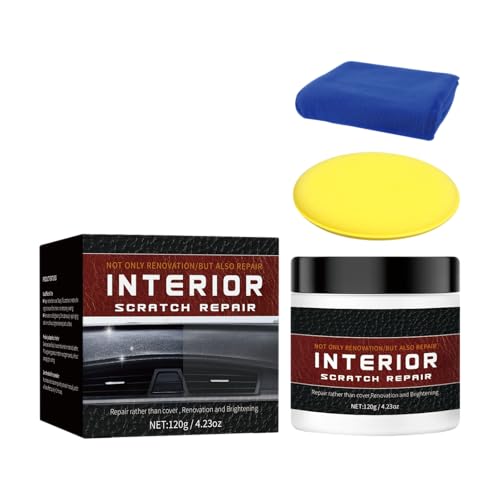
2. Apply a pea-sized amount of a fine plastic polish, such as Meguiar’s PlastX or Novus 2, to a soft foam or microfiber applicator pad.
3. Using light pressure, work the polish into the scratched area with gentle, overlapping circular motions. Let the polish do the work, not the pressure.
4. After 30-45 seconds, wipe away the polish residue with a clean, plush microfiber cloth to reveal the finish.
5. Repeat if necessary for deeper marks, then protect the newly restored finish with a layer of spray-on ceramic coating to prevent future scratches.
| Plastic Type | Primary Challenge | Recommended Method | Key Tool/Product |
|---|---|---|---|
| Textured Matte Plastic | Retaining original texture | Heat Gun Reforming | Heat Gun |
| Hard, Grained Plastic | Deep gouges | Sanding & Refinishing | 800-2000 Grit Sandpaper |
| Glossy Piano Black Trim | Swirls & fine scratches | Micro-Abrasive Polishing | Fine-cut Plastic Polish |
| Soft-Touch Coated Plastic | Peeling or sticky surface | Replacement or specialized coating | Interior Trim Paint |
How Can You Protect Your Car’s Interior Plastic From Future Scratches?
To protect your car’s interior plastic from future scratches, regularly apply a high-quality protectant with UV inhibitors, such as a ceramic coating spray or 303 Aerospace Protectant. After you’ve spent the time repairing scratches, prevention is the next logical step. This involves a combination of applying protective products and adopting mindful habits.
A professional detailer’s best practice is to focus on proactive maintenance. A single application of a modern sealant can make the surface significantly more resistant to abrasion. Here are the most effective ways to keep your interior looking new:
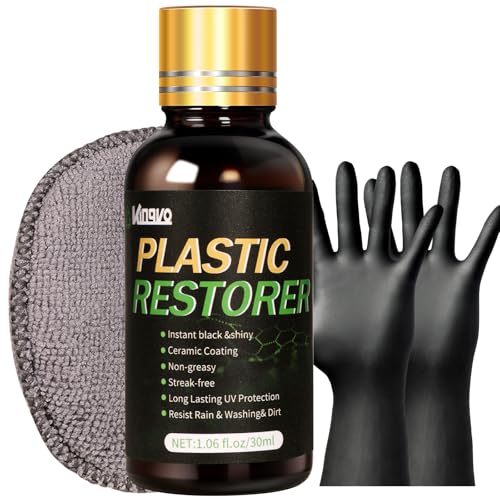
- ✅ Apply a Protective Coating: Modern ceramic or polymer-based interior spray sealants are the best line of defense. They create a hard, slick barrier that resists scratches and contains UV inhibitors, which act like sunscreen for your plastic to prevent fading and cracking. Apply every 3-6 months.
- ✅ Use Proper Cleaning Tools: Never use abrasive paper towels for cleaning. Always use soft, clean microfiber towels to wipe down plastic surfaces. This prevents you from accidentally grinding dust and grit into the finish.
- ✅ Be Mindful of Cargo: The most common cause of scratches is carelessness. Avoid placing hard or sharp objects like keys, bags with metal zippers, or tools on plastic panels.
- ✅ Install Sacrificial Protection: For high-traffic areas like door sills, consider applying clear protective film or installing dedicated door sill protectors to absorb scuffs and impacts.
FAQs About How to Get Rid of Scratches on Plastic Car Interior
Can Magic Eraser remove scratches from a car’s interior?
No, a Magic Eraser should not be used to remove scratches from most car interior plastics. A Magic Eraser is a micro-abrasive foam (melamine) that acts like extremely fine sandpaper. While it can remove scuffs, it does so by removing a layer of the plastic, which will permanently dull the finish of glossy, soft-touch, or textured plastics, making the area look worse.
What is the best commercial car interior scratch remover?
The best scratch remover depends on the plastic type and scratch depth. For light scratches on most plastics, a versatile cleaner and polish like Meguiar’s PlastX or Novus 2 Fine Scratch Remover is a top choice. For restoring faded and lightly scratched black trim, a dye-infused product like Solution Finish Trim Restorer offers excellent, long-lasting results.
Does boiled linseed oil work on plastic car trim?
While some DIY forums suggest it, using boiled linseed oil on car plastic is not recommended. It can make the plastic look dark and shiny temporarily, but it does not cure properly on a non-porous surface. This creates a sticky, oily residue that attracts a significant amount of dust and dirt and can become gummy over time, creating a bigger mess.
How do you fix scratches on textured plastic without ruining the texture?
The heat gun method is the best way to fix scratches on textured plastic. The controlled heat softens the plastic just enough for the scratch to level out, but it also helps the surrounding texture pattern blend back into the repaired area. Avoid sanding, as it will permanently erase the texture, creating a smooth, flat spot.
Can you paint over a scratched plastic car interior?
Yes, you can paint over scratched plastic, but it requires significant preparation. You must first sand the entire panel smooth to remove the scratches and create a uniform surface. Then, you need to apply a special adhesion promoter for plastics, followed by a flexible interior trim paint. It is a labor-intensive process best reserved for heavily damaged panels.
Is Armor All good for scratches?
Armor All is not a scratch remover; it is a silicone-based dressing. It may temporarily hide very fine surface scuffs by making the plastic shiny and dark, but it has no restorative properties. The scratch will reappear as soon as the product wears off. Overuse can also create a slick film that attracts dust.
How do you repair a cracked plastic dashboard?
Repairing a cracked dashboard requires a plastic welding kit or a flexible epoxy/filler. This is an advanced repair. The process involves cleaning the crack, possibly drilling small holes at each end to stop it from spreading, and then either melting a filler rod into the gap with a plastic welder or filling it with a two-part epoxy designed for automotive plastics.
What’s the difference between a plastic restorer and a polish?
A polish uses abrasives to physically remove a thin layer of plastic, smoothing out scratches. A restorer, on the other hand, typically uses dyes, oils, and polymers to penetrate faded, oxidized plastic, re-hydrating it and bringing back its original color. Restorers are best for faded trim with light scratches, while polishes are for fixing deeper marks on smooth surfaces.
Can car wax be used on interior plastic scratches?
Car wax can temporarily fill and hide very minor surface imperfections on interior plastic. Much like Vaseline, the wax fills the tiny gap and makes the surface appear more uniform. However, it is not a durable solution and will wear off quickly. For a more durable fix, a dedicated plastic sealant or coating is a much better option.
How much does professional interior scratch repair cost?
Professional repair costs vary widely but expect to pay between $75 to $200 per panel. The price depends on the vehicle, the severity of the damage, and the type of plastic. Repairing a small scratch on a standard door panel will be cheaper than restoring a large, swirled piano black center console in a luxury vehicle.
Key Takeaways: How to Get Rid of Scratches on Plastic Car Interior Summary
- Always Diagnose First: The success of any repair depends on correctly identifying the scratch. Use your fingernail: if it catches, it’s a deep scratch requiring heat or sanding; if not, it’s a light scratch that may be hidden with polish or conditioners.
- The Heat Gun is for Texture: The heat gun method is the most effective permanent solution for moderate scratches on textured plastic because it reforms the surface without destroying the grain. Safety is critical—use low heat and constant motion.
- Glossy Plastic Requires Polishing: Never use a heat gun or rough abrasives on piano black or other glossy trims. These delicate surfaces must be treated like car paint, using a fine-cut plastic polish and microfiber applicators to remove swirl marks.
- Household Hacks are Temporary: While items like Vaseline or olive oil can temporarily hide minor scuffs on black plastic, they are not permanent fixes. They create an oily film that attracts dust and must be reapplied often.
- Preparation is 50% of the Job: Thoroughly cleaning the plastic with an isopropyl alcohol solution before any repair is non-negotiable. Skipping this step will grind dirt into the plastic and cause the repair to fail.
- Prevention is the Best Cure: After repairing, protect the finish. Regularly apply a quality protectant with UV inhibitors, like a ceramic interior spray or 303 Aerospace Protectant, to prevent future scratches and sun damage.
- Avoid Magic Erasers: Do not use a Magic Eraser on your car’s interior plastic. It is an abrasive that will permanently strip the finish from most surfaces, causing a dull, hazy spot that is worse than the original scratch.
Final Thoughts on How to Get Rid of Scratches on Plastic Car Interior
Restoring your car’s scratched interior plastic is entirely achievable. The key to success lies not in a single magic product, but in correctly diagnosing the damage and applying the right technique for that specific situation. From gently polishing a glossy console to carefully heating a textured door panel, you now have the expert-backed framework to tackle the job with confidence.
By taking a methodical approach and prioritizing preparation and safety, you can permanently erase those frustrating marks and restore the fresh, clean look of your vehicle’s cabin. Now that you understand the methods, which approach will you try first to bring your car’s interior back to life?
Last update on 2026-02-26 / Affiliate links / Images from Amazon Product Advertising API




![How to Get Rid of Dog Odor in Car Complete Guide [year]](https://i0.wp.com/carxplorer.com/wp-content/uploads/2026/02/How-to-Get-Rid-of-Dog-Odor-in-Car-Complete-Guide-year-2.jpg?resize=60%2C60&ssl=1 "How to Get Rid of Dog Odor in Car Complete Guide [year] 8")

