
Discovering mold in your car is frustrating and concerning. That musty smell and the sight of fuzzy spots on your upholstery, carpet, or seat belts are clear signs of a problem that compromises your vehicle’s air quality and value.
To get rid of mold in a car interior, you must first address the moisture source, then physically clean the visible mold using a solution like white vinegar and water. After scrubbing, thoroughly dry the area and use an ozone generator or enzyme cleaner to eliminate lingering spores and musty odors. Finally, implement prevention strategies to stop it from returning.
Based on professional detailing standards and health guidelines, this guide provides a safe, step-by-step process. This car interior mold [a type of biological growth] requires careful handling. You will learn the exact method to eliminate the mold, neutralize the odor, and prevent it from returning for good.
Key Facts
- Health Risks are Real: Inhaling mold spores in a confined space like a car can trigger allergic reactions and respiratory issues, a risk highlighted by CDC guidelines.
- Vinegar is Highly Effective: Studies show that a simple solution of white vinegar and water is effective against approximately 82% of common mold species, making it a powerful DIY tool.
- Professional Costs Vary: The cost for professional car mold remediation can range from $250 to over $1,000, depending on the severity and extent of the mold growth.
- HEPA Filtration is Essential: A HEPA (High-Efficiency Particulate Air) filter is designed to capture 99.97% of airborne particles, including microscopic mold spores, preventing them from being redistributed into the air during vacuuming.
- Moisture is the True Cause: Mold cannot grow without moisture. Industry analysis consistently shows that successful remediation depends on identifying and fixing the underlying water source, not just cleaning the visible spots.
How Do You Get Rid of Mold in Your Car Interior? A Complete 2026 Guide
The complete process to get rid of mold in your car involves four key phases: ensuring your safety with protective gear, physically cleaning the visible mold, thoroughly drying all surfaces, and implementing long-term prevention strategies. Ignoring any of these steps can lead to immediate regrowth and continued exposure to harmful airborne spores. We know how frustrating this can be, but following these exact steps will restore your car’s interior safely and effectively.
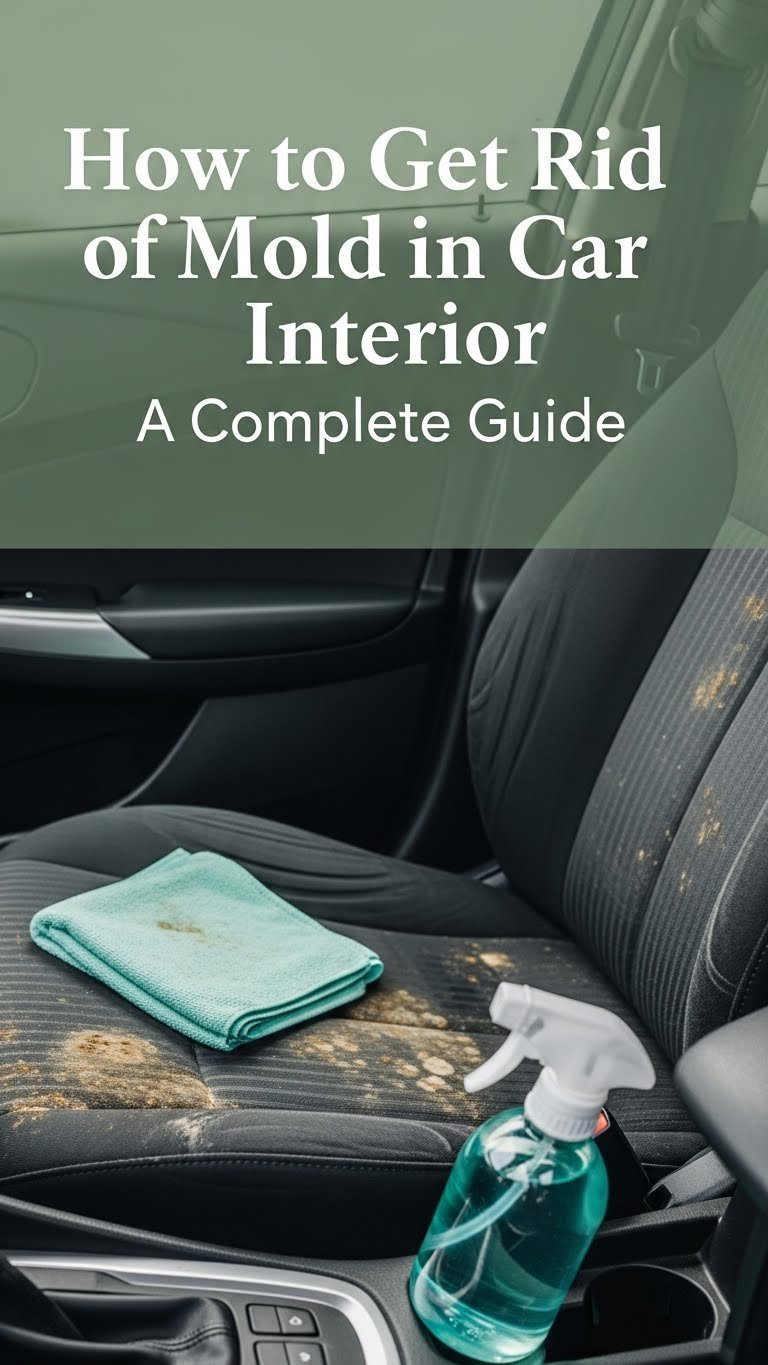
The musty smell is caused by microbial volatile organic compounds (MVOCs), which are gases released by the mold. This isn’t just an unpleasant odor; it’s a sign of active biological growth. Before you begin cleaning, you must understand that the process is about more than just scrubbing what you can see. It’s about eliminating the entire fungal colony, including the invisible spores and the moisture that feeds them.
Critical Safety Warning: Mold can release mycotoxins and spores that are harmful when inhaled. According to health organizations like the CDC, exposure can cause respiratory issues, allergic reactions, and other health problems. Never attempt to clean mold without proper personal protective equipment (PPE).
This guide is designed to walk you through the same process a professional detailer would use. We’ll cover everything from identifying the moisture source to choosing the right cleaning agents that won’t damage your car’s interior. By tackling the visible mold, the airborne spores, and the root cause, you can ensure a permanent solution.
What Are The Essential Safety Precautions for Car Mold Removal?
Before you even touch a cleaning brush, you must prioritize your health by gathering and wearing the correct Personal Protective Equipment (PPE). This is the most critical step and is non-negotiable for preventing the inhalation of harmful mold spores. From our years of experience in automotive detailing, we’ve seen firsthand the health risks that arise from improper handling.
For complete car mold removal safety, you need:
- ✅ An N95 or P100 Respirator: This is essential to block microscopic, airborne spores from entering your lungs.
- ✅ Nitrile Gloves: These chemical-resistant gloves protect your hands from direct contact with mold and cleaning solutions.
- ✅ Safety Goggles: Full-seal goggles are necessary to shield your eyes from stray spores and chemical splashes.
- ✅ A Well-Ventilated Area: Always work outdoors with all car doors and windows open. Using a fan to create cross-ventilation helps disperse spores and fumes.
Expert Warning: A simple cloth or paper dust mask is not sufficient protection. Mold spores are tiny and can easily pass through these materials. An N95 respirator is specifically designed to filter out at least 95% of airborne particles, making it the minimum standard for safety.
Think of the N95 respirator as a filter fine enough to catch microscopic dust that could otherwise settle in your respiratory system. Handling mold without this protection exposes you to potential health issues. Your safety always comes first.
What Are the Steps to Clean Mold from Your Car’s Interior?
To effectively clean car mold, you will systematically prepare your supplies, vacuum loose spores with a HEPA-filtered vacuum, scrub the affected areas with a vinegar solution, and finally, dry and deodorize the interior completely. This methodical approach ensures you not only remove the visible fungus but also address the microscopic spores to prevent regrowth.
Step 1: How Do You Prepare and Gather Your Supplies?
To ensure a smooth and uninterrupted workflow, gather all your safety gear, cleaning tools, and solutions before you begin. Based on countless real-world cleanups, having everything within arm’s reach is crucial. You don’t want to stop mid-process to find another towel.
Safety Gear
* N95 or P100 Respirator
* Nitrile Gloves
* Safety Goggles
Cleaning Tools
* A shop vacuum with a HEPA filter
* Several clean microfiber cloths
* A soft-bristle brush (an upholstery brush or toothbrush works well)
* A spray bottle
Cleaning Solutions
* Distilled white vinegar
* Water (preferably distilled to avoid mineral spots)
* A trash bag for disposing of used towels
Step 2: How Do You Vacuum and Physically Remove Loose Mold?
Using a vacuum equipped with a HEPA filter, slowly and carefully go over all moldy areas to trap the microscopic spores instead of exhausting them back into the car’s air. This first cleaning pass removes the bulk of the loose, surface-level mold before you introduce any liquids.
Go over each affected area 2-3 times with the vacuum’s brush attachment. Pay close attention to seams, crevices, and the area under the seats. The goal is to remove as much dry material as possible.
Warning: Do not use a standard household vacuum or a shop vac without a HEPA filter. These machines will capture the larger debris but will exhaust the tiny, invisible mold spores back into your workspace and the air you breathe, making the contamination worse.
Step 3: How Do You Apply and Scrub with a Cleaning Solution?
Spray a 1-to-1 solution of white vinegar and water onto the moldy areas, let it sit for 5 to 10 minutes to kill the spores, then gently scrub the surface in small circles with a soft-bristle brush. The acetic acid in the vinegar is a natural biocide that neutralizes many common types of mold.
Here is the exact sequence:
1. Mix: Combine a 50/50 solution of white vinegar and water in your spray bottle.
2. Spray: Lightly mist the affected areas. Avoid oversaturating the fabric, as excess moisture can promote new growth in the foam padding underneath.
3. Dwell: Let the solution sit for 5-10 minutes. This gives the acetic acid time to penetrate and kill the mold hyphae (the root structures).
4. Scrub: Gently agitate the area with your soft-bristle brush to dislodge the mold from the fibers. For tight seams, a toothbrush is an excellent tool.
5. Wipe: Blot the area with a clean, dry microfiber cloth to absorb the solution and the loosened mold residue.
Pro Tip: Always perform a “patch test” by spraying the cleaning solution on a small, hidden area of your interior first (like under a seat or on the underside of a floor mat) to ensure it doesn’t cause any discoloration.
Step 4: How Do You Thoroughly Dry and Deodorize the Interior?
To prevent mold from returning, the car’s interior must be completely dried using fans, a dehumidifier, or direct sunlight with the windows open. To permanently eliminate the musty odor, you should then use an ozone generator for 1-2 hours in the sealed, unoccupied car. This final step is critical for long-term success.
Drying Methods
- Active Airflow: Place one or more fans inside the car, pointing them at the damp areas. Leave the windows cracked to allow moist air to escape.
- Dehumidifier: For the most thorough drying, place a portable dehumidifier inside the car, close the doors and windows, and run it for at least 8-12 hours or overnight.
- Sunlight: On a warm, sunny, and low-humidity day, parking the car in direct sunlight with the windows open can help dry out the interior.
Deodorizing Methods
The musty smell often lingers even after the mold is gone. This requires a separate deodorizing step.

- Ozone Generator: This is the professional’s choice. An ozone machine creates O3 molecules that oxidize and destroy odor-causing MVOCs at a molecular level.
- Enzyme Cleaner: These products use beneficial bacteria to digest the organic matter causing the odors.
- Activated Charcoal/Baking Soda: These are less powerful but can help absorb lingering odors in a sealed car over several days.
Ozone Safety Warning: Ozone generators are extremely effective but must be used with caution. Run the machine in a sealed, unoccupied vehicle. After the treatment, open all doors and let the car air out for at least an hour before entering. Concentrated ozone is harmful to breathe.
How Do You Prevent Mold From Returning in Your Car?
The best ways to prevent car mold are to find and fix all water leaks, control interior humidity with a desiccant dehumidifier, and maintain your car’s HVAC system by replacing the cabin air filter annually. Proactive prevention is the only way to ensure your hard work cleaning the mold isn’t wasted.
Control Moisture
- Use a Dehumidifier: Place a reusable desiccant dehumidifier pack (often filled with silica gel) on your dashboard or under a seat. These absorb ambient moisture.
- Avoid Wet Items: Do not leave wet umbrellas, gym clothes, or towels inside the car.
- Run the AC: Your car’s air conditioner is a natural dehumidifier. Run it periodically, even on cooler days, to pull moisture out of the cabin air.
Find and Fix Leaks
This is the most critical part of prevention. A persistent mold problem is almost always caused by a water leak.
* Sunroof Drains: Pour a small cup of water into the corners of your sunroof track. The water should drain quickly and exit from under the car. If it pools or leaks into the headliner, the drain tubes are clogged.
* Window and Door Seals: Use the “dollar bill test.” Close a door or window on a dollar bill. If you can pull the bill out with no resistance, the seal is worn and needs to be replaced.
* AC Evaporator Drain: The tube that lets water from your air conditioner drip out under the car can get clogged. If your passenger-side floorboard is wet, this is a likely culprit.
* Windshield and Trunk Seals: Check for cracked, brittle, or shrinking rubber seals around the windshield and trunk lid.
Maintain Your HVAC System
- Replace the Cabin Air Filter: A damp, clogged cabin air filter is a prime breeding ground for mold. It will pump spores directly into your car every time you turn on the fan. Replace it at least once a year or per your manufacturer’s recommendation.
FAQs About how to get rid of mold in car interior
Is mold in a car dangerous to your health?
Yes, mold in a car can be dangerous, especially for individuals with allergies, asthma, or compromised immune systems. Inhaling mold spores in a confined space can trigger allergic reactions, respiratory issues, and other health problems. Toxic black mold can release mycotoxins, posing a more serious risk. It’s crucial to address any car mold promptly and with proper safety gear.
Will vinegar kill all types of mold in a car?
White vinegar is effective against approximately 82% of mold species due to its acetic acid content. For most common household and automotive molds, a 50/50 solution of vinegar and water is a safe and effective DIY remover. However, for severe or persistent infestations, a commercial-grade biocide or professional remediation may be necessary to ensure complete eradication.
Can I use bleach to clean mold on car seats?
It is not recommended to use bleach on most car interior surfaces, including seats, carpets, and plastics. Bleach is a harsh chemical that can discolor fabric, weaken fibers, and damage leather and vinyl. Furthermore, its fumes are toxic in a confined space. Safer alternatives like white vinegar or specialized automotive interior cleaners should be used instead.
How much does it cost to have mold professionally removed from a car?
Professional car mold remediation typically costs between $250 and $1,000, depending on the severity of the infestation. A light surface mold cleaning might be on the lower end, while a full interior decontamination for a flood-damaged vehicle could exceed $1,000. The price reflects the labor, specialized equipment (like ozone machines), and chemicals required.
How do I get the musty mold smell out of my car’s AC system?
To remove a moldy smell from your car’s AC, start by replacing the cabin air filter. Then, use an AC system disinfectant spray, which is injected into the exterior air intake vents while the fan is running. This process kills mold and bacteria growing on the evaporator coil, which is a common source of musty odors.
What is the difference between mold and mildew?
Mildew is a specific type of mold characterized by a flat, powdery or downy growth, often appearing white or gray. Mold is a broader term for various fungi that can be fuzzy or slimy and appear in many colors (black, green, orange). Essentially, all mildew is mold, but not all mold is mildew. Both are fungi that thrive in moist environments.
How long does an ozone treatment take to kill car mold?
A typical ozone treatment for a car takes between 30 minutes to 2 hours, followed by at least another hour of airing out. The machine must run in a sealed, unoccupied vehicle to allow the ozone (O3) to penetrate all surfaces and neutralize mold spores and odors. It’s critical to ventilate the car thoroughly afterward, as concentrated ozone is harmful to breathe.
Can I just use a steam cleaner to remove car mold?
A steam cleaner can be effective for killing mold on hard surfaces, but it can be risky on porous materials like fabric seats and carpets. The high heat kills mold, but it also injects a significant amount of moisture. If not extracted and dried almost immediately, this excess moisture can soak into the foam padding and actually worsen the mold problem long-term.
How do I clean mold off car seat belts?
To clean mold from seat belts, fully extend the belt and secure it with a clip. Spray it with a 50/50 white vinegar and water solution and scrub gently with a soft brush. Be careful not to oversaturate the fabric. Wipe it down with a damp microfiber cloth and then let it air dry completely before allowing it to retract.
Does car insurance cover mold removal?
Whether car insurance covers mold removal depends on the cause. If the mold is a direct result of a covered peril, like water damage from a storm or a broken sunroof fixed under your comprehensive policy, the subsequent mold removal may be covered. However, if the mold is due to neglect, wear and tear (like a leaky seal), or high humidity, it is typically not covered.
Key Takeaways: How to Get Rid of Mold in Car Interior Summary
- Safety is Non-Negotiable: Always wear an N95 respirator, gloves, and goggles before starting. Mold spores are a serious respiratory hazard, and proper PPE is essential to protect your health.
- Vinegar is Your Go-To DIY Cleaner: A 50/50 solution of white vinegar and water is the safest and most effective initial approach for killing most mold on car interior surfaces without causing damage like bleach would.
- The Root Cause is Always Moisture: Simply cleaning the mold is not enough. You must find and fix the source of the moisture—whether it’s a water leak, high humidity, or a spill—to prevent the mold from returning.
- A HEPA Vacuum is Crucial: Do not use a regular vacuum. A HEPA-filter vacuum is required to trap microscopic mold spores during the initial cleanup, preventing them from being spread throughout the car’s air.
- Drying is as Important as Cleaning: Mold cannot grow without moisture. After cleaning, the interior must be dried completely using fans, a dehumidifier, or sunlight. Any residual dampness will lead to immediate regrowth.
- Odor Removal Requires a Separate Step: The musty smell is caused by gases (MVOCs) released by mold. This odor is best eliminated after cleaning by using an ozone generator or an enzyme-based cleaner designed to neutralize these compounds.
- Prevention is an Ongoing Process: Regularly check for leaks, use a car dehumidifier in damp climates, and replace your cabin air filter annually. Proactive maintenance is the key to keeping your car mold-free for good.
Final Thoughts on Restoring Your Car’s Interior
Successfully removing mold from your car interior is about being methodical, safe, and thorough. By following the steps outlined here, you have moved beyond a simple surface-level clean and have performed a proper remediation. You’ve addressed not just the visible symptoms but the entire ecosystem that allows mold to thrive: the spores, the odor, and most importantly, the moisture.
Remember that the final and most crucial phase is prevention. By adopting a few simple maintenance habits—like checking for leaks and controlling humidity—you are taking control of your vehicle’s environment. You’ve now equipped yourself with the knowledge to not only fix the current problem but to ensure a clean, healthy, and mold-free car for the long term.
Last update on 2026-01-02 / Affiliate links / Images from Amazon Product Advertising API


