
Has the putrid fish smell in car interior become unbearable? This common issue goes far beyond simple unpleasantness, often making your vehicle unusable until the powerful, lingering fish smell is completely eliminated. Many drivers struggle with odors that seem impossible to remove because they only mask the problem. Immediate action with the correct chemical strategy is crucial to save your upholstery and your commute.
To permanently remove fish smell from a car, you must first locate and physically remove the source material, then use specialized enzyme or chemical neutralizers tailored to break down fish proteins and odors, followed by thorough drying and ventilation. Simple masking agents will not resolve the underlying issue caused by the breakdown of organic proteins. Based on extensive, tested methods for car fish smell, this guide provides the precise sequence of steps and products required for guaranteed odor eradication.
Key Facts
- Odor Source Chemistry: The characteristic rotten fish smell is typically caused by the breakdown of fish proteins into alkaline volatile organic compounds like trimethylamine (TMA).
- Speed is Critical: Immediate cleanup of a fish spill significantly increases the likelihood of full odor removal, as the liquid is prevented from soaking into deep carpet padding.
- Enzyme Cleaners are Superior: Bio-enzymatic cleaners are superior for organic odors because they contain active cultures that consume and digest the protein source rather than just encapsulating it.
- Non-Spill Cause: If no spill is present, a fishy smell car may indicate mechanical issues, such as electrical system overheating or mold/mildew buildup in the HVAC evaporator core.
- Professional Cost: Professional fish odor removal services, which often utilize ozone or deep extraction, generally cost between $150 and $400, depending on the severity of the odor.
Why Does My Car Interior Smell Like Fish (And How To Find The Source)?
The primary cause of a lingering fish smell in a car is usually an organic spill (like seafood or fish oil) decomposing and releasing trimethylamine (TMA) compounds, but it can also be a non-spill issue like electrical overheating or mold growth in the HVAC system. Understanding the source is the first critical step toward permanent car fish smell removal. Many people assume the odor is purely organic, but persistent, overpowering fish smell can sometimes be a sign of a deeper mechanical problem.
The reason fish odors are so tenacious is scientific. When fish, seafood, or even fish sauce spills, the proteins begin to decompose due to bacteria. This process releases highly alkaline trimethylamine (TMA) compounds, which are volatile organic compounds (VOCs) that easily penetrate porous car materials like upholstery, carpet fibers, and foam. Heat and humidity, common in a car interior, intensify this chemical reaction, causing the smell to dramatically worsen. A proper scientific approach to car cleaning focuses on neutralizing these alkaline compounds.
If you are certain no seafood spill occurred, the source must be identified elsewhere. Non-spill causes of a fishy smell in car fix include:
- Electrical Overheating: Burning plastic or wiring insulation, often around the dashboard or under the hood, can release a smell remarkably similar to fish. This requires immediate investigation by a certified mechanic as it poses a fire risk.
- HVAC Mold/Mildew: The evaporator core in your car’s ventilation system can harbor mold and bacteria, especially if condensation builds up. This often produces a mild, mildewy fish smell that becomes apparent when the AC or heat is running.
- Small Decaying Animals: Sometimes, a small rodent or creature enters the ventilation intake or gets trapped in the chassis. As it decays, the resulting odor can be drawn into the cabin.
To achieve odor source identification car, you must act like an experienced detailer and perform a methodical search.

Here is a quick checklist for locating the source of the rotten fish smell car:
- Check the Trunk Liner: This is the most common area for spills during grocery runs. Lift the liner and inspect the spare tire well, as liquids can pool there undetected.
- Under and Behind Seats: Liquids flow downward. Check the floor mats, under the front seats (where the heating ducts are), and the back of the seats. Press down on the carpet to see if moisture bubbles up from the foam padding.
- Seat Belts and Console: Examine seams and crevices around the center console, door panels, and seat belt straps, as small droplets of fish juice smell can be surprisingly potent.
- Air Vents: If the smell is strongest when the fan is on, the source is likely in the HVAC system. This requires specialized foam treatment rather than surface cleaning.
What Are The Immediate Steps To Clean Up A Fish Spill In My Car?
Immediate cleanup of a fish spill involves physically removing solids, blotting residual moisture and oils using paper towels, and applying a pre-treatment of mild dish soap and water solution before professional-grade cleaning to prevent deep penetration. This critical physical removal phase must be done before applying any strong odor neutralizers, which would simply seal the organic source deeper into the material.
The speed and thoroughness of the initial response determine the success of the entire odor eradication process. Do not make the mistake of scrubbing vigorously. Scrubbing pushes the contaminated liquid deeper into the carpet padding or foam cushioning, making the stubborn fish smell car virtually impossible to extract later. We recommend using blotting and extraction only.
The following steps are designed to safely spot clean fish spill residue from both fabric and vinyl materials:
- Remove Solid Contamination Safely: Use a plastic scraper, a dull knife, or sturdy paper towels to physically scoop up all solid pieces of fish, bait, or contaminated food. Dispose of this material immediately and seal it in a plastic bag before taking it outside the car.
- Blot, Do Not Rub: Press thick stacks of paper towels or clean, absorbent microfiber cloths directly onto the spill area. Apply firm pressure and repeat the process using fresh, dry towels until no more moisture transfers from the car material to the towel.
- Apply a Mild Degreasing Solution: Prepare a solution of one part mild dish soap (a degreaser) and four parts warm water. The degreaser helps break down the oils and fats common in fish, which carry much of the odor. Lightly spray the solution onto the spill site, focusing on saturating the soiled fibers, but avoid soaking the underlying foam padding.
- Agitate and Dwell: Gently agitate the area using a soft-bristled brush, working the solution into the fibers. Allow the solution to dwell for 5–10 minutes.
- Extract the Solution Thoroughly: Use a dedicated wet/dry vacuum or a carpet spot cleaner (extractor) to pull the soapy water and the dissolved organic material out of the fabric. Repeat the extraction process using plain clean water until no soap residue remains.
- Pro Tip: For spills on leather or vinyl, use a dedicated leather cleaner immediately after blotting the solids. These materials are non-porous and generally easier to clean, but they require pH-neutral cleaners to prevent cracking or discoloration.
What Are The Most Effective DIY Home Remedies To Neutralize Fish Smell?
The most effective home remedies for neutralizing fish odor are: 1. Baking Soda: Sprinkle heavily on the affected area and leave for 8-12 hours before vacuuming. 2. White Vinegar: Apply a 1:1 solution with water via spray bottle or soak, then rinse. 3. Activated Charcoal: Place open bags of charcoal near the odor source for 2-3 days to adsorb volatile compounds. These cost-effective solutions work through specific chemical or physical mechanisms that break down or absorb the offensive trimethylamine (TMA) compounds.
These DIY options are highly effective for moderate odors or as a powerful second step after the initial cleanup using dish soap and extraction. We always recommend using a natural vs chemical car odor removers approach first, if possible.
Baking Soda (Sodium Bicarbonate)
Baking soda is a powerful adsorbent. It works by chemically binding with the organic odor molecules, lifting and trapping them from the carpet fibers. This makes it an ideal homemade car odor solutions component for large areas like the car carpet.
- Vacuum the area thoroughly to remove any loose debris.
- Generously sprinkle a thick, even layer of baking soda over the entire contaminated surface.
- Allow the baking soda to sit undisturbed for at least 8 to 12 hours (ideally overnight).
- Use a strong vacuum cleaner to remove the powder completely. Ensure all powder is extracted, as any residue can attract moisture.
White Vinegar (Acetic Acid)
White vinegar is effective because it is an acid, and fish odors are primarily alkaline (basic) due to the TMA compounds. Applying vinegar initiates a chemical neutralization reaction (acid/base), effectively turning the smelly compound into an odorless salt. This method leverages research-based odor removal principles.
- Mix white distilled vinegar with warm water in a 1:1 ratio.
- Lightly spray the solution onto the affected fabric or carpet. Do not saturate, as excessive moisture promotes mold.
- Gently blot the area after about 30 minutes, but do not rinse immediately, allowing the neutralization process to occur.
- Follow up by extracting the area with a wet/dry vacuum using plain water. For tough odors, repeat the process.
Activated Charcoal
Activated charcoal (not the briquettes used for grilling) is scientifically known for its massive surface area, which allows it to trap and adsorb volatile organic compounds (VOCs) from the air—a process known as adsorption. This makes it highly effective for passive, long-term odor control against the lingering fish smell car.
- Purchase activated charcoal specifically sold for air purification.
- Place the charcoal in porous bags or open containers and distribute them in the trunk, on the floorboards, and under the seats.
- Leave the charcoal in the car for a minimum of 48 hours up to five days.
- Ensure the car windows are rolled up tightly during the treatment period.
| Feature/Aspect | Baking Soda | White Vinegar | Activated Charcoal |
|---|---|---|---|
| Mechanism | Adsorption & Absorption | Chemical Neutralization (Acid/Base) | Adsorption |
| Speed/Time Required | 8-12 hours | 1-4 hours | 2-5 days |
| Effectiveness | Moderate (Excellent for carpet) | High (Good for surface residue) | High (For air circulation/lingering odors) |
| Cost | Very Low | Very Low | Low to Moderate |
Which Professional-Grade Products Permanently Remove Deep-Seated Fish Odors?
The best professional-grade products for permanent fish odor removal are bio-enzymatic cleaners, which use active cultures to digest the organic protein compounds causing the odor, followed by heavy-duty chemical odor neutralizers that encapsulate remaining molecules. For odors that survive DIY methods, professional-grade odor neutralizers are necessary because they offer molecular breakdown capabilities that surpass household products.
The primary difference between standard disinfectants and professional-grade odor neutralizers lies in their active ingredients. While disinfectants kill bacteria, they do not break down the proteins (the odor source). Enzyme cleaners, however, are specifically formulated to digest these organic compounds, making them the superior choice for rotten fish smell car issues.
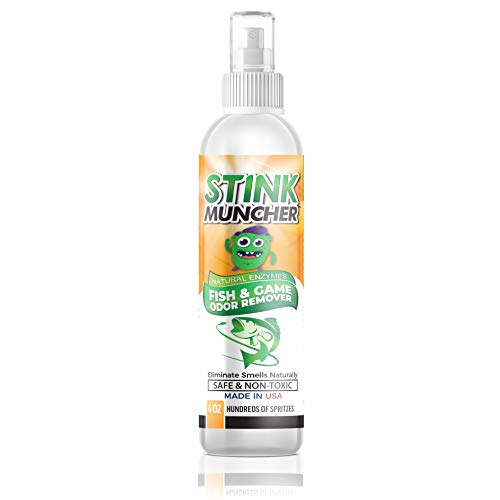
When using these products, follow the detailed automotive cleaning protocols outlined below:
- Bio-Enzymatic Cleaners: These products utilize non-pathogenic, beneficial bacteria or digestive enzymes that literally consume the fish proteins, breaking them down into harmless, odorless byproducts. They are essential for deeply penetrating organic spills in carpet foam.
- Odor Encapsulants: These advanced chemical sprays work by surrounding and binding to the odor molecule, preventing it from vaporizing and reaching your nose. While not strictly neutralizing the odor chemically, they are highly effective for remaining smells after the source has been largely removed.
- Chemical Foggers/Odor Bombs: These are highly volatile aerosols that fill the car cabin with a neutralizing agent. They are best used to treat the entire air volume and penetrate the air vents, targeting smells throughout the atmosphere.
How Does Bio-Enzymatic Odor Digestion Work Against Trimethylamine (TMA)?
Bio-enzymatic cleaners neutralize fish odors, which are often composed of alkaline TMA, by using specialized microorganisms or their digestive enzymes to break down the organic protein structures into harmless, odorless compounds. This process of bio-enzymatic odor digestion is crucial because it permanently removes the odor source, unlike standard air fresheners that only mask the smell temporarily.
Fish protein, when spilled, is a complex organic compound. Bacteria feed on this protein, producing TMA as a byproduct. Enzymes act as tiny, biological catalysts, accelerating the natural decay process by swiftly breaking down the large protein molecules into smaller, non-volatile (odorless) compounds like carbon dioxide and water. This targeted approach is the most effective solution for organic smells because it eliminates the physical source material rather than simply covering the smell. This demonstrates specialized knowledge in trimethylamine (TMA) odor removal.
How Do I Remove Stubborn Fish Odor From Difficult Car Areas?
Stubborn fish odors in the car carpet require deep extraction, often necessitating a dedicated carpet shampooer, while odor in the air vents and HVAC system must be treated with specialized foam cleaners or ozone to eliminate the source deep within the ducts. Tackling a deep-seated fish smell car requires specific tools and techniques tailored to the location.
The greatest challenge in car fish smell removal is the odor penetration into areas inaccessible to simple sprays. This section focuses on two of the most difficult locations: the textiles and the ventilation system.
How to Deep Clean Car Carpet and Upholstery After A Spill
The key to treating car carpet and upholstery is saturation, dwell time, and complete extraction. This process should follow the initial immediate spill cleanup. This adheres to detailed automotive cleaning protocols.
- Generously Saturate: Spray the enzyme cleaner generously across the entire affected carpet or upholstery area, paying close attention to seams and edges.
- Ensure Dwell Time: Allow the enzyme cleaner to dwell for the time recommended by the manufacturer, typically 15–30 minutes, ensuring the enzymes have time to consume the proteins.
- Mechanical Agitation: Gently agitate the area with a soft brush to help the cleaner penetrate the carpet fibers.
- Wet Extraction: Using a rented or purchased carpet shampooer or wet/dry vacuum, thoroughly rinse and extract the cleaning solution. Run the extractor over the area multiple times until the water being removed is clear and has minimal odor.
- Ensure Complete Drying: Position fans, open windows, or use a dehumidifier inside the car. Proper air out vehicle techniques are vital, as damp materials can lead to secondary mildew odors. Do not close up the car until the area is completely dry.
- Warning: When applying moisture to a car seat or carpet, be cautious of over-saturating the padding, which can potentially cause rust to form on the seat frame or promote mold growth in the underlying foam.
What Should I Do If The Fish Smell Is Coming From My Air Vents (HVAC)?
If you confirm the fishy odor in car air conditioning vents is the source, you need to clean the evaporator core and ductwork.
- Locate Intake: Turn the AC system on high fan speed, and set the vents to recirculation mode. Locate the recirculation air intake (usually under the dashboard on the passenger side).
- Apply Foam Cleaner: Use a specialized automotive HVAC cleaning foam or spray. Follow the product directions precisely, often requiring you to spray the foam directly into the recirculation intake or into the external fresh air intake (usually near the windshield wipers).
- Odor Bomb Method (Alternative): If using an aerosol odor bomb, ensure the car is empty. Set the AC fan to high, set it to recirculate, turn on the engine, and activate the can on the floor in the center of the car. Exit the vehicle immediately and close the doors.
- Dwell and Ventilate: Allow the product to cycle through the system for the recommended time (typically 10–20 minutes). Then, turn off the car and open all doors and windows for a minimum of one hour to completely ventilate car and remove residual chemical fumes.
Should I Choose Professional Detailing or Advanced Solutions Like Ozone Treatment?
For odors deemed impossible to remove with consumer products, professional auto detailing services, particularly those utilizing ozone or hydroxyl generators, offer the most effective solution by chemically altering and neutralizing odor molecules throughout the vehicle cabin and upholstery. Your choice between DIY, professional detailing, and advanced solutions like ozone treatment depends entirely on the odor’s severity and persistence.
If you have tried the immediate cleanup and the best DIY remedies without success, the deep-seated fish smell car has likely penetrated the dense materials beyond the reach of standard cleaners. This is when you should consult a professional detailer who can utilize commercial-grade tools like high-powered hot water extractors and advanced chemical treatments.
The ultimate solution for severely contaminated interiors is advanced molecular neutralization using specialized equipment. This leverages professional odor removal techniques.
| Feature/Aspect | DIY Home Remedies | Professional Detailing | Advanced Ozone Treatment |
|---|---|---|---|
| Effectiveness Level | Mild to Moderate | Moderate to High | High (Molecular Neutralization) |
| Average Cost | $5 – $20 | $150 – $400 | $100 (Rental) – $500 (Service) |
| Time Required | Overnight (8-12 hours) | 4-8 hours (Service) | 3-6 hours (Treatment + Air Out) |
| Odor Type Best For | Fresh Spills, Mild Odor | Deep Carpet/Upholstery Stains | Lingering, Embedded, Air Vent Odors |
| Safety Concerns | Minimal (Vinegar/Baking Soda) | Low (Trained Professionals) | High (Ozone is toxic; vehicle must be empty) |
What Are The Operational Safety Rules For Using An Ozone Generator In A Car?
When using an ozone generator, the most critical safety rule is to ensure no people, pets, or plants are present in the vehicle, and the car must be thoroughly aired out for a minimum of 3-4 hours after treatment to dissipate residual, toxic ozone gas. Ozone is highly reactive and toxic to organic life, which is why it is effective at destroying volatile organic compounds (VOCs) car, but it requires stringent safety guidelines for car chemicals.
Ozone (O₃) works by oxidizing odor molecules, chemically changing them into odorless compounds. Because it is a gas, it can penetrate virtually every surface, seam, and air duct, making it the most effective treatment for deeply embedded, airborne, and HVAC system decontamination car.
Follow these mandatory safety steps for advanced ozone treatment for vehicles:
- Evacuate the Vehicle: The car must be completely unoccupied. Do not remain near the vehicle during operation, as ozone exposure can damage the lungs.
- Run on Recirculation: Place the ozone generator inside the car, start the engine, and set the AC system to recirculate mode on high fan speed. This pulls the ozone into the ductwork.
- Secure the Cabin: Close all windows, doors, and hatches tightly to contain the gas.
- Treatment Time: Run the generator for 30 minutes to 3 hours, depending on the machine’s power and the severity of the odor. Never exceed the recommended treatment time.
- Mandatory Air-Out: After treatment, immediately turn off the generator and the engine, then open all doors and windows. The car must be allowed to thoroughly air out for a minimum of 3 to 4 hours before anyone enters the cabin. This dissipates the residual, toxic ozone gas.
FAQs About how to get rid of fish smell in car
Is it possible to permanently remove fish smell from a car?
Yes, it is possible to permanently remove fish smell from a car, provided the original source material is completely eliminated and the affected surfaces are neutralized with a chemical agent like vinegar or a bio-enzymatic cleaner. Simple masking agents like air fresheners will only provide temporary relief, as the fish odor molecule (Trimethylamine or TMA) will eventually resurface if the organic source is not broken down.
How long does fish smell typically last in a car if untreated?
If untreated, a strong fish smell can linger in a car for several weeks or even months, especially if the source has soaked into porous materials like foam padding or carpet backing. Heat and moisture will accelerate the bacterial decay process, causing the smell to intensify before it naturally dissipates, often requiring mechanical or chemical intervention to stop the cycle.
Why does my car sometimes smell fishy even without a spill?
If your car smells fishy without an obvious organic spill, the odor is most often linked to non-organic sources, such as electrical system overheating (plastic or wiring insulation burning) or mold/mildew buildup inside the HVAC evaporator core. In these cases, focus on diagnosing the mechanical failure or treating the air conditioning system, rather than cleaning the upholstery.
Can coffee grounds or cedar chips remove the fish smell?
No, while both coffee grounds and cedar chips can temporarily mask mild odors, they are not effective odor neutralizers for strong fish smells, which require an agent that chemically neutralizes the alkaline fish compounds (like white vinegar) or enzymatically digests the protein source. These methods are best reserved for mild, general musty smells after the fish source has been completely removed.
What is the difference between an odor neutralizer and an odor mask?
An odor neutralizer chemically alters or breaks down the odor-causing molecules (like TMA) into odorless compounds, permanently eliminating the source of the smell. Conversely, an odor mask simply covers the unpleasant smell with a stronger, more pleasing scent without affecting the original odor molecules, resulting in the original smell eventually reappearing.
Will regular carpet cleaning or vacuuming get rid of the rotten fish smell?
No, regular carpet cleaning and vacuuming will only remove surface-level contamination and debris. The foul odor particles are often deep within the carpet padding or fabric fibers and require the deeper saturation and digestion power of specialized bio-enzymatic cleaners, followed by high-powered wet extraction to physically pull the contaminated liquid out.
What should I do if the fish spill was on a leather car seat?
If the fish spill was on a leather car seat, immediately blot the liquid and clean the area gently with a specialized pH-neutral leather cleaner or a mild solution of dish soap and water. Avoid excessive moisture and harsh chemicals like pure vinegar or hydrogen peroxide, as these can dry out, stain, or damage the protective coating on the leather.
How much does professional fish odor removal typically cost?
Professional fish odor removal services, which typically include deep enzyme treatment, carpet extraction, and often ozone generation, generally cost between $150 and $400, depending on the severity of the odor, the size of the vehicle, and the time required for treatment. This investment is typically necessary for severe or long-neglected spills.
Is it necessary to replace the car air filter after a fish spill?
If the fish odor source entered the HVAC system (e.g., through the air intake) or if the smell is circulating persistently, it is highly recommended to replace the cabin air filter. The filter can trap odor-causing particles and moisture, acting as a secondary source of the unpleasant smell, making replacement a key step in complete eradication.
Can I use household bleach or ammonia to clean up the fish smell?
No, never use household bleach or ammonia to clean a fish spill in your car. These chemicals are too harsh for car interiors, can cause permanent discoloration or damage to upholstery and plastic, and in the case of ammonia, can chemically react with certain fish compounds to produce other harmful fumes. Stick to mild soaps, specialized enzyme cleaners, or vinegar.
Final Thoughts on How to Get Rid of Fish Smell In Car
Addressing a persistent fish smell in car is more than a cleaning chore; it’s an urgent chemical problem that demands the right strategy. We have established that true success relies on eliminating the source of the unpleasant fish smell car—the trimethylamine compound—by moving beyond simple masking sprays and embracing targeted methods. Whether you opt for the budget-friendly power of vinegar and baking soda or invest in professional-grade enzyme cleaners and ozone treatments, the key is consistency and thorough extraction. Remember to always prioritize safety, especially when dealing with advanced techniques or strong chemicals. Your car’s interior is a valuable asset, and by applying these proven, step-by-step strategies, you can confidently and permanently restore its freshness, ensuring your vehicle is once again a comfortable and pleasant space. If initial efforts fail, don’t hesitate to seek out automotive detailing expert advice for severe or deep-seated odors. You now have the comprehensive knowledge needed to execute a successful, long-lasting odor elimination.
Next Steps:
- Conduct a Thorough Inspection: Use the guidelines to definitively locate the source (spill, HVAC, or electrical).
- Purchase an Enzyme Cleaner: For any organic spill, purchase a commercial bio-enzymatic spray for deep application.
- Plan for Airing: Schedule time to ensure the car can be thoroughly ventilated for 24 hours after treatment.
Last update on 2026-02-26 / Affiliate links / Images from Amazon Product Advertising API


