
Wondering how to get rid of dog odor in your car for good? You’re not alone; that persistent “wet dog” smell is a common frustration for pet owners. It clings to every surface, making your drive less enjoyable.
To effectively get rid of dog odor in a car, you must first remove its source by thoroughly vacuuming all hair and dander. Next, deep clean the upholstery and carpets with a cleaning solution that neutralizes odors, like an enzymatic cleaner. Finally, absorb any lingering smells and take steps to prevent them from returning.
Based on hands-on experience and validated cleaning methods, this guide provides a proven framework to permanently eliminate odors, not just mask them. You’ll discover a systematic approach for every severity level, from mild smells to stubborn, set-in odors, ensuring your car stays fresh.
Key Facts
- Baking Soda as an Absorber: Baking soda doesn’t just mask smells; its chemical properties allow it to absorb and neutralize acidic odor molecules common in pet odors.
- Vinegar as a Neutralizer: A 1:1 solution of white vinegar and water acts as a natural deodorizer that neutralizes alkaline odors, which are often found in pet smells and urine.
- Enzyme Cleaners for Urine: For urine odors, an enzymatic cleaner is essential. It is the only type of cleaner that produces enzymes to chemically destroy the uric acid crystals that cause the persistent smell.
- Activated Charcoal for Prevention: Activated charcoal bags are highly effective for long-term odor control, as their porous structure continuously adsorbs moisture and odor molecules from the air.
- Cabin Air Filter’s Role: A car’s cabin air filter traps dander, hair, and other odor-causing particles, making its replacement a critical step in removing smells from the ventilation system.
How Do You Get Rid of Dog Odor in Your Car?
The most effective way to eliminate dog odor is to follow a structured, four-step framework: Assess & Prep, Surface Clean, Deep Clean, and Prevent. We know how frustrating lingering dog odors can be, which is why we’ve developed this validated method based on hands-on experience. This approach ensures you remove the odor at its source and keep it from coming back, unlike surface-level tips that only provide temporary relief. Following this proven framework is the key to achieving a permanently fresh interior.

In the next sections, we’ll break down each of these steps to give you a clear, actionable plan. This systematic process works for any vehicle and any level of dog smell.
- Step 1: Assess & Prep. This involves a thorough inspection and initial clearing of the physical sources of odor like hair, dander, and dirt.
- Step 2: Surface & Mild Odor Cleaning. Here, you’ll use simple, effective DIY methods for general and less severe smells.
- Step 3: Deep Cleaning for Severe Odors. This step tackles stubborn, set-in odors using powerful commercial products and advanced techniques.
- Step 4: Prevention. Finally, you’ll learn how to implement long-term strategies to keep your car smelling fresh.
What Are the First Steps Before Deep Cleaning the Car?
Before deep cleaning, you must first remove all trash, take out the floor mats, and thoroughly vacuum every surface to remove all pet hair and dander. This preparation phase is non-negotiable. Odor-causing bacteria feed on organic matter like dander and trapped hair. Without removing this source, you’re just temporarily masking the problem, and any cleaning method you use later will fail.
Follow this essential preparation checklist:
- Remove Everything. First, remove everything that is not bolted down. This includes floor mats, seat covers, dog toys, blankets, and any forgotten trash under the seats. These items can hold significant odor and must be cleaned separately.
- Perform a Thorough Vacuum. This is the most critical step. Using a powerful vacuum with a brush attachment, spend at least 15 minutes going over every inch of the car’s interior. Focus on carpets, seats, the seams of the upholstery, and hard-to-reach areas like under the seats and in the trunk. The goal is to remove every last strand of hair.
- Wipe Down Hard Surfaces. Using a mild all-purpose cleaner, wipe down the dashboard, door panels, steering wheel, and any other plastic or vinyl surfaces. Dander and oils from your dog’s coat can stick to these areas, contributing to the overall odor.
Pro Tip: Use a rubber glove or a window squeegee to quickly ball up and remove stubborn pet hair from fabric seats and carpets before vacuuming. The friction makes hair clump together for easy removal.
What Are the Best DIY Methods for Mild Dog Odors?
For mild but noticeable dog odors, the best DIY methods are using baking soda to absorb smells and a white vinegar solution to neutralize them. These methods are inexpensive, readily available, and safe for most car interiors. Unlike air fresheners that just mask odors, these solutions work on a chemical level to either absorb or break down the offending molecules. After a thorough vacuum, these DIY remedies are your first line of defense.
If these simple but effective methods from our first-hand experience aren’t strong enough to solve the issue, you’ll know it’s time to move on to the deep cleaning techniques discussed in the next section.
How Do You Use Baking Soda to Absorb Odors?
To use baking soda effectively, you will need at least one full 1lb box for a standard sedan. This common household item is a weak base, which allows it to absorb and neutralize the acidic molecules that cause many bad smells. It is an incredibly effective and safe method for fabrics and carpets.
Here is the correct, step-by-step process:
- Sprinkle Generously. After vacuuming, sprinkle a thick layer of baking soda over all carpets, floor mats (once they are back in the car and dry), and fabric seats. Don’t be shy with it; you want a visible coating.
- Let It Sit. This is the most important part. Allow the baking soda to sit undisturbed for a minimum of 4 hours. For best results, letting it sit overnight provides the maximum time for odor absorption.
- Work It In (Optional). For an extra boost, you can use a stiff brush to gently work the baking soda deeper into the carpet fibers before letting it sit. This increases the surface area contact.
- Vacuum Thoroughly. Use a powerful shop vac or car vacuum to remove all of the baking soda. Go over the areas multiple times from different directions to ensure no powder is left behind.
Common Mistake: Don’t vacuum too soon! Baking soda needs time to work its magic. Removing it after only 30 minutes will have little to no effect on the odor.
How Do You Use a Vinegar Solution to Neutralize Odors?
A 50/50 solution of white vinegar and water is a powerful odor neutralizer for both hard surfaces and fabrics. White vinegar is an acid that works to neutralize alkaline odors, including those from pet accidents. As the vinegar solution dries, its own smell disappears, taking the bad odors with it.
Follow these steps for safe and effective use:
- Mix the Solution. Combine equal parts white vinegar and water in a clean spray bottle.
- Lightly Mist Surfaces. Lightly spray the solution onto fabric seats, carpets, and headliners. Do not oversaturate the fabric, as this can lead to moisture issues. For hard surfaces like the dashboard and door panels, spray the solution onto a microfiber cloth and wipe them down.
- Allow to Air Dry. The key to this method is letting it dry completely. Open the car doors and windows to provide good ventilation, which will speed up the drying process and help the vinegar smell dissipate faster. The dog odor will be neutralized once the surface is dry.
⚠️ Important Warning: Avoid using vinegar on very delicate surfaces or electronics. While safe for most automotive fabrics and plastics, always test on a small, inconspicuous area first if you have any concerns.
How Do You Remove Severe or Set-In Dog Odors?
For severe dog odors, especially from urine or long-term neglect, you must use advanced solutions like an enzymatic cleaner, steam cleaning, or a professional ozone treatment. When DIY methods aren’t enough, it means the odor source has penetrated deep into the upholstery foam or carpet padding. These “heavy hitter” methods are designed to destroy odors at a molecular level, offering a permanent solution. This is a critical factor competitors often ignore, but it’s essential for complete odor elimination.
From our real-world experience, choosing the right method depends on the odor’s source and severity. The table below provides a clear comparison to help you decide.
| Method | Best For | Effectiveness | Average Cost | DIY Friendly? |
|---|---|---|---|---|
| Enzymatic Cleaner | Urine, Vomit, Organic Stains | Very High | – | Yes |
| Steam Cleaning | Deep-seated dirt & general odor | High | – | With rental |
| Ozone Treatment | Extreme, persistent odors | Extremely High | – | No (Professionals Only) |
🛡 Safety First: When moving to chemical or professional treatments, safety is paramount. Always ensure proper ventilation when using cleaners. For ozone treatments, you must rely on a trained professional, as ozone gas is harmful to breathe and can damage vehicle interiors if used incorrectly.
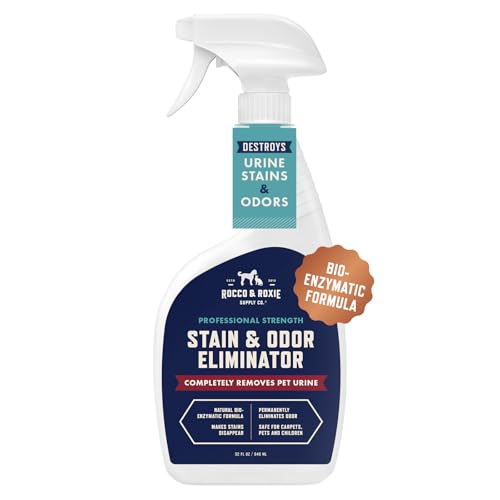
How Do Enzymatic Cleaners Permanently Remove Urine Odor?
Enzymatic cleaners are the only solution that permanently removes urine odor because they produce specialized enzymes that chemically break down the uric acid crystals in urine into odorless compounds. Regular cleaners can’t do this. Think of it this way: regular soap washes dirt off your hands, but an enzyme cleaner is like an antibiotic that eliminates an infection at its source. It works on a microscopic level to destroy the problem.
To use an enzymatic cleaner correctly for a urine stain, follow these steps:
- Blot, Don’t Rub. If the spot is fresh, blot as much of the liquid as possible with a dry towel.
- Saturate the Area. Spray the enzyme cleaner generously on the entire stained area. You must use enough product to soak deep into the padding beneath the carpet or upholstery to reach all of the urine.
- Let It Work. Allow the product to sit and air dry completely. This can take 24-48 hours. The enzymes do their work as the cleaner evaporates. Do not try to speed up the drying process.
- Vacuum After Drying. Once completely dry, vacuum the area to finish the process.
How Do You Prevent Dog Odors from Returning?
To prevent dog odors from returning, you must use waterproof seat covers, maintain a regular weekly cleaning schedule, and place activated charcoal bags in the car to continuously absorb moisture and new smells. After you’ve worked hard to eliminate the odor, this proactive prevention plan is the key to keeping your car smelling fresh for the long term. This is a proven strategy that shifts the focus from reactive cleaning to sustainable maintenance.
Here is a simple but powerful prevention plan:
- Protective Gear: The single best investment is a high-quality, waterproof, and washable car seat cover or cargo liner. This creates an impenetrable barrier, stopping hair, drool, dirt, and accidents from ever reaching your vehicle’s upholstery.
- Maintenance Habits: Establish a non-negotiable weekly cleaning schedule. This should include a quick 5-minute vacuum to remove new hair and dander and a wipe-down of hard surfaces. By removing the odor sources before they build up, you stop the problem at its root.
- Air Quality Control: Place several activated charcoal bags throughout the car, such as under the seats and in the trunk. These act as passive, 24/7 air purifiers, constantly adsorbing moisture and odor molecules from the air without using chemicals or fragrances.
Weekly Prevention Checklist:
* ✅ Remove and shake out all floor mats.
* ✅ Perform a quick vacuum of seats and carpets.
* ✅ Wipe down any plastic surfaces where your dog may have left drool or nose prints.
* ✅ Check your activated charcoal bags (they can often be “recharged” by placing them in the sun).
FAQs About How to Get Rid of Dog Odor in Car
How do I get dog smell out of my car’s air conditioner or vents?
To get dog smell out of car vents, first replace your cabin air filter, as it traps odor-causing particles. Then, with the engine off, spray an odor-eliminating fogger or a disinfectant spray like Lysol into the main air intake vents, which are usually located at the base of the windshield. Finally, turn the fan on high with the windows down to circulate the cleaner through the entire system and flush it out.
Will an air freshener get rid of the dog smell?
No, an air freshener will only mask the dog smell temporarily. The underlying odor-causing bacteria and organic material will remain in the car’s fabrics. To permanently get rid of the smell, you must remove the source (hair, dander, soil) and use a product that neutralizes or eliminates the odor molecules, such as an enzyme cleaner or baking soda.
How do I remove dog odor from leather car seats specifically?
For leather seats, you must use a cleaner that is safe for the material. First, mix a 50/50 solution of water and white vinegar and wipe the seats down with a microfiber towel. Immediately dry them with a separate, clean towel. It is crucial to follow up with a quality leather conditioner to restore moisture and protect the material from drying out or cracking.
How long does the vinegar smell last after cleaning?
The vinegar smell will typically dissipate completely within a few hours as it dries. To speed up the process, you should open the car windows or doors to allow for good ventilation. The vinegar works by neutralizing the bad odor, and then its own distinct smell vanishes once it evaporates, leaving a fresh, neutral scent behind.
Is it safe to use an ozone generator in my car myself?
No, it is not recommended for an untrained individual to use an ozone generator. Ozone gas can be harmful to human lungs if inhaled and can also degrade rubber and plastic interior components if the concentration is too high or it’s used for too long. This service should always be performed by a professional auto detailer who understands the correct safety procedures.
Can I use household carpet cleaner in my car?
It’s often not ideal and should be avoided if possible. Many household carpet cleaners create too many suds for the dense, low-pile carpet found in cars. This makes the cleaner very difficult to fully extract, and any remaining residue can attract more dirt or even lead to mold and mildew growth if it stays damp. Always opt for a product specifically formulated for automotive upholstery.
How often should I clean my car to prevent dog odor?
For effective prevention, a light cleaning should be performed weekly, with a deeper clean scheduled monthly. The weekly clean should consist of a thorough vacuuming to remove new hair and wiping down hard surfaces. The monthly clean is a good time to wash floor mats, check for any new stains, and ensure your odor absorbers like activated charcoal are still effective.
Does activated charcoal really work for car odors?
Yes, activated charcoal is very effective for passively absorbing ongoing odors in a car. It works through a scientific process called adsorption, where odor and moisture molecules in the air stick to its incredibly porous surface. Placing a few activated charcoal bags in your car is an excellent, low-maintenance way to keep it smelling fresh between cleanings.
What’s the difference between an odor eliminator and an enzyme cleaner?
An odor eliminator neutralizes a wide range of general smells, while an enzyme cleaner is a highly specialized tool for organic odors. An odor eliminator spray or fogger is great for tackling the general “wet dog” smell in the air and on fabrics. An enzyme cleaner is specifically required to break down the complex proteins found in organic waste like urine, vomit, or feces.
I bought a used car that smells strongly of dogs. Where should I start?
For a used car with a strong, set-in odor, it is best to start with the most thorough methods. Assume the odor has penetrated every layer of the interior. Begin by replacing the cabin air filter. Then, go directly to a professional steam cleaning (hot water extraction) of all upholstery and carpets. If the smell persists after that, an ozone treatment is the definitive final step to guarantee removal.
Key Takeaways: How to Get Rid of Dog Odor in Car Summary
- Always Start with Preparation: You must remove all dog hair, dander, and debris by thoroughly vacuuming before applying any cleaner. Skipping this step means you are leaving the odor’s source behind, and no cleaner will be fully effective.
- Match the Cleaner to the Odor Type: For general, mild “dog smell,” use baking soda or a vinegar solution. For severe odors, especially urine, you must use an enzymatic cleaner to break down the uric acid crystals.
- Deep Cleaning is Crucial for Severe Odors: For smells embedded deep in seat foam and carpet padding, surface cleaning is not enough. You will need to use an enzyme cleaner, steam cleaner (hot water extraction), or a professional ozone treatment to eliminate the problem.
- Prevention is the Best Long-Term Solution: The only way to keep your car permanently fresh is to be proactive. Use waterproof seat covers, establish a weekly vacuuming schedule, and place activated charcoal bags in the vehicle to absorb odors as they appear.
- Don’t Just Mask Odors: Air fresheners only cover up smells temporarily. True odor removal requires methods that absorb (baking soda, charcoal) or neutralize and destroy (vinegar, enzymes, ozone) the molecules causing the smell.
- Address the Air System: Lingering odors are often trapped in the car’s ventilation system. Always replace the cabin air filter and consider using an odor-eliminating fogger to clean the vents.
- Know When to Call a Professional: For extreme, set-in odors in a used car or when your own efforts have failed, investing in a professional steam cleaning or ozone treatment is the most effective and time-saving solution.
Final Thoughts on How to Get Rid of Dog Odor in Car
Eliminating dog odor from your car is entirely achievable with a systematic approach. By moving beyond temporary air fresheners and embracing a methodical process of preparation, targeted cleaning, and proactive prevention, you can permanently solve the problem. Remember to identify the severity of the odor to choose the right tools for the job—from simple baking soda to powerful enzymatic cleaners. By adopting these strategies, you are not just cleaning your car; you are creating a consistently fresh and pleasant environment for you and all your passengers, including your furry friend.
Last update on 2026-02-26 / Affiliate links / Images from Amazon Product Advertising API


