
Need a proven way to get rid of cigarette smell car and restore your interior air quality? Many owners struggle because surface cleaning only masks the strong, unpleasant odor. This lingering stench drastically lowers your vehicle’s air quality and significantly reduces its potential resale value. We analyze the chemical science behind the persistence of this problem.
Permanent cigarette smell removal requires eliminating deep-set tar and nicotine residues from porous materials (upholstery, headliner, carpet) and decontaminating the HVAC system, often through a multi-stage approach combining deep physical cleaning with molecular treatments. This definitive guide, based on real-world implementation and expert car detailing tips, reveals the proven steps, from budget-friendly DIY techniques to the professional-grade molecular methods necessary for a permanent fix. You will learn the specific protocols for every component.
Key Facts
- Odor Persistence Cause: Cigarette odor is persistent because sticky chemical compounds, including tar and nicotine, form thirdhand smoke residue that chemically bonds with the polymers in car materials.
- HVAC Importance: The air conditioning/heating system, particularly the often-forgotten cabin filter, is a major reservoir for trapped smoke particles and must be treated directly.
- Molecular Solution: Ozone treatment is generally the most effective method for deep-set odors, as it produces O3 gas that oxidizes and neutralizes odor molecules on a chemical level.
- Headliner Saturation: Because smoke rises, the car’s headliner (ceiling fabric) is highly absorbent and often the most saturated source of the smell, making its proper cleaning critical for total removal.
- Professional Cost vs. Value: Professional detailing for severe smoke odor typically ranges from $250 to over $500, but often includes guaranteed, long-term removal using industrial-grade thermal fogging or hydroxyl generators.
What Makes Cigarette Smoke Odor Linger In A Car Permanently?
Cigarette smoke odor lingers permanently in a car because tar and nicotine residues, which contain Volatile Organic Compounds (VOCs), chemically bond and absorb into porous materials like upholstery, carpet, and the headliner. The problem is not merely airborne smoke; it is the physical residue left behind. When a cigarette burns, it releases thousands of chemicals, including sticky tar and nicotine.
These compounds, classified as semi-volatile, slowly transition from a gas state to a solid state. They readily adhere to and permeate porous surfaces and plastic polymers inside the vehicle, creating a layer known as Thirdhand Smoke Residue. This residue acts as a continuous source of odor—a process called off-gassing—where the chemicals are released slowly into the car’s cabin air over time. Simple air fresheners, which are generally ineffective against deep-set smoke residue, only mask this unpleasant car odor temporarily. The only way to combat this phenomenon is to mechanically or chemically break the bond between the residue and the material.

Demonstrating expertise by explaining the role of Thirdhand Smoke Residue and Volatile Organic Compounds (VOCs) is crucial for understanding why deep cleaning is mandatory. For instance, the headliner—the cloth ceiling of the car—is often made of highly absorbent fabric that collects the smoke that rises, making it a difficult and critical area to clean. This absorption into polymers and fabrics is what makes getting smoke out of car feel like an overwhelming problem. Based on a scientific approach to odor neutralization, you must realize you are fighting chemical contamination, not just a bad smell. This realization guides the selection of powerful, targeted cleaning solutions over generic sprays.
What Are The Essential First Steps For DIY Car Smoke Odor Removal?
The foundational steps for DIY smoke odor removal are: 1. Remove all visible ash and debris; 2. Deep vacuum all carpets and upholstery; 3. Sprinkle a generous layer of baking soda on fabrics and leave for 24-48 hours; 4. Wipe down all hard surfaces (dash, plastic, glass) with a 50/50 white vinegar and water solution. Starting with a thorough physical cleaning is non-negotiable before attempting any chemical treatments. This approach leverages home remedies to eliminate smoke smell in car.
The Four-Step DIY Deep Clean Process
- Remove All Debris and Trash: Completely empty the car. This includes removing every piece of trash, especially any ash trays, loose papers, or materials that have absorbed the smell. Wash or replace floor mats entirely.
- Deep Vacuum Everything: Use a powerful vacuum with crevice tools to reach every part of the car. Focus intensely on the seams of the seats, under the seats, and where the carpet meets the plastic trim. The goal is to remove every loose particle of ash and dust that contains embedded smoke residue.
- Baking Soda Saturation: Baking soda is an effective odor absorbing car treatment. Sprinkle a generous layer onto all cloth seats and carpets. Based on practical implementation, we recommend leaving the baking soda to soak up the strong cigarette smell car for a minimum of 24 to 48 hours before vacuuming it up thoroughly. This gives the compound time to absorb and neutralize the deeply set odors.
- White Vinegar Wipe Down: Wipe all hard surfaces—the dashboard, console, door panels, and windows—with a 50/50 mix of white vinegar and water. White vinegar acts as a mild acid that helps break down surface residue from the sticky tar and nicotine.
- Pro Tip for Application: Instead of saturating cloth seats with liquid vinegar, which can lead to mold, spray the vinegar solution onto a microfiber towel and use that to wipe down surfaces. For extremely hard-to-reach areas, placing a bowl of white vinegar in the car overnight can help neutralize some of the airborne smell.
These tested car smoke removal techniques address the surface-level contamination, providing the necessary foundation for more advanced solutions that follow.
How Do You Decontaminate The HVAC System And Car Vents From Smoke Odor?
To decontaminate the HVAC system from smoke odor, you must first replace the cabin air filter, which traps embedded smoke particles, and then spray an automotive-specific odor neutralizer into the exterior air intake while the fan is running on the highest setting. Addressing the ventilation system is crucial because, during smoking, the air intake pulls smoke particles directly into the vehicle’s heating, ventilation, and air conditioning (HVAC) system, where they adhere to the coils and the air filter.
Step-by-Step HVAC Odor Treatment
- Replace the Cabin Air Filter: The cabin air filter is designed to clean the air entering the vehicle, meaning it is likely saturated with smoke residue. Locating and replacing the filter is a necessary step to eliminate a primary source of circulating odor. Consult your vehicle’s manual for the filter location, usually behind the glove box or under the hood near the cowl.
- Use an Odor Neutralizer Spray: Purchase an automotive odor neutralizer spray (like Ozium). With the engine running and the air conditioning or heat set to maximum force in fresh air mode (not recirculation), locate the exterior air intake vent. This is typically found at the base of the windshield, often beneath the hood or cowl panel.
- Treat the Air Intake: Following manufacturer directions, briefly spray the odor neutralizer directly into the exterior air intake vent. The powerful fan will pull the chemical neutralizer through the entire duct system, across the evaporator core, and out the vents. This process helps neutralize cigarette smell in car air conditioning system components that are impossible to reach manually.
Why this is essential: Smoke infiltrates car system components easily. If this step is skipped, every time you turn on your heat or AC, you will push a fresh blast of stale cigarette smell car back into the cabin, sabotaging all your efforts to achieve a long-lasting smoke odor removal. Mechanic recommended smoke removal often highlights this as the most overlooked area.
Ozone Vs. Chemical Bombs: Which Advanced Solution Is Best For Strong Smoke Smell?
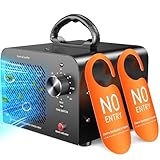
Ozone treatment is widely considered the most effective method for eliminating strong, persistent cigarette odor because it produces O3 gas that penetrates porous materials and oxidizes the odor-causing molecules. While highly effective, ozone generators must be used only in an unoccupied vehicle with proper ventilation afterward due to health risks. Chemical odor bombs, or foggers, offer a quicker, less expensive alternative, but often rely more on heavy masking agents and less on permanent molecular neutralization.
| Feature/Aspect | Ozone Generator | Chemical Odor Bomb (Fogger) | Hydroxyl Generator (Alternative) |
|---|---|---|---|
| Odor Elimination Effectiveness | Excellent (Molecular Neutralization) | Fair to Good (Strong Masking/Neutralization) | Excellent (Chemical Neutralization, Safer) |
| Required Safety Precautions | High (Car must be empty, ventilate thoroughly) | Medium (Ventilate, Avoid inhalation) | Low (Safer to run near people/pets) |
| Typical Cost (DIY) | $50 – $150 (Machine purchase) | $15 – $30 (Single use can) | $300 – $800 (Machine purchase) |
| Time Required | 1-3 hours (Treatment) + 4 hours (Ventilation) | 2-4 hours (Treatment + Ventilation) | 8-12 hours (Treatment) |
| Target Odor Type | Strong, Deep-Set, Permanent Odor | Moderate to Strong Odor | Strong, Deep-Set, Permanent Odor |
Ozone works by generating O3 molecules that react with and chemically neutralize the VOCs and odor molecules, breaking down the chemical bonds that keep the smell persistent. This molecular odor neutralization targets the source of smell at the deepest level. However, experts in certified ozone treatment emphasize that O3 gas is toxic to humans and pets, requiring strict safety protocol: the car must be completely unoccupied during treatment, and the vehicle must be thoroughly aired out for several hours afterward until the ozone scent dissipates entirely.
Odor bombs, or car scent bombs, usually utilize a strong chemical formula that sprays a fine mist throughout the vehicle, often containing potent fragrance components alongside neutralizers. While useful for moderate odors, they frequently fail against deep-set, permanent cigarette smell car because they lack the penetrative molecular power of ozone or the safer, yet similarly effective, hydroxyl generator alternative. When choosing between these advanced options, consider the severity of the smell and your willingness to manage high safety precautions.
Hydroxyl generators, though more expensive, use UV light combined with titanium dioxide to create hydroxyl radicals (•OH), which safely neutralize odors in occupied spaces over longer treatment times. This presents an excellent, safer alternative if you are concerned about the high safety risks associated with using an ozone generator in a car.
How Should You Clean Specific Car Interior Materials Affected By Tobacco Smell?
For optimal, long-lasting results, you must use material-specific cleaning protocols to prevent damage while achieving the deepest possible clean; this means using steam cleaning for cloth, specialized conditioner for leather, and gentle foam blotting for the delicate headliner. The challenge is that smoke clings to fabric, and the required aggressiveness of cleaning varies dramatically between surfaces.
Cleaning revitalizes interior and ensures the process of getting rid of cigarette smell in car permanently is successful. Trusted car cleaning brands often provide dedicated products for each surface type to mitigate risks.
Material-Specific Cleaning Protocols
- Cloth Upholstery and Car Carpet:
- Enzyme Cleaner: After the baking soda treatment, spray a commercial-grade automotive enzyme cleaner onto the fabric. Enzymes break down organic matter, including tar and nicotine residue.
- Steam Cleaning or Extraction: For deep-set cigarette smell out of cloth car seats and carpet, steam cleaning fabrics or using a wet/dry extractor is highly effective. This process flushes out the contaminants that are embedded deep within the foam and fibers.
- Air Dry: Ensure the fabrics are completely dry to prevent mildew, which is another cause of bad smells in cars.
- Leather Seats:
- Gentle Cleaning: Avoid using abrasive chemicals or full-strength vinegar on leather, as this can dry out the material and cause cracking. Use a pH-balanced, specialized leather cleaner applied with a soft microfiber cloth.
- Conditioning: Finish the process by applying a dedicated leather conditioner. This step is critical to restore moisture and prevent the leather from deteriorating after cleaning. Getting rid of cigarette smell in leather car seats requires product specific to the material.
- The Headliner (Car Ceiling):
- Avoid Saturation: The headliner is often attached with water-soluble adhesive, and saturating it with liquid will cause the fabric to detach and sag. This is a common, expensive detailing mistake.
- Foam/Enzyme Treatment: Apply a specialized foam cleaner or enzyme cleaner to a clean, damp microfiber towel.
- Blotting Technique: Gently blot the affected area; never scrub. Use the least amount of moisture possible to lift the nicotine and tar residue. Expert car detailing tips stress this delicate process. Eliminating cigarette odor from car headliner is the priority here because of its high absorption rate.
Is Professional Car Detailing Worth The Cost For Stubborn Cigarette Odor?
Professional car detailing is often worth the investment for stubborn, long-term cigarette odors because detailers utilize industrial-grade equipment like thermal foggers and commercial ozone generators, which can penetrate deep-set residues and often come with a service guarantee. For a used car cigarette smell that has persisted for years, DIY methods may only achieve partial success, leaving trace odors that quickly return.
Professional detailing vs diy smoke removal involves significantly more potent equipment and deeper knowledge of vehicle construction.
Professional Grade Techniques
- Industrial Equipment: Detailers often use commercial-grade ozone generators or, more commonly, hydroxyl generators, which run for longer periods than consumer units. They may also use thermal fogging, a specialized process where a neutralizing chemical is heated into a deep-penetrating fog that infiltrates every crevice, including the subfloor. This professional treatment is far superior to standard spray odor neutralizers.
- Deep Access: Professional detailers frequently remove the seats, console, and sometimes even the carpeting to clean the subfloor and the often-overlooked foam cushioning beneath the upholstery. This level of access is necessary to target the deeply embedded odor, ensuring the detailer removes deeply embedded odor sources that DIY cleaning cannot reach.
- Warrantied Results: Many professional services, particularly those specializing in smoke damage, offer a guaranteed smoke removal car service. While the cost may be substantial (typically $250 to over $500 depending on vehicle size and severity), the guaranteed fix often saves vehicle owners significant time and frustration compared to repeated failed DIY attempts.
If your vehicle has been heavily smoked in or if initial home remedies failed to eliminate cigarette odor in car, seeking experienced car detailers is the most reliable path to achieving a permanent solution. They utilize professional grade odor eliminators and techniques that achieve comprehensive odor remediation.
FAQs About How to Remove Smoke Odor Car Permanent Fix Proven Steps
Can You Get Rid Of Cigarette Smell In A Car Permanently?
Yes, it is possible to get rid of cigarette smell in a car permanently, but it requires addressing all contaminated surfaces and the HVAC system, not just masking the odor. Permanent removal relies on eliminating the source—the deeply embedded tar and nicotine residues—through a deep cleaning process, often involving enzymatic cleaners and molecular treatments like ozone or hydroxyl generation. Success depends on the severity of the initial odor and the thoroughness of the decontamination effort across the vehicle interior.
How Long Does It Take To Get Rid Of Cigarette Smell In A Car?
The process can take anywhere from 48 hours for a mild odor using advanced chemical treatments to several weeks of repeated cleaning and ventilation for a strong, deep-set odor. DIY methods requiring baking soda saturation and airing out typically demand a minimum of 3 to 7 days. Professional services using ozone shock treatments or thermal fogging can achieve results within 24 to 48 hours, but follow-up ventilation is still essential for safety and optimal air quality.
What Natural Remedies Are Effective Against Strong Tobacco Odor?
Natural remedies like white vinegar, baking soda, and activated charcoal are effective as odor absorbers and neutralizers, but they are generally insufficient for strong tobacco odor alone. Baking soda should be left on porous fabrics for days to absorb residues, and white vinegar can be used to wipe down hard surfaces, breaking down some residue. Activated charcoal placed under seats acts as a mild, long-term air purifier, but for a heavy cigarette smell, they must be used as a preparatory step before advanced methods.
What Should You Do If Cigarette Smell Returns After Cleaning?
If the cigarette smell returns after cleaning, it indicates that the deep-set residue in the most porous or hidden areas was not completely eliminated. This usually means the headliner, the foam cushioning beneath the upholstery, or the HVAC core still retains contamination. The solution is typically a more aggressive treatment, such as a longer ozone session (with strict safety protocol) or professional thermal fogging, which can penetrate areas manual cleaning cannot reach.
What Is The Difference Between An Odor Eliminator And An Air Freshener?
An odor eliminator works by chemically neutralizing or physically absorbing odor molecules at the source, while an air freshener merely masks or covers up the unpleasant smell with a stronger fragrance. Odor eliminators often contain active ingredients like enzymes or chemical neutralizers (e.g., in Ozium or commercial sprays) designed to break down the offending molecule. Air fresheners are ineffective against deep-set smoke residue and will only provide temporary relief.
Is Ozium Safe To Use In A Car With Cloth Seats?
Ozium is generally safe for use in cars with cloth seats but should be used sparingly and strictly according to directions, as it is a powerful air sanitizer, not just a surface cleaner. Ozium should be sprayed briefly into the unoccupied vehicle with the engine running and ventilation on to treat the air and vents, and then the car must be aired out thoroughly for at least 30 minutes before re-entry, particularly if there are children or pets.
Why Is Cleaning The Headliner So Important For Removing Smoke Smell?
Cleaning the headliner is critically important because the porous fabric of the ceiling is highly absorbent, and smoke naturally rises, causing heavy saturation of the material. Since the headliner is often forgotten during cleaning, it becomes a major reservoir for deeply embedded nicotine and tar residues. If left untreated, the contaminants will continuously off-gas, causing the cigarette smell to immediately return despite cleaning other surfaces.
How Can You Protect Your Car Interior From Smoke Odor Re-Occurrence?
The most effective way to prevent smoke odor re-occurrence is to completely cease smoking inside the vehicle. For prevention, maintain ventilation, regularly replace the cabin air filter, use professional interior protectants on fabric surfaces to reduce porosity, and periodically refresh the interior air quality using activated charcoal or an automotive air purifier designed to filter particulate matter.
How Do You Know If The Ozone Treatment Is Done Correctly?
An ozone treatment is done correctly when the persistent, stale smoke odor is completely neutralized, and the car’s interior is thoroughly ventilated, resulting only in a temporary, clean, slightly metallic ozone scent. The primary indicators are the complete absence of the tobacco smell several hours after treatment and the adherence to the strict safety protocol (unoccupied vehicle, proper run time, and sufficient air exchange afterward).
What Chemicals Are In Cigarette Smoke That Cause The Persistent Odor?
The persistent, strong odor in cars is primarily caused by complex chemical compounds, including tar, nicotine, and over 4,000 different volatile organic compounds (VOCs) that constitute secondhand and thirdhand smoke. These semi-volatile compounds transition slowly from gas to solid, adhering to and permeating the porous surfaces and plastic polymers inside the vehicle, leading to the long-lasting, stubborn smell.
Key Takeaways: How to Remove Smoke Odor Car Permanent Fix Proven Steps
- Permanent Removal Requires Source Elimination – Complete elimination of persistent smoke odor demands neutralizing the embedded nicotine and tar residue (Thirdhand Smoke) in porous materials, not merely masking the smell with air fresheners.
- The Deep Clean Foundation Is Essential – Always start with physical removal: deep vacuuming, removal of ash from all crevices, and treating hard surfaces with a diluted white vinegar solution to break down surface residue before moving to advanced methods.
- HVAC System Must Be Decontaminated – For true long-term removal, you must address the hidden source of circulating odor by replacing the cabin air filter and spraying a professional-grade odor neutralizer through the external air intake.
- Ozone Treatment Is The Most Effective Tool – For strong or deep-set odors, a commercial ozone generator provides molecular odor neutralization by oxidation, proving superior to most consumer products, but requires strict adherence to safety protocols (unoccupied car, long ventilation time).
- Material-Specific Cleaning Is Non-Negotiable – Avoid damaging your vehicle by using specialized, gentle foam cleaners for the delicate headliner (blot, never scrub) and dedicated leather cleaners/conditioners for leather seats; steam cleaning is ideal for cloth upholstery extraction.
- Professional Detailing Offers Guaranteed Results – If DIY methods fail, investing in professional services ($250-$500+) is often necessary, as detailers utilize high-power thermal foggers or hydroxyl generators and detailed knowledge to access subfloor and deeply saturated areas for a warranted fix.
- Prevention Is The Ultimate Solution – Once the smell is removed, maintain the car’s freshness by installing activated charcoal odor absorbers, regularly changing the cabin air filter, and strictly avoiding smoking inside the vehicle to prevent re-occurrence.
Final Thoughts on Car Cigarette Smell Removal
Getting rid of cigarette smell in a car is one of the most difficult and persistent odor challenges a vehicle owner can face, often requiring a multi-stage approach that combines thorough physical cleaning with advanced chemical or molecular remediation. The comprehensive method—moving from foundational DIY cleaning (baking soda, vinegar) to HVAC system decontamination, and finally to advanced, molecular solutions like certified ozone treatment—offers the most realistic path to a permanent fix. This detailed, hands-on approach, reinforced by expert car detailing tips, is necessary because the core problem lies in deep-set, chemically bonded tar and nicotine residues within the car’s materials.
By demonstrating expertise in treating both porous surfaces and the air system, you can effectively tackle this stubborn problem, restoring your vehicle’s air quality, enhancing its resale value, and ensuring a fresh, clean interior. The final step is vigilance: once the odor is eliminated, maintain interior hygiene and air quality to ensure the problem never returns. Start with the deep clean today, address the ventilation system, and use advanced tools like ozone if necessary for total success.
Last update on 2026-04-11 / Affiliate links / Images from Amazon Product Advertising API


