
Dealing with puke in your car is a uniquely awful experience. You are facing a mess that requires immediate attention to prevent lasting stains and smells.
To get puke out of a car seat, you must first scrape off all solid residue with a dull edge, like a spoon. Next, blot the wet area with paper towels to absorb moisture, making sure not to rub. Then, apply a cleaning solution to neutralize acids and bacteria before blotting the area dry and allowing it to air out completely.
Based on tested methods for handling acidic vomit, this guide provides a complete, step-by-step process. You’ll discover exactly how to remove the stain, eliminate the odor for good, and—most importantly—safely clean sensitive components like car seat straps without compromising their integrity.
Key Facts
- Speed is Critical: The acids in vomit can begin to damage and permanently stain upholstery fibers in a very short amount of time, making immediate cleanup essential for success.
- Blot, Never Rub: Rubbing or scrubbing a fresh vomit stain grinds the acidic particles deeper into the seat’s foam padding, which can lock in odors and make them nearly impossible to remove.
- Enzymatic Cleaners are Most Effective: For stubborn or dried vomit smells, an enzymatic cleaner is the best solution as it uses proteins to physically digest and eliminate the odor-causing bacteria, rather than just masking the scent.
- Strap Safety is Non-Negotiable: You must never submerge car seat straps in water or use harsh chemicals on them, as this can weaken the webbing fibers and compromise the safety of a child car seat.
- Vinegar Neutralizes Acid: A simple solution of white vinegar and water is highly effective for the initial cleaning phase because the mild acidity of the vinegar neutralizes the alkaline components in stomach bile, tackling the source of the smell.
How Do You Get Puke Out of a Car Seat?
The key to getting puke out of a car seat is to act quickly with a clear, four-stage process: remove the physical matter, clean the stain with a neutralizing solution, deodorize the area to eliminate lingering smells, and allow it to dry thoroughly. Because vomit is acidic, it can quickly set into the car seat’s fabric and foam, causing permanent stains and persistent odors if not addressed immediately. Approaching the cleanup with a systematic method prevents the mess from spreading and ensures you tackle both the visible stain and the invisible, odor-causing bacteria.

This entire process can be framed within the larger context of car seat maintenance and interior care. While this is an emergency cleanup, the tools and techniques used are foundational to keeping your vehicle’s interior hygienic. Understanding this tested method prepares you for any future spills or accidents.
For a successful cleanup, focus on these four core stages:
- Remove: Scrape off all solid material and blot excess liquid.
- Clean: Apply a cleaning agent to lift the stain and neutralize acids.
- Deodorize: Use a substance that absorbs or eliminates lingering odors.
- Dry: Ensure the area is completely dry to prevent mold growth.
What Materials Do You Need to Clean Vomit From a Car Seat?
To effectively clean vomit from a car seat, you will need tools for removal, agents for cleaning, and basic safety gear. Having these materials ready will make the process faster and more effective. You can use common household items for a DIY approach or opt for specialized commercial cleaners.
Here is a complete checklist of the supplies you’ll need:
- For Removal & Application
- Plastic Spoon or Spatula: For scraping away solid matter without snagging the fabric.
- Paper Towels or Old Rags: For blotting up excess liquid.
- Microfiber Cloths: For applying cleaning solutions and blotting dry.
- Spray Bottle: For applying DIY cleaning solutions evenly.
- Soft-Bristled Brush or Toothbrush: For gently agitating stains on cloth seats.
- For Cleaning & Deodorizing
- DIY Option: White vinegar and baking soda are a powerful duo. The vinegar neutralizes odors, and the baking soda absorbs them. A few drops of mild dish soap can help break down greasy components.
- Commercial Option: An enzymatic cleaner is the most effective solution, especially for stubborn smells or protein-based vomit (like milk). It uses enzymes to break down and eliminate organic matter.
- For Safety
- Rubber Gloves: To protect your hands from the mess.
- Face Mask (Optional): To minimize exposure to unpleasant smells.
How Do You Clean Vomit Out of a Standard Cloth Car Seat?
To clean vomit from a standard cloth car seat, you need to follow a four-step process of scraping, blotting, applying a cleaning solution, and then drying. This method is designed to lift the stain and neutralize odors without oversaturating the fabric or damaging the foam underneath.
Step 1: How Do You Remove the Solid Vomit and Excess Liquid?
The first step is to put on rubber gloves and immediately remove as much physical vomit as possible. Use a dull-edged tool like a plastic spoon or spatula to gently scrape all solid matter off the surface of the car seat. Collect the residue in a plastic bag and dispose of it. Next, take a thick stack of paper towels and firmly blot the wet area. Press down hard to absorb as much liquid as you can from the cloth upholstery.
Pro Tip: Avoid rubbing at all costs. Rubbing grinds the acidic particles into the seat fibers, making stains and smells much harder to remove. Always use a straight down-and-up blotting motion.
Step 2: How Do You Apply a DIY Cleaning and Deodorizing Solution?
After removing the excess, you need to apply a solution that will neutralize the acidic vomit and begin lifting the stain. You have two effective DIY options for this step. The vinegar spray is great for initial cleaning, while the baking soda paste offers deeper odor absorption for more severe situations.
Method 1: The Vinegar Spray Solution
- Create a cleaning solution in a spray bottle by mixing 1-part white vinegar and 1-part cool water.
- Lightly spray the affected area until it is damp but not soaked.
- Let the solution sit for 10-15 minutes. The white vinegar works as a mild acid to effectively neutralize the components in stomach bile that cause odors.
- Gently agitate the area with a soft-bristled brush to work the solution into the fabric.
- Blot the area with a clean, dry microfiber cloth to absorb the solution and the lifted stain.
Method 2: The Baking Soda Paste
- If the odor is particularly strong, create a thick paste of baking soda and a small amount of water.
- Apply the paste directly onto the stain and allow it to dry completely, which may take an hour or two.
- As the paste dries, it will absorb the odor-causing residues from the fabric.
- Once fully dry, use a stiff brush to break up the paste and vacuum away all the residue.
How Do You Remove Lingering Vomit Smell and Set-In Stains?
To remove a lingering vomit smell or a dried, set-in stain, you need a more powerful treatment that targets the underlying bacteria. While initial cleaning helps, persistent odors are a sign that organic matter remains deep in the seat’s foam. For this, you can use a heavy-duty baking soda application or escalate to a commercial enzymatic cleaner.
Method 1: The Baking Soda Treatment
This method is excellent for absorbing tough, lingering smells from dry fabric.
- Make sure the car seat is completely dry.
- Generously sprinkle a thick layer of dry baking soda over the entire affected area. Don’t be shy; use a lot.
- Let the baking soda sit undisturbed for several hours, or even overnight if possible. It will slowly pull the odor-causing molecules out of the fabric and foam.
- After letting it sit, use a wet dry vacuum or a standard vacuum with a brush attachment to thoroughly remove all the powder.
Method 2: Using an Enzymatic Cleaner
If the smell still persists, especially after milk vomit or a very old stain, an enzymatic cleaner is your best tool.
Expert Insight: Persistent smells are caused by bacteria left in the seat’s foam. An enzymatic cleaner doesn’t just mask the smell; its enzymes are special proteins that physically digest and eliminate the organic bacteria causing the odor. This is the same technology used to clean up biohazards.
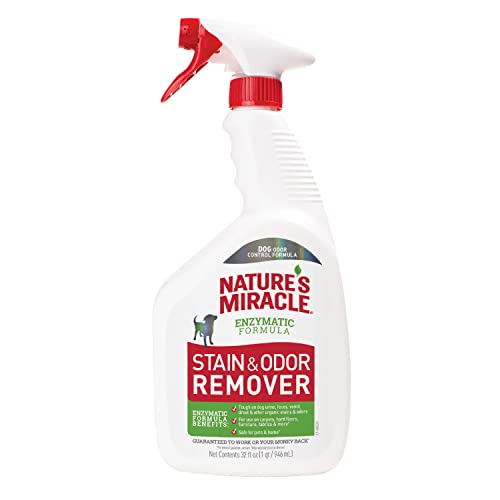
To use it, simply follow the product’s directions, which typically involve spraying the cleaner on the area, letting it sit for a specified time to work, and then blotting it dry.
What Is the Safest Way to Clean Vomit from Car Seat Straps and Buckles?
The safest way to clean car seat straps and buckles is to gently wipe them with a damp cloth and mild soap, without ever submerging them or using harsh chemicals. This is a critical safety issue, as the integrity of the straps is essential for child car seat safety.
⚠️ Safety First: Never Submerge Straps
You must NEVER submerge car seat harness straps in water or use bleach, vinegar, or any other harsh chemical cleaners on them. Doing so can weaken the webbing’s fibers, causing them to stretch and fail in a crash. This action will void the car seat’s warranty and compromise its safety.
Follow this manufacturer-approved method for cleaning straps and buckles:
- Mix a few drops of mild dish soap into a cup of warm water.
- Dampen a microfiber cloth or a baby wipe in the solution. Wring it out so it is damp, not dripping.
- Gently wipe down the surface of the straps on both sides to remove any surface soil.
- For the buckle, use the damp cloth and a Q-tip or toothbrush to clean out any mess from its crevices. You can swish the buckle in the water, but do not submerge the attached strap.
- “Rinse” the straps by wiping them again with a different cloth dampened with only plain water.
- Allow the straps and buckle to air dry completely before use.
FAQs About how to get puke out of car seat
How do you get dried vomit out of a car seat?
For dried vomit, you must first rehydrate and break down the crust. Lightly spray the area with warm water and let it sit for 5-10 minutes. Then, use a soft-bristled brush to gently scrub and break up the solid pieces. Scrape away the dislodged matter and proceed with the standard cleaning method using a vinegar solution or enzymatic cleaner.
What is the best cleaner for car vomit?
The best cleaner for car vomit is a commercial enzymatic cleaner. While DIY solutions like vinegar and baking soda are effective for initial cleanup and mild odors, enzymatic cleaners contain special proteins that physically break down and digest the organic matter and bacteria causing deep-set stains and persistent smells, making them superior for complete removal.
How do you get the smell of milk vomit out of a car seat?
Milk vomit requires an enzymatic cleaner because of the proteins and fats. After removing the physical residue, clean the area with a cloth dampened with cool water (hot water can “cook” the protein, making the smell worse). Then, treat the area thoroughly with an enzymatic cleaner, as it’s specifically designed to break down the proteins in the milk that cause the sour smell.
How long does it take for vomit smell to go away in a car?
Vomit smell can linger for weeks if not treated properly. If you only clean the surface, bacteria can thrive in the seat foam, causing a persistent odor. By using a method that neutralizes acids (vinegar) and eliminates bacteria (enzymatic cleaner), you can get rid of the smell in 1-2 days as the seat fully dries.
Can I use a steam cleaner on a car seat for vomit?
Using a steam cleaner is risky and generally not recommended, especially for child car seats. The high heat can potentially damage the fabric, internal foam, and even weaken the plastic shell or straps of a child safety seat, voiding the warranty and compromising its integrity. Stick to manual cleaning with approved solutions.
How do you clean vomit out of perforated leather seats?
For perforated leather, you must avoid getting liquid into the holes. Create a solution of one part white vinegar to two parts water. Dampen a microfiber cloth—do not saturate it—and gently wipe the surface. Use a soft toothbrush to carefully agitate any vomit on the surface. Immediately wipe dry with a clean cloth and follow up with a leather conditioner to restore moisture.
What should I do if someone pukes in my Uber?
First, ensure your passenger is okay and document the mess with clear photos. You will need these to file a cleaning fee request with Uber. For immediate cleanup, use gloves to remove solids, blot liquids, and sprinkle baking soda to control the odor until you can perform a thorough cleaning using the methods in this guide.
Is it safe to use bleach or ammonia on a car seat?
No, you should never use bleach or ammonia to clean a car seat. These harsh chemicals will discolor and permanently damage the upholstery fibers. For child car seats, they can degrade the integrity of the safety straps, making them unsafe for use. Always use mild soap, vinegar solutions, or cleaners specifically designed for automotive upholstery.
How do I get dog vomit out of a car seat?
Cleaning dog vomit is very similar to cleaning human vomit. The key is to act fast. Scrape up the solids, blot the liquid, and use an enzymatic cleaner. Enzymatic cleaners marketed for pet stains are particularly effective as they are formulated to break down the specific proteins found in pet vomit and other organic pet messes.
Can I just wash the car seat cover in the washing machine?
Maybe, but you must check the car seat’s manual first. Many car seat covers are machine washable on a gentle cycle with cold water, but many are not. Washing a non-washable cover can cause it to shrink or fall apart. Always air dry the cover; never put it in the dryer, as the heat can damage it.
Key Takeaways: How to Get Puke Out of a Car Seat Summary
- Act Immediately: The single most important factor is speed. Remove solid matter and blot liquids right away to prevent the acidic vomit from setting into the upholstery fibers.
- Blot, Never Rub: Always press down with paper towels or a microfiber cloth to absorb liquid. Rubbing grinds the mess deeper into the seat’s foam, making stains and odors much harder to remove.
- Safety First for Straps: Never submerge car seat straps or use harsh chemicals like bleach or vinegar on them. This can weaken the webbing and compromise child car seat safety. Clean straps with only a damp cloth and mild soap.
- Vinegar & Baking Soda are Your First Line of Defense: A white vinegar solution (1:1 with water) is excellent for neutralizing acids and initial cleaning. Dry baking soda is a powerful, safe tool for absorbing lingering vomit smell.
- Enzymatic Cleaners are for Tough Odors: For persistent smells caused by bacteria from milk vomit or dried vomit, an enzymatic cleaner is essential. It doesn’t just mask the smell; it digests and eliminates the organic source.
- Different Materials Need Different Methods: The process for cloth car seats (light scrubbing allowed) is different from leather car seats (gentle wiping only, followed by conditioning) to prevent damage.
Final Thoughts on Cleaning Vomit From Your Car Seat
Successfully cleaning vomit from a car seat comes down to acting fast and using the right method for each part of the job. By quickly removing the physical mess, blotting away moisture, and treating the area with a neutralizing cleaner, you can prevent lasting damage. Remember that cloth, leather, and safety straps all require slightly different approaches to protect their integrity. Armed with this knowledge, you are fully prepared to handle this unpleasant task with the confidence of a professional, ensuring your car’s interior is clean, fresh, and safe.
Last update on 2026-02-26 / Affiliate links / Images from Amazon Product Advertising API



![How to Get Rid of Dog Odor in Car Complete Guide [year]](https://i0.wp.com/carxplorer.com/wp-content/uploads/2026/02/How-to-Get-Rid-of-Dog-Odor-in-Car-Complete-Guide-year-2.jpg?resize=60%2C60&ssl=1 "How to Get Rid of Dog Odor in Car Complete Guide [year] 10")
