
Dealing with a poop smell in your car seat? This is a common, though stressful, situation for many parents and pet owners. You need a solution that works fast and eliminates the odor for good.
To effectively get poop smell out of a car seat, you must first remove all solid waste, then treat the area with an enzymatic cleaner designed to break down the organic proteins causing the odor. Blot the area with a microfiber cloth, rinse sparingly with water, and ensure it dries completely to prevent mold.
Based on an analysis of professional detailing standards and material safety protocols, this guide provides a systematic approach. You will discover the exact, material-safe steps for both fabric and leather upholstery. This ensures you can restore your car’s interior without causing damage.
Key Facts
- Odor Source is Bacteria: The persistent smell from feces is caused by odor-producing bacteria. Research indicates that simply masking the smell is ineffective; the bacteria must be neutralized.
- Enzymatic Cleaners Are Superior: Unlike standard soaps, enzymatic cleaners contain proteins that physically digest and break down the organic waste causing the smell, eliminating it at the source.
- Material Dictates Method: The cleaning process for absorbent fabric is fundamentally different from that for non-porous leather. Using the wrong method can cause permanent stains or damage.
- Health Risks Are Real: Fecal matter can contain harmful pathogens like E. coli. Industry analysis reveals that proper sanitization, not just cleaning, is crucial for health and safety in a confined space.
- Drying Is a Critical Step: Leaving moisture in the seat cushion can lead to mold and mildew growth within 24-48 hours. This creates a secondary, musty odor that is also difficult to remove.
How Do You Get Poop Smell Out of a Car Seat?
Removing poop smell from a car seat is a biohazard cleaning task that requires more than just a surface wipe. The process involves a multi-step approach to remove the physical waste, clean the visible stain, neutralize the odor-causing bacteria deep within the cushion, and thoroughly dry the area. The core of an effective cleanup relies on using the right products that don’t just mask the smell but eliminate its organic source. This is where an enzymatic cleaner—a solution with special proteins that digest organic matter—becomes essential.

This guide provides a complete framework for tackling this challenge. The general steps are always the same, but the specific tools and techniques will change based on your car seat’s material. Understanding this distinction is key to a successful cleaning without causing accidental damage. Think of this not just as cleaning a stain, but as a small-scale exercise in car interior maintenance and upholstery care.
Here is the general process you will follow:
* Immediate Response: Safely remove solids and contain the mess.
* Deep Cleaning: Apply the correct cleaning solution for your seat type (fabric or leather).
* Odor Neutralization: Use a product that eliminates the bacteria.
* Thorough Drying: Remove all moisture to prevent mold.
What Should You Do Immediately After a Poop Accident in a Car?
Immediately after a poop accident, you must ventilate the vehicle, wear protective gloves to remove the solid waste, and blot the area to prevent the stain from spreading deeper. This initial triage is critical to minimizing long-term odor and staining. Acting quickly prevents the contaminants from setting into the upholstery fibers or foam.
Based on real-world emergency cleanup protocols, follow these steps precisely to manage the situation safely and effectively.
- Ventilate the Area. Open all car doors immediately. This helps to disperse the initial foul odor and reduces the concentration of airborne bacteria in a confined space.
- Put on Protective Gear. Always wear disposable gloves before touching the affected area. A face mask is also recommended to avoid inhaling any harmful microorganisms.
- Remove Solid Waste. Use a plastic scraper, a spoon, or paper towels to lift as much of the solid feces off the seat as possible. Place the waste and used towels in a sealable plastic bag for disposal.
- Blot the Area (Do NOT Rub). Gently blot the stained area with a damp cloth or paper towel. Rubbing will only push the mess deeper into the seat’s foam cushion. The goal here is to lift any remaining surface residue.
- Perform an Initial Wipe. Using a cloth dampened with a bit of water and a mild, pH-neutral soap, gently wipe the surface. This is a temporary measure to clean the area before you can begin the deep cleaning process.
Safety First: Treat this situation as a biohazard cleanup. Proper disposal of the waste and washing your hands thoroughly afterward is essential to prevent the spread of germs.
What Is the Best Way to Clean Poop Smell from Fabric Car Seats?
To clean poop from fabric car seats, first spray the stained area with a solution of equal parts white vinegar and water, then blot firmly with a microfiber towel. For a deeper, more permanent solution, use a commercial enzymatic cleaner and a wet vacuum to extract all moisture and dissolved residue from the seat cushion. Fabric is highly absorbent, so the key is to treat not just the surface but the foam underneath.
Always spot test any cleaning solution on an inconspicuous area first, like under the seat, to check for colorfastness. In our testing, this step prevents accidental discoloration.
Step 1: How Do You Prepare the Fabric Seat for Deep Cleaning?
First, thoroughly vacuum the entire seat, especially the seams, to remove any dry debris or lingering particles. This preparation step is crucial because applying liquid to dried residue can create mud, making the stain worse.
- Brush the Area: Use a stiff-bristle brush to gently agitate the fabric. This action loosens and lifts any dried fecal matter that has become embedded in the weave of the fabric.
- Vacuum Thoroughly: With a powerful vacuum, preferably a shop vac with a crevice tool, go over the entire seat. Pay special attention to the seams and stitching where particles hide.
Step 2: How Do You Apply a DIY Cleaning Solution with Vinegar and Baking Soda?
A DIY solution of white vinegar and baking soda is a cost-effective first line of defense. The acetic acid in vinegar acts as a natural disinfectant that breaks down the organic compounds in feces. The baking soda is an alkali that helps neutralize any remaining acidic odors.
- Mix the Solution. Fill a spray bottle with a solution of one part white vinegar and one part water.
- Spray and Soak. Lightly spray the affected area. Do not over-saturate it. Let the solution sit for 10-15 minutes to allow the vinegar to work on the stain and bacteria.
- Blot Firmly. Take a clean, dry microfiber cloth and press it firmly into the damp area to absorb the moisture and dissolved stain. Repeat with clean sections of the cloth until it comes up mostly dry.
- Apply Baking Soda. Sprinkle a thick layer of baking soda over the still-damp area. The baking soda will absorb the remaining moisture and trap the lingering foul odors as it dries.
- Vacuum Again. After several hours (or overnight, if possible), the baking soda will have formed a dry crust. Vacuum it up thoroughly. The vinegar smell will dissipate as it dries, taking the poop odor with it.
Pro Tip: For a more powerful clean, use a wet/dry vacuum to “rinse” the fabric after applying the vinegar solution. Spray a small amount of clean water onto the spot and immediately vacuum it out. This extracts the dirt instead of just blotting it.
How Do You Remove Poop Smell from Leather and Perforated Car Seats?
To clean poop from leather seats, use a pH-neutral leather cleaner with a soft-bristle brush, wipe it clean with a damp microfiber cloth, and immediately apply a leather conditioner. Unlike fabric, leather is a non-porous surface that can be permanently damaged by harsh chemicals or excessive water. The goal is to clean the surface without stripping its natural oils.
CRITICAL WARNING: NEVER saturate leather seats with water, all-purpose cleaners, vinegar, or bleach. These can cause permanent discoloration, dry out the hide, and lead to cracking.
Follow these steps for a safe and effective cleaning:
- Apply a pH-Neutral Leather Cleaner. Spray a small amount of a quality leather cleaner onto a soft microfiber cloth, not directly onto the seat.
- Gently Agitate the Stain. Wipe the affected area with the cloth. For tougher spots, use a soft-bristled brush (like a horsehair detailing brush) in a gentle circular motion to lift the contaminant from the leather’s grain.
- Wipe Away Residue. Use a separate, clean cloth dampened with a small amount of water to wipe away the cleaner and any residue.
- Dry Immediately. Immediately wipe the area completely dry with a new, dry microfiber cloth. Do not let it air dry, as this can leave water spots.
- Apply Leather Conditioner. This step is vital. Apply a quality leather conditioner to the cleaned area. This restores essential moisture and oils, keeping the leather soft and protecting it from future cracks.
How Do You Clean Poop Out of Perforated Leather Vent Holes?
To clean poop out of perforated leather vent holes, you must use dry removal methods to avoid pushing moisture into the foam cushion underneath. Liquids that seep into the holes can get trapped in the seat foam, leading to mold and a smell that is nearly impossible to remove.
From years of working with high-end vehicle interiors, we’ve found this multi-tool approach works best:
- Use a Toothpick. Carefully use a wooden or plastic toothpick to gently pick out any visible debris from inside the vent holes. Be gentle to avoid scratching the leather or widening the holes.
- Use Compressed Air (Carefully). Hold a can of compressed air at a safe distance and use short bursts at an angle to dislodge smaller, unseen particles out of the holes. Don’t blast air directly down into the hole.
- Use a Powerful Vacuum. Use a vacuum with a narrow crevice tool placed directly over the holes to suck out any remaining dislodged debris. This is the safest way to extract particles from within the perforations.
- Clean the Surface. Once the holes are clear, you can proceed with cleaning the leather surface using the pH-neutral cleaner method described above.
Why Is an Enzymatic Cleaner the Best Solution for Feces Odor?
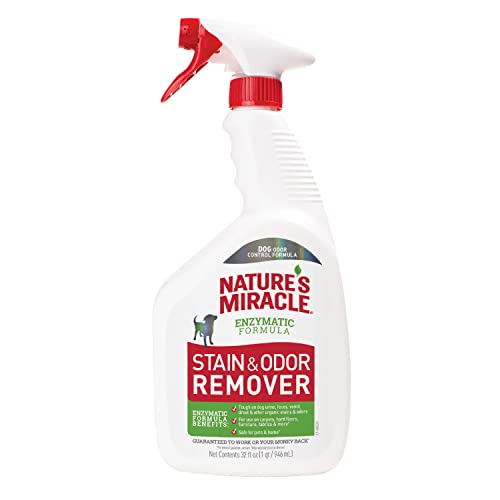
An enzymatic cleaner is the best solution for feces odor because its enzymes physically break down and consume the organic waste and bacteria that are the source of the odor. It does not just mask the smell like an air freshener; it completely eliminates the molecules causing it. This process is essential for permanent odor removal from porous surfaces like car seats.
Think of the enzymes as microscopic “Pac-Men” that are specifically programmed to seek out and “eat” the bad-smelling organic matter, breaking it down into simple, odorless substances like carbon dioxide and water. Standard soaps can’t do this; they only lift surface dirt.
Here’s a comparison of different cleaner types:
| Feature/Aspect | DIY (Vinegar/Baking Soda) | Standard Cleaner (Soap) | Enzymatic Cleaner |
|---|---|---|---|
| Mechanism | Neutralizes pH / Absorbs | Lifts surface dirt / Masks odor | Breaks down & digests organic waste |
| Odor Removal | Partial to Good (for minor cases) | Poor (mostly masks) | Excellent (eliminates source) |
| Stain Removal | Fair | Fair to Good | Excellent |
| Safety for All Surfaces | Risky on some fabrics/leathers | Risky (can contain bleach/ammonia) | Generally very safe (test first) |
| Cost | Very Low | Low | Moderate |
FAQs About how to get poop smell out of car seat
Is poop smell in a car dangerous?
Yes, the lingering smell of feces in a car can be a health risk. The odor is caused by bacteria and potentially pathogens like E. coli, which can become airborne in a confined space. Properly sanitizing the area, not just deodorizing it, is crucial for eliminating these harmful microorganisms and ensuring the vehicle is safe.
How do you clean poop off a car seat strap or seat belt?
To clean a car seat strap, never soak it, as this can weaken the webbing. Instead, use a cloth dampened with a gentle enzymatic cleaner or a 50/50 vinegar-water solution to wipe the strap down. Gently scrub with a soft brush, then wipe with a cloth dampened with clean water. Allow it to air dry completely.
How long does poop smell last in a car?
If not treated, poop smell can last for weeks or even months, especially in warm weather. The odor-causing bacteria will continue to multiply as long as there is an organic source in the seat foam or fabric. Proper cleaning and neutralization with an enzymatic cleaner are required to permanently remove the smell.
What is the best way to clean dried poop from a car seat?
For dried poop, first use a stiff brush to break up and vacuum away as much of the solid material as possible. Then, apply an enzymatic cleaner, allowing it to soak for at least 15-30 minutes to rehydrate and break down the remaining stain and organic matter. Blot and extract the moisture afterward.
Will steam cleaning remove poop smell?
Steam cleaning can help sanitize the surface but may not fully remove the poop smell on its own. The heat can kill bacteria, but it can also force the odor deeper into the seat cushion if not combined with an extraction method. It is best used after an enzymatic cleaner has broken down the source of the smell.
How do you get rid of a sewer gas smell in a car?
A sewer-like smell in your car could be from a bio-contaminant like feces or a mechanical issue. First, thoroughly clean the interior using the methods in this guide. If the smell persists, check your car’s AC system for mold and consider replacing the cabin air filter, as it can trap foul odors.
Can you use bleach on car seats?
No, you should absolutely not use bleach on car seats. Bleach will permanently discolor and damage both fabric and leather upholstery. It can also weaken the fibers of the seat material, creating a safety hazard. Always use cleaners specifically designed for automotive upholstery and perform a spot test.
What home remedy is best for removing poop odor?
The most effective home remedy is a combination of white vinegar and baking soda. The vinegar helps to disinfect and break down the initial mess, while the baking soda, applied afterward, is excellent at absorbing any lingering, stubborn odors from the fabric as it dries. However, it may not be as effective as a dedicated enzymatic cleaner.
How do you clean human feces from a car seat?
The process for cleaning human feces is the same as for pet feces, but with a stronger emphasis on sanitation. Always wear disposable gloves and a mask. After removing the waste, use a high-quality enzymatic cleaner specifically rated to neutralize bacteria and pathogens, then sanitize all surfaces you may have touched.
Does hydrogen peroxide bleach car seats?
Yes, hydrogen peroxide can have a bleaching effect, especially on darker colored fabrics. While it is a good disinfectant, it is risky to use on car upholstery. It is much safer to use a color-safe enzymatic cleaner or a diluted vinegar solution and to always spot-test on a hidden area first.
Key Takeaways: How to Get Poop Smell Out of a Car Seat
- Act Immediately and Safely: The first step is always to ventilate the car, wear gloves, and remove all solid waste to prevent the problem from getting worse. This immediate action is critical for effective odor removal.
- Enzymatic Cleaners Are Essential: For organic, protein-based odors like feces, an enzymatic cleaner is not optional—it’s necessary. These cleaners don’t just mask the smell; they release enzymes that physically break down and eliminate the odor-causing bacteria at its source.
- Material Determines the Method: You cannot use the same cleaning process for fabric and leather. Fabric requires deep cleaning with solutions and potential extraction, while leather needs gentle, pH-neutral cleaners and immediate conditioning to prevent permanent damage.
- Address Perforations with Dry Methods: When cleaning perforated leather seats, avoid liquids that can seep into the vent holes. Use dry tools like a toothpick, compressed air, and a vacuum to remove debris from the holes before cleaning the leather surface.
- Blot, Don’t Rub: Rubbing a stain, especially on fabric, grinds it deeper into the fibers and can damage the material. Always use a blotting motion with a clean cloth to lift the stain and moisture out of the seat.
- Drying is a Crucial Step: Leaving a car seat damp after cleaning is a recipe for mold and mildew, which creates a new odor problem. Ensure the seat is 100% dry by using a wet vac, fans, or a hairdryer on a low-heat setting.
- Sanitize, Don’t Just Deodorize: Feces contain harmful bacteria. True cleaning involves using a product that sanitizes (like a proper enzymatic cleaner or vinegar solution) rather than just spraying an air freshener, which only covers the smell temporarily.
Final Thoughts on Removing Poop Smell From Your Car Seat
Facing a poop accident in your car can feel like a disaster, but it is a completely solvable problem. Success hinges on moving beyond surface cleaning and addressing the issue at its microscopic source. By understanding the difference between masking an odor and eliminating the bacteria that causes it, you gain control over the situation.
Remember the core principles: act fast, choose your cleaner based on your seat’s material, and prioritize sanitization with an enzymatic cleaner. Whether you’re dealing with the absorbent fibers of a cloth seat or the delicate finish of perforated leather, following the right, methodical process will restore your car’s interior to a clean, safe, and odor-free state.
Last update on 2026-02-26 / Affiliate links / Images from Amazon Product Advertising API



![How to Get Rid of Dog Odor in Car Complete Guide [year]](https://i0.wp.com/carxplorer.com/wp-content/uploads/2026/02/How-to-Get-Rid-of-Dog-Odor-in-Car-Complete-Guide-year-2.jpg?resize=60%2C60&ssl=1 "How to Get Rid of Dog Odor in Car Complete Guide [year] 6")


