
Struggling with how to get pollen off your car without washing it? You’re not just dealing with yellow dust; you’re worried about causing fine scratches and swirl marks on your paint. This is a common challenge during peak pollen season.
To get pollen off a car without washing, you must use a method that lubricates the surface to lift the abrasive particles without scratching the paint. The most common techniques involve using a quick detailer spray with plush microfiber towels or an air blower for loose dust. Never wipe pollen off a dry surface, as this will cause swirl marks.
Based on detailing best practices and hands-on testing, this guide reveals the proven, paint-safe techniques. You will discover exactly how to remove pollen safely and learn the professional secrets to prevent it from sticking in the first place, protecting your car’s finish all season long.
Key Facts
- Abrasive Nature: Pollen grains are not soft dust; they are hard, microscopic particles with abrasive shells that can scratch your car’s clear coat, similar to fine-grit sandpaper.
- Acidic Damage: When mixed with moisture from rain or dew, pollen becomes acidic. This acidic residue can etch into the paint’s clear coat if left for too long, causing permanent dull spots.
- Lubrication is Essential: The primary principle for safe removal is lubrication. A high-lubricity spray, like a quick detailer, encapsulates pollen grains, allowing them to be wiped away without dragging them across the paint.
- Dry Wiping Causes Scratches: Using a dry towel or a car duster to remove pollen is one of the most common ways drivers inflict swirl marks and micro-scratches on their vehicle’s finish.
- Protection is Prevention: A protected paint surface (using wax, sealant, or ceramic coating) is hydrophobic and slick, preventing pollen from bonding strongly and making removal significantly easier and safer.
How Do You Get Pollen Off a Car Without Washing It Safely?
Wiping pollen off your dry car is one of the fastest ways to ruin its finish. The core issue is that pollen grains [microscopic, abrasive particles] are not soft. They are hard-shelled specks that act like fine sandpaper when dragged across your vehicle’s exterior. This action causes marring, which are fine, web-like scratches that dull the paint’s shine and are especially visible on dark-colored cars. A safe pollen removal paint technique always prioritizes lifting the dust, not just pushing it around.

The goal is to avoid any process that creates friction between the gritty pollen and your car’s sensitive clear coat. Simply put, you need a buffer between the paint and the pollen. This is why professional detailers stress that any method to remove pollen without scratching must involve lubrication to safely lift the particles away.
Crucial Warning: Never, under any circumstances, use a car duster or a dry towel to wipe pollen. This action directly grinds the abrasive particles into your paint, guaranteeing the creation of swirl marks and scratches.
The risks of improper removal are clear and costly. Ignoring these paint safe techniques can lead to:
* Scratching: Creating fine lines in the clear coat.
* Marring: Developing a web of microscopic scratches that dulls the finish.
* Dulling Finish: Reducing the gloss and reflection of your paint over time.
How Do You Use a Quick Detailer Spray to Safely Remove Pollen?
The safest and most effective method to wipe pollen off a car is by using a quick detailer spray and several plush microfiber towels. This technique provides the necessary lubrication to lift the abrasive pollen from the paint and trap it in the towel’s fibers, preventing scratches. This is a tested method recommended by professional detailers for light dust and pollen removal.
What Tools and Materials Do You Need for This Method?
Before you start, gathering the right supplies is essential for a safe, streak-free result. Expertise is shown by recommending not just any towel, but the right kind of towel.
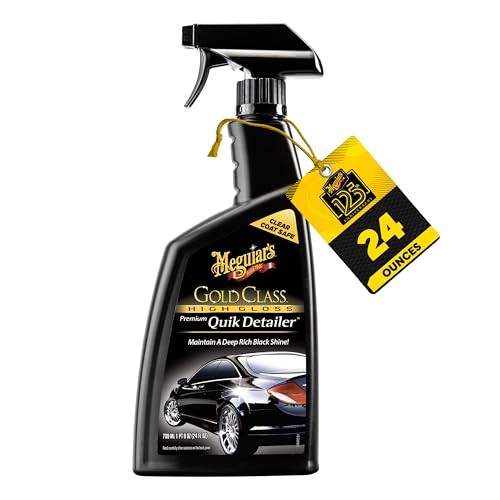
- High-Quality Quick Detailer Spray: Choose a waterless cleaning solution or detailing spray with high lubricity. Some spray wax products also work well.
- Plush Microfiber Towels (At Least Two): You need towels with a high GSM (grams per square meter) of 350 or more. The deep nap of these towels pulls dust away from the surface, which is a key part of marring prevention. Designate one for the initial wipe and a separate one for the final buff.
Step 1: How Do You Prepare the Towel and a Section of the Car?
First, ensure your car is parked in the shade and the paint is cool to the touch. A hot panel will cause the quick detailer spray to evaporate too quickly, reducing lubrication and causing streaks. Fold one of your plush microfiber towels into quarters. This simple fold gives you eight clean, usable sides to work with, preventing you from accidentally wiping with a dirty section.
Step 2: How Do You Apply the Spray and Perform the Initial Wipe?
Work in small, manageable sections, about 2×2 feet at a time. Liberally spray the quick detailer onto the panel. You want the surface to be visibly wet; this isn’t a time to be shy with the product, as the liquid is your primary defense against scratches. Now, take your folded microfiber towel and perform a gentle wipe across the surface in a single, straight line.
Warning: Do not apply pressure. Let the towel and the lubricated cleaning solution do the work. The goal is to let the towel glide, not let it dig. After one pass, lift the towel, flip it to a fresh, clean side, and perform the next pass, slightly overlapping the first. Never scrub back and forth.
What Is the Correct Way to Use an Air Blower to Remove Pollen?
To remove pollen with an air blower, use an electric leaf blower or a dedicated car dryer to blow the loose, dry dust off the surface, starting from the top and working down. This is a completely touchless method that is excellent for removing the bulk of dry pollen, but it has key limitations. Hold the nozzle several feet away from the paint to avoid any risk of damage to emblems or trim.
This method is only effective on dry, loose pollen. If the pollen is wet, sticky, or has been sitting on the car for a while, an air blower will not be powerful enough to remove it. Real-world experience shows this is a great first step but not a complete solution. It will not remove the fine layer of dust film or any sticky residue.
Pro Tip: While a leaf blower works, a dedicated car dryer is a superior tool. These devices use filtered and sometimes heated air, which means you aren’t blowing other abrasive contaminants from the environment back onto your paint.
For those considering a touchless approach, it’s important to understand where it excels and where it falls short compared to a lubricated wipe.
| Feature/Aspect | Air Blower / Car Dryer | Quick Detailer & Towel |
|---|---|---|
| Contactless | ✅ Yes (100% Touchless) | ❌ No (Minimal Contact) |
| Risk of Scratching | Very Low | Low (if done correctly) |
| Removes Sticky Pollen | ❌ No | ✅ Yes |
| Adds Gloss/Protection | ❌ No | ✅ Yes |
| Speed | Very Fast | Fast |
How Can You Prevent Pollen From Sticking to Your Car?
To prevent pollen from sticking to your car, you must apply a protective coating like a car wax, paint sealant, or ceramic coating. These products create an exceptionally slick and hydrophobic (water-fearing) surface. This protective layer reduces surface tension, making it incredibly difficult for contaminants like pollen to bond to your car’s paint. A protected car isn’t just shinier; it’s significantly easier and safer to clean.
Think of it like a non-stick frying pan. Instead of getting stuck in the microscopic pores of your clear coat, the pollen sits loosely on top of the hard, slick protective layer. This means that a simple air blower or a light rinse is often enough to remove most of it.
Here are your main options for paint protection, from shortest to longest lasting:
- Car Wax: This is the traditional option, often using carnauba. It provides excellent slickness and a warm gloss but typically only lasts for 1-3 months.
- Paint Sealant: This is a synthetic polymer that chemically bonds to your paint. It offers more durability, lasting around 4-6 months, and provides a sharp, reflective shine.
- Ceramic Coating (SiO2): This is the ultimate in paint protection. A ceramic coating [a liquid polymer containing silica, the main ingredient in glass] cures to form a hard, durable shell over your paint. This super-slick surface offers the best resistance and can last for several years with proper maintenance.
FAQs About how to get pollen off car without washing
How do you get sticky pollen off a car?
To remove sticky pollen, such as from pine trees, you need a solvent in addition to lubrication. Start by applying a dedicated bug and tar remover or isopropyl alcohol (IPA) diluted 50:50 with water to a microfiber towel, then gently dab the affected area to dissolve the sticky residue before proceeding with a quick detailer wash.
Will a car duster scratch my paint when removing pollen?
Yes, a car duster will likely scratch your paint when used on pollen. Dusters are only safe for very light, non-abrasive household dust. They drag the hard pollen grains across the finish, causing micro-scratches and swirl marks. It is a high-risk method that professional detailers avoid.
How often should I remove pollen from my car?
You should remove pollen as frequently as possible, ideally every 1-2 days during peak season. The longer pollen sits, especially when exposed to moisture and sun, the more it can break down and potentially etch into your car’s clear coat, causing permanent damage beyond simple scratches.
Can rain wash pollen off my car?
Rain can rinse away some loose pollen, but it often makes the problem worse. Rain can mix with heavy pollen to create a thick, acidic slurry that sticks to the paint and can cause water spots or etching as it dries. It is not a substitute for proper cleaning.
How do you clean pollen off car windows and mirrors?
Use a standard glass cleaner and two microfiber towels. Spray the glass cleaner directly onto one towel (not the glass, to avoid overspray). Wipe the window or mirror to remove the pollen and grime, then immediately follow up with a second, dry microfiber towel to buff it to a streak-free finish.
Is it safe to use a pressure washer for pollen?
Yes, a pressure washer is a safe and effective touchless method, if used correctly. Use a wide-angle nozzle (40-degree) and keep it at a safe distance (2-3 feet) from the paint. This will safely blow off the majority of loose pollen before a contact wash, but it won’t remove all residues on its own.
Does pollen damage a car’s clear coat?
Yes, pollen can damage a car’s clear coat. The grains themselves are abrasive and cause scratches. When mixed with water and sun, pollen also becomes acidic, and this acidic residue can etch into the clear coat over time, leading to dull, permanent spots.
What is a “waterless wash” and is it good for pollen?
A waterless wash is a more concentrated, higher-lubricity version of a quick detailer. It’s designed for cleaning a car that is moderately dirty without a hose. It is an excellent and highly effective solution for safely removing pollen, offering more cleaning power and lubrication than a standard detail spray.
How do I remove pollen from a black car without causing swirls?
The quick detailer method is best for a black car, but you must be extra meticulous. Use an extremely plush microfiber towel (500+ GSM), use an excessive amount of lubricant, and apply absolutely zero pressure. The “one-pass and flip” technique is mandatory, as any swirl marks will be highly visible on black paint.
Can I just leave the pollen on my car all season?
No, leaving pollen on your car is highly discouraged as it will likely cause permanent damage. The combination of its abrasive nature, acidity when wet, and the baking effect of the sun can lead to a matrix of fine scratches (marring) and acid etching that will dull your paint and require professional paint correction to fix.
Key Takeaways: How to Get Pollen Off Car Without Washing
- Lubrication is Non-Negotiable – Never wipe, brush, or dust pollen off a dry surface. Doing so will grind the abrasive particles into your paint and cause permanent scratches and swirl marks.
- Quick Detailer is Your Best Tool – The safest and most effective water-free method is using a high-lubricity quick detailer or waterless wash spray with multiple plush microfiber towels to lift pollen away from the paint.
- Air is a Great First Step – A leaf blower or car dryer is an excellent touchless method to remove the top layer of loose, dry pollen before using a lubricated wipe, but it will not remove sticky or caked-on residue.
- Protection is the Best Solution – The easiest way to deal with pollen is to prevent it from sticking in the first place. Applying a car wax, paint sealant, or ceramic coating creates a slick surface that makes pollen removal significantly easier and safer.
- Frequency Matters – Remove pollen every 1-2 days during peak season. The longer it sits, the higher the risk of both scratching and acid etching, which can permanently damage your car’s clear coat.
- Technique Over Speed – When wiping, use straight-line passes with zero pressure, and constantly switch to a clean side of your microfiber towel. The right technique is more important than the specific product you use.
Final Thoughts on Safely Removing Pollen
Ultimately, removing that frustrating layer of yellow dust without a full wash is entirely achievable, as long as you respect one core principle: safety first. The desire for a quick fix should never outweigh the need to protect your vehicle’s paint. By embracing lubrication as your primary tool and using the correct techniques, you can confidently keep your car looking its best throughout the entire pollen season. Protecting your paint with a quality wax or coating is the smartest long-term strategy, turning a difficult chore into a simple, safe task.
Last update on 2026-02-26 / Affiliate links / Images from Amazon Product Advertising API


![How to Get Rid of Dog Odor in Car Complete Guide [year]](https://i0.wp.com/carxplorer.com/wp-content/uploads/2026/02/How-to-Get-Rid-of-Dog-Odor-in-Car-Complete-Guide-year-2.jpg?resize=60%2C60&ssl=1 "How to Get Rid of Dog Odor in Car Complete Guide [year] 6")


