
Tired of unsightly water marks diminishing your car’s interior? Those frustrating rings and spots can make even a clean car feel dirty, and figuring out how to get out water stains from car seats can seem like a daunting task. This is a common challenge for car owners, but the solution is often simpler than you think.
To remove water stains from car seats, you must first vacuum the area, then apply a suitable cleaning solution—like a vinegar and water mix for fabric or a dedicated leather cleaner—and gently agitate. Blot the area dry, never rub, and allow it to air dry completely.
Leveraging an extensive analysis of proven cleaning techniques, this guide unpacks a systematic, data-driven approach to help you effectively remove water stains from any type of car seat. We will explore the root causes of these stains, detail the essential preparation steps, and provide proven methods for both fabric and leather upholstery, ensuring you can restore your car’s interior with confidence.
Key Facts
- Mineral Deposits are the True Culprit: Water stains are not caused by water itself, but by mineral deposits like calcium and magnesium that get left behind after the water evaporates, as highlighted by multiple expert analyses.
- Blotting is Non-Negotiable: For fresh spills on fabric, expert consensus shows that blotting with an absorbent cloth is critical. Rubbing can spread the stain and push it deeper into the fibers, making it harder to remove.
- Spot Testing Prevents Disasters: Before applying any cleaning solution, professionals strongly recommend testing it on a small, hidden area to prevent potential discoloration or damage to the upholstery.
- Leather Requires Conditioning: After cleaning leather seats, it is essential to apply a high-quality leather conditioner. This step, often overlooked, moisturizes the material to prevent cracking and creates a protective barrier against future stains.
- Prevention is Powerful: Applying a fabric protector or waterproofing spray can create a water-repellent barrier, significantly reducing the likelihood of future water stains, according to automotive care guides.
Understanding Water Stains on Car Seats: Causes & Types
Water stains on car seats primarily result from mineral deposits (calcium, magnesium) left behind after water, especially hard water, evaporates, appearing as streaks, spots, or rings. Even seemingly clean rainwater can contain enough minerals to leave a mark once it dries. The appearance of these stains often depends on the material of your car seat and the type of water.

Here’s a breakdown of the common causes and effects you might see:
- Hard Water Contamination: The most frequent cause. As hard water evaporates, it leaves behind concentrated mineral deposits, which are the visible stain.
- Material-Specific Appearance: On fabric upholstery, water stains often appear as dark, unsightly rings. On vinyl, they might look like lighter-colored streaks or spots. For leather, prolonged exposure can lead to noticeable discoloration.
- The Risk of Neglect: If left unaddressed, moisture trapped in the upholstery can lead to the growth of mold and mildew, creating a secondary, more serious problem.
Quick Fact: Even seemingly clean rainwater can leave mineral deposits on your car seats!
Essential Preparation & Tools Before You Begin
Proper preparation, including thorough vacuuming and spot testing cleaning solutions, is crucial to effectively and safely remove water stains from car seats. Taking these preliminary steps ensures you don’t accidentally make the stain worse or damage your upholstery. A systematic approach is the foundation for a successful outcome.
1. Vacuum Thoroughly: The Foundation for Clean Seats
Thoroughly vacuuming car seats removes loose dirt and debris, preventing them from exacerbating water stains during wet cleaning. Before you introduce any moisture, you must remove all loose particles. Use a vacuum with an upholstery attachment to meticulously clean the entire seat, paying special attention to crevices and seams where dirt and crumbs hide. This simple action prevents loose dirt from turning into mud and making the water stain worse once you start the cleaning process.
2. Gather Your Arsenal: Essential Cleaning Supplies
Essential supplies for removing car seat water stains include a vacuum, distilled water, vinegar, microfiber cloths, an upholstery brush, and material-specific cleaners. Having everything ready will make the process smooth and efficient. Imagine trying to paint without a brush – gathering supplies is just as crucial for cleaning!
- Vacuum: A shop vacuum is ideal, especially for its ability to handle moisture.
- Water: Distilled water is highly recommended because it contains no minerals and won’t leave new stains.
- White Vinegar: A powerful and safe DIY cleaning agent.
- Microfiber Cleaning Cloths: Several clean, dry cloths are needed for application and blotting.
- Upholstery Brush: A soft-bristled brush is essential for agitating stains without damaging the fabric.
- Specialized Cleaners: Depending on your seat material, you may need a dedicated fabric upholstery cleaner or a specific leather cleaner and conditioner.
3. The Crucial Spot Test: Avoiding Damage
Always spot test any cleaning solution on an inconspicuous area of the car seat first to prevent discoloration or damage to the upholstery. Don’t skip this step – a small test can save you from a big headache! Apply a small amount of your chosen cleaner to a hidden spot, like under the seat or on a small section at the back. Wait for it to dry completely and check for any color fading or material damage. This is particularly important for different upholstery types like cloth, leather, vinyl, or suede, as each can react differently.
Proven Methods: Removing Water Stains from Fabric Car Seats
For fabric car seat water stains, effective methods include blotting fresh spills, using vinegar or baking soda solutions, or applying specialized upholstery shampoos and steam cleaning. Fabric seats are porous and prone to absorbing spills, but with the right technique, even set-in stains can be conquered. Which method will be your fabric seat’s hero today?

1. Immediate Action: Blotting Fresh Spills
For fresh water spills on fabric car seats, immediately blot the area with a clean, absorbent cloth, avoiding rubbing to prevent spreading the stain. Time is of the essence. Remember: When it comes to fresh spills, blot, don’t rub!
- Grab a clean, absorbent paper towel or microfiber cloth.
- Press firmly onto the wet area to soak up as much moisture as possible.
- Lift the cloth and use a dry section to repeat the process.
- Do NOT rub the area. Rubbing pushes the minerals deeper into the fibers and can spread the stain, making it larger and more difficult to remove.
- Continue blotting until the cloth no longer picks up moisture.
2. DIY Powerhouses: Vinegar & Baking Soda Solutions
Effective DIY methods for fabric car seat water stains include a 1:3 white vinegar and water solution, or a thick paste of baking soda and water applied with gentle scrubbing. These household staples are powerful, safe, and cost-effective. Which of these household heroes do you already have on hand?
Method 1: The Vinegar Solution
1. Mix one part white vinegar with three parts warm water in a spray bottle. For extra cleaning power, you can add a few drops of dish soap.
2. Lightly mist the stained area. Be careful not to oversaturate the fabric.
3. Let it sit for a few minutes to allow the vinegar to break down the mineral deposits.
4. Gently scrub the area with a soft-bristled upholstery brush.
5. Blot the area with a clean, dry microfiber cloth to absorb the solution and the lifted stain.
Method 2: The Baking Soda Paste
1. Create a paste by mixing a quarter cup of baking soda with just enough warm water to form a thick consistency.
2. Apply the paste directly onto the water stain.
3. Gently rub the paste into the fabric in a circular motion using a soft brush or a toothbrush. Baking soda acts as a mild abrasive to clean and a natural agent to deodorize.
4. Let it sit for 15-30 minutes for stubborn stains.
5. Remove the dried residue with a vacuum and wipe with a clean, damp cloth.
3. Alternative Household Options: Club Soda & Laundry Detergent
Club soda can be used for small fabric stains, while a diluted laundry detergent solution is effective for general stain removal on car seats. If you don’t have vinegar or baking soda, these alternatives can also work in a pinch.
- Club Soda: Club soda isn’t just for drinks – it’s a surprising stain fighter! The carbonation helps lift stains from fabric fibers. Simply spray it directly onto the stain, scrub gently with a soft brush, and blot dry with a clean towel.
- Laundry Detergent: Mix a small amount of liquid or powdered laundry detergent with warm water to create a sudsy solution. Apply it to the stain, let it sit for about 10 minutes, and then scrub gently. Use a second cloth dampened with cold water to “rinse” the area and remove any soap residue before blotting dry.
4. Advanced Solutions: Specialized Upholstery Cleaners & Steam Cleaning
For stubborn fabric water stains, specialized upholstery shampoos like Woolite or steam cleaning offer highly effective deep-cleaning and sanitization. When DIY methods aren’t enough, it’s time to bring in the heavy hitters.
Method 1: Specialized Upholstery Cleaner
1. Choose a high-quality foam-based cleaner. A recommended product is Woolite Upholstery & Carpet Foam.
2. Follow the product instructions carefully, applying the foam evenly over the stain.
3. Scrub the area gently with a soft-bristled brush to work the cleaner into the fabric.
4. Wipe and blot the area with a clean cloth to remove the foam and lifted dirt.
5. Vacuum the seat once it is completely dry to remove any remaining residue.
Method 2: Steam Cleaning
1. Use a steam cleaner designed for upholstery for a deep and sanitizing clean. The high temperature of the steam is incredibly effective at loosening deep-set grime and stain particles.
2. Move the steam cleaner nozzle slowly and evenly across the stained area.
3. For stubborn spots, go over the area a second time, using a soft-bristled brush immediately after steaming to agitate the loosened stain.
4. Wipe the area with a clean microfiber cloth to absorb the excess moisture and dirt.
Consider steam cleaning for a truly revitalized interior – it’s a game-changer!
Proven Methods: Removing Water Stains from Leather & Faux Leather Seats
Removing water stains from leather car seats requires gentle methods like mild soap and water, specialized leather cleaners, and essential post-cleaning conditioning. Unlike fabric, leather is less absorbent but can be easily damaged by harsh chemicals or improper techniques. It requires a delicate touch, but the results are worth it!
1. Gentle Cleanse: Mild Soap and Water for Minor Stains
For minor water spots on leather, gently wipe with a microfiber cloth dampened (not soaked) in an equal parts vinegar and room-temperature water mixture. This is the first and gentlest approach. Did you know a simple vinegar and water mix can work wonders on leather?
- Mix equal parts white vinegar and room-temperature water.
- Dampen a clean microfiber cloth with the solution. It is crucial that the cloth is damp, not soaking wet, to avoid introducing too much moisture.
- Gently work on the stain, rubbing outward from the center of the stain towards the seams. This technique helps to blend the cleaned area and avoid creating a new ring.
- Wipe the area with a separate, clean, and dry cloth.
- Let it air dry naturally.
2. Targeted Solutions: Specialized Leather Cleaners
For significant leather water stains, use a specialized automotive leather cleaner (like Lexol) sprayed onto a microfiber towel, then gently wipe the stained area in circular motions. For those stubborn marks, a dedicated leather cleaner is your best friend!
- Choose a cleaner specifically formulated for automotive leather, such as Lexol.
- Spray the cleaner onto a microfiber towel, not directly onto the seat. Applying directly to the leather can cause droplets to run and leave new marks.
- Gently wipe the stained area using circular motions.
- Use a second clean, damp cloth to wipe away any excess cleaner.
- Dry the area with a final clean, dry towel.
3. Post-Cleaning Essential: Conditioning for Protection
Always apply a high-quality leather conditioner after cleaning to keep the material soft, moisturized, prevent cracking, and protect against future stains. This is the most important final step for leather care. Think of conditioning as sunscreen for your leather seats – essential protection! After the seat is completely dry from cleaning, apply a small amount of conditioner to a microfiber cloth and work it into the leather in gentle, circular motions. Let it absorb, then buff off any excess with a clean cloth.
Post-Cleaning Care & Preventing Future Water Stains
After cleaning, fully air dry car seats and apply fabric protectors or use seat covers to prevent future water stains. Proper post-cleaning care is just as important as the cleaning itself. It ensures your hard work lasts and prevents new issues from arising. A little prevention goes a long way in keeping your seats pristine!
1. Air Dry Completely: The Final Crucial Step
Always allow car seats to air dry completely after cleaning to prevent mold and odors, facilitating airflow by opening doors and windows, and avoiding direct heat. Patience is key here – a fully dry seat is a happy seat!
- Promote Airflow: Leave your car doors or windows open in a secure, well-ventilated area like a garage.
- Be Patient: Depending on humidity, it can take several hours for seats to dry completely.
- Avoid Direct Heat: Do not use a hair dryer or park the car in direct, intense sunlight to speed up the process. This can permanently set any remaining traces of the stain and can damage the upholstery fibers or fade the leather.
- Check for Dampness: Before closing up the car, press a dry paper towel firmly into the cleaned area to ensure no moisture remains. Lingering moisture can lead to mold and musty smells.
2. Proactive Protection: Fabric Protectors & Seat Covers
Applying fabric protectors or using high-quality seat covers creates a water-repellent barrier, significantly preventing future car seat stains. Invest in protection now, save yourself cleaning headaches later!
- Fabric Protectors & Waterproofing Sprays: For fabric seats, apply a quality waterproofing spray designed for automotive upholstery. For leather, a silicone-based protector can repel water. These products create an invisible barrier that causes spills to bead up on the surface instead of soaking in. Always test the spray in an inconspicuous area first to ensure it doesn’t affect the color or texture of your seats.
- High-Quality Seat Covers: This is the ultimate preventative measure. Seat covers provide a physical barrier against spills, dirt, and daily wear and tear. They are easily removable and washable, making them a practical solution for anyone with kids, pets, or an active lifestyle.
3. Ongoing Vigilance: Regular Maintenance & Immediate Action
Regular vacuuming, wiping down seats, and immediately cleaning up spills are crucial for preventing dirt accumulation and new stains. A few minutes of regular care can save hours of deep cleaning!
- Regular Vacuuming: Make it a habit to vacuum your seats weekly to remove dirt and debris that can contribute to staining.
- Immediate Action: The most critical advice is to clean up any spills the moment they happen. Keep a clean cloth or paper towels in your car for this exact purpose. The quicker you blot a spill, the less likely it is to become a permanent stain.
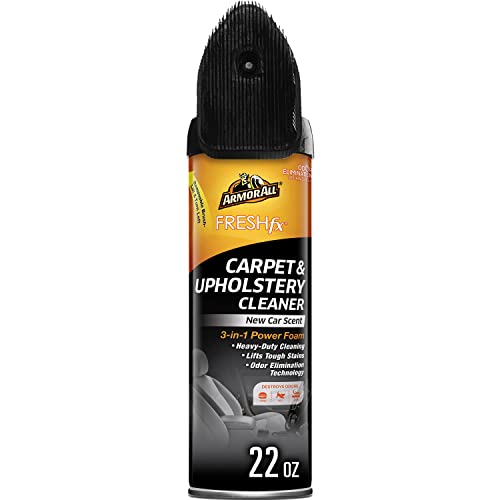
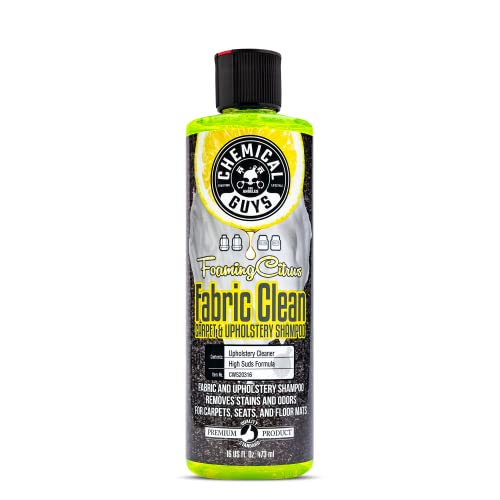
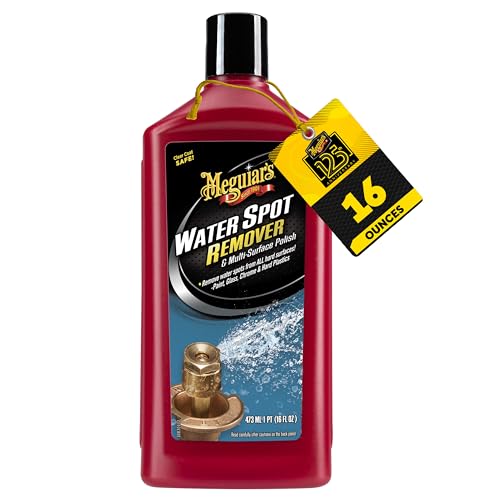
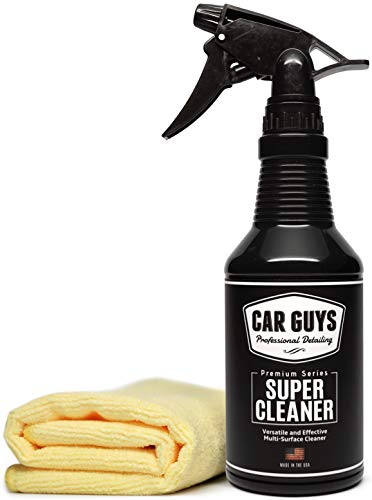
For the most stubborn stains, having a powerful, dedicated cleaner on hand is a game-changer. Explore these top-rated car upholstery cleaners that professionals and car owners trust to handle everything from water marks to tough grime.


When to Seek Professional Car Detailing Help
If water stains are extensive, particularly stubborn, or if you’re unsure about cleaning methods, it’s best to consult a professional car detailing service. While DIY methods are effective for most common stains, some situations require an expert’s touch. Sometimes, it’s best to call in the cavalry – or, in this case, the professional detailer! Professionals possess specialized equipment like hot water extractors and commercial-grade steam cleaners, along with the expertise to tackle the most challenging stains without damaging your vehicle’s interior.
FAQs About how to get out water stains from car seats
How to get water marks out of fabric car seats?
To remove water marks from fabric seats, start by blotting. Then, lightly spray a solution of one part white vinegar to three parts warm water. Gently scrub with a soft-bristled brush and blot the area dry with a microfiber cloth. For tougher stains, a baking soda paste or a specialized upholstery shampoo like Woolite can be used.
How to remove dried water stains from a car?
Dried water stains can be removed, but they require more effort. For fabric, a baking soda paste left on for 30 minutes or a dedicated upholstery cleaner is effective. For leather, use a specialized leather cleaner applied to a towel, not the seat. The key is gentle but persistent agitation followed by proper drying.
What is the best water stain remover for car seats?
The best remover depends on the seat material. For fabric seats, a DIY solution of vinegar and water is a great starting point, with specialized foam cleaners like Woolite being excellent for tougher jobs. For leather seats, a dedicated pH-balanced automotive leather cleaner, such as Lexol, is the best and safest choice to avoid damage.
Can I use baking soda on my car seats?
Yes, you can safely use baking soda on fabric car seats. It is an effective cleaner and a natural deodorizer. Create a thick paste with baking soda and water, apply it to the stain, scrub gently with a soft brush, let it sit for up to 30 minutes, and then vacuum away the residue. Avoid using it on leather.
Why does my car seat look worse after cleaning?
A car seat can look worse after cleaning for two main reasons. First, using too much water can spread the existing mineral deposits over a larger area, creating a bigger ring. Second, if the seat is not allowed to air dry completely, the lingering moisture can create its own new watermark or mildew. Always use minimal moisture and ensure thorough drying.
How can I prevent water stains from happening again?
The best prevention methods are applying a fabric protector or waterproofing spray to create a liquid-repellent barrier and cleaning up all spills immediately by blotting them. For ultimate protection, especially with children or pets, using high-quality, washable seat covers is the most effective long-term strategy to keep your seats pristine.
Final Summary: Your Spotless Car Seat Action Plan
You now have a complete, proven playbook for how to get out water stains from car seats. By understanding that mineral deposits are the enemy, choosing the right method for your specific upholstery—fabric or leather—and committing to proper preparation and post-cleaning care, you can effectively eliminate those frustrating marks. From the gentle power of a vinegar solution to the deep-cleaning action of specialized products, the tools for success are within your reach.
Take these insights and confidently apply them to restore your car’s interior. Remember these critical takeaways:
- Identify & Prepare: Always vacuum thoroughly first and spot-test your chosen cleaning solution.
- Blot, Don’t Rub: For fresh spills on fabric, always blot with a clean, absorbent cloth to prevent spreading the stain.
- Match Method to Material: Use gentle, DIY solutions like vinegar and water for fabric, and dedicated, pH-balanced cleaners and conditioners for delicate leather.
- Dry Properly: Always allow seats to air dry completely away from direct heat to prevent new stains or mold from forming.
- Prevent Future Stains: Proactively use fabric protectors or seat covers to save yourself future cleaning headaches.
Last update on 2026-02-14 / Affiliate links / Images from Amazon Product Advertising API


![EUHOMY 37QT Dual Zone Review: Best 12V Car Fridge? [year]](https://i0.wp.com/carxplorer.com/wp-content/uploads/2026/02/EUHOMY-37QT-Dual-Zone-Review-Best-12V-Car-Fridge-year-1.jpg?resize=60%2C60&ssl=1 "EUHOMY 37QT Dual Zone Review: Best 12V Car Fridge? [year] 14")

