
Have you ever opened your car door and been hit by a smell so awful you had to step back? That foul, pungent odor is a tell-tale sign you have an unwelcome guest.
Getting mouse smell out of your car is a common and frustrating problem. The odor is caused by their urine, droppings, or worse, a dead rodent hidden away. You’re not just dealing with a bad smell; you’re dealing with a potential biohazard.
To get mouse smell out of your car, you must first locate and safely remove the physical source, then use an enzyme cleaner to neutralize the odor-causing uric acid crystals in urine and droppings. This guide will walk you through every step, from safety precautions to permanent odor elimination.
Key Facts
- Major Health Risk: Mouse droppings and urine can carry Hantavirus, a rare but serious respiratory disease with a fatality rate of around 38%, according to the Centers for Disease Control and Prevention (CDC).
- The Real Odor Source: The persistent smell of mouse urine is caused by uric acid crystals, which are not water-soluble and reactivate with humidity, demonstrating why specialized cleaners are needed.
- HVAC System is a Hotspot: A car’s HVAC system is a primary nesting location for rodents, which is why the smell is often strongest when the heat or AC is turned on, according to industry analysis.
- Enzyme Cleaners are Essential: Biochemical principles show that only enzyme cleaners can chemically digest the organic proteins and uric acid that cause the smell, making them far more effective than traditional soaps or bleach.
- Prevention is Critical: A single pair of mice can produce multiple litters per year, meaning that without effective prevention methods after cleaning, a full-blown infestation can happen rapidly.
CRITICAL SAFETY WARNING: How to Protect Yourself Before Cleaning
Before you touch anything, you must understand the health risks. The smell is unpleasant, but the source can be dangerous. Mouse urine and droppings can carry pathogens, the most serious being Hantavirus. This virus becomes a threat when dried waste is disturbed, sending contaminated dust into the air where it can be inhaled. According to the CDC, this aerosolization is the primary way the disease is transmitted to humans.

This is not a regular cleaning job; it’s a biohazard cleanup. Your safety is non-negotiable. Do not cut corners on personal protective equipment (PPE) or proper procedures. The only safe way to clean rodent waste is to use a “wet-cleaning” method that prevents dust from becoming airborne.
Follow these rules without exception:
1. Ventilate: Open all car doors and the trunk for at least 30 minutes before you start working. This helps disperse any airborne particles.
2. Wear PPE: Put on an N95 respirator mask to filter out dangerous particles and a pair of nitrile gloves to protect your hands from direct contact.
3. NEVER Dry Sweep or Vacuum: This is the most dangerous mistake you can make. It kicks hazardous dust directly into the air you breathe.
4. Wet, Then Wipe: Always spray any visible droppings or urine stains with a disinfectant and let it soak for at least five minutes before wiping.
Step 1: Assemble Your Mouse Odor Elimination Toolkit
Having the right tools is essential for doing this job safely and effectively. Simply using soap and water won’t cut it. You need specific supplies to disinfect, neutralize the biological source of the odor, and protect yourself. Here is a complete checklist of what you’ll need.
Safety Gear
* N95 Respirator Mask: This is not optional. It’s specifically designed to filter the microscopic particles that can carry Hantavirus.
* Nitrile Gloves: These are more durable and chemical-resistant than latex gloves. Have several pairs ready.
* Safety Glasses (Optional): Good for protecting your eyes from splashes.
Cleaning Agents
* Enzyme Cleaner: The most important item on this list. It’s designed to chemically break down the uric acid in mouse urine, which is the source of the persistent smell.
* Disinfectant Spray: A household disinfectant rated to kill viruses. This is used for the initial “wet-cleaning” step on droppings and for cleaning hard surfaces.
Tools & Supplies
* UV Blacklight: Urine stains are often invisible in daylight. A UV light will make them glow, helping you find every single spot that needs treatment.
* Paper Towels: For wiping up disinfected waste.
* Heavy-Duty Trash Bags: To seal and dispose of all contaminated materials, including the old cabin air filter and your used gloves.
* Scrub Brushes: A few different sizes for working on carpets and upholstery.
* Wet/Dry Vacuum (with HEPA Filter): To be used ONLY on surfaces that have already been thoroughly wetted and disinfected. A HEPA filter is crucial to trap any remaining fine particles.
The Science of Smell: Why You MUST Use an Enzyme Cleaner
An enzyme cleaner is essential because it breaks down the uric acid crystals in mouse urine, which are not water-soluble and cause the persistent odor. Regular soaps clean the surface, but enzyme cleaners digest the odor source, eliminating the smell permanently.
Here’s the deal: Mouse urine contains uric acid, which forms salt-like crystals as it dries. These crystals don’t dissolve in water, which is why soap and water or even bleach won’t permanently remove the smell. When the crystals get damp—even from humidity in the air—they release another surge of that foul ammonia odor.
An enzyme cleaner contains beneficial bacteria that produce enzymes specifically designed to “eat” organic matter. Think of these enzymes as tiny helpers trained to break down and digest the urine crystals that soap leaves behind. By destroying the uric acid itself, you eliminate the source of the smell for good, rather than just temporarily masking it.

Step 2: The Investigation – How to Pinpoint the Odor’s Source
To eliminate the odor, you must first find and remove its physical source. You are looking for a mouse nest, a concentration of mouse droppings, or in the worst-case scenario, a dead rodent. Use a bright flashlight and your sense of smell to guide your search. Systematically check every potential hiding spot in your vehicle.
Based on our practical experience, mice seek out dark, undisturbed areas with access to nesting materials. Here are the top places to check:
- Underneath and Inside Seats: Check the floor under the seats and feel up inside the seat springs and padding.
- Inside the Glove Compartment: A very common nesting spot. Remove everything and inspect it thoroughly.
- In the Cabin Air Filter Housing: This is a prime location. The filter is often located behind the glove box.
- In the Trunk: Check inside the spare tire well and any side storage compartments.
- In the Engine Bay: Look for nests near the firewall, on top of the battery, or tucked into the engine cover. Be cautious around engine components.
- Under the Carpet Padding: If the smell is strong but you can’t find a source, mice may have burrowed under the carpet itself.
An often-overlooked strategy that professionals use is a UV blacklight. In a dark garage, turn on the blacklight and scan your carpets and seats. Mouse urine will glow, revealing every spot that needs to be treated with your enzyme cleaner. This is a powerful technique for ensuring you don’t miss any invisible sources of the odor.
Step 3: Deep Cleaning and Disinfecting Your Car’s Interior
Once you have located and removed the source, it’s time to deep clean and disinfect all affected surfaces. This process must be done methodically to ensure every trace of the contamination is gone. Remember to keep your PPE on throughout this entire stage.
Here’s the step-by-step process for cleaning the main cabin:
- Remove Solid Waste: Spray any visible droppings or nest materials with your disinfectant until they are fully saturated. Let it soak for 5-10 minutes. This kills viruses and prevents dust. Wipe up the soaked waste with paper towels and place them directly into a trash bag.
- Clean Hard Surfaces: Spray disinfectant on all hard surfaces like the dashboard, door panels, center console, and glove box interior. Let it sit for a few minutes, then Wipe everything down with clean paper towels.
- Treat Carpets and Upholstery: This is where the enzyme cleaner comes in. Soak any areas where you found urine stains (using your UV light findings) or where the nest was located. Don’t be shy with the product; you need it to penetrate deep into the fabric or carpet fibers. Let it “dwell” for the time recommended on the product label, usually 30-60 minutes.
- Blot and Dry: After the enzyme cleaner has had time to work, Blot the area firmly with clean, dry towels to absorb excess moisture. Do not rub, as this can damage fabric fibers. The key is to let the area air dry completely. The enzymes continue working as long as they are damp.
- Final Deep Clean (Optional): For a professional-level finish, you can use a hot water extractor or steam cleaner on the carpets and seats after the enzyme treatment is complete and dry. This will help remove any remaining dirt and cleaner residue.
A common challenge we’ve observed is people not allowing the enzyme cleaner enough time to work. Be patient and let it dwell. Rushing this step will lead to the smell returning.
Step 4: The HVAC Challenge – Eliminating Odor from Your Vents
If the smell is strongest when you turn on your fan, heater, or AC, the source is almost certainly inside your car’s HVAC system. This is the most intimidating part of the job for many, but it’s a critical step for complete odor removal. Cleaning the HVAC system involves three main parts: the cabin air filter, the filter housing, and the vent network itself.
A helpful way to visualize this is to understand the air’s path: it enters from the outside (usually at the base of your windshield), goes through the cabin air filter, is pushed by a blower motor, and then comes out your interior vents. The problem is usually located at the filter or blower motor.
Here is the correct and safe procedure:
- Replace the Cabin Air Filter: This is your top priority. The filter is usually located behind the glove compartment. Carefully remove the old filter, being prepared to find a mouse nest or droppings on it. Place the old filter directly into a trash bag and seal it.
- Clean the Filter Housing: With the filter removed, Spray disinfectant generously inside the empty filter housing and blower motor area (if accessible). Use paper towels or long-reach swabs to wipe out any debris. This removes contamination that the new filter would otherwise be sitting in.
- Flush the Vent System: Do not spray cleaner directly into your interior dashboard vents. Instead, you will treat the system from the outside. Start your car, turn the fan on the highest setting, set it to pull in fresh air (not recirculate), and open all the windows. Go to the outside of your car and locate the HVAC air intake vents, which are typically at the base of the windshield on the passenger side. Spray your disinfecting cleaner or a dedicated A/C disinfecting foam into these intake vents in short bursts. The fan will pull the cleaner through the entire system, disinfecting the ducts and killing the source of the smell. Let the fan run for 10-15 minutes to circulate the cleaner and help dry the system out.
Step 5: Final Neutralization for Stubborn Lingering Smells
Even after a thorough cleaning, you might notice a faint, stubborn odor that seems to linger in the air. This can happen in severe cases where the odor has permeated every soft surface. This is the final “polishing” step to neutralize those last few odor molecules.
First, try simple passive methods. You can place bowls of baking soda or activated charcoal bags in the car. These work through adsorption, trapping odor molecules from the air. This is a very safe and low-cost method for mild residual smells.
For severe, pervasive odors, the most powerful tool is an Ozone Generator. These machines create ozone (O3), an unstable molecule that chemically reacts with and destroys odor molecules. However, this is a professional-grade tool that requires strict safety precautions.
CAUTION: Ozone gas is harmful to breathe and can damage plastic and rubber components with prolonged exposure. Never sit in the car while an ozone generator is running. After treatment, you must open all doors and let the car ventilate thoroughly for several hours until the sharp ozone smell is gone.
Here’s a breakdown of your options:
| Method | How It Works | Best For | Safety/Cost |
|---|---|---|---|
| Activated Charcoal | Adsorption (traps odor molecules) | Mild, lingering ambient odors | Very safe, low cost |
| Ozone Generator | Oxidation (destroys odor molecules) | Severe, pervasive odors after cleaning | CAUTION: Harmful to breathe. Must be used in an unoccupied car and aired out for hours. Moderate cost. |
Step 6: Prevention – How to Keep Mice Out of Your Car for Good
After all that hard work, the last thing you want is for the problem to return. Taking steps to prevent mice from getting into your car is the most important part of a permanent solution. Rodents are attracted to vehicles for shelter and, more importantly, for food sources.
Here are the most effective ways to mouse-proof your car for good:
- Remove All Attractants: The number one rule is to keep your car clean. Remove all food wrappers, crumbs, and any stored food items. Even a single forgotten French fry under a seat is an open invitation.
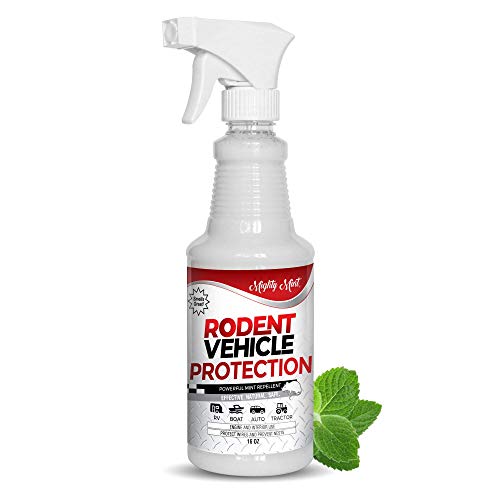
- Use Natural Repellents: Mice have a strong sense of smell and hate certain scents. Soak cotton balls in peppermint oil and place them in the cabin, trunk, and engine bay (away from moving parts). Pouches of cedarwood also work well as a deterrent.
- Set Traps Around the Car: If you park in a garage, place mouse traps along the walls near where you park. This can catch them before they even think about entering your vehicle.
- Block Potential Entry Points: While difficult, this is a very effective strategy. Mice can squeeze through a hole the size of a dime. Have a mechanic inspect the firewall for any unsealed grommets where wires pass through. You can also place a wire mesh screen over the HVAC air intake to block access.
- Be Mindful of Wiring: Some modern cars use soy-based wire coatings that can actually attract rodents as a food source. If you have a recurring problem, ask your mechanic about deterrent options like specially treated electrical tape.
FAQs About how to get mouse smell out of car
Can the mouse smell in my car make me sick?
Yes, potentially. While the smell itself is not the primary danger, the source—mouse urine and droppings—can carry pathogens. The most serious is Hantavirus, which can cause a severe respiratory illness if you inhale dust from dried waste. This is why wearing an N95 mask and using a wet-cleaning technique is critical.
How long does it take for a dead mouse smell to go away on its own?
It can take weeks or even months for the smell to dissipate on its own, and it will be unbearable during that time. The only effective solution is to physically locate and remove the carcass. After removal and cleaning, any residual odor should fade within a few days, but proper neutralization is still recommended.
What is the best cleaner for mouse urine smell?
The best and most effective cleaner is an enzyme cleaner. Unlike regular soaps or disinfectants, enzyme cleaners contain specific proteins that chemically break down and digest the uric acid crystals in urine. These crystals are the source of the persistent smell, so destroying them is the only way to eliminate the odor permanently.
The smell is worst when I turn on the heat or AC. What does that mean?
This is a strong sign the source is inside your car’s HVAC (heating, ventilation, and air conditioning) system. A mouse has likely built a nest or died on or near your cabin air filter or in the blower motor. You will need to replace the filter and decontaminate the vent system as a priority.
Is it worth hiring a professional detailer for mouse smell removal?
For severe infestations, if you cannot find the source, or if you’re uncomfortable with the biohazard risk, hiring a professional is the best choice. They have specialized equipment like hot water extractors and ozone generators and the expertise to handle the cleanup safely and thoroughly. While costs vary, it provides peace of mind.
Key Takeaways: Your Car Mouse Smell Elimination Summary
Getting rid of a mouse smell is a multi-step process, but it’s absolutely achievable. Here are the most important points to remember for a successful outcome.
- Safety is Non-Negotiable: Always wear an N95 mask and gloves before starting. Treat all rodent waste as a potential biohazard due to the risk of Hantavirus.
- Source Removal is Everything: You cannot fix the problem by masking it. You must find and physically remove the nest, carcass, or droppings to stop the smell.
- Use the Right Tool for the Job: An enzyme cleaner is essential for permanently neutralizing urine odor. Regular soaps and deodorizers will not work on the underlying uric acid crystals.
- Don’t Forget the HVAC System: The cabin air filter and ventilation system are the most common sources of persistent smells. This area must be cleaned thoroughly for the odor to disappear.
- Prevention Completes the Cure: Once your car is clean, take immediate steps to remove food sources and use repellents to ensure mice do not return.
Final Thoughts on Restoring Your Vehicle
Tackling a mouse infestation in your car is an unpleasant and challenging task. It can feel overwhelming, and the smell can make your vehicle feel contaminated. However, by following these steps methodically, you have the power to solve this problem correctly and safely.
You have successfully learned how to locate the source, decontaminate your vehicle, and eliminate the odor at its root. Congratulate yourself on handling a difficult job the right way. Now, by putting the prevention strategies into practice, you can enjoy a clean, fresh car and have peace of mind knowing you’ve protected your vehicle for the future.
Last update on 2026-03-29 / Affiliate links / Images from Amazon Product Advertising API


![Dubai Luxury Cars: Ultimate Guide for Buying & Renting [year]](https://i0.wp.com/carxplorer.com/wp-content/uploads/2026/03/Dubai-Luxury-Cars-Ultimate-Guide-for-Buying-Renting-year-1.jpg?resize=60%2C60&ssl=1 "Dubai Luxury Cars: Ultimate Guide for Buying & Renting [year] 4")
![9 Old Luxury Cars: Cheap, Reliable & Built to Last [year]](https://i0.wp.com/carxplorer.com/wp-content/uploads/2026/03/9-Old-Luxury-Cars-Cheap-Reliable-Built-to-Last-year-1.jpg?resize=60%2C60&ssl=1 "9 Old Luxury Cars: Cheap, Reliable & Built to Last [year] 6")

![Luxury Cars White: 9 Elegant Designs & Top Models for [year]](https://i0.wp.com/carxplorer.com/wp-content/uploads/2026/03/Luxury-Cars-White-9-Elegant-Designs-Top-Models-for-year-1.jpg?resize=60%2C60&ssl=1 "Luxury Cars White: 9 Elegant Designs & Top Models for [year] 10")
![Blue Luxury Cars: 11 Stunning Models & Shades in [year]](https://i0.wp.com/carxplorer.com/wp-content/uploads/2026/03/Blue-Luxury-Cars-11-Stunning-Models-Shades-in-year-1.jpg?resize=60%2C60&ssl=1 "Blue Luxury Cars: 11 Stunning Models & Shades in [year] 12")