Worried about the musty smell or ugly spots on your prized leather seats? You’re not alone; discovering mold is a frustrating problem for any car owner. It’s a sign of trapped moisture that needs immediate attention.
To get mold off leather car seats, first vacuum the area with a HEPA filter vacuum to remove loose spores. Then, wipe the surface with a solution of equal parts distilled white vinegar and water. After cleaning, rinse with a damp cloth, dry completely, and apply a high-quality leather conditioner to restore moisture and protection.
This professional method, updated for 2026, is based on proven automotive detailing techniques. You’ll discover the exact 5-step process that safely eliminates mold without damaging your leather. This guide covers everything from identifying the mold to ensuring it never comes back.
Key Facts
- Significant Health Risk: Inhaling mold spores in a confined vehicle can trigger allergic reactions and respiratory issues, which is why health safety guidelines recommend wearing a mask during cleaning.
- Moisture is the Primary Cause: Industry analysis reveals that mold growth is almost always caused by trapped moisture from spills, leaks, or high humidity, not a lack of cleanliness.
- Vinegar is a Safe Solution: A simple 1:1 solution of distilled white vinegar and water is highly effective, as the acidity kills mold spores without the harsh chemicals that damage leather.
- Bleach Causes Irreversible Damage: Research confirms that using bleach or ammonia-based cleaners on leather will permanently discolor, dry out, and crack the material’s protective finish.
- Prevention Requires Moisture Control: The most crucial step to prevent mold recurrence is managing your car’s interior humidity by fixing leaks, cleaning spills promptly, and using a car dehumidifier.
How Do You Get Mold Off Leather Car Seats Safely?
Removing mold from leather car seats requires a careful, multi-step process to protect both the material and your health. It involves assessing the situation, gathering the right supplies, and following a precise cleaning and restoration method. It is crucial to address not only the visible mold but also the invisible spores to prevent regrowth. Don’t panic, but acting promptly is key to preventing permanent stains and material degradation. The focus is always on using non-damaging agents and protecting yourself from spore inhalation.

This guide provides a safe and comprehensive solution. Before you begin, it’s helpful to understand what causes the mold and how to identify your specific leather type, as this will influence your approach. We’ll walk through the assessment, cleaning, conditioning, and prevention stages. The goal is to restore your seats and ensure the problem doesn’t return.
The fundamental process involves these key stages:
* Assess: Identify the mold and your leather type.
* Clean: Safely kill and remove the mold and its spores.
* Condition: Restore the leather’s natural oils and finish.
* Prevent: Eliminate the conditions that allow mold to grow.
What Causes Mold on Leather Car Seats and Is It Dangerous?
Mold grows on leather car seats when three things are present: mold spores (which are always in the air), a food source (like leather or organic debris), and, most importantly, moisture. This combination creates the perfect breeding ground inside your vehicle. Understanding these causes is the first step toward effective prevention.
Mold is more than just an ugly spot; it poses a genuine health risk. When you inhale mold spores within the confined space of a car, it can cause a range of health issues. This makes proper removal and prevention essential for a safe driving environment.
Common Causes of Moisture
* Spilled drinks or food that weren’t cleaned up completely.
* Leaky window seals, door seals, or sunroofs allowing rain to seep in.
* Leaving damp items like gym clothes, towels, or umbrellas in the car.
* High interior humidity, especially in damp climates or during seasons with lots of rain.
* A clogged or leaking air conditioning evaporator drain.
Potential Health Risks
* Allergic Reactions: Sneezing, coughing, runny nose, and itchy, watery eyes are common reactions.
* Respiratory Issues: Mold can trigger asthma attacks and cause breathing difficulties, especially in sensitive individuals.
* Headaches and Fatigue: Prolonged exposure in a poorly ventilated car can lead to chronic headaches and a general feeling of being unwell.
* Skin Irritation: Direct contact with mold can sometimes cause rashes or skin irritation.
How Do You Identify the Type of Mold and Leather?
Before cleaning, a quick diagnosis is necessary. Most mold on car seats appears as white, green, or black spots. White mold often looks powdery, while black mold can be fuzzy or slimy. While some “black mold” types are famously toxic, any color can be allergenic and should be removed with care. Visual identification alone cannot determine toxicity.
Next, you need to identify your leather type, as this determines how aggressively you can clean it. Here is a simple, effective test:
1. Find a small, hidden spot on your seat, like under a flap or on the side of the base.
2. Apply a single drop of water to the area.
3. If the water drop beads up and sits on the surface, your leather is finished (also called pigmented or protected). This type is more durable and resistant to cleaning solutions.
4. If the water drop soaks in quickly and darkens the leather, you have unfinished leather (like aniline or nubuck). This type is very porous and requires an extremely gentle approach.
What Tools and Cleaning Solutions Do You Need?
To clean mold off leather seats, you need specific safety gear, cleaning tools, a suitable solution, and post-cleaning care products. Gathering everything before you start makes the process smooth and safe. Never use harsh household cleaners like bleach, ammonia, or abrasive powders, as they will destroy your leather.
Here is your complete checklist:
Safety Gear
* N95 or P100 Respirator Mask: Crucial for preventing you from inhaling mold spores.
* Gloves: Nitrile or rubber gloves to protect your hands.
* Goggles: Optional, but recommended to protect your eyes from spores and cleaning solutions.
Cleaning Tools
* Vacuum with HEPA Filter: A High-Efficiency Particulate Air (HEPA) filter is essential for trapping microscopic mold spores. Use a soft brush attachment.
* Microfiber Cloths: You will need several clean ones for cleaning, rinsing, and buffing.
* Soft-Bristle Brush: A small, gentle brush (like a new toothbrush or a detailing brush) is perfect for getting into seams and textured areas.
Cleaning Solutions (Choose One)
| Feature/Aspect | Distilled White Vinegar Solution | Isopropyl Alcohol Solution (70%) | Commercial Leather Mold Cleaner |
|---|---|---|---|
| Effectiveness | High (acidity kills mold spores) | High (disinfects and kills mold) | Very High (formulated specifically for mold) |
| Leather Safety | Generally safe, but must be rinsed | Can dry out leather; requires immediate conditioning | Safest option; pH balanced for leather |
| Cost | Lowest | Low | Highest |
| Best For | Mild surface mold, DIY enthusiasts | Tougher mold spots (use with caution) | All mold types, valuable or delicate leather |
Post-Cleaning Care
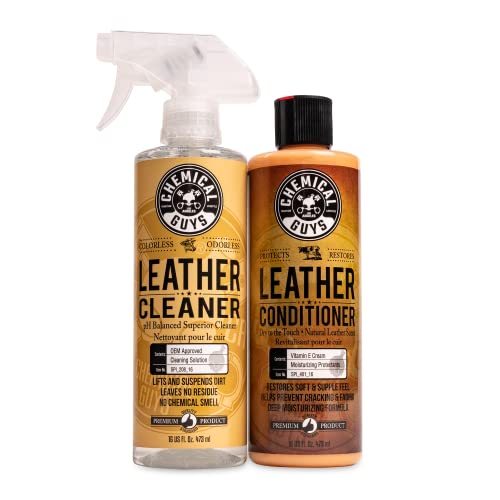
* Leather Conditioner: A high-quality, water-based, pH-neutral conditioner is non-negotiable.
* Applicator Pad: A clean microfiber or foam pad to apply the conditioner.

How Do You Clean Mold Off Leather Car Seats? (A 5-Step Guide)
The 5-step process to clean mold from leather seats is: 1) Vacuum all loose spores with a HEPA vacuum. 2) Gently clean the affected area with your chosen solution on a microfiber cloth. 3) Rinse the area with a new cloth dampened with distilled water. 4) Thoroughly air dry the seats. 5) Apply a quality leather conditioner to restore and protect the material. Following these steps in order is critical for a safe and effective result.
Step 1: How Do You Prepare and Vacuum the Area Safely?
The first step is to wear a mask and gloves, then carefully vacuum the leather seats with a brush attachment on a HEPA filter vacuum. This removes as many loose mold spores as possible before you apply any liquid, preventing them from becoming airborne.
- Put on your N95 mask and gloves. This is the most important safety measure.
- If possible, move the car to a well-ventilated area, like an open garage or outside in the shade.
- Using the soft brush attachment, gently vacuum all visible mold. Move slowly and methodically over the seats, headrests, and especially the seams.
- After vacuuming, carefully remove the vacuum bag or empty the canister outside and away from the car to prevent cross-contamination.
Step 2: How Do You Apply the Cleaning Solution and Test for Safety?
First, test your cleaning solution on a hidden part of the leather to ensure it doesn’t cause discoloration. Then, apply the solution to a clean microfiber cloth—not directly to the seat—and gently wipe the moldy area.
- Mix Your Solution: If using a DIY solution, mix equal parts distilled white vinegar and distilled water in a spray bottle.
- Perform a Spot Test: Lightly dampen a cloth with your chosen cleaner and wipe it on the hidden area you identified earlier. Wait a few minutes and check for any color transfer or damage. If the area looks fine, proceed.
- Apply to the Cloth: Lightly mist your cleaning solution onto a clean microfiber cloth until it is damp, not soaking wet.
- Wipe Gently: In small, circular motions, gently wipe the mold-affected areas. Don’t scrub aggressively, as this can damage the leather’s finish.
- Use a Brush on Seams: For mold in seams or textured grain, dip your soft-bristle brush into the solution and gently agitate the area to lift the mold.
Step 3: How Do You Rinse and Neutralize the Cleaning Agent?
After cleaning with a vinegar or alcohol solution, you must rinse the area by wiping it with a new microfiber cloth dampened with only distilled water. This crucial step neutralizes the cleaning agent and removes any residue that could dry out or damage the leather over time. Think of it like rinsing soap off your skin.
- Take a fresh, clean microfiber cloth.
- Dampen it with a small amount of distilled water.
- Gently wipe down all the areas you just cleaned to remove any remaining vinegar or alcohol solution.
Step 4: How Do You Properly Dry the Leather?
To dry leather seats after cleaning, first blot any excess wetness with a dry microfiber towel, then allow the seats to air dry completely. Never use high heat, as it can cause the leather to shrink and crack. Patience is key to preventing the return of moisture.
Drying Do’s:
* ✅ Blot the surface gently with a dry, clean microfiber towel to absorb most of the moisture.
* ✅ Open the car doors and windows to promote air circulation.
* ✅ Use a fan inside the car to speed up the drying process.
Drying Don’ts:
* ❌ DON’T use a hairdryer or heat gun. The intense heat will permanently damage the leather.
* ❌ DON’T apply conditioner until the leather is 100% dry to the touch. Trapping moisture underneath will bring the mold right back.
Step 5: How and Why Do You Condition the Leather?
Once the leather is completely dry, apply a small amount of a water-based, pH-neutral leather conditioner. This step is not optional. Cleaning agents strip the natural oils from the leather, and conditioning replenishes this moisture, preventing cracks and creating a protective barrier against future grime and moisture.
- Apply a dime-sized amount of conditioner to a clean microfiber or foam applicator pad.
- Gently rub the conditioner into the leather in broad, circular motions, covering the entire seat.
- Allow the conditioner to penetrate the leather for at least 30 minutes.
- With a final clean, dry microfiber cloth, lightly buff off any excess product from the surface.
How Do You Prevent Mold from Returning to Your Car?
The best way to prevent mold is to keep your car’s interior dry and well-ventilated. Since you’ve already done the hard work of removing the mold, adopting these proactive habits will ensure it doesn’t come back.
- Control Humidity: In damp climates or seasons, place a reusable car dehumidifier pack (often filled with silica gel beads) in your vehicle. These passively absorb moisture from the air.
- Inspect for Leaks: Regularly check the seals around your windows, doors, and sunroof. A small leak is a constant source of moisture. Look for water stains on the headliner or carpets.
- Clean Spills Immediately: Don’t let spilled coffee or a dropped water bottle sit. Blot up any liquid immediately and ensure the area dries completely.
- Avoid Damp Items: Make it a rule to never leave wet towels, gym clothes, or umbrellas in your car.
- Circulate Air: On dry days, crack the windows slightly when parked in a safe location to let humid air escape. Periodically run your car’s AC, as it acts as a dehumidifier.
- Regular Cleaning: Vacuuming your interior regularly removes organic debris that can serve as a food source for mold.
FAQs About How to Get Mold Off Leather Car Seats
Can I use bleach or Lysol to kill mold on leather seats?
No, you should never use bleach or Lysol on leather car seats. Bleach is a harsh oxidant that will permanently discolor, dry out, and destroy the leather’s finish. While Lysol may kill some surface mold, its chemicals are not formulated for porous leather and can cause staining, stickiness, or cracking over time. Always stick to pH-neutral or mildly acidic solutions like diluted vinegar.
What’s the difference between mold and mildew on car seats?
While often used interchangeably, mold and mildew are different types of fungi. Mildew is typically a surface-level fungus that appears as a flat, powdery patch of white or gray. Mold, on the other hand, often has a fuzzy or slimy texture and can be black, green, or white. Mold is more invasive as its “roots” (hyphae) can penetrate deeper into the leather, making it more damaging and harder to remove completely.
How do I remove deep set mold stains after cleaning?
If a stain remains after you’ve killed and cleaned the mold, it means the fungus has discolored the leather’s dye. For mild stains, repeated gentle cleaning and conditioning may lighten them over time. However, for deep, “set-in” stains, the leather may require professional restoration. This often involves re-dyeing the affected area, a job best left to a professional automotive upholsterer or detailer.
Is it better to use vinegar or rubbing alcohol?
For most surface mold, a 1:1 distilled white vinegar and water solution is the preferred starting point because it is effective and less harsh. Rubbing alcohol (a 70% isopropyl solution) is a more aggressive disinfectant that can be used for more stubborn spots. However, alcohol is much more likely to dry out the leather, so it should be used cautiously, in a small area, and immediately followed by a high-quality conditioner.
Can mold in my car make me sick?
Yes, mold in the confined space of a car can absolutely make you sick. Inhaling mold spores can trigger allergic reactions like sneezing, coughing, and itchy eyes. For individuals with asthma or compromised immune systems, the effects can be more severe, potentially leading to respiratory infections. This is why wearing an N95 mask during cleanup is critical.
How do I clean mold out of perforated leather or seat seams?
Cleaning mold from perforations and seams requires extra care. For seams, use a soft-bristle brush (like a toothbrush) dipped lightly in your cleaning solution to gently agitate the area. For perforated leather, apply the cleaning solution to your cloth very sparingly to avoid soaking the material and clogging the holes. Use the soft brush to gently whisk debris from the perforations, followed by thorough vacuuming.
Will sunlight kill the mold on my car seats?
Sunlight’s UV rays can kill mold, but it’s a double-edged sword for car interiors. While parking the car in direct sun with the windows open can help dry out moisture and kill some surface mold, prolonged exposure to intense sunlight will also fade, dry out, and crack your leather seats and dashboard. It is better to rely on chemical cleaning and to dry the interior with air circulation rather than direct, prolonged sun exposure.
How much does professional car mold removal cost?
Professional car mold removal and interior detailing can range from $150 to over $500. The final cost depends on the severity of the mold outbreak, the size of the vehicle, and the level of detailing required. For extensive mold that has entered the car’s HVAC system or is under the carpet, a full remediation service may be necessary, which can be significantly more expensive but is the safest option for severe contamination.
Can I use a steam cleaner on my leather seats?
It is strongly advised not to use a steam cleaner on leather seats. The combination of high heat and excessive moisture can be catastrophic for leather. It can cause the material to shrink, warp, and crack. It can also force moisture deep into the foam padding beneath the leather, creating a perfect breeding ground for a new, even worse mold problem.
How can I get the musty mold smell out of my car?
After cleaning the visible mold, place an open box of baking soda or a bowl of activated charcoal in the car for a few days to absorb lingering odors. For persistent smells, you may need an automotive enzyme cleaner. These products contain enzymes that break down the organic particles causing the odor. Lightly misting the interior and allowing it to air out can effectively neutralize the musty smell.
Key Takeaways: How to Get Mold Off Leather Car Seats
- Safety First, Always: Before starting, always wear an N95 mask and gloves to protect yourself from inhaling harmful mold spores. The top priority is mitigating health risks.
- Vinegar is Your Go-To Cleaner: A solution of one part distilled white vinegar to one part water is the safest and most effective starting point for cleaning mold on leather, as its acidity kills mold spores without harsh chemicals.
- Never Use Bleach or High Heat: Harsh chemicals like bleach and ammonia, as well as high heat from steam cleaners or hair dryers, will cause irreversible damage, discoloration, and cracking to your leather seats.
- The 5-Step Process is Crucial: For a successful and lasting result, you must follow all 5 steps: Vacuum, Clean, Rinse, Dry, and Condition. Skipping a step, especially rinsing or drying, can lead to leather damage or immediate mold recurrence.
- Conditioning is Not Optional: Cleaning strips leather of its natural oils. Applying a quality, water-based leather conditioner after the seat is completely dry is essential to restore moisture, prevent cracking, and protect the finish.
- Prevention is All About Moisture Control: The only way to stop mold from coming back is to keep your car’s interior dry. Fix leaks, clean spills immediately, and use a car dehumidifier in humid climates.
- When in Doubt, Call a Professional: If the mold is extensive, has a very strong odor, or if you suspect it’s in your car’s ventilation system, it is safest to consult a professional mold remediation or automotive detailing service.
Final Thoughts on Restoring Your Leather Seats
Successfully removing mold from your leather car seats is entirely achievable with the right knowledge and a methodical approach. By following the detailed steps in this guide, you have not only learned how to eliminate the current problem but also how to protect your investment for the long term. Remember that the core principles are safety, gentle cleaning, and aggressive moisture control. Taking the time to do it right will restore the beauty and health of your car’s interior, ensuring it remains a clean and pristine environment for years to come.
Last update on 2026-02-26 / Affiliate links / Images from Amazon Product Advertising API