Have you ever caught a faint, musky smell in your car or heard a strange scratching from the dash? It’s an unsettling feeling that can quickly turn into a major worry.
A mouse infestation in a car is a common problem that can cause serious damage. You’re likely concerned about chewed wires, unsanitary conditions, and how to solve it fast. The good news is you can take control of the situation yourself.
The most effective way to get mice out of your car is to follow a three-part strategy: remove the existing mice with traps, thoroughly clean and sanitize the vehicle to eliminate attractants, and implement preventative measures to keep them from ever coming back. This guide will walk you through every step of that process for good.
Key Facts
- Dime-Sized Entry: A house mouse can squeeze through an opening as small as a U.S. dime (about 1/4 inch), making it easy for them to access your vehicle’s cabin and engine bay.
- Soy-Based Wiring is a Food Source: Industry analysis reveals many modern cars use soy-based wire insulation, an eco-friendly material that rodents find palatable, leading to a higher risk of expensive electrical damage.
- Serious Health Risks: According to the CDC, rodent droppings and urine can carry diseases like Hantavirus. It is critical to use safe cleanup procedures to avoid aerosolizing dangerous pathogens.
- Peak Season is Winter: Pest control industry data shows a significant spike in rodent-in-vehicle calls during the late fall and winter months as these pests aggressively seek warm shelter from the cold.
- Rapid Reproduction: A single female mouse can have up to 10 litters per year. This means a minor issue with one mouse can quickly escalate into a severe infestation if not addressed immediately.
First, Confirm the Problem: 5 Telltale Signs of Mice in Your Car
Before you can create an action plan, you need to be certain you’re dealing with a rodent problem. Mice are sneaky, but they always leave behind evidence. Grab a flashlight and look for these five telltale signs that confirm you have an unwanted passenger.

- 1. Discovering Droppings and Urine Stains: This is the most common and definitive sign. Look for small, dark, rice-sized droppings. Check common areas like the glove box, trunk, floor mats, and even the engine air filter housing. You might also notice a musky odor, which is the smell of mouse urine.
- 2. Finding Nests or Nesting Materials: Mice build nests for warmth and breeding. These look like a small ball of shredded material. They love to use your car’s insulation, shredded paper from your glove box, or upholstery stuffing. Check hidden, warm areas like the cabin air filter, under seats, and inside the engine bay.
- 3. Noticing Gnaw Marks and Damage: A rodent’s teeth grow constantly, forcing them to gnaw on things to file them down. Inspect plastic trim, seatbelts, and especially electrical wiring for chew marks. This is the most dangerous sign, as damaged wires can cause system failures and are expensive to repair.
- 4. Smelling Unexplained Foul Odors: If you turn on your car’s heat or AC and get a blast of foul, urine-like air, it’s a strong indicator of a nest in your ventilation system. This distinct musky smell is a clear sign of an active infestation.
- 5. Hearing Strange Noises from the Dash or Vents: Mice are most active at night. If you’re in your car when it’s quiet, you might hear scratching, squeaking, or scurrying sounds coming from inside the dashboard, pillars, or headliner.
Your 7-Step Action Plan to Get Mice Out of Your Car for Good
Once you’ve confirmed the problem, it’s time to take immediate action. This isn’t just about setting a single trap; it’s about executing a complete strategy. Follow this proven 7-step plan to remove the mice, clean up the mess safely, and ensure they don’t come back.
Step 1: Perform a Full “Crumb Cleanout”
The first and most critical step is to remove every single food source from your vehicle. Mice are in your car because they’ve found food and shelter. By eliminating their food supply, you make the environment less inviting and, more importantly, make your traps far more effective.
Remove all trash, food wrappers, stray fries, and anything edible. Then, use a powerful vacuum to thoroughly clean the seats, floors, trunk, and all crevices. An expert-level tip is that this step forces the mice to seek out the bait on your traps as their only available meal, dramatically increasing your chances of success.
Step 2: Choose Your Removal Method (Traps vs. Repellents)
For removing mice already inside your car, traps are the most effective solution. Repellents are best used for preventing new mice from entering later. It’s essential to understand this distinction. You need to trap the current residents before you try to deter future ones. Here’s a breakdown of your options.
| Method | Effectiveness | Type | User Effort | Safety Consideration |
|---|---|---|---|---|
| Classic Snap Traps | Very High | Lethal Removal | Low (Set & Check) | Keep away from fingers, pets, & kids. |
| Live-Catch Traps | High | Humane Removal | High (Check 2x daily & relocate) | Mice can die from stress if left too long. |
| Peppermint Oil | Moderate | Natural Deterrent | Medium (Refresh scent every few days) | Non-toxic, safe for pets/kids. Not for active removal. |
| Poison Baits | High (Not Recommended) | Lethal Removal | Low | NEVER USE IN A CAR. Mouse will die and rot in an inaccessible area, creating a terrible odor. |
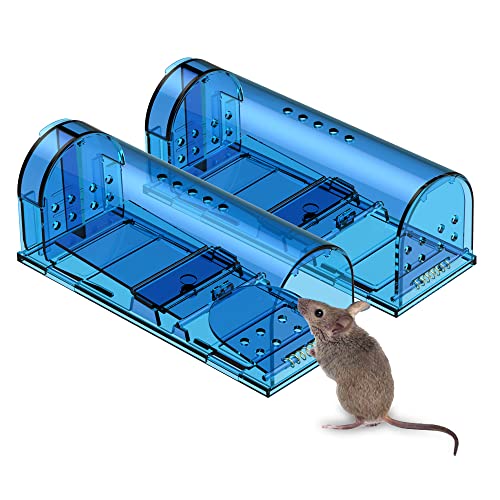
Step 3: Strategically Place Your Traps
Where you place your traps is just as important as the bait you use. Mice are cautious creatures that prefer to travel along walls and edges rather than across open spaces. For the best results, place traps:
- On the floor, parallel and snug against the doors or center console.
- In the trunk, along the side walls.
- Inside the glove compartment (if droppings were found there).
- On a flat, stable surface in the engine bay, but only when the engine is completely cool.
Use a small amount of high-protein bait like peanut butter or a piece of chocolate securely placed on the trigger. A pro tip based on rodent behavior is to address their neophobia (fear of new objects). Place the baited traps without setting them for one night. This allows the mouse to get comfortable with the new object, making it much more likely to investigate and get caught the next night when the trap is set.
Step 4: Check and Reset Traps Daily
Persistence is key to solving a mouse problem. You must check your traps every single morning. If you’ve caught a mouse, it’s important to remove it promptly to avoid odors and attracting other pests.
For safe disposal, always wear rubber gloves. Place the dead mouse and the trap together into a plastic bag, seal it, and then place that bag inside another one. Dispose of it in an outdoor trash can. Immediately reset a fresh trap in the same location. If you are using live traps, it is critical to check them twice a day and release any captured mice several miles from your home.
Step 5: Sanitize and Deodorize Your Car
This is the most important step for your health and for long-term prevention. Mouse droppings and urine can carry dangerous pathogens like Hantavirus. Cleaning up incorrectly can be more dangerous than leaving the mess alone.
Safety First: The CDC-Recommended Cleanup Protocol
Never sweep or vacuum dry droppings. This action can aerosolize viruses, allowing you to inhale them. Always follow this safe procedure:
1. Ventilate: Open all car doors for at least 30 minutes before you start cleaning.
2. Protect Yourself: Wear rubber gloves and a mask.
3. Soak: Thoroughly spray the droppings and nesting materials with a 1:10 bleach and water solution or a commercial disinfectant. Let it soak for at least 5 minutes to neutralize any viruses.
4. Wipe, Don’t Sweep: Use paper towels to wipe up the soaked material. Place the used paper towels in a sealed plastic bag.
5. Dispose: Dispose of the bag in an outdoor trash receptacle.
After disinfecting, use an enzymatic cleaner on any fabric stains. These specialized cleaners break down the biological proteins in urine, permanently removing the odor that can attract other mice. Finally, a crucial step most people miss is to replace your cabin air filter. It’s likely contaminated and will continue to pump foul odors into your car until it’s changed.
Step 6: Deploy Natural Repellents as Deterrents
Now that the mice are gone and the car is clean, it’s time to make your vehicle an unpleasant place for any new rodents. The most effective and popular natural repellent is 100% pure peppermint oil. Its strong scent overwhelms a mouse’s sensitive nose.
Soak several cotton balls in peppermint oil. Place them in areas where mice might enter or nest, such as corners of the trunk, under the seats, and in the engine bay. Practical experience shows it’s best to place them away from any moving belts or hot components. The scent will fade over time, so you’ll need to refresh the cotton balls every few days to maintain their potency.
Step 7: Seal Potential Entry Points
The only way to permanently stop mice is to physically block them from getting in. A mouse can squeeze through a hole the size of a dime, so you need to be thorough. Inspect these two common entry points:
- The Firewall: This is the metal wall between the engine compartment and the passenger cabin. Look for any rubber grommets where wires pass through that may have been damaged or pushed aside.
- The Cabin Air Intake: This vent, often located near the base of the windshield under the hood, is a direct gateway into your car’s ventilation system.
If you find any holes, stuff them tightly with coarse steel wool. Mice cannot chew through steel wool, making it an excellent barrier. This step creates a permanent defense against future invasions.
Why Cars? Understanding the Top 3 Rodent Attractants
Ever wonder why a mouse chose your car out of all the places it could go? It’s not random. Vehicles offer a perfect combination of the three things a rodent needs to survive and thrive, especially in 2026.
- Warmth & Shelter: A car engine stays warm long after you’ve parked, creating a cozy shelter from cold weather and predators. The enclosed engine bay and insulated cabin offer a secure haven.
- Food Scraps: Any crumbs, wrappers, or forgotten snacks left in your car are an open invitation. A few dropped french fries can sustain a mouse for days, making your vehicle a reliable food source.
- The Wiring Itself: Here’s what most guides miss. Many modern vehicles use soy-based insulation for their wiring. This eco-friendly material is unfortunately an attractive food source for rodents. This explains why even a perfectly clean car can become a target for wire-chewing mice.
When to Call a Professional: Knowing Your Limits
While a DIY approach is effective for most minor mouse problems, there are situations where calling for professional help is the smartest and safest choice. You need to know when to call a pest control expert for removal or an auto mechanic for repairs.
Call a professional if you encounter any of these scenarios:
- You Suspect Extensive Wire Damage: If your car won’t start, the check engine light is on, or other electrical systems are malfunctioning, a mouse has likely chewed through a critical wire harness. Stop your DIY efforts and take your car to a mechanic immediately.
- The Problem Persists: If you have been diligently trapping for 2-3 weeks and are still finding fresh signs of mice, you may be dealing with a larger, more established infestation that requires a pest control professional.
- You’re Uncomfortable with the Process: If you are not comfortable handling traps, disposing of captured mice, or dealing with the cleanup, it is perfectly reasonable to call a professional service to handle it for you.
FAQs About how to get mice out of your car
Is it safe to drive my car with a mouse in it?
It is not recommended to drive your car long-term if you suspect a mouse is inside. While the immediate physical danger is low, the risk of significant damage is high. A mouse could chew through a critical wire (like for brakes or airbags) at any moment, causing a system failure. They can also create fire hazards by building nests in hot engine components.
Will mice leave a car on their own if I drive it or honk the horn?
It is highly unlikely that driving or making noise will be enough to make mice leave permanently. While it may disturb them temporarily, a warm, secure nesting spot with a potential food source is a powerful incentive for them to stay. Active removal with traps is almost always necessary to solve the problem.
How long does it take to get a mouse out of a car?
For a single mouse, it can take as little as one night to catch it with a well-placed trap. However, if you have a family or nest, it could take a week or more of consistent trapping. It’s crucial to continue setting traps for at least one week after you catch the last mouse to ensure you’ve removed all of them.
Does car insurance cover rodent damage?
Typically, yes, if you have comprehensive coverage. Most comprehensive auto insurance policies cover damage from animal-related incidents, including rodents chewing through wires. It is always best to check your specific policy documents or contact your insurance agent to confirm your coverage details.
Does Irish Spring soap really keep mice away from cars?
This is a popular folk remedy with mixed results. The strong, pungent scent of some soaps, like Irish Spring, can act as a mild, short-term deterrent. However, it is not as potent or reliable as 100% pure peppermint oil and should not be relied upon as your primary method of prevention.
Final Thoughts on Protecting Your Vehicle
Dealing with a mouse in your car is frustrating, but it’s a solvable problem. By being diligent and strategic, you can reclaim your vehicle and keep it rodent-free. The core principles are simple: make your car an unattractive place for them by removing food, actively trap any that get inside, and use scent deterrents and physical barriers to prevent them from returning.
Remember that cleanliness is your number one defense. A clean, crumb-free car is an uninteresting car to a mouse. By following the steps in this guide, you have a complete plan to not only fix the current issue but to protect your valuable vehicle for years to come. Which prevention method will you start with first?
Last update on 2026-03-07 / Affiliate links / Images from Amazon Product Advertising API