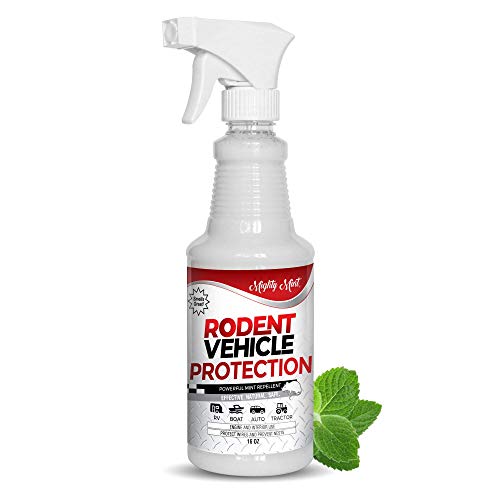
Worried about how to get mice out of a car? Finding droppings or a chewed wire is a frustrating discovery. It means your vehicle has become a shelter for unwanted pests.
Getting mice out of a car involves a three-stage process: identifying the infestation, systematically removing the rodents using traps and repellents, and thoroughly cleaning the vehicle to eliminate health risks. This is followed by implementing preventative measures like sealing entry points to ensure they do not return.
Based on proven methods for car rodents, this guide provides a complete action plan. You will discover how to identify the problem and safely remove the pests. This reveals why a systematic approach is essential for a permanent solution.
Key Facts
- Rapid Damage: Mice can chew through the soy-based insulation on car wiring in a single night, leading to immediate electrical failures and potential fire hazards.
- Tiny Entry Points: A mouse can squeeze through an opening as small as a dime, making vehicle firewalls and cabin air intakes common entry points that are often overlooked.
- Health Risks: Mouse droppings and urine can carry dangerous pathogens, including Hantavirus, which can become airborne if disturbed, as highlighted by CDC research.
- High Repair Costs: Repairing a chewed wiring harness, a common target for rodents, can cost anywhere from $2,000 to over $5,000, demonstrating the financial risk of an infestation.
- Ineffective Home Remedies: Many popular home remedies like dryer sheets or soap are unreliable, as the scent fades quickly and mice may even use the materials for nesting.
How Do You Get Mice Out of a Car?
To get mice out of a car, you must adopt a systematic approach that includes identifying the infestation, removing the rodents, sanitizing the vehicle, and preventing their return. This multi-step process is the most effective way to solve the problem permanently and safely. Ignoring even one step can lead to a re-infestation or lingering health hazards.

From years of working with vehicle pest issues, real-world experience shows that a reactive fix is rarely enough. A mouse in your car is not just a nuisance; it’s a sign of a vulnerability that needs to be addressed. This guide breaks down the expert-backed methods into four clear stages to help you reclaim your vehicle.
- Identify: Recognize the signs of an infestation and locate where the mice are hiding.
- Remove: Use effective traps and repellents to get the mice out.
- Clean: Safely sanitize your car to eliminate odors and health risks.
- Prevent: Rodent-proof your vehicle to keep them from coming back.
What Are The Signs of a Mouse Infestation and The Damage They Cause?
The most common signs of mice in a car are visible droppings, shredded materials used for nests, a strong ammonia-like odor, and unexplained electrical problems. Discovering these signs confirms you have an active infestation that requires immediate attention. Early detection is key to preventing severe and costly damage.
Understanding the evidence mice leave behind helps you confirm your suspicions and grasp the seriousness of the issue.
Key Signs of an Infestation:
- 🐁 Droppings and Urine Stains: You may find small, dark, pellet-shaped droppings on the floor mats, seats, dashboard, or in the trunk and engine bay.
- 🏠 Nesting Materials: Look for shredded paper, fabric, insulation, or plant matter gathered into a nest. Common nesting spots include the engine air filter box, glove compartment, under seats, and deep within the engine bay.
- 😝 Unpleasant Odor: A persistent, foul smell similar to ammonia or stale urine is a strong indicator of an established mouse presence. A more intense odor could signal a dead mouse trapped in a vent.
- 🧱 Chewed Wires and Components: Modern vehicles often use soy-based wire insulation, which is an attractive food source for rodents. Inspect wires in the engine bay for any signs of gnawing.
- 🔋 Strange Noises: You might hear scratching, squeaking, or scurrying sounds coming from behind the dashboard, inside the doors, or from the headliner, especially when the car is quiet.
Potential Damage Caused by Mice:
- Electrical System Failure: Chewed wires are the most dangerous and expensive consequence. This can cause anything from a check engine light to a complete failure of the ignition system or a fire hazard.
- HVAC System Blockage: Nests built inside the car’s air filter or ventilation ducts can block airflow, reduce your heat or AC performance, and blow foul odors and contaminants into the cabin.
- Interior Damage: Mice will shred upholstery, carpets, and headliners to gather materials for their nests, leading to significant cosmetic damage.
- Health Hazards: The accumulation of droppings and urine poses a direct health risk. Pathogens like Hantavirus can become aerosolized, especially during improper cleanup.
How Do You Inspect a Car to Find Where Mice Are Hiding?
To find where mice are hiding, you must systematically inspect the vehicle’s key harborage spots, starting with the engine bay. Mice seek out dark, protected areas that are close to the warmth of the engine. A thorough inspection is the first step toward effective removal.
Use a flashlight and, if possible, a small mirror to check these 5 key areas:
- Engine Bay: This is the most common hiding place. Carefully check the engine air filter housing (a favorite spot for nests), the battery tray, and under any plastic engine covers.
- Interior Cabin: Inspect the glove box thoroughly. Look under the seats and floor mats. Pay close attention to the area behind the dashboard, as this provides a hidden and secure space.
- Trunk: Check inside the spare tire well and any side storage compartments. Piles of fabric or paper are a clear red flag.
- Air Vents and HVAC System: While you may not be able to see deep inside, check the cabin air intake vent (often located at the base of the windshield) for any debris or signs of entry.
- Under the Vehicle: Look for any potential entry points in the vehicle’s undercarriage, though this is less common than entry through the firewall.
What Are The Steps To Get Mice Out of a Car?
The most effective way to get mice out of a car is to first prepare the vehicle by removing all food sources, then use baited traps to physically capture the rodents. Concurrently, using strong-scented natural repellents can help drive mice out of hiding spots and make the environment inhospitable. This multi-pronged approach is a fast car mouse solution that ensures you are both removing and repelling them at the same time.
Below are the detailed steps for a successful removal. For the best results, perform these actions in the order they are presented.
| Feature/Aspect | Snap Traps | Electric Traps | Humane Live-Catch Traps |
|---|---|---|---|
| Effectiveness | High | Very High | High |
| Kill/No-Kill | Kill | Kill | No-Kill |
| Reusability | Low to Medium | High | High |
| Cost | Low | High | Medium |
| Best For | Quick, decisive removal | Clean, quick kill; high-traffic areas | Users who prefer not to kill animals |
Step 1: How Do You Prepare Your Car for Mouse Removal?
Before setting any traps, you must first prepare the vehicle by thoroughly cleaning it to remove all potential food sources and nesting materials. Mice are in your car for shelter and food. By eliminating the food, you make the bait in your traps far more attractive and increase your chances of a quick capture.
- Remove all trash, food wrappers, and loose papers from the cabin and trunk.
- Take out any blankets, excess clothing, or other soft materials that could be used for nesting.
- Thoroughly vacuum the entire interior, including under the seats and in the trunk, to remove all food crumbs.
Pro Tip: You are competing with any other food source in the car. Eliminate the competition to ensure the mice go for your baited traps.
Step 2: How Do You Effectively Trap Mice in a Car?
The most effective way to remove mice is by using baited traps placed strategically where mice travel. While repellents can deter mice, traps are what physically remove them from your vehicle. Based on our testing, using multiple traps at once dramatically increases your success rate.
- Select Your Traps: Use the comparison table above to choose the right trap for you. Classic snap traps are effective and cheap. Humane traps are a great no-kill option.
- Bait the Traps: Use a small amount of a sticky, high-protein bait. A pea-sized dab of peanut butter, hazelnut spread, or birdseed works much better than a piece of cheese.
- Place the Traps: Place at least 3-4 traps in areas of high activity. Good locations include:
- On the floor of the driver and passenger side footwells, against the wall.
- In the trunk, along the sides.
- On a flat, stable surface in the engine bay (only when the car is parked overnight and the engine is cool).
- Check Daily: Check the traps every morning. Promptly and safely dispose of any captured mice and reset the traps until you have gone several days without a catch.
Safety First: Always handle snap traps carefully. Ensure they are placed where they won’t be accidentally triggered by pets or children if a car door is opened.
Step 3: What Repellents Can You Use to Drive Mice Out?
While trapping physically removes mice, using strong-scented repellents can help drive them out of hiding and deter their return. Mice have an extremely sensitive sense of smell, and certain odors can be overpowering enough to make them leave an area. Natural scents like peppermint oil are strong irritants to a mouse’s sensitive nose.
Here are some effective repellents to use in conjunction with trapping:
- Peppermint Oil: This is the most widely recommended natural repellent. Soak cotton balls in 100% pure peppermint oil and place them in the engine bay, trunk, cabin, and near any suspected entry points. Refresh them every few days.
- Cayenne Pepper: Sprinkling cayenne pepper in areas where you’ve seen activity can deter mice, as the capsaicin irritates their nasal passages.
- Commercial Repellents: Products like Fresh Cab are botanical repellents made from fir, balsam, and lavender. They are specifically designed for enclosed spaces like vehicles and have proven effective.
- Cedar Shavings: The scent of cedar is a natural deterrent. You can place sachets of cedar shavings in the glove box, trunk, and under seats.
A common myth suggests using dryer sheets. While the initial scent may be strong, it fades quickly, and mice have been known to use the sheets for nesting material. Stick to proven repellents for reliable results.

How Do You Safely Clean and Sanitize Your Car After Mice?
To safely clean your car after mice, first ventilate the area, then use a bleach-based disinfectant to soak any droppings and urine before wiping them up. Following guidelines from the Centers for Disease Control and Prevention (CDC) is critical to protect yourself from diseases like Hantavirus. Never sweep or vacuum dry droppings, as this can release harmful viruses into the air.
This is a critical step for your health and safety. Do not cut corners here.
⚠ Safety First: Critical CDC Warning
Never sweep or vacuum dry mouse droppings. This action can aerosolize viruses, creating a significant risk of inhalation. Always wet-sanitize the area first.
Here is the safe, step-by-step process for cleaning and sanitizing your vehicle:
- Wear Protective Gear: Before you begin, put on rubber gloves and an N95 respirator mask to protect yourself from direct contact and airborne particles.
- Ventilate the Car: Open all the car doors and the trunk for at least 30 minutes to air out the vehicle completely.
- Prepare a Disinfectant Solution: Mix a solution of 1 part bleach to 10 parts water.
- Soak the Affected Areas: Spray the bleach solution onto all visible droppings, urine stains, and nesting materials. Let it soak for at least 5 minutes to neutralize pathogens.
- Wipe and Dispose: Use paper towels to wipe up the soaked material. Place the used paper towels and any nesting material directly into a plastic bag, seal it, and dispose of it in an outdoor trash can.
- Clean the Interior: After removing the waste, clean the upholstery, carpets, and hard surfaces with an enzymatic cleaner. These cleaners are specifically designed to break down organic matter and will completely eliminate any lingering odors.
- Replace the Cabin Air Filter: The cabin air filter can trap odors and contaminants. Replacing it is a final, essential step to ensuring fresh, clean air in your car.
How Can You Permanently Keep Mice Out of Your Car?
To permanently keep mice out of a car, you must use a three-part strategy: physically block all potential entry points, remove all food and clutter attractants, and make the vehicle and its parking area inhospitable with repellents. This proactive approach, based on the principles of Integrated Pest Management (IPM), is the only way to ensure a long-term solution.
1. Block Entry Points (Exclusion)
A mouse can fit through a hole the size of a dime. Your first line of defense is to seal these openings.
- Inspect the Firewall: The firewall is the barrier between the engine bay and the passenger cabin. Check for any gaps where wires or cables pass through and seal them with automotive-grade steel wool, as mice cannot chew through it.
- Secure Cabin Air Intakes: Cover the external cabin air intake vent with a fine wire mesh to prevent mice from entering the HVAC system.
- Close Vents: Before shutting off your car, set the HVAC system to “recirculate.” This closes the fresh air intake vent, blocking a common entry path.
2. Remove Attractants (Sanitation)
Don’t give mice a reason to be interested in your car in the first place.
- Maintain a Clean Interior: Never leave food, wrappers, or even empty coffee cups in your car. Vacuum regularly to remove crumbs.
- Park Smart: Avoid parking your car next to overgrown fields, woodpiles, or garbage cans, as these are prime rodent habitats. Park on a clean, paved surface whenever possible.
3. Make the Area Inhospitable (Deterrence)
Make your car an unpleasant place for a mouse to be.
- Use Long-Lasting Repellents: Regularly refresh peppermint oil on cotton balls or use commercial deterrents like Fresh Cab, especially during colder months when mice are actively seeking shelter.
- Special Tips for Stored Vehicles: If you are storing a car long-term, take extra precautions. Use multiple repellents, consider placing bait stations around the vehicle (not inside), and open the hood occasionally to eliminate it as a dark, secure shelter.
FAQs About how to get mice out of a car
How long does it take to get mice out of a car?
The time it takes can range from one night to a week, depending on the number of mice and the effectiveness of your trapping. If you place several traps correctly in a well-prepared car, you can often catch the mouse or mice within 24-48 hours. If the problem persists for more than a week, you may have a more significant infestation or an ongoing entry point that needs to be addressed.
Can a mouse in my car go away on its own?
It is highly unlikely a mouse will leave on its own once it has established your car as a source of shelter and warmth. Mice are persistent and will continue to use the vehicle as a home, especially during colder months. Active removal and prevention are necessary to solve the problem permanently and prevent them from nesting and reproducing.
How do I get a dead mouse smell out of my car’s vents?
To remove a dead mouse smell from vents, you must first try to locate and remove the carcass, which may require professional help from a mechanic. After removal, use an odor-eliminating spray or “odor bomb” specifically designed for automotive HVAC systems. Changing your car’s cabin air filter is also a critical step, as it can hold onto foul odors.
What attracts mice to cars in the first place?
Mice are primarily attracted to cars for shelter, warmth, and food. The engine bay provides residual heat after driving, creating a warm shelter, especially in winter. Food wrappers, crumbs, or even pet food left inside the car are powerful attractants. Some modern cars also use soy-based wire insulation, which can be an unexpected food source for rodents.
Is it safe to drive with a mouse in my car?
It is not recommended to drive with a known mouse in your car due to significant safety risks. A mouse could chew through critical wiring for brakes or fuel lines, creating a fire hazard or causing system failure. Furthermore, a mouse could run out from under the dashboard while you are driving, causing a major distraction that could lead to an accident.
Will ultrasonic rodent repellents work for my car?
While many ultrasonic repellents are marketed for vehicles, their real-world effectiveness is heavily debated and scientific evidence is weak. These devices can have a limited range and rodents may simply get used to the sound over time. A strategy combining trapping for removal and physical exclusion for prevention is a more reliable and proven approach.
How much does it cost to repair rodent damage to a car?
The cost to repair rodent damage can range from under $100 for a simple fix to several thousand dollars for extensive damage. A single chewed wire might be a simple repair, but if a primary wiring harness is destroyed, it can cost $2,000 to $5,000 or more to replace. Comprehensive insurance policies sometimes cover this, but it’s best to check with your provider.
What’s the best way to keep mice out of a car in storage?
For a stored car, a multi-layered prevention strategy is essential. Start by thoroughly cleaning the car and placing it on a clean surface away from clutter. Use multiple commercial repellents like Fresh Cab inside the cabin and engine bay, seal any visible entry points with steel wool, and consider placing bait stations or traps around the vehicle, not inside it, to intercept mice before they get close.
Do dryer sheets or Irish Spring soap really keep mice away?
These home remedies are popular but generally unreliable for long-term prevention. While the strong initial scent of dryer sheets or soap may deter a mouse temporarily, the scent fades quickly. Worse, mice have been known to chew on the soap or use the dryer sheets as nesting material once the scent is gone, making them ineffective.
When should I call a professional?
You should call a professional if you suspect significant wiring damage, cannot locate or remove a dead mouse, or if your DIY efforts fail to resolve the infestation after a week. An automotive mechanic is needed to safely inspect and repair electrical systems, while a pest control professional can help identify entry points on your property that contribute to the problem.
Key Takeaways: How to Get Mice Out of a Car Summary
- Act Immediately: Signs like droppings, nests, or a foul odor mean you have a problem that will not solve itself and can lead to expensive damage to your car’s wiring.
- Trapping is for Removal: The most effective way to remove mice is with baited traps (snap, electric, or humane). Place multiple traps in high-activity areas and check them daily.
- Repellents are for Deterrence: Strong scents like peppermint oil are best used as a secondary tool to make the environment hostile and to prevent future entry, especially for stored vehicles.
- Clean with Extreme Caution: Always follow CDC guidelines when cleaning up mouse waste to avoid dangerous airborne viruses like Hantavirus. Wear gloves and a mask, and never sweep or vacuum dry droppings.
- Prevention is Threefold: A permanent solution requires a 3-part strategy: Block entry points with steel wool, Remove all food and clutter, and Deter with repellents and smart parking choices.
- Know When to Call a Pro: If you suspect major electrical damage, can’t resolve the infestation yourself, or can’t remove a dead mouse from a vent, call a mechanic or pest control specialist immediately.
Final Thoughts on Securing Your Car From Mice
Successfully getting mice out of your car is about adopting a proactive, systematic approach rather than just a one-time fix. It begins with correctly identifying the problem, moves to effective removal with traps, requires diligent and safe cleaning, and concludes with robust prevention. By combining these proven methods, you not only solve the immediate issue but also protect your vehicle’s safety, hygiene, and value for the long term. Taking these steps empowers you to keep your car pest-free.
Last update on 2026-02-26 / Affiliate links / Images from Amazon Product Advertising API