
Seeing a splash of house paint on your car’s perfect finish is frustrating. You are likely worried about making it worse or causing expensive damage. This is a common problem that you can often fix safely at home.
To safely get house paint off a car, always start with the least aggressive method. For fresh, wet latex paint, a simple solution of warm, soapy water and a microfiber cloth is effective. If the paint has dried, use a specialized detailing clay bar with plenty of lubricant to gently lift the contamination. Always wash and wax the area afterward to restore the clear coat’s protection.
Based on an analysis of current professional detailing standards and real-world testing, this guide provides a safe, methodical approach. You will discover how to identify the paint type, choose the right tools, and follow a step-by-step process. This covers everything from fresh splatters to stubborn dried paint without damaging your car’s finish.
Key Facts
- Least Aggressive Method First: Always start with soap and water before escalating to other methods, minimizing the risk to your car’s clear coat.
- Paint Identification is Crucial: A simple test with rubbing alcohol can determine if the paint is water-based (latex) or oil-based, which dictates the removal process.
- Clay Bars are the Safest Mechanical Method: For fine overspray and dried specks, a detailing clay bar is the industry-standard practice for safely shearing off contaminants without scratching the paint.
- Aggressive Solvents Cause Damage: Products like lacquer thinner and acetone will permanently destroy your car’s clear coat, demonstrating the need for automotive-safe products.
- Protection is the Final Step: Any cleaning process strips wax. Failing to re-apply a protective layer of wax or sealant leaves the paint exposed to UV rays and future contamination.
How Do You Get House Paint Off a Car Safely?
The safest way to get house paint off a car is to follow a methodical process that starts with the least aggressive solution first. Rushing to use harsh chemicals or abrasive tools is the fastest way to cause permanent scratches or chemical burns on your car’s clear coat. The core principle of professional detailing is to preserve the factory finish at all costs. With the right knowledge and a little patience, you can often fix this yourself without a costly trip to the body shop.

The correct approach involves assessing the situation first, then choosing the right tool for the specific type of paint and how long it has been on the surface. For fresh latex paint splatter, a simple wash is often enough. For dried, stubborn paint, you may need to use a detailing clay bar or a mild, automotive-safe solvent. The key is to escalate the method’s intensity slowly and test every step.
This entire process is built around one guiding rule. It is a fundamental concept in vehicle care that prevents small problems from becoming big, expensive ones. Before you touch any product to the visible paint splatter, you must follow this principle.
The Golden Rule: Always test any cleaning product or removal method on a small, inconspicuous area of your car first. A good spot is the inside of a door jamb or a lower rocker panel. This ensures the method won’t cause discoloration or damage before you apply it to a prominent area.
What Should You Do Before Starting the Removal Process?
Before you attempt any removal, you must prepare the surface and identify the contaminant to prevent causing damage. Working on a dirty surface will grind grit into your clear coat, causing scratches. Using the wrong chemical for the paint type can be ineffective or even harm your vehicle’s finish. A few minutes of preparation saves hours of potential correction later.
Follow these three critical preparatory steps:
- Wash and Dry the Area: Gently wash the affected panel with a quality car wash soap, water, and a clean microfiber mitt. This removes loose dirt and grit that could scratch the finish during the removal process. Rinse thoroughly and dry with a clean microfiber towel.
- Identify the Paint Type: The type of house paint—latex or oil-based—determines the best removal strategy. Latex paint is water-based and easier to remove. Oil-based paint is more resilient and may require a different approach.
- Perform a Test Spot: This is the most important step. Once you’ve chosen a removal method, test it on a hidden area of your car’s paint, such as an inner door sill or the lower, unseen part of a bumper. Let it sit for the recommended time, wipe it off, and inspect for any negative effects on your car’s finish.
Pro Tip: How to Tell if Paint is Latex or Oil-Based
Put a small amount of isopropyl (rubbing) alcohol on a cotton ball or microfiber cloth. Gently rub a single, small spot of the house paint splatter. If color immediately transfers onto the cotton ball, the paint is water-based latex. If the paint gets a little sticky but no color comes off, it is likely oil-based.
What Tools and Materials Are Needed to Remove House Paint?
Gathering the right tools and materials beforehand ensures a smooth and safe paint removal process. The specific items you need will depend on whether the paint is fresh or dried, and what type it is. This checklist is categorized from the most basic cleaning supplies to more advanced removal agents.
For All Methods
- Two Buckets: One for soapy water and one for rinsing your wash mitt.
- Car Wash Soap: A pH-neutral soap that won’t strip existing wax.
- Microfiber Wash Mitt and Towels: Essential for washing, drying, and wiping without causing scratches.
- Safety Glasses and Gloves: Always protect yourself, especially when handling solvents.
For Mild Contamination (Fresh Latex & Light Overspray)
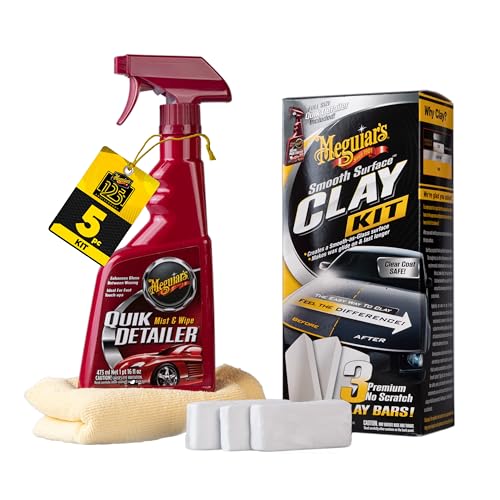
- Detailing Clay Bar: A specialized, mildly abrasive polymer clay that removes bonded surface contaminants.
- Clay Lubricant: A slick spray (or a mix of car soap and water) that allows the clay bar to glide without marring the paint.
- Isopropyl Alcohol (Rubbing Alcohol): A mild solvent effective on fresh latex paint.
For Advanced/Aggressive Methods (Dried Drips & Stubborn Paint)
- Plastic Razor Blades: A non-metallic blade that is softer than your car’s clear coat, used for gently chipping away thick, dried paint.
- Mild Automotive Solvent: A product like Goo Gone Automotive, which is specifically formulated to be safe for clear coats.
- Polishing Compound: A fine abrasive used to remove any light marring or dullness after removal.
- Car Wax or Paint Sealant: Crucial for restoring the protective layer on your car’s paint after the process is complete.
How Do You Remove Fresh, Water-Based Latex Paint?
To remove fresh latex paint, use warm, soapy water and a microfiber cloth, as the paint is still water-soluble. This is the best-case scenario and often requires no special chemicals or tools. Speed is your friend; the sooner you address a fresh splatter, the easier it is to remove without a trace. Avoid the urge to scrub aggressively.
Patience is the key. Letting the warm water soften the paint will do most of the work for you and prevent you from causing scratches by scrubbing too hard.
Follow these simple steps for safe removal:
- Prepare Your Solution: Mix a quality car wash soap with warm water in a bucket.
- Soak the Paint: Dip a clean microfiber towel into the soapy water, ensuring it is fully saturated. Gently lay or press the wet towel over the paint splatter.
- Let It Dwell: Leave the towel on the spot for 2 to 5 minutes. This allows the warm water to soften and rehydrate the latex paint, loosening its bond with your car’s clear coat.
- Wipe Gently: After letting it dwell, use the wet microfiber cloth to gently wipe the paint away. Use a soft, blotting motion or a light swipe. Work from the outside edge of the splatter inward to avoid spreading it.
- Rinse and Dry: Once the paint is gone, rinse the entire area with clean water to remove any soap residue. Dry the panel with a separate, clean microfiber towel.
- Inspect and Protect: If this method works, it’s a good idea to apply a quick coat of spray wax to the area to restore protection. If the paint remains, it has likely started to cure, and you will need to proceed to the next method.
How Do You Remove Dried or Stubborn House Paint?
Removing dried house paint requires escalating to either a mechanical method like a clay bar or a chemical method with a mild solvent. Once house paint cures, it forms a hard shell that has bonded to the surface of your car’s clear coat. Soapy water will no longer be effective. The key is to choose the right method for the type of contamination—fine overspray requires a different tool than thick, solid drips.
Here’s how to decide which approach to take:
- For fine mist or light splatter (overspray): Start with a detailing clay bar. This is the safest and most effective method for this type of problem.
- For thick, raised drips or blobs: A plastic razor blade is the best tool to carefully lift the bulk of the paint off first.
- For stubborn, tacky remnants (often oil-based): A mild, automotive-safe solvent may be needed after trying the other methods.
How Do You Use a Clay Bar to Remove Paint Overspray?
To use a clay bar, you glide a lubricated piece of detailing clay over the paint surface to shear off bonded contaminants like overspray. A clay bar is a specially designed polymer abrasive that works by grabbing and lifting anything sitting on top of the paint surface, leaving behind a perfectly smooth finish. Think of it as an exfoliator for your car’s paint.
Critical Tip: Never use a clay bar on a dry surface. Lubrication is essential to prevent the clay from marring or scratching your car’s clear coat. Use a dedicated clay lubricant or a mix of car soap and water in a spray bottle.
Here is the step-by-step process:
- Prepare the Clay: Take a small piece of the clay bar (about 20-30 grams) and flatten it into a 3-inch wide, thin patty.
- Lubricate the Surface: Working in a small 2×2 foot section, spray the area liberally with your clay lubricant. You cannot use too much.
- Glide the Clay: Place the flattened clay patty on the lubricated surface and gently glide it back and forth in straight lines with light pressure. You will feel and hear the clay grabbing the paint specks.
- Continue Until Smooth: Keep gliding the clay until it moves freely without catching or making noise. The surface should feel perfectly smooth to the touch.
- Fold the Clay: Frequently check the clay’s surface. When it appears dirty with contaminants, fold the clay over and knead it into a new, clean patty to avoid scratching the paint with the debris you’ve already removed.
- Wipe and Inspect: Wipe the lubricant residue away with a clean microfiber towel. Run your fingertips over the area to feel for any remaining specks. Repeat if necessary.
Can You Use a Plastic Razor Blade on Car Paint?
Yes, a plastic razor blade can be used cautiously to remove thick, dried drips of house paint, but it carries a high risk of scratching if done incorrectly. This is an expert-level technique reserved only for thick, raised blobs of paint that a clay bar cannot handle. The principle is that a plastic blade is softer than your car’s cured clear coat, so it shouldn’t scratch if used properly.
⚠ WARNING: Never, under any circumstances, use a metal razor blade. A metal blade is harder than your car’s paint and will cause deep, permanent scratches instantly. This method is only for thick, solid drips, not fine overspray.
If you must use this method, proceed with extreme caution:
- Choose Your Tool: Use a new, clean plastic razor blade.
- Hold the Blade at a Low Angle: Hold the blade at a 30 to 45-degree angle relative to the car’s surface. A steep angle (like 90 degrees) will dig in and scratch the paint.
- Use Zero Downward Pressure: Place the edge of the blade at the base of the paint drip. Gently push forward to “chip” the paint off the surface. Let the forward motion and the blade’s edge do the work. Do not press down.
- Work Slowly: Chip away small pieces at a time rather than trying to remove the entire drip at once. Once the bulk of the drip is gone, you can use a clay bar or a mild solvent to remove any remaining residue.
What Should You Do After Removing the Paint to Protect Your Car’s Finish?
After the house paint is gone, you must inspect, correct, and protect the area to restore the finish and prevent future damage. The removal process, especially methods involving chemicals or abrasion, can leave the area looking dull or even strip the protective wax layer from your car’s clear coat. Completing these final steps is what ensures a professional, invisible repair.
This final phase separates a good result from a great one, leaving your car’s finish looking as if the accident never happened. Follow these two crucial final steps:
- Correct the Finish (If Needed): Inspect the area under good lighting. If you notice any light marring, dullness, or faint scratches from the removal process, you can fix it with a polishing compound. A
polishing compoundis a very fine abrasive that smooths the clear coat and restores gloss. Apply a small amount to a microfiber applicator pad and rub it into the area in circular motions until the shine returns. - Protect the Paint (Mandatory): This is the most important final step. Any removal method has likely stripped away your car’s existing
car wax protection. This leaves the clear coat exposed to UV rays, acid rain, and other contaminants. Apply a quality layer of car wax or a modern paint sealant to the cleaned and polished area. Thisseals the clear coat, restores its hydrophobic properties, and brings back that deep, rich shine.
FAQs About how to get house paint off a car
Will WD-40 remove house paint from a car?
Yes, WD-40 can help soften fresh latex paint, but it is not a dedicated or ideal paint remover. Its mild solvent properties can get under the paint and loosen it. Spray it on, let it sit for a few minutes, and gently wipe. However, it leaves an oily residue and will strip all wax, so you must thoroughly wash and re-wax the area afterward. It is generally not effective on dried or oil-based paints.
Does rubbing alcohol damage car paint?
When used correctly for short periods, isopropyl (rubbing) alcohol is generally safe for modern car clear coats. A diluted solution is a mild solvent that works well on latex paint. Always apply it to a microfiber cloth, not directly to the car’s surface, and rub the spot gently. It evaporates quickly but will strip wax, so use it sparingly and always wash and re-wax the area immediately after.
Can you use Goo Gone on car paint?
Yes, the specific product “Goo Gone Automotive” is formulated to be safe on car paint and clear coats. Do not use the original household version, which can be too harsh. The automotive formula is effective against stubborn, tacky substances, making it a good choice for remnants of oil-based house paint. As with any solvent, it will remove wax protection, so always wash and apply new protection after use.
How do you get paint off car plastic trim?
Plastic trim is often more sensitive than paint, so avoid harsh solvents. Start with soapy water and a soft brush. If that fails, a clay bar works well on smooth, glossy plastic trim. For textured black plastic, a quality all-purpose cleaner and a medium-stiff brush are effective. As a last resort, a small amount of isopropyl alcohol on a Q-tip can be used carefully, but test it first.
Will a pressure washer remove house paint from a car?
It is highly recommended that you do not use a pressure washer to remove paint splatter. The high-pressure water stream can easily lift or chip your car’s own factory paint, especially around panel edges or existing rock chips. This can turn a small cosmetic issue into a major repair. The gentle chemical and mechanical methods are far safer and more controlled.
What is the best way to remove paint overspray from a car?
The best and safest way to remove fine paint overspray is with a detailing clay bar and proper lubricant. The clay gently glides over the surface and shears off the tiny, bonded paint droplets without harming the clear coat underneath. This method is the standard practice used by professional detailers for its unmatched effectiveness and safety, even over large areas of a vehicle.
Can I use a Magic Eraser on my car’s paint?
You should avoid using a Magic Eraser on car paint whenever possible. A Magic Eraser is a micro-abrasive melamine foam that acts like extremely fine sandpaper. While it can remove paint splatter, it will simultaneously remove your car’s clear coat, leaving behind a hazy, dull, and scratched patch. This can cause permanent damage and should only be considered an absolute last resort.
What removes dried acrylic paint from cars?
Dried acrylic house paint can be removed with a progressive approach. It behaves very similarly to latex paint. Start with the safest method: a detailing clay bar and lubricant, which is often sufficient for light splatter. For thicker, dried spots, a plastic razor blade can be used carefully to chip away the bulk of it. For any stubborn film that remains, test a mild solvent like isopropyl alcohol.
Is lacquer thinner safe for car paint?
No, you must never use lacquer thinner on modern car paint. Lacquer thinner is an extremely aggressive solvent designed to dissolve and strip automotive-grade paints. It will instantly melt and destroy your car’s factory clear coat, causing irreversible damage that will require a professional repaint of the panel. Always stick to mild, automotive-safe solvents.
How do you get house paint off car windows?
Removing paint from glass is much easier because glass is harder than paint. A new, single-edge metal razor blade can be used safely. Hold the blade at a low, 30-45 degree angle and gently scrape the paint off the glass surface. Be very careful not to touch the surrounding rubber window seals or painted body panels with the blade. Afterward, clean any residue with a standard glass cleaner.
Key Takeaways: How to Get House Paint Off a Car
- Always Start with the Least Aggressive Method: Begin with soap and water before escalating to a clay bar, and only use solvents as a final resort. This approach minimizes the risk of damaging your car’s clear coat.
- Identify the Paint Type First: Use the rubbing alcohol test to see if the paint is water-based latex or oil-based. This crucial step determines which removal method will be most effective.
- A Clay Bar is Your Safest Bet for Overspray: For fine mists and dried-on specks of paint, a detailing clay bar with plenty of lubricant is the professional’s choice for safely shearing contaminants off the paint surface.
- Plastic Razor Blades Are for Thick Drips Only: Never use a metal blade. A plastic razor blade can safely chip off thick, raised paint drips if used at a low angle with no downward pressure, but it is a high-risk method.
- Test Solvents on a Hidden Spot: Before using any chemical like isopropyl alcohol or Goo Gone, always test it on an inconspicuous area (like a door jamb) to ensure it doesn’t react negatively with your paint.
- Aggressive Solvents Are a No-Go: Never use products like lacquer thinner, acetone, or general-purpose paint stripper. They will melt and destroy your factory clear coat instantly, requiring a costly repaint.
- Always Wash and Wax Afterward: Any removal process, especially with chemicals, will strip your car’s protective wax layer. You must wash the area and apply a fresh coat of wax or sealant to restore protection.
Final Thoughts on Removing House Paint From Your Car
Discovering unwanted house paint on your vehicle can be alarming, but it is rarely a catastrophe. By resisting the urge to panic and immediately scrub or use harsh chemicals, you can take control of the situation. The key to success lies in a patient, methodical approach that prioritizes the health of your car’s finish above all else.
With the knowledge to assess the paint type, the right tools for the job, and a clear understanding of the “least aggressive first” principle, you are well-equipped to tackle this task yourself. From a simple wash for fresh latex to the careful use of a clay bar for stubborn overspray, these techniques are the foundation of professional detailing. Remember that the final polish and wax are not optional—they are the crucial steps that restore your car’s protective shield and brilliant shine. By following this guide, you can turn a moment of frustration into a display of your own car care expertise.
Last update on 2026-02-26 / Affiliate links / Images from Amazon Product Advertising API


