Struggling to get hard water off your car? You’re not alone; those chalky, white spots can ruin a perfect shine and are frustratingly difficult to remove. This isn’t just a cosmetic issue, as these mineral deposits can cause permanent damage if neglected.
Hard water spots on cars are mineral deposits, primarily calcium and magnesium, that remain on your vehicle’s surface after water evaporates. These spots can range from mild surface residue (Type I) to severe chemical etching (Type II) that penetrates the clear coat, requiring different removal approaches to prevent permanent damage to your car’s paint and glass.
Based on hands-on experience and analysis of current detailing methodologies, this guide breaks down safe and effective removal techniques. You’ll discover exactly how to identify the type of spot you have, use both home remedies and professional-grade products safely, and implement proven strategies to prevent these stubborn spots from ever coming back.
Key Facts
- Primary Cause: Hard water spots are caused by the evaporation of water with high mineral content, primarily calcium and magnesium, which leaves deposits behind on the surface.
- Sunlight Accelerates Damage: Direct sunlight and heat can bake these minerals onto the paint or glass, accelerating the chemical reaction that leads to permanent etching and clear coat damage.
- Two Types of Spots: Spots are categorized as Type I (surface deposits) which are easier to remove, and Type II (etched spots) which have chemically bonded with and damaged the clear coat, requiring more abrasive methods.
- Prevention is Critical: Applying protective layers like car wax, paint sealants, or ceramic coatings creates a hydrophobic barrier that repels water, which is a key strategy in preventing spots from forming.
- Professional Help for Severe Damage: Deeply etched spots or clear coat failure often cannot be fixed with DIY methods and may require professional paint correction services to safely restore the finish.
How Do You Get Hard Water Off Your Car Safely?
The key to getting hard water off your car safely is to first identify the severity of the spots and then use the least aggressive method necessary. For light, fresh spots, a simple wash followed by a mild acidic solution is often enough. For more stubborn, baked-on mineral deposits, you may need to escalate to more advanced techniques like using a clay bar or a dedicated chemical remover. The goal is always to dissolve the mineral deposits without scratching or harming the vehicle’s clear coat.

It is crucial to understand the difference between the two main types of water spots. Surface-level spots, often called Type I, are mineral deposits sitting on top of the paint and can usually be removed with chemical cleaners. Etched spots, or Type II, have started to eat into the clear coat and require physical abrasion, like polishing, to level the surface. Always start with a gentle approach before moving to more intensive methods to protect your car’s finish.
What Causes Hard Water Spots and Why Are They a Problem?
Hard water spots form when water, rich in dissolved minerals like calcium and magnesium, evaporates from a car’s surface. As the pure water disappears into the air, it leaves behind these mineral deposits, which can then bond to your car’s clear coat or glass. This is a common issue for cars exposed to sprinkler systems, acid rain, or even just being washed with unfiltered tap water and left to air-dry in the sun.
The real problem begins when these mineral deposits are left to sit, especially under direct sunlight. Heat accelerates a chemical reaction that can cause the minerals to etch into the vehicle’s clear coat. This process transforms a simple surface blemish into physical damage that dulls the paint, reduces gloss, and can ultimately lead to clear coat failure if not addressed. These aggravating factors make the spots much harder to remove:
* Direct Sunlight: The sun’s heat bakes the minerals into the paint, accelerating the etching process.
* High Mineral Content Water: Water from sprinklers or wells often has a high concentration of total dissolved solids (TDS), leading to more substantial deposits.
* Time: The longer spots are left on the surface, the more opportunity they have to bond with and damage the paint.
* Lack of Protection: Cars without a protective layer of wax or sealant are far more susceptible to water spot damage.
How Do You Identify Different Types of Water Spots (Type I vs Type II)?
Type I water spots are light surface mineral deposits that haven’t bonded aggressively to the paint or glass and can often be removed with a quick wash or mild acidic cleaner. In contrast, Type II water spots have chemically etched into the clear coat, appearing as dull, pitted, or cloudy areas, and require abrasive polishing for removal.
Correctly identifying the type of spot is the most critical step in choosing a safe and effective removal method. Using a polish on a Type I spot is unnecessary, while trying to wash off a Type II spot will be ineffective. Here’s a quick guide to tell them apart:
| Characteristic | Type I Water Spots | Type II Water Spots |
|---|---|---|
| Appearance | White, powdery residue on the surface | Dull, pitted, or cloudy areas etched into the finish |
| Feel | The surface feels smooth after a quick wipe | The surface may feel rough or indented, even after cleaning |
| Removal | Can typically be removed with a vinegar solution or dedicated spray | Requires polishing, compounding, or professional help |
| Damage | Minimal to none if removed promptly | Can lead to permanent clear coat failure if ignored |
A simple test is to spray the area with a quick detailer and wipe it with a microfiber towel. If the spot disappears completely, it’s a Type I spot. If a faint outline or dull patch remains, you are likely dealing with Type II etching.
Why Is Proper Car Washing Essential Before Hard Water Spot Removal?
Pre-washing your car is an essential first step before removing hard water spots because it eliminates surface contaminants like dirt and dust. If these loose particles remain on the surface, they can act as abrasives during the spot removal process. When you rub a towel or applicator over the spots, that trapped grit can easily cause fine scratches, swirl marks, or other micro-marring in your car’s clear coat.
Think of it as preparing a clean canvas. A thorough wash ensures that any chemical cleaner or polish you use works directly on the mineral deposits without interference from grime. Here are the key reasons why a pre-wash is non-negotiable:
* Prevents Scratching: Removing loose dirt is the number one way to avoid scratching the paint while you focus on the spots.
* Increases Effectiveness: Spot removers work best when they can make direct contact with the mineral deposits.
* Reveals the True Damage: Washing away surface grime allows you to accurately assess whether you have Type I or Type II spots.
* Ensures Safety: Working on a clean surface is a fundamental principle of professional detailing and ensures a safer process for your vehicle’s finish. A common mistake is to try and “spot clean” a dirty car, which almost always results in more damage.
What Tools and Materials Do You Need for Hard Water Spot Removal?
To effectively remove hard water spots from your car, you’ll need a range of tools and materials including car wash soap, distilled water, several microfiber towels, a white vinegar solution, and potentially a clay bar, polish, or a dedicated hard water spot remover. It’s also highly recommended to have safety gear like gloves and eye protection, especially when working with chemical cleaners.
Having the right supplies on hand makes the process smoother and safer. Here is a comprehensive checklist categorized by purpose:
- 🛀 Washing Supplies:
- High-quality car wash soap
- Two buckets (for the two-bucket wash method)
- Soft wash mitts
- Distilled water (for a spot-free final rinse)
- 🍟 DIY Removal Solutions:
- White vinegar
- A clean spray bottle
- Lemon juice (as an alternative)
- 🛠 Advanced Removal Tools:
- Detailing clay bar and clay lubricant
- Automotive polish or light compounding agent
- Orbital polisher (optional, for more severe etching)
- A dedicated commercial hard water spot remover
- 🧳 Essential Accessories:
- Multiple clean, soft microfiber towels for application and buffing
- Personal Protective Equipment (PPE), such as nitrile gloves and safety glasses
Pro Tip: You can never have too many clean microfiber towels. Using a contaminated towel is one of the easiest ways to scratch your paint, so always grab a fresh one when moving to a new section or product.
How Do You Remove Hard Water Spots from Your Car with Home Remedies?
To remove hard water spots using a home remedy, a mixture of white vinegar and distilled water is highly effective for light to moderate mineral deposits. The mild acidity of the vinegar works to dissolve the calcium and magnesium deposits without being overly harsh on your car’s paint, provided it is used correctly and rinsed promptly. This DIY method is a go-to for many car owners due to its low cost and accessibility.
Before trying more aggressive commercial products, a simple acidic solution can often solve the problem. These methods are best for Type I water spots that have not yet etched into the clear coat. Remember to always work on a cool, clean surface out of direct sunlight.
How Do You Use White Vinegar Solution for Hard Water Spots?
To use white vinegar to remove hard water spots from your car, first wash and dry the vehicle. Then, mix a 1:1 ratio of white vinegar and distilled water in a spray bottle. Spray onto a cool, small section of the affected area, allowing it to dwell for 1-2 minutes. Gently wipe with a clean, damp microfiber towel, then immediately rinse the area thoroughly with clean water, ideally distilled, to neutralize any remaining acid.
Here is a step-by-step guide for this tested method:
- Preparation: Start with a clean, cool, and dry surface. Do not attempt this in direct sunlight, as heat can make the vinegar evaporate too quickly and become more aggressive.
- Mix the Solution: Combine equal parts white household vinegar and distilled water in a clean spray bottle. Using distilled water prevents you from adding more minerals to the surface.
- Apply to a Small Section: Lightly spray the solution onto a small, manageable area (e.g., a 2×2 foot section).
- Let It Dwell: Allow the solution to sit on the surface for 1-2 minutes. This gives the acid time to break down the mineral deposits. Do not let the vinegar solution dry on the paint.
- Gently Wipe: Use a clean, soft microfiber towel to gently wipe the area. You should not need to scrub hard.
- Rinse Immediately: Thoroughly rinse the section with clean water to neutralize the acid and wash away any remaining residue. A final rinse with distilled water is ideal.
- Inspect and Repeat: Check the area. If spots remain, you can repeat the process once more before considering a stronger method.
How Do You Tackle Stubborn or Etched Water Spots?
Tackling stubborn or etched hard water spots typically requires more advanced methods than simple washing. This often involves using a detailing clay bar to physically lift embedded minerals, followed by a mild automotive polishing compound applied with a machine polisher or by hand to gently abrade away the etched clear coat layer. Always test any abrasive product on a small, inconspicuous area first to ensure it’s safe for your paint.
When DIY remedies like vinegar fail, it’s a sign that the mineral deposits have either strongly bonded to the surface or have started to etch into the clear coat (Type II spots). These situations call for mechanical or stronger chemical intervention. It is critical to proceed with caution, as these methods carry a higher risk of causing damage if performed incorrectly.
When Should You Use a Clay Bar for Water Spots?
You should use a clay bar for hard water spots when they are superficial, Type I spots that feel rough to the touch but haven’t etched into the clear coat. A detailing clay bar works by physically shearing off bonded contaminants, including mineral deposits, leaving the paint surface perfectly smooth. It is an excellent step for paint decontamination before applying wax or polish, but it will not remove the pitting or dullness associated with deeply etched (Type II) spots. If you run your fingers gently over the clean paint and it feels gritty, a clay bar is likely the right tool for the job.
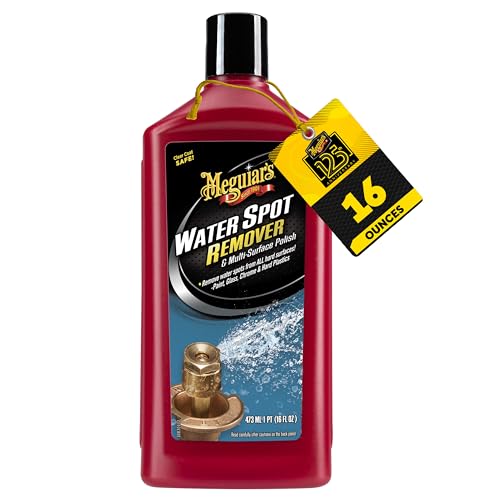
Which Commercial Hard Water Spot Removers Are Best for Cars?
For stubborn hard water spots, commercial removers specifically formulated for automotive use are often the most effective. These products contain mild, pH-balanced acids that safely dissolve calcium and magnesium deposits without stripping protection or damaging your clear coat. Look for products labeled as “automotive grade” and “safe for clear coat.” While results vary, brands that are frequently recommended by professional detailers in 2026 offer a reliable solution for challenging spots that DIY methods can’t handle.

When using a commercial remover, always follow the manufacturer’s instructions precisely. Typically, you will apply a small amount to a microfiber applicator, gently work it into the affected area for a short period, and then wipe or rinse it off. As with any chemical, it’s wise to perform a test spot first.
How Do You Get Hard Water Off Car Windows and Glass Safely?
To safely remove hard water spots from car windows and glass, begin by thoroughly cleaning the glass with a quality auto glass cleaner. For the spots themselves, a 1:1 solution of white vinegar and distilled water is highly effective and safe. Apply the solution, allow it to dwell for a minute, then wipe clean with a fresh microfiber towel. Restoring perfect glass clarity is crucial for both appearance and driving safety.
Because glass is harder than automotive paint, you have slightly different options for cleaning it. However, you must still be extremely careful not to let acidic cleaners or abrasive tools come into contact with surrounding paint, trim, or rubber seals, as they can cause permanent damage.
Is Steel Wool Safe for Car Glass to Remove Water Spots?
Using 0000-grade steel wool on car glass for hard water spots can be effective for extremely stubborn etching, but it is a risky method that requires meticulous care. It must only be used on glass, never on paint, and always with a generous amount of glass cleaner as lubrication. Apply very light pressure in straight lines and immediately wipe the area clean. Incorrect use can easily lead to permanent fine scratches on the glass or damage to the surrounding paintwork. For most users, less risky alternatives like a dedicated glass polish are a much safer choice.
How Do You Prevent Hard Water Spots on Your Car?
Preventing hard water spots on your car primarily involves minimizing the time water stays on the surface and applying protective barriers. Immediately after washing, thoroughly dry your vehicle with a plush microfiber towel or a leaf blower to eliminate all droplets. Additionally, applying a quality car wax, paint sealant, or ceramic coating creates a hydrophobic layer that actively repels water, making it much harder for mineral deposits to bond to the paint in the first place.
Prevention is always easier, cheaper, and safer than correction. A few key habits can almost entirely eliminate the problem of hard water spots. These strategies fall into two categories: proper procedure during washing and applying long-term protection.
What Are The Best Practices for Washing and Drying Your Car to Avoid Spots?
To avoid hard water spots, always wash your car in the shade to prevent water from evaporating too quickly. After a thorough rinse, the most critical step is to dry the vehicle immediately and completely. Use a dedicated, highly absorbent microfiber drying towel or a touchless method like a car dryer or leaf blower to remove every water droplet before it can leave mineral deposits behind. Using distilled water for the final rinse is an excellent extra step, as it contains no minerals to leave behind.
Follow these best practices during your wash routine:
* Work in the Shade: Avoid direct sunlight whenever possible.
* Use the Two-Bucket Method: This prevents reintroducing dirt and grit onto your paint.
* Rinse Thoroughly: Make sure all soap residue is gone before drying.
* Dry Immediately: Do not let the car air-dry. Work from the top down, drying panels completely.
* Use a Drying Aid: A quick detailer spray can act as a lubricant while drying and adds a bit of gloss.
When Should You Seek Professional Help for Hard Water Damage?
You should seek professional help for hard water damage when the spots are deeply etched into your car’s clear coat (Type II spots) and cannot be removed by mild acidic cleaners or light polishing. Telltale signs include visible cloudiness, pitting, or a dull finish that persists even after you’ve tried the advanced methods in this guide. A professional detailer or an automotive body shop has the tools and expertise to assess the damage and perform specialized services like multi-stage paint correction or wet sanding to safely restore the finish without causing further harm. Attempting these aggressive procedures without proper training can quickly lead to irreversible clear coat failure.
FAQs About How to Get Hard Water Off Car
Can Hard Water Spots Damage Car Paint Permanently?
Yes, hard water spots can cause permanent damage to car paint if they are left untreated. The minerals can chemically etch into the clear coat, creating a rough, dull surface. In severe cases, this can lead to clear coat failure, where the protective layer begins to peel or delaminate. At that point, the only solution is often a costly repaint of the affected panel.
Does CLR Work on Car Paint to Remove Water Spots?
No, you should not use CLR (Calcium, Lime, Rust) remover on your car’s paint. CLR is an aggressive acidic cleaner designed for hard household surfaces like porcelain and tile. It is far too harsh for delicate automotive clear coats and can strip waxes, damage sealants, and even stain the paint or plastic trim. Always opt for products specifically formulated for automotive use.
What is the Best Way to Get Rid of Water Spots on a Black Car?
The best way to address water spots on a black car is to act quickly and use the gentlest method possible. Black paint shows every imperfection, including fine scratches. Start with a diluted vinegar solution. Always work in the shade and use plenty of clean, soft microfiber towels to avoid micro-marring. Because scratches are more visible, prevention through regular waxing and proper drying is even more critical for dark-colored vehicles.
Is Distilled Water Necessary for Washing a Car to Avoid Spots?
Using distilled water is not necessary for the entire wash, but it is highly effective for the final rinse. Since distilled water has no mineral content, it will evaporate without leaving any spots behind. This makes it an excellent final step, especially in areas with very hard water. For the main wash, tap water is fine as long as you dry the vehicle immediately and thoroughly.
How Quickly Do Hard Water Spots Form and Cause Damage?
Hard water spots can form in minutes as water evaporates, but the speed of damage (etching) varies. In hot, direct sunlight, mineral deposits can begin to etch into the clear coat in a matter of hours. The higher the mineral content of the water and the hotter the surface, the faster the damage will occur. Prompt removal is always the best policy.
Can You Use Dish Soap to Remove Hard Water Spots from Your Car?
Dish soap is not effective for removing hard water spots and is generally not recommended for regular car washing. Dish soaps are degreasers that strip away protective waxes and sealants, leaving your paint vulnerable. They do not contain the necessary acidic properties to dissolve the mineral deposits that create hard water spots. Stick to a dedicated car wash soap.
How Often Should I Apply Protection to Prevent Water Spots?
The frequency depends on the type of protection you use. A traditional carnauba wax may need to be reapplied every 1-3 months. A synthetic paint sealant typically lasts longer, around 4-6 months. For the best and longest-lasting defense, a professionally installed ceramic coating can provide a hard, hydrophobic layer of protection for 1-5 years.
Do Automatic Car Washes Make Hard Water Spots Worse?
Yes, many automatic car washes can make hard water spots worse. They often use harsh chemicals and recycled, mineral-rich water that isn’t properly filtered. If the car isn’t thoroughly dried by the blowers at the end, that water will evaporate and leave spots. Touchless washes with a “spot-free rinse” option are generally safer, but hand washing gives you the most control.
What is the Difference Between a Water Spot Remover and a Polish?
A water spot remover is a chemical cleaner designed to dissolve the mineral deposits, while a polish is a mechanical abrasive that levels the paint surface. You use a chemical remover first to get rid of the mineral stain itself. If the spot has already etched the paint, you would then use a polish to physically smooth out the microscopic pitting in the clear coat.
Are Hard Water Spots More Difficult to Remove from Older Cars?
Yes, hard water spots can be more challenging to remove from older cars. Over time, a car’s clear coat can become thinner, oxidized, and more brittle. This makes it more susceptible to deep etching from mineral deposits and riskier to polish. Years of baked-on spots are also much more difficult to dissolve than fresh ones, often requiring professional intervention.
Key Takeaways: How to Get Hard Water Off Car Summary
- Understanding Spot Types is Crucial: You must differentiate between surface-level (Type I) and etched (Type II) hard water spots to choose the correct and safest removal method.
- Prioritize Safety with DIY Methods: Use diluted white vinegar solutions cautiously for Type I spots, always in the shade and with immediate, thorough rinsing to prevent acid damage to your car’s paint.
- Advanced Solutions for Stubborn Etching: For Type II or stubborn spots, consider detailing clay, automotive polishes, or specialized commercial hard water spot removers, but always perform a test spot first.
- Glass Requires Specific Care: Car windows and glass can be treated with mild acidic solutions, but be extremely cautious with any abrasives, which should never be used on paint.
- Prevention is the Best Defense: Implement diligent washing and immediate drying practices. Apply protective coatings like wax or sealant to create a hydrophobic barrier that repels water.
- Know When to Go Pro: If hard water spots are deeply etched or resistant to advanced DIY methods, seek professional detailers for paint correction to safely restore your car’s finish.
- Regular Maintenance is Key: Consistent car care, including regular washing, drying, and reapplying protection, is the most effective long-term strategy to keep your car free from damaging hard water spots.
Final Thoughts on How to Get Hard Water Off Car
Addressing hard water spots on your car can seem daunting, but with the right knowledge and tools, it’s a manageable task that protects your vehicle’s aesthetic and resale value. The key lies in understanding the type of spot you’re dealing with—surface-level or etched—and choosing a method that is both effective and safe for your specific car surface. From gentle DIY acidic solutions to more advanced polishing compounds and commercial removers, each approach requires care and precision.
Ultimately, the best strategy is always prevention. By adopting meticulous washing and drying habits, and maintaining a robust protective layer of wax, sealant, or ceramic coating, you can significantly reduce the likelihood of hard water spots forming in the first place. Remember, if the damage appears severe or you’re uncertain about a particular method, consulting a professional detailer is a wise investment. Your car’s finish is a valuable asset, and armed with this guide, you’re well-equipped to maintain its pristine shine for years to come.
Last update on 2026-02-26 / Affiliate links / Images from Amazon Product Advertising API