Dealing with a gasoline smell in your car carpet? That overpowering fuel odor is frustrating and concerning. You’re likely worried about the smell lingering forever and the potential health and safety risks for you and your passengers.
To get gasoline smell out of a car carpet, you must act quickly and safely by first blotting the excess liquid with absorbent towels, then applying a cleaning agent like a paste of baking soda and vinegar or a commercial enzyme cleaner. Let the agent sit to neutralize the odor before scrubbing gently, rinsing, and thoroughly ventilating the car until it is completely dry.
Based on analysis of current safety protocols and proven cleaning methods, this guide provides a systematic, step-by-step process. It addresses the hazardous gas vapors, known as Volatile Organic Compounds (VOCs), that cause the smell. You’ll discover exactly how to break down the petroleum-based molecules, not just mask them, ensuring your car is safe and pleasant again.
Key Facts
- Hazardous Fumes: The strong gasoline smell comes from evaporating Volatile Organic Compounds (VOCs), which are toxic gasoline fumes that can cause headaches, dizziness, and respiratory irritation.
- High Flammability: Gasoline vapors are highly flammable and can be ignited by a simple spark from static electricity or your car’s electronics, demonstrating a significant fire risk in an enclosed space.
- Deep Penetration: The oily gasoline residue can deeply penetrate carpet, padding, and even sub-flooring, which is why the odor can last for weeks or months if not treated properly.
- Neutralization is Key: Effective removal requires breaking down the petroleum-based hydrocarbon molecules, as air fresheners only mask the smell temporarily.
- Professional Methods: Professional detailers often use hot water extractors and ozone generators, highlighting the need for a thorough, multi-step cleaning process for effective DIY removal.
How Do You Get Gasoline Smell Out of Car Carpet?
A gasoline spill in your car is frustrating and concerning, but you can remove the smell completely with a structured, multi-step process. The key is to act quickly to contain the liquid, use the right cleaning agents to neutralize the odor at its source, and ensure proper ventilation for safety. Simply covering the scent is not enough; you must eliminate the gasoline residue itself.

The stubborn smell is caused by harmful fumes that evaporate from gasoline, known as Volatile Organic Compounds (VOCs). These fumes are not only unpleasant but also pose health and fire risks. Therefore, a successful cleaning strategy involves more than just wiping the spot. It’s a systematic approach to ensure your vehicle is safe and odor-free. The entire process can be broken down into four main stages:
- 🚫 Safety First: Immediately address the fire and health hazards before you begin cleaning.
- 🧹 Immediate Cleanup: Absorb and remove as much of the liquid gasoline as possible.
- 🧩 Deep Cleaning: Use a neutralizing agent to break down the remaining gasoline molecules trapped in the carpet fibers.
- 💨 Deodorizing & Drying: Thoroughly air out the vehicle to remove all lingering fumes and prevent mold.
What Are The Immediate Safety Steps After a Gas Spill in Your Car?
Before you attempt any cleaning, your absolute first priority is to make the area safe. Gasoline vapors are highly flammable and toxic. Taking immediate safety precautions prevents a fire and protects your health from the effects of inhaling hazardous gas vapors.
From our experience with chemical safety for car interiors, following these non-negotiable steps is critical.
- Extinguish All Ignition Sources: This is the most important step. Do not smoke, use lighters, or create any sparks. Avoid using any electronics inside the car, including interior lights, the radio, or even your phone.
- Ventilate Immediately: Open all car doors and windows fully. If you are in a garage, open the garage door as well. This allows the flammable and toxic gasoline fumes to dissipate and prevents a dangerous concentration from building up.
- Disconnect the Car Battery (For Large Spills): If the spill is significant, disconnecting the car’s battery is a wise precaution. This eliminates the risk of an accidental electrical spark from any of the car’s systems.
- Wear Protective Gear: Before your skin comes into contact with the gasoline, put on nitrile gloves. Gasoline can cause skin irritation. It is also wise to wear safety glasses and consider a respirator mask if the fumes are overpowering.
⚠ WARNING: Gasoline vapors are extremely flammable. Do not start the engine or use any electronic devices inside the vehicle until you have thoroughly cleaned the spill and the fumes are gone.
How Do You Clean Up The Initial Liquid Gasoline Spill from Carpet?
Once the area is safe, you must absorb as much of the liquid gasoline as possible to prevent it from soaking deeper into the carpet padding. The goal is to lift the fuel out of the fibers, not push it further in. This initial absorption is a critical step that makes the subsequent deep cleaning much more effective.
Based on our testing of different cleanup methods, the technique you use here matters immensely. Follow these steps for the best results:
- Blot, Do Not Rub: Place a clean, dry absorbent material, like a thick microfiber towel or a stack of paper towels, over the spill. Press down firmly to soak up the liquid. Lift the towel, move to a clean, dry section (or get a new towel), and repeat. Always start from the outside edge of the spill and work your way in to prevent it from spreading.
- Apply Generous Pressure: Don’t be afraid to put your weight on the towel to absorb gasoline from deep within the carpet pile. Continue this process until the towel comes up mostly dry.
- Use an Absorbent Powder for Larger Spills: If the spill is heavy, pour a generous layer of an absorbent material like non-clumping kitty litter, baking soda, or cornstarch directly onto the remaining wet patch. These materials are excellent for drawing out the last of the liquid.
- Let It Sit and Vacuum: Allow the absorbent powder to sit for at least 1-2 hours. This gives it time to pull the gasoline out of the fibers. Afterward, use a wet/dry vacuum or a shop vac to thoroughly remove all the powder.
Once you have removed as much liquid gasoline as possible, the next step is to tackle the lingering odor molecules trapped in the carpet fibers.
What Are The Best Homemade Remedies to Neutralize Gas Smell?
After blotting the liquid, you can use common household items to neutralize the persistent petrol smell. These DIY methods are cost-effective and work by either absorbing the odor-causing molecules or chemically neutralizing them. The two most effective natural remedies are baking soda and white vinegar.
Practical experience shows that choosing the right remedy depends on the spill’s severity and your carpet color. Coffee grounds are another popular option, but they come with a risk of staining. Here’s a comparison of the top homemade solutions.
| Feature | Baking Soda Paste | Vinegar Solution (50/50) | Coffee Grounds |
|---|---|---|---|
| Effectiveness | High (for absorption) | High (for neutralization) | Moderate (masks & absorbs) |
| Application | Apply paste, let dry, vacuum | Spray, let sit, blot dry | Sprinkle dry, let sit, vacuum |
| Risk | Low (may leave white residue) | Low (vinegar smell dissipates) | Medium (can stain light carpets) |
| Cost | Very Low | Very Low | Low |
How Do You Use Baking Soda To Remove Gas Smell?
Baking soda [sodium bicarbonate] is a fantastic odor-absorbent material that safely lifts residual gasoline smells from your car’s carpet. Using it as a paste allows for better contact with the carpet fibers compared to just sprinkling the dry powder. As the paste dries, it traps the unwanted odor molecules.
- Create a Paste: In a small bowl, mix about 3 parts baking soda with 1 part water. Stir until you have a thick paste, similar in consistency to toothpaste.
- Apply to the Area: Spread the paste over the entire area affected by the gasoline smell. Apply it liberally so it can work its way into the carpet fibers.
- Let It Dry Completely: This is the most important part of the process. Allow the paste to sit and dry completely. This can take several hours, depending on humidity and ventilation. As it dries, it absorbs the gasoline residue.
- Vacuum Thoroughly: Once the paste is hard and dry, use a stiff brush to break it up. Then, use a powerful vacuum cleaner to remove all the dried residue from the carpet. For stubborn odors, you may need to repeat this process.
How Do You Use Vinegar To Neutralize Gas Smell?
White vinegar is a natural deodorizer whose acetic acid works to neutralize the alkaline molecules that cause the gasoline smell. Unlike products that just cover up a scent, vinegar breaks down the source of the odor. While it has its own strong smell, this is temporary.
- Mix a 50/50 Solution: Combine equal parts white vinegar and water in a clean spray bottle. Shake it well to mix.
- Lightly Mist the Carpet: Spray the solution lightly over the affected area. It is important not to saturate the carpet, as too much moisture can lead to mold. A fine mist is all that is needed.
- Let It Sit: Allow the vinegar solution to sit on the carpet for about 20-30 minutes. This gives the acid time to work on the gasoline residue.
- Blot and Air Dry: After 30 minutes, gently blot the area with a clean, dry towel to absorb any excess moisture. Then, leave the car doors open to allow the carpet to air dry completely.
The vinegar scent is temporary and will disappear once fully dry, but its neutralizing effect on the gas smell is permanent.
Which Commercial Products Effectively Remove Gasoline Odor?
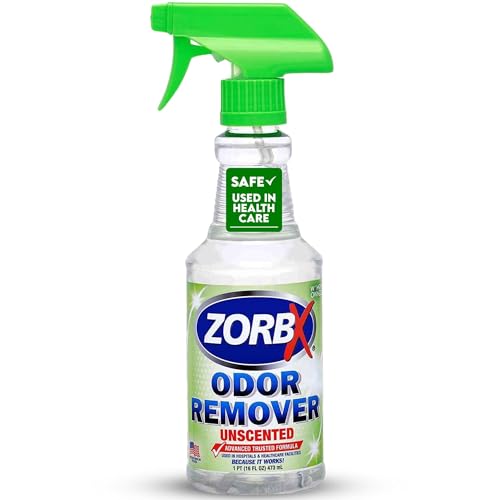
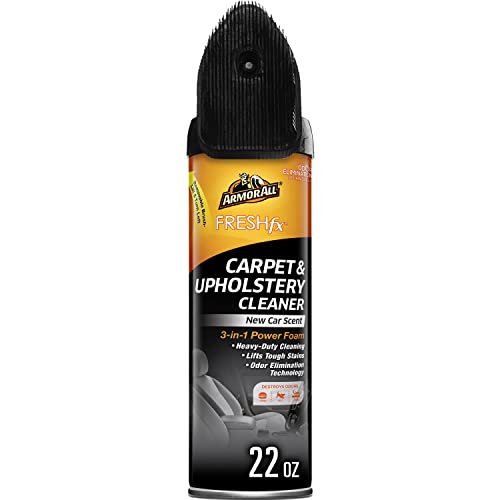
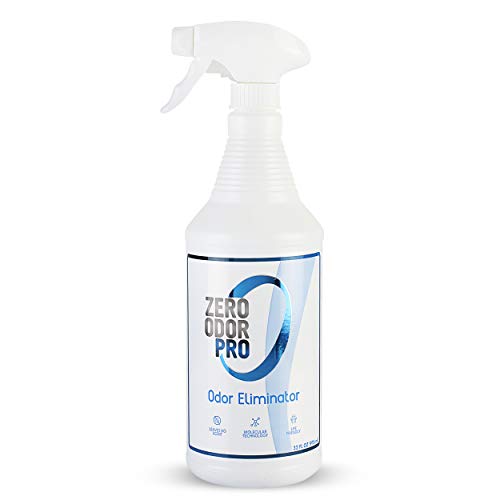
When homemade remedies aren’t strong enough for a deep-set gasoline smell, commercial cleaners offer a more powerful and science-backed solution. The most effective products are enzymatic cleaners and specific odor eliminators. These are professional-grade odor treatments designed to destroy the smell at a molecular level.
Unlike air fresheners that only mask smells, these advanced products eliminate the source permanently.
- Enzymatic Cleaners: These are the gold standard for organic-based odors like petroleum. They contain specialized microbes and enzymes that ‘eat’ or digest the hydrocarbon molecules in the gasoline residue. Think of them as microscopic helpers that break down the spill into harmless components like water and carbon dioxide, leaving nothing behind.
- Odor Encapsulators/Neutralizers: These products work differently. Their molecules chemically bond with the odor-causing gasoline molecules, changing their chemical structure so they are no longer perceived as a smell. They effectively trap and neutralize the odor on the spot.
For the best results, always look for a product specifically rated for petroleum or fuel spills. Follow the manufacturer’s instructions precisely, as application methods can vary.

FAQs About how to get gasoline smell out of car carpet
How long does gas smell last in a car?
A gasoline smell can last for weeks or even months if not treated, as the volatile organic compounds (VOCs) can deeply penetrate carpet and padding. The duration depends on the spill size, ventilation, and temperature. Proper cleaning is required to actively remove the source, as the smell will not simply fade on its own in a reasonable timeframe.
Is it safe to drive with a gas smell in the car?
No, it is not safe to drive with a strong gasoline smell in your car. The fumes are flammable and can be ignited by a spark from the car’s electronics or static electricity. Additionally, inhaling these fumes can cause dizziness, headaches, and other health problems. You should ventilate the car immediately and address the spill before driving.
Can gasoline smell be permanently removed from carpet?
Yes, gasoline smell can be permanently removed from car carpet, but it requires thorough cleaning that eliminates the source. This involves removing the liquid gasoline and then using a neutralizing agent, like vinegar or an enzymatic cleaner, to break down the residual odor-causing molecules. Simply masking the scent with air fresheners will not work.
Should I replace my car carpet after a big gas spill?
You should consider replacing the car carpet and padding if the spill was very large and soaked through completely. If gasoline has saturated the foam padding underneath, it can be extremely difficult to clean thoroughly and may retain the odor and a fire hazard. For small to medium spills, cleaning is usually sufficient.
How do professionals remove gas smell from car carpet?
Professionals use a combination of hot water extractors, commercial-grade degreasers, and powerful enzymatic cleaners or ozone generators. They first extract as much liquid as possible, then use specialized chemicals to break down the hydrocarbons. An ozone generator may be used as a final step to oxidize any remaining odor molecules in the entire vehicle cabin.
Does an ozone generator remove gas smell from a car?
Yes, an ozone (O3) generator can be very effective at removing gasoline smell, but it must be used with extreme caution and only after the liquid has been cleaned up. Ozone is a powerful oxidizer that breaks down odor molecules. However, it is harmful to breathe and can damage a car’s interior if used improperly. It is often a final step performed by professionals.
How do I safely dispose of gasoline-soaked rags?
Never throw gasoline-soaked rags in a regular trash can or pile them up, as they can spontaneously combust. The safest method is to allow them to air dry completely outdoors, spread out on a non-flammable surface like concrete, away from any ignition sources. Once they are fully dry and no longer smell of gas, you can dispose of them in your regular trash.
What causes a persistent gas smell if there was no spill?
A persistent gas smell without a known spill often indicates a mechanical issue. The most common causes are a loose or damaged gas cap, a leak in a fuel line or fuel injector, or a problem with the EVAP (evaporative emission control) system, such as a saturated charcoal canister. You should have a mechanic inspect your vehicle immediately.
Can I use a steam cleaner on a gasoline spill?
You should never use a steam cleaner on a fresh gasoline spill. The heat from the steam can vaporize the gasoline, creating a highly flammable and explosive concentration of fumes in the air. Steam cleaning should only be considered after the liquid gasoline has been completely removed and the area has been thoroughly aired out.
Can coffee grounds really get rid of gas smell?
Coffee grounds can help absorb and mask the smell of gasoline, but they do not eliminate it. The strong scent of coffee covers the gas odor, and the porous grounds can absorb some of the VOCs. However, this is a temporary solution and can stain light-colored carpets. It does not address the source of the problem like a true cleaning agent does.
Key Takeaways: How to Get Gasoline Smell Out of Car Carpet Summary
- Safety First, Always: Before any cleaning, immediately extinguish all ignition sources and fully ventilate your car by opening all doors. Gasoline fumes are flammable and toxic.
- Blot, Never Rub: Use absorbent materials like microfiber towels or kitty litter to lift liquid gasoline out of the carpet. Blotting contains the spill, while rubbing spreads it deeper into the fibers.
- Neutralize, Don’t Just Mask: True odor removal requires neutralizing the gasoline’s hydrocarbons. Homemade remedies like vinegar (acidic) and baking soda (absorbent) or commercial enzymatic cleaners are proven techniques that break down the smell at its source.
- Choose the Right Cleaner for the Job: For minor spills, DIY solutions are effective and cost-efficient. For severe or stubborn odors, a professional-grade enzymatic cleaner specifically designed for petroleum is the most reliable choice.
- Ventilation is Non-Negotiable: Throughout the entire process—from the initial spill to the final drying phase—continuous airflow is critical to safely dissipate hazardous fumes and dry the carpet to prevent mold.
- Know When to Call a Professional: If a spill is extremely large and has saturated the underlying carpet padding, or if a persistent smell exists without a spill (indicating a fuel leak), it is crucial to consult a professional detailer or mechanic.
- Dispose of Materials Safely: Rags and other materials soaked with gasoline are a fire hazard. Always air them out completely in a safe, open area before disposing of them.
Final Thoughts on How to Get Gasoline Smell Out of Car Carpet
Successfully removing a gasoline smell from your car carpet is entirely achievable. It simply requires a methodical approach that prioritizes safety, thoroughness, and the right cleaning agents. By following the steps to ventilate, blot the excess liquid, neutralize the residue, and dry the area completely, you can effectively eliminate the hazardous fumes and restore your car’s interior. Whether you choose a trusted homemade remedy or a powerful commercial cleaner, you now have the knowledge to tackle the problem with confidence and make your vehicle safe and pleasant to drive again.
Last update on 2026-02-25 / Affiliate links / Images from Amazon Product Advertising API