
Ever had that sinking feeling when a pungent fish smell invades your car? It’s a stubborn odor that seems to cling to every surface, making any drive unpleasant.
That lingering fishy odor is one of the most difficult smells to eliminate from a car interior. The problem is that the odor-causing molecules quickly soak into porous surfaces like carpets and seats.
To get fish smell out of a car, you must first remove the source, then chemically neutralize the odor with a mild acid like white vinegar, and finally absorb any lingering smells with baking soda or activated charcoal. This guide will walk you through seven proven methods to reclaim your car’s freshness for good.
Key Facts
- The Chemical Culprit: The distinct fishy smell is caused by an alkaline chemical compound called trimethylamine (TMA), which is released as fish tissue decomposes.
- Acid is the Antidote: Mild acids, like the acetic acid in vinegar, chemically neutralize the alkaline TMA, converting it into an odorless salt and permanently eliminating the smell.
- Absorption vs. Neutralization: Some methods, like baking soda, physically absorb and trap odor molecules, while others, like vinegar, chemically change and destroy them.
- Heat Makes it Worse: The production and volatility of TMA increase with temperature, which is why the fish smell is always more intense in a hot car.
- Source Removal is Non-Negotiable: Industry analysis confirms that no deodorizing method will be effective if the physical source of the spill or residue is not completely removed first.
First Steps: What to Do Immediately When You Notice a Fish Smell
That moment of realization is the most critical. What you do in the first few minutes after a fish spill can make the difference between a quick cleanup and a week-long battle against a foul odor. Before you reach for any cleaner, follow this professional-standard emergency action plan to stop the smell from setting in.

Step 1: Locate and Remove the Source
Before any cleaning can begin, you must find and remove the physical source of the smell. Deodorizers are useless if the fish residue or spilled juice is still present, continuously releasing odor molecules. Carefully check all the common hiding spots in your car interior. This includes under the seats, between the seat cushions, inside the trunk (especially under the spare tire cover), and beneath the floor mats. Dispose of any solid debris immediately outside the vehicle.
Step 2: Blot, Don’t Rub, Any Liquid Spills
For any liquid spills like fish juice or water from a cooler, the golden rule is to blot, never rub. Rubbing a spill grinds the odor-causing liquid deeper into the carpet fibers and upholstery, making it exponentially harder to remove. Instead, take a clean, dry microfiber towel and press down firmly on the wet area. This blotting action wicks the liquid up and out of the fabric. Repeat with fresh, dry sections of the towel until you can’t pull any more moisture out.
Step 3: Ventilate the Vehicle Immediately
As soon as you’ve removed the source and blotted the spill, get some fresh air moving. Open every single door, the windows, and the trunk to create maximum cross-ventilation. This process immediately begins flushing out the airborne odor molecules. Based on our practical experience, immediate ventilation is crucial because it helps prevent the pungent smell from absorbing into porous surfaces you might not think about, like the fabric headliner above you.
Why Fish Smell Lingers: The Quick Science Behind the Stink
Ever wonder why that specific fishy smell is so uniquely pungent and hard to get rid of? It’s not just a generic “bad smell”—it’s a specific chemical reaction. Understanding this simple science is the key to choosing the right solution and defeating the odor for good, a critical factor competitors often ignore.
The ‘fishy’ smell is caused by trimethylamine (TMA), a powerful alkaline compound released as fish decomposes. This odor can be eliminated through chemical neutralization with a mild acid, like the acetic acid in vinegar, which converts TMA into an odorless salt, or through physical absorption, where porous materials trap the odor molecules. When you use vinegar, you’re not just covering the smell; you’re triggering a chemical reaction that permanently destroys it. This is why simple soap and water often fail where these DIY methods succeed.
Method 1: Neutralize Odors with White Vinegar
White vinegar is the undisputed champion of DIY odor removal for a reason: its acetic acid content directly neutralizes the alkaline trimethylamine (TMA) causing the fish smell. This method chemically eliminates the odor at its source rather than just masking it.
What You’ll Need
- White Distilled Vinegar
- Water
- An empty spray bottle
- Several clean microfiber towels
- (Optional) A wide, shallow bowl
Step-by-Step Instructions
- Create the Solution: Mix a 50/50 solution of white vinegar and water in your spray bottle. This dilution is effective without being overly harsh.
- Spot Test: Lightly spray the solution on a hidden area of your car interior, like the carpet under a seat, to ensure it doesn’t discolor your upholstery.
- Apply to the Source: Lightly mist the affected area. The goal is to dampen the fibers, not to saturate the cushion underneath. Over-wetting can lead to mildew.
- Let it Dwell: Allow the vinegar solution to sit for 10-15 minutes. This dwell time is crucial for the acetic acid to fully react with and neutralize the TMA.
- Blot Dry: Press a clean, dry microfiber towel firmly onto the treated area to absorb as much of the moisture as possible.
- For Lingering Air Odors: An often-overlooked strategy for airborne smells is to pour 1-2 cups of pure white vinegar into a shallow bowl. Leave it in the car overnight with the windows closed. The vinegar will absorb odors from the air. Remove it in the morning and ventilate the car.
Pro Tip & Safety Warning
- Pro Tip: Your car will smell like vinegar for a day or two, but don’t worry. This smell is a sign that it’s working. The vinegar scent is volatile and will completely dissipate, taking the fishy odor with it.
- Safety Warning: Be extremely cautious using vinegar on leather seats. A highly diluted solution might be safe for a quick wipe, but it can dry out the leather over time. Always spot test and follow up with a quality leather conditioner.
Method 2: Absorb Stubborn Smells with Baking Soda
After you’ve cleaned the source, baking soda is your best tool for pulling out any stubborn, lingering odors trapped deep within fabric and carpet fibers. As a mild alkali, sodium bicarbonate also helps to neutralize any remaining acidic components of the spill.
What You’ll Need
- A large box of Baking Soda
- A powerful Vacuum Cleaner with a brush attachment
Step-by-Step Instructions
- Ensure the Surface is Dry: This is a critical step that most guides miss. Applying baking soda to a wet surface can create a difficult-to-clean paste. If you’ve just cleaned with a liquid, wait for the area to dry completely.
- Apply Generously: Sprinkle a thick, even layer of baking soda directly over the smelly area of the car carpet or fabric upholstery. Don’t be shy; a heavier coat is more effective.
- Let it Absorb: Leave the baking soda undisturbed for at least 8 hours. For very strong, persistent odors, letting it sit for a full 24 hours provides maximum odor absorption.
- Vacuum Thoroughly: Use a strong vacuum, preferably with a brush attachment to agitate the carpet fibers, and remove every trace of the baking soda. Vacuum the area from multiple directions to ensure you get all the powder out.
Pro Tip & Safety Warning
- Pro Tip: For extra odor-fighting power, you can use a soft-bristled brush to lightly work the baking soda deeper into the carpet fibers before letting it sit.
- Safety Warning: While generally safe for most automotive carpets and fabrics, baking soda is a mild abrasive. Do not use it on delicate surfaces like Alcantara or on leather seats, as it can cause fine scratches.
Method 3: Use Activated Charcoal for Passive Deodorizing
For removing the final, faint traces of a bad smell or for dealing with a generalized odor that doesn’t have a single source, activated charcoal is an excellent, scent-free solution. It works through a process called adsorption, where odor molecules chemically stick to its incredibly porous surface.
What You’ll Need
- Several bags of Activated Charcoal (specifically for odor removal, not BBQ briquettes)
Step-by-Step Instructions
- Purchase the Right Product: An expert insight few discuss is the difference between products. Make sure you buy activated charcoal, usually sold in small, breathable bags. Do not use standard BBQ charcoal briquettes. They are dusty, less porous, and can contain flammable additives that are unsafe for your car.
- Place Strategically: Put one charcoal bag under each of the front seats, one in the trunk, and another in any area where the fish smell was strongest.
- Be Patient: Activated charcoal is a passive odor absorber, meaning it works slowly and continuously over time. Allow it several days to a week to fully adsorb the lingering odors from the air.
- Recharge and Reuse: Pro Tip: Many bamboo charcoal bags are reusable. Once a month, place them in direct sunlight for a few hours. According to scientific principle, the UV rays cause the charcoal to release the trapped odors and moisture, “recharging” them to be used again and again.
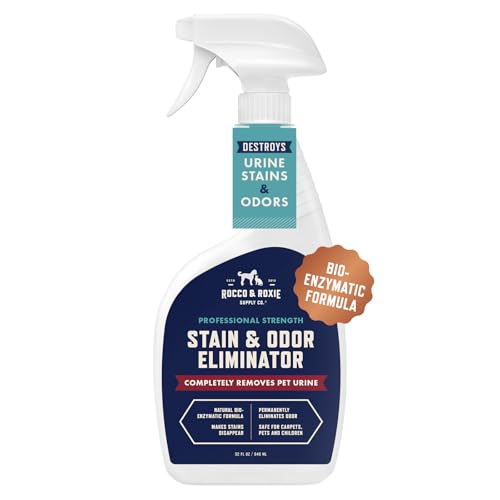
Method 4: Deep Clean with a Professional-Grade Enzyme Cleaner
When you’re facing a severe, set-in smell from rotten fish or old fish juice, you need to escalate from simple neutralizers to a biological solution. An enzyme cleaner is a professional-grade product that uses beneficial bacteria and enzymes to literally digest the organic matter—like fish proteins—that is causing the odor.
What You’ll Need
- A high-quality enzyme cleaner (look in the pet aisle for “pet stain and odor remover”)
- Clean microfiber towels
- A soft-bristled brush
Step-by-Step Instructions
- Choose the Right Product: Real-world experience shows that some of the best enzyme cleaners for cars are actually marketed for pet accidents. These formulas are specifically designed to break down and eliminate tough organic odors like urine, vomit, and, yes, fish.
- Spot Test: As with any cleaner, always test the product on a hidden patch of fabric first to ensure it is colorfast.
- Apply and Dwell: Spray the enzyme cleaner liberally on the affected area. This is the most important step: you must let it “dwell” for the time recommended on the bottle, which is typically 10-30 minutes. This allows the enzymes time to work and fully break down the fish proteins.
- Agitate Gently: After the dwell time has passed, use a soft brush to gently scrub the area, helping the cleaner penetrate deeper.
- Blot Away: Use a clean, damp towel to blot the area and remove the cleaner and residue. Follow up with a dry towel to absorb as much moisture as possible to prevent mildew.
Method 5: Use Coffee Grounds to Absorb and Deodorize
If you’re a coffee lover, this common household remedy can be a great dual-action solution. The nitrogen in coffee grounds is effective at absorbing and neutralizing smells, while the grounds themselves leave behind a strong, pleasant coffee aroma that helps mask any final traces of the bad odor.
What You’ll Need
- Dry, unused coffee grounds
- A shallow bowl or a breathable bag (like a sock or pantyhose)
Step-by-Step Instructions
- Prepare the Coffee: Place about a cup of dry, fresh coffee grounds into a wide, open bowl. For a spill-proof option, put the grounds into an old sock or a piece of pantyhose and tie it off securely.
- Place in the Car: Set the open bowl on a stable, level surface like the floor or a cupholder. If you’re using a bag, you can simply place it under a seat near the source of the smell.
- Leave Overnight: Close the car doors and windows and let the coffee grounds work their magic for at least 8 hours, or up to 24 hours for stronger odors.
- Remove and Ventilate: Take the coffee grounds out of the car in the morning and air out the vehicle for an hour or two.
Pros and Cons of This Method
- Pro: ✅ It’s a very cheap and readily available solution that is surprisingly effective at absorbing the alkaline compounds in fish smells.
- Con: ❌ It replaces one strong smell with another. If you are not a fan of the smell of coffee, you should choose a different method like odorless activated charcoal.
Method 6: Harness the Power of Sunshine and Fresh Air
Sometimes, the simplest and most natural solution can be remarkably effective. For very mild, lingering odors, or as a final step after a deep cleaning, using sunlight and fresh air is a completely free way to deodorize your vehicle.
When This Method Works Best
- This is the perfect final step after you’ve used one of the cleaning methods above to air out any residual cleaner scent.
- It’s also a great option for very faint, mild odors where there was no direct liquid spill.
- It is less effective for deep, set-in smells from a spill that require direct treatment.
How to Do It
- Find a Sunny, Breezy Spot: On a clear, dry, and preferably breezy day, park your car in an open area where it will get direct sunlight and good airflow.
- Open Everything: Open all the doors, all the windows, and the trunk to allow for maximum ventilation.
- Remove Floor Mats: A great experiential tip is to take your car’s floor mats out and place them on the pavement in direct sunlight. This helps them dry out completely and allows the UV rays to work on them directly.
- Wait: Let the car air out for several hours. The UV rays from the sun will help kill odor-causing bacteria, while the constant flow of fresh air will carry away any remaining smelly molecules.
Method 7: The Citrus Solution: Lemon Juice and Peels
If you dislike the smell of vinegar but still want a natural, acid-based neutralizer, lemons are an excellent alternative. The citric acid in lemon juice works on the same chemical principle as vinegar’s acetic acid, neutralizing the alkaline fish smell. Plus, the peels provide a pleasant, natural air freshener afterward.
What You’ll Need
- 1-2 Lemons
- Water
- An empty spray bottle
- A clean microfiber towel
Step-by-Step Instructions
- Create Lemon Spray: Squeeze the juice of one full lemon into your spray bottle and top it off with water. Shake well to combine.
- Spot Test: This is critical. Lemon juice contains natural sugars and acids that could potentially cause stickiness or discoloration on certain fabrics. Always test it on a hidden area first.
- Spray and Blot: Lightly spray the affected area with the lemon water. Let it sit for a few minutes to allow the citric acid to work, then blot the area thoroughly with a clean, dry towel.
- Use the Peels: Don’t throw away the leftover lemon peels! Place them in a small dish or simply tuck them under the seats. As they dry, they will slowly release natural citrus oils that act as a wonderful, chemical-free air freshener. Replace them every few days.
When DIY Fails: Professional Odor Removal Solutions
You’ve tried everything, but a faint, stubborn fishy smell remains. At this point, the odor molecules are likely trapped deep within your car’s foam cushions, headliner, or even its HVAC system. When DIY methods aren’t enough, it’s time to call in professional auto detailing services who have specialized tools to eradicate the toughest odors.
Option 1: Steam Cleaning and Hot Water Extraction
Professionals use high-temperature steam to penetrate deep into fabric fibers. This intense heat kills odor-causing bacteria and loosens stubborn residue that regular cleaning can’t reach. This is often followed by a hot water extraction process, where a powerful vacuum simultaneously flushes the area with clean water and sucks all the dirty moisture and dissolved residue out, leaving the fabric deeply cleaned.
Option 2: Ozone Generator Treatment
An ozone generator is the ultimate weapon against severe odors. This professional machine fills the car’s sealed interior with O3 gas (ozone). Ozone is an unstable molecule that powerfuly oxidizes and destroys any organic molecules it comes into contact with, including odor-causing TMA. It permeates every corner of the car, including the entire HVAC system, destroying smells where sprays and cleaners can’t reach.
Safety Warning: Ozone treatment is highly effective but must only be performed by professionals. Ozone gas is harmful to breathe and can damage rubber and plastic if used improperly. The vehicle must be thoroughly aired out for several hours after treatment.
Don’t Forget: Check Your Cabin Air Filter
What most guides miss is this crucial expert tip: if a fishy smell persists, especially when you turn on your A/C or heat, the odor is likely trapped in your cabin air filter. This filter cleans the air entering your car and can trap smelly molecules, recirculating them every time you use your vents. Replacing the cabin air filter, typically located behind the glove box, is an easy and often overlooked final step that can solve the most persistent odor problems.
An Ounce of Prevention: How to Transport Fish Without the Smell
The best way to deal with a fish smell in your car is to never let it happen in the first place. Taking a few simple preventative measures when transporting fresh fish or seafood can save you hours of cleaning and frustration down the road. True topical authority comes from solving the problem before it starts.
- Invest in a Leak-Proof Cooler: Don’t rely on flimsy plastic bags from the grocery store. A high-quality, hard-sided cooler with a secure gasket seal is the single best investment for transporting fish.
- Use a Secondary Containment System: For maximum protection, place your cooler inside a large plastic bin or on top of a rubber trunk liner. In the event of an unlikely leak, the spill is contained on an easy-to-clean surface, never touching your car’s carpet.
- Keep it Cold: Ensure you have plenty of ice or frozen packs in the cooler. Keeping the fish very cold slows down the decomposition process that produces TMA.
- Clean Your Cooler: After you get home, immediately wash and dry your cooler thoroughly to prevent it from developing a permanent fishy odor.
FAQs About how to get fish smell out of car
How long does it take to get the fish smell out of a car?
For minor odors, a single overnight treatment with vinegar or baking soda is often enough. However, for a serious liquid spill, it can take a multi-day process of deep cleaning, neutralizing, absorbing, and ventilating before the smell is completely gone. Patience is key.
Will my car just end up smelling like vinegar instead?
Your car will smell like vinegar temporarily, but this is a good sign! Unlike the persistent fish odor, the acetic acid in vinegar is volatile. It will completely evaporate and dissipate within a day or two of good ventilation, leaving behind a neutral, fresh scent.
Is it safe to use these methods on leather seats?
You must be very cautious with leather. Never use baking soda, as its abrasive nature can scratch the surface. A highly diluted vinegar or lemon solution can be wiped on and immediately off, but always test a hidden spot first. For leather, it is safest to use a dedicated pH-balanced leather cleaner and conditioner.
My car smells like fish but I can’t find a spill. What could it be?
First, double-check everywhere, including under the spare tire in the trunk. If you find nothing, the smell could be coming through your vents from an outside source. However, a persistent fishy smell with no obvious cause can also indicate a serious electrical problem, like burning plastic or wiring insulation. If the smell is stronger when the car is running, consult a mechanic immediately.
What’s better for absorbing smells: activated charcoal or coffee grounds?
Activated charcoal is technically better because it is more porous and completely odorless. It purely adsorbs the bad smell without adding a new one. Coffee grounds work, but they primarily mask the fish smell with a strong coffee scent, which you may or may not prefer.
Key Takeaways: Your Action Plan for a Smell-Free Car
- Always Act Fast: The moment you notice a smell, find and remove the physical source, blot any spills without rubbing, and start ventilating the car. This prevents the odor from setting in.
- Follow the Multi-Step Process: The most effective approach is to first clean the source, then chemically neutralize the odor (with vinegar), then absorb lingering smells (with baking soda or charcoal), and finally, ventilate.
- Understand the Science: Fish smell (alkaline TMA) is chemically cancelled out by acids (vinegar, lemon juice). This is why these methods work better than just soap and water.
- Use the Right Tool for the Job: For surface smells, use vinegar. For fabric-embedded odors, use baking soda. For severe organic spills, an enzyme cleaner is the best choice. For lingering air odors, use charcoal.
- Patience and Ventilation are Crucial: It may take several days for smells (and cleaning agent scents like vinegar) to fully disappear. Consistent fresh air is your best friend in the final stages.
Final Thoughts on Reclaiming Your Car’s Freshness
A lingering fish smell in your car is a deeply frustrating problem, but it is one you can absolutely solve. By understanding the simple science behind the smell and following a methodical approach, you have a complete toolkit to tackle the odor at every level. Whether it’s a quick vinegar spray for a minor issue or a deep clean with an enzyme cleaner for a major spill, you now have the proven strategies to eliminate the odor for good. Take your time, be thorough, and soon you’ll be able to enjoy the fresh, neutral scent of a clean car once again.
Last update on 2026-02-26 / Affiliate links / Images from Amazon Product Advertising API


