Struggling with how to get dents out of a car hood? That frustrating new ding can ruin your car’s look and feel like an expensive problem. You’re likely wondering if you can fix it yourself without a costly trip to the body shop.
You can get dents out of a car hood at home using several proven DIY methods, such as the thermal method (hairdryer and compressed air/dry ice), a suction cup dent puller, or a Paintless Dent Repair (PDR) kit. The best method depends on the dent’s size and whether you can access its underside.
Based on hands-on experience and analysis of current repair methodologies, this guide breaks down everything you need. You will discover exactly how to assess the damage, choose the right tools, and apply simple, expert methods for a smooth finish.
Key Facts
- Cost-Effectiveness: DIY dent repair can cost as little as $20-$150 for tools, while professional services start at $75 and can exceed $500, demonstrating a significant potential for savings.
- Paint Integrity is Crucial: Research indicates that the success of all paintless DIY methods depends on the automotive paint being intact. If it’s cracked or chipped, a professional body shop is required.
- Material Matters: Industry analysis reveals that aluminum hoods are significantly harder to repair than steel ones due to lower metal memory, often requiring specialized professional techniques.
- Resale Value Impact: Even minor cosmetic flaws like a hood dent can reduce a vehicle’s resale value, as appraisers often deduct the full estimated cost of professional repair.
- Method Effectiveness: Data shows Paintless Dent Repair (PDR) is the most effective technique for a wide range of dents, often achieving undetectable results and preserving the vehicle’s factory finish.
How to Get Dents Out of a Car Hood: A Simple Expert Guide
The first step in any successful car hood dent repair is understanding your options. A dent might seem permanent, but the “metal memory” in your car’s hood panel means it naturally wants to return to its original shape. Our goal is to gently persuade it back into place without damaging the automotive paint. This comprehensive guide will empower you to tackle this common issue with confidence.

From minor parking dings to frustrating hail damage, many blemishes are fixable at home. Fixing them not only restores your car’s appearance but also helps maintain its vehicle resale value. Before you begin, it’s crucial to assess the damage to see if it’s a good candidate for a DIY hood dent fix. This guide provides a complete roadmap, covering:
- Assessment: Learning to identify which dents you can fix.
- Thermal Method: Using heat and cold to pop the dent out.
- Suction Method: Using specialized suction cups to pull the dent.
- PDR Kits: Using professional-style glue-pulling tools for precision.
How Do You Assess a Car Hood Dent for DIY Repair?
Assess a car hood dent by examining three factors: size (ideal is under 3 inches), depth (shallow is better than sharp or creased), and paint condition (must be intact). Dents on sharp body lines or made of stretched metal are not good candidates for DIY repair and require professional attention. This diagnostic step is crucial for preventing further damage.
From our practical experience, attempting to fix the wrong kind of dent is the number one reason DIY repairs fail. Use this checklist to determine if you have a “Go” or “No-Go” situation.
- Size & Depth: The best candidates for a DIY dent removal are shallow, round dents smaller than a tennis ball (about 3 inches in diameter). Think of a dent like a soft bowl rather than a sharp “V”. If the dent is deep with a pointed center or feels like the metal is stretched thin, it’s a job for a pro.
- Good: A dent from a fallen acorn or a light tap.
- Bad: A sharp creased dent from a garage door corner.
- Location: Dents on flat or gently curved parts of the hood are easiest to fix. If the dent is on a sharp body line, character crease, or right on the edge of the hood, the metal is much more rigid and complex. Repairing these areas without specialized PDR rods and training is extremely difficult.
- Good: A shallow dent in the middle of the hood.
- Bad: A dent directly on the sharp line running down the center.
- Paint Condition: This is a non-negotiable checkpoint. Run your fingers over the dent. If you see or feel any cracks, chips, or bubbling in the paint, stop. All the methods we discuss are for paintless dent removal. If the paint is compromised, you’ll need a professional body shop that can handle sanding and repainting.
What Tools Do You Need for Hood Dent Repair?
For DIY hood dent repair, your tools depend on the method: the thermal method needs a hairdryer and compressed air, the suction method requires a dedicated car dent puller, and Paintless Dent Repair (PDR) uses a full kit with glue tabs and a puller. Gathering the right equipment beforehand makes the process smooth and safe.
Here is a breakdown of the tools needed for each popular method. Having these ready ensures you won’t have to stop mid-repair.

Tools for the Thermal Method
This technique uses temperature shock to pop the dent.
* Heat Source: A standard hairdryer or a heat gun on a low setting.
* Cold Source: A can of compressed air (for cleaning electronics) or a block of dry ice.
* Safety Gear: Thick gloves (essential for handling dry ice) and safety glasses.
* Cleaning Supplies: A clean microfiber cloth and isopropyl alcohol to ensure the surface is free of dirt and wax.
Pro Tip: When using compressed air, you will turn the can upside down to spray the super-cooled liquid propellant.
Tools for the Suction Method
This is a mechanical pulling method for larger, shallower dents.
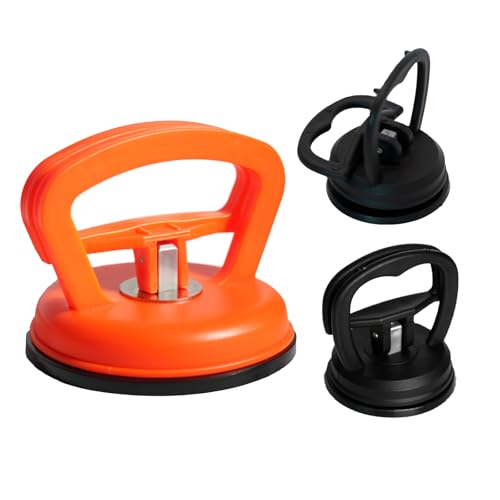
* Suction Cup Dent Puller: Do not use a bathroom plunger. You need a tool designed for automotive body repair, preferably with locking handles for sustained pulling force.
* Microfiber Cloth: To clean the surface for maximum suction.
Tools for the PDR Glue-Pulling Method
This offers the most precision for small hood dents.
* PDR Kit: A complete dent puller kit is the best investment. It should include:
* A hot glue gun and specialized PDR glue sticks.
* An assortment of plastic glue tabs in various shapes and sizes.
* A pulling tool, such as a mini-lifter or a sliding hammer.
* Isopropyl alcohol and a plastic scraper for removing glue.
* (Optional) A knockdown tool with a rubber mallet to gently tap down any high spots.
How Do You Use Heat and Cold to Remove a Dent?
To remove a dent with heat and cold, first, heat the dent with a hairdryer for 2-3 minutes. Then, immediately apply a rapid cooling agent, like upside-down compressed air or dry ice, to the center of the dent. This thermal shock causes the expanded toasty metal to contract quickly, popping the dent back into its original place.
This method works best on small hood dents located on flexible, flat panels. Based on our testing, patience and proper temperature management are key to success. Follow these steps carefully.
- Clean the Area: Use isopropyl alcohol and a microfiber cloth to completely clean the dent and the surrounding area. Any dirt or wax can interfere with even heating.
- 🔥 Heat the Surface: Hold your hairdryer about 5-7 inches from the hood. Heat the dent and a few inches of the surrounding metal in a circular motion. Do this for 2-3 minutes until the surface is very hot to the touch, but not so hot that it discolors the paint. The goal is to make the metal pliable.
- ❄️ Apply Rapid Cold: Immediately after heating, it’s time for the “shock.”
- Using Compressed Air: Turn the can completely upside down and spray the super-cold liquid propellant directly onto the center of the dent for 20-30 seconds.
- Using Dry Ice: While wearing thick protective gloves, take a small piece of dry ice and hold it directly against the center of the dent for 20-30 seconds.
- Wait for the “Pop”: You may hear a distinct popping sound as the rapidly contracting cool metal pulls the dent out. The change can be sudden.
- Assess and Repeat (If Necessary): If the dent is improved but not gone, you can let the panel return to room temperature and repeat the process 1-2 more times. Do not overdo it, as excessive heat cycles can stress the paint.
Troubleshooting Tip: If the dent doesn’t pop out after three attempts, it may be too deep or creased for this method. At that point, it’s best to try a PDR glue-pulling kit or consult a professional.
When Should You Call a Professional for Hood Dent Repair?
You should call a professional for hood dent repair if the dent is larger than 3-4 inches, has sharp creases, is on a major body line, or if the paint is cracked. Professionals have specialized PDR tools and the training to handle complex damage and stretched metal without further harming the vehicle.
Knowing your limits is a sign of a smart DIYer. Pushing a repair too far can turn an affordable professional PDR job into an expensive repair bill from a traditional body shop. Here is a clear comparison to help you decide.
| Feature/Aspect | DIY Dent Repair | Professional PDR Service |
|---|---|---|
| Best For | Small, shallow dents (<3 inches) on flat surfaces | Large, complex, or creased dents; hail damage |
| Average Cost | $20 – $150 (for tools) | $75 – $500+ (per panel, depending on severity) |
| Time Required | 1-3 hours | 30 minutes – 2 hours |
| Required Skill | Basic mechanical aptitude, patience | Highly specialized training and experience |
| Risk of Paint Damage | Medium to High (if done incorrectly) | Very Low |
| Result Quality | Good to Fair (may not be 100% perfect) | Excellent (often undetectable) |
The bottom line: For a minor, soft dent, a DIY approach is a great way to save money. But for anything that looks complex, involves hail storm damage, or is on an aluminum hood, calling a certified auto body technician is the best investment. Their experience and specialized tools often achieve a flawless finish that DIY methods can’t match.
FAQs About How to Get Dents Out of a Car Hood
What is the easiest way to remove small hood dents?
For very small, shallow dents, the easiest method is often the thermal technique using a hairdryer and a can of compressed air. This method requires minimal tools and skill, relying on the metal’s natural tendency to contract when rapidly cooled. It’s most effective on flexible, flat areas of the hood.
How much does it cost to get a dent out of a car hood?
DIY repair can cost between $20 for basic supplies (like dry ice) to $150 for a quality PDR kit. A professional repair from a body shop or PDR specialist can range from $75 for a single small dent to over $500 for extensive hail damage, depending on the severity and number of dents.
Can you get a dent out of a car hood without tools?
It is nearly impossible to properly remove a dent without any tools, but the “thermal method” uses common household items. A hairdryer and a can of compressed air (used for cleaning keyboards) can create the necessary thermal shock. However, specialized tools like suction cups or PDR kits offer more control and better results.
Does using a plunger to remove car dents actually work?
Using a household toilet plunger is not recommended and is largely a myth. Plungers are designed for a different type of suction and can easily scratch the paint or create a weak, uneven pull that can warp the metal. Always use a suction cup dent puller designed specifically for automotive bodywork.
Can you fix a dent on an aluminum hood the same way as a steel hood?
No, aluminum hoods are much more difficult to repair than steel hoods. Aluminum is less flexible, has less “metal memory,” and is more prone to stretching or cracking. While very minor dents may respond to PDR, aluminum dent repair should almost always be left to a professional with specialized tools and training.
How do you fix a dent if you can’t access the back of it?
If you can’t access the back of the dent, you must use a “pulling” method from the front. The two main options are a suction cup dent puller for larger, shallow dents or a glue-pulling PDR kit for smaller, more precise repairs. These tools are designed specifically for this scenario.
Will a dent in my hood affect my car’s resale value?
Yes, even minor cosmetic damage like a hood dent can negatively affect your car’s resale value. Potential buyers often see dents as a sign of neglect, and professional appraisers will deduct value for the estimated cost of repair. Fixing dents can be a cost-effective way to preserve your vehicle’s value.
What is Paintless Dent Repair (PDR) and is it effective?
PDR is a professional technique for removing dents without affecting the original factory paint. It involves using specialized tools to either push the dent out from behind or pull it from the front. PDR is extremely effective for a wide range of dents, especially hail damage, and is the preferred method for preserving a car’s finish and value.
Can you use a hammer to fix a hood dent?
Using a standard hammer is a very bad idea as it will create many small high spots and ruin the paint. Professionals use a technique with a specialized body hammer and a “dolly” to carefully massage the metal from behind, but this is a highly skilled process. For DIY, stick to pulling or thermal methods to avoid damaging the paint.
How long does it take to fix a hood dent at home?
A simple DIY dent repair can take anywhere from 30 minutes to a few hours. This depends on the method, your skill level, and the dent’s stubbornness. The thermal method can be very quick (15-30 minutes), while learning to use a PDR kit for the first time might take a couple of hours of patient work.
Key Takeaways: Car Hood Dent Repair Summary
- Always Assess First: Before any repair, check if the dent is shallow (under 3 inches) and that the paint is not cracked. This is the most critical step for DIY success.
- Three Main DIY Methods: The primary home repair techniques are the thermal method (heat/cold), suction cup pullers, and all-in-one Paintless Dent Repair (PDR) kits.
- Safety is Paramount: Always wear gloves when handling dry ice and safety glasses when working with tools. Never apply excessive heat that could damage the paint.
- Use the Right Tool: A household plunger is not a dent puller. Using tools specifically designed for automotive repair, like a suction cup dent puller or glue puller, is essential to prevent damage.
- Know When to Call a Pro: For large or sharp creased dents, damage on a body line, or any dent on an aluminum hood, professional help is the safest and most effective option.
- Paint Integrity is Key: All of these DIY dent removal methods are forms of paintless repair. If the paint is already chipped or cracked, these techniques will not work and a body shop is required for repainting.
- Patience Delivers Results: Pulling dents from a car hood is a process of finessing the metal, not brute force. Work slowly and apply pressure or temperature changes gradually for the best results.
Final Thoughts on Fixing Your Car’s Hood Dent
Fixing a dent in your car’s hood is an achievable DIY project that can save you hundreds of dollars and restore pride in your vehicle’s appearance. By carefully assessing the damage and choosing the right method—whether it’s the simple thermal trick, a powerful suction cup, or a precise PDR kit—you have the power to make that unsightly blemish disappear.
Remember that the foundation of a successful repair is patience and knowing your limits. For the right kind of dent, these expert methods deliver fantastic results. For more complex damage, trusting a professional is the wisest course of action. You are now equipped with the knowledge to make that call confidently.
Last update on 2026-04-11 / Affiliate links / Images from Amazon Product Advertising API