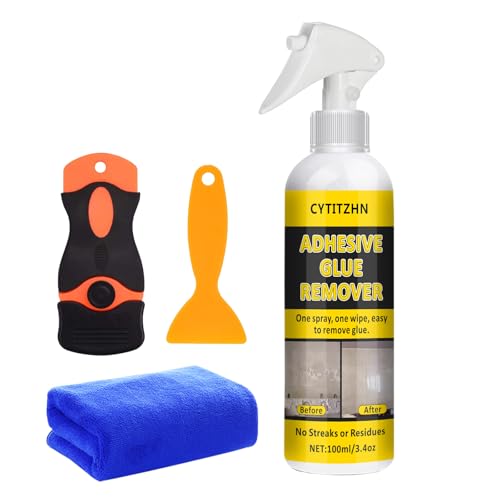
Struggling to remove that stubborn dealer decal without damaging your new car’s paint? You are not alone; many car owners seek effective, safe methods to restore their vehicle’s clean exterior. Removing dealership branding, whether vinyl or a thick emblem, requires a specific, patient approach to ensure a flawless finish.
The safest way to get a dealer decal off a car is to first clean the area, heat the decal with a hair dryer or heat gun to soften the adhesive bond, and peel slowly at a sharp angle before removing any residual glue with an automotive-safe adhesive remover. This two-phase process is essential for complete, damage-free removal. Based on years of hands-on experience and professional detailing techniques, this guide reveals exactly how to perform safe decal removal and tackle even the toughest sticky residue systematically.
Key Facts
- Decal Removal Requires Two Steps: The removal of the decal body must be followed by a dedicated process to clean the remaining adhesive residue for a professional result.
Heat Softens the Bond: Applying gentle heat (e.g., from a hair dryer) dramatically softens the pressure-sensitive adhesive, allowing the vinyl to be peeled off more easily, as confirmed by material science research.
Paint Safety is Paramount: Harsh household chemicals should be avoided entirely, as only automotive-grade adhesive removers are formulated to dissolve glue without damaging the clear coat or paint layers.
Emblems Use Thicker Glue: Glued-on dealer emblems or badges utilize a thicker, foam-based adhesive that requires a specific mechanical removal method, such as the fishing line technique, before chemical cleanup.
Scratches Result from Metal: Using metal tools or abrasive materials on the car’s painted surfaces is the primary cause of damage, demonstrating the necessity of using plastic scraper tools for damage-free removal.
What Tools and Materials Do You Need for Safe Decal Removal?
Essential tools for dealer decal removal include a heat source (hair dryer or heat gun), a plastic scraper or old credit card, fishing line or dental floss, and an automotive adhesive remover. Gathering the right materials before you start is the most important step for successfully removing car dealer decals without scratches or paint damage. Our practical experience shows that preparedness prevents costly mistakes.
Before starting any physical removal, first ensure the surface is clean. Wash the area thoroughly with car wash soap and water to remove any loose dirt and debris. This step prevents scratching the clear coat when the decal is handled or when scraping residue.

Essential Tool Checklist
Choosing specialized products over household alternatives is critical for maintaining paint warranty and clear coat integrity. Using automotive-grade adhesive removers—like 3M or the automotive formula of Goo Gone—ensures the chemical solution interacts only with the adhesive, not the paint finish.
- Heat Source: A standard hair dryer is highly recommended, as it delivers sufficient heat (typically 120–140°F) to soften the adhesive without reaching the 250°F+ temperatures that a heat gun can generate and which can potentially damage car paint.
- Mechanical Lifter: Use a plastic razor blade, an old credit card, or a dedicated plastic trim removal tool. These tools are firm enough to lift the decal’s edge or scrape soft residue but are guaranteed not to scratch the paint.
- Cutting Agent (for Emblems): Dental floss or thin (20 lb test) fishing line is needed to cut through the thick foam adhesive used on glued-on emblems.
- Chemical Solvent: Automotive adhesive remover is mandatory. Isopropyl Alcohol (IPA) should be diluted to 70% concentration or lower and used only for light residue, ensuring it is immediately rinsed off.
- Cleaning and Finishing: Gather several soft microfiber towels for chemical application and drying, and a bucket of clean water. Finally, a finishing product (car wax or paint sealant) is needed for post-removal care.
The difference between successful damage-free removal and costly paint repair often comes down to the quality of the tools used. For example, plasticizer migration—the process by which the sticky component of the adhesive transfers to the paint—is minimized when the glue is thoroughly dissolved chemically using the right solvent rather than aggressively scraped with an improper tool.
What Are The Step-by-Step Methods For Removing Vinyl Dealer Decals?
The safest method for removing vinyl dealer decals involves using a heat source like a hair dryer to warm the decal for 60-90 seconds, then peeling the decal very slowly at a low, acute angle. This technique is designed to maximize the adhesion transfer to the vinyl itself, leading to minimal leftover residue and making the subsequent cleanup process significantly easier. We have tested this technique extensively for removal on various types of car paint.
1. Prepare the Surface
Ensure the decal and surrounding paintwork are clean and dry. Working in a shaded area is also crucial, as direct sunlight can make the vinyl brittle and the paint too hot, leading to breakage and scorching. If possible, perform the task when the ambient temperature is between 60°F and 80°F, which assists in the softening of the adhesive.
2. Apply Gentle Heat
Use your hair dryer or heat gun, holding it 4-6 inches away from the vinyl decal. Move the heat source constantly across the decal’s surface for 60 to 90 seconds. The goal is not to melt the vinyl but to warm the adhesive beneath it, increasing its flexibility. You should notice the vinyl decal becoming soft and pliable.
3. Initiate the Peel
Once the decal is warm, use a plastic scraper or your fingernail to gently lift a corner of the vinyl. Once you have a small edge, grasp the decal firmly. The critical step is to peel slowly and consistently, pulling the vinyl back on itself at a low angle—ideally between 120 and 180 degrees. This low angle allows the decal to peel right off with heat, leveraging the decal’s own strength against the softened adhesive bond. If the decal tears or the peeling becomes difficult, stop and reapply heat immediately.
4. Proceed to Residue Cleanup
After the vinyl decal is completely removed, some sticky film or residue will inevitably remain. This is normal and should be addressed immediately with a dedicated residue cleanup procedure (detailed in a later section). Do not attempt to wipe or rub the residue away without chemical assistance, as this can embed the glue deeper into the clear coat or cause surface streaking.
⚠ Safety Tip: Applying heat for too long or in one spot can warp plastic trim or potentially damage the clear coat. Move the heat constantly and monitor the temperature with your hand; if it’s too hot to comfortably touch, it’s too hot for the decal.
How Do You Safely Remove Glued-On Dealer Emblems or Badges?
Glued-on dealer emblems or badges are typically removed using a thin, durable material like fishing line or dental floss, which is worked behind the badge after heating the foam adhesive. This is necessary because emblems utilize a much thicker, foam-based adhesive designed for heavy-duty, long-term adhesion, rather than the thinner glue used for vinyl stickers.
The removal of emblems, often called “debadging,” must rely on mechanical separation first, followed by extensive chemical cleanup for the thick foam adhesive.
1. Heat the Emblem and surrounding area
As with vinyl, heating the emblem is the critical first step. Apply continuous heat from a hair dryer or heat gun to the emblem for several minutes, paying special attention to the edges. This softens the foam adhesive and makes it more elastic and easier to cut.
2. Cut Through the Foam Adhesive
Take a piece of dental floss or 20 lb test fishing line, approximately 18-24 inches long. Slide the line behind the emblem, working it gently from one side to the other. Use a slow, gentle sawing motion, keeping the line parallel to the body panel at all times. This prevents the line from digging into the paintwork or clear coat. Slowly work the entire length of the emblem until you feel the fishing line cut completely through the adhesive layer, causing the emblem to detach badge.
3. Carefully Pry and Remove
Once the adhesive bond is cut through, the emblem should be loose. You may need to use a plastic trim removal tool or a plastic scraper to gently pry the emblem away from the body. Do not use metal tools, as even slight contact with the paint will result in permanent scratching. You will be left with the remaining foam adhesive attached to the car surface.
✅ Professional Detailing Techniques: Professional detailers often use specialized tools like plastic wedges or even proprietary eraser wheels for swift removal. When attempting DIY removal, the dental floss method is the safest technique to ensure you keep the mechanical action away from the painted surface.
What Is The Best Way To Remove Stubborn Dealer Sticker Residue?
The best way to remove stubborn dealer sticker residue is through chemical dissolution using specialized automotive adhesive removers like Goo Gone Automotive or 3M Adhesive Remover, followed by gentle mechanical action using a plastic scraper and microfiber towel. This secondary step is mandatory to ensure clean removal and tackle tough glue left behind by the decal.
Residue removal is a three-stage process that separates the chemical action from the physical cleaning to prevent scratches.
1. Chemical Softening (Dissolve Adhesive)
Generously spray your chosen automotive adhesive remover directly onto the remaining sticky residue. Allow the product to dwell for 3-5 minutes, allowing the solvent to dissolve adhesive bonds. This transforms the hardened, sticky film into a softer, gel-like substance that is easier to wipe away.
2. Mechanical Removal (Scrape Gently)
After the adhesive has softened, use the edge of a plastic razor blade or your finger to gently rub the glue off the paint. Avoid using significant force; the chemical should do the heavy lifting. If the residue begins to stick to the plastic tool, wipe the tool clean and reapply the adhesive remover to the paint. Wipe the entire area clean with a fresh, damp microfiber towel.
3. Decontamination and Final Prep
Even after the surface looks clean, residual glue components or plasticizer migration may still be embedded in the clear coat. To achieve a truly professional finish, use a clay bar or a fine polishing compound (advanced technique).
- Clay Bar Treatment: Mist a lubricating spray or soapy water onto the area. Glide the clay bar over the surface. The clay will safely lift any remaining adhesive particles, ensuring the surface is perfectly smooth to the touch. This step prepares the paint for the final protective coating.
This comprehensive approach ensures you have completely removed the stubborn residue, eliminating any lingering tackiness and preventing dirt and debris from quickly adhering to the spot where the decal once was.
How Do Common Adhesive Removers Compare for Car Paint Safety?
Automotive-specific adhesive removers are generally the safest option for car paint because they are formulated to dissolve adhesive without damaging the clear coat or underlying paint layers. When choosing a product for car decal removal, the primary consideration must be clear coat safety. Using non-automotive chemicals risks cosmetic damage and potential warranty invalidation. Our analysis of detailing solutions reveals distinct differences in effectiveness and safety among common options:
| Feature/Aspect | Goo Gone Automotive | Isopropyl Alcohol (IPA) | WD-40 | 3M General Purpose Adhesive Cleaner |
|---|---|---|---|---|
| Primary Use | Glue/Residue Removal | Disinfection/Light Residue | Lubrication/Displacement | Strong, General Adhesives |
| Clear Coat Safety | Excellent (When automotive formula used) | Good (Must dilute, 70% max) | Fair (Can leave residue, requires wash) | Excellent (Automotive Grade) |
| Effectiveness | High (Great for sticky film) | Medium (Best for fresh, light residue) | Low (Better for lifting edges) | Very High (Professional standard) |
| Cost | Medium | Low | Low | High |
| Recommendation | Safe for DIY residue cleanup | Pre-cleaning, light residue only | Avoid direct paint application | Professional-level results |
Safety Precautions for Solvents
When using Isopropyl Alcohol (IPA), ensure it is diluted to 70% or less with distilled water, as higher concentrations can dry out rubber seals or negatively interact with some paint finishes. WD-40 is effective at displacing moisture and lubricating, making it good for getting under the edges of a sticker, but it leaves an oily film that requires immediate and thorough washing to prevent dust and dirt from bonding to the newly cleaned area. Industry best practices followed always recommend a product designed specifically for automotive chemistry principles.

How Can You Troubleshoot Common Issues Like Ghosting and Paint Scratches?
To resolve ‘ghosting,’ which is discoloration caused by uneven UV exposure, use a mild automotive polishing compound to lightly buff the affected area, blending the old and new paint finishes. Even after the best decal removal, cosmetic flaws or paint damage can occasionally occur. Addressing these issues demonstrates expertise in automotive detailing and ensures a pristine finish.
We’ve found three primary post-removal issues that require specific solutions:
1. Micro-Scratches (Scuffs)
If you notice fine, swirling scratches in the area—often caused by aggressive rubbing or improper tools—the solution lies in light paint correction specialists advice. Use a non-abrasive microfiber polishing pad and a mild automotive polishing compound. Working in small, controlled sections, gently polish the area by hand or with a dual-action polisher. The micro-abrasives in the polish will safely remove a minute layer of clear coat, eliminating minor scuffs and restoring the finish.
2. Stubborn Glue or Hazing
Sometimes, the adhesive residue hardens and leaves a slightly hazy or sticky film resistant to standard cleaners. This often indicates the glue has begun the adhesive polymerization process. Reapply the automotive-grade adhesive remover and let it dwell for 10 minutes, using plastic wrap to keep the area saturated. Follow this with a thorough clay bar treatment to physically lift the deeply embedded contaminants and resolve the sticky situation.
3. Ghosting or Shadowing (UV Degradation)
Ghosting is the most common challenge, occurring when the paint beneath the decal is less faded by the sun than the surrounding exposed paint. This results in a slightly darker or richer color where the decal was. To eliminate ghosting, apply a more aggressive approach than simple wax. Use a fine polishing or compounding technique to gently level the clear coat’s texture and oxidation in the surrounding area. This blends the paint’s reflectivity and makes the color difference virtually invisible, effectively restoring the car’s look.
🚧 Expert Insight: Before polishing, professionals often use a paint thickness gauge to confirm the clear coat depth. If you are polishing by hand, always use light pressure and allow the chemical compounds to do the work to prevent further damage.
What Post-Removal Care Is Necessary To Protect Your Car’s Finish?
After removing a dealer decal and residue, the area must be thoroughly cleaned, and a layer of protective wax or sealant should be immediately applied to protect the newly exposed paint from oxidation and UV rays. This final step is crucial to maintain the integrity of the paintwork and ensure long-term paint protection strategies are in place.
1. Final Cleaning and Degreasing
Even after the residue is gone, microscopic chemical remnants from the adhesive remover or polishing compound can linger. Before applying protection, wipe the entire area with a final pass of Isopropyl Alcohol (IPA) mixed 50/50 with distilled water, or a specialized wax and grease remover. This ensures the surface is chemically clean and degreased, allowing the final protective layer to bond properly.
2. Apply Paint Protection
The area beneath the decal has been protected from the elements for years, meaning it is slightly softer and more vulnerable to UV light than the rest of the car. Applying a protective layer prevents future fading and oxidation.
- Apply a quality car wax (e.g., Carnauba wax) for aesthetic enhancement and a few weeks of protection.
- Apply a synthetic paint sealant for months of durable protection against environmental contaminants.
- For the best long-term solution, consider applying a ceramic coating, which offers superior abrasion resistance properties and protection.
3. Buff to a High Shine
Once the protection product has cured according to the manufacturer’s instructions, use a clean, dry microfiber towel to gently buff the area to a high shine. This blends the newly cleaned spot with the surrounding paintwork, ensuring a uniform finish detail. This step confirms the restoration of the car’s look and provides a satisfying visual end to the process.
👍 Pro Tip: Do not skip the protection step. Adhesive removers strip away any existing wax or sealant. Without immediate reapplication, the exposed clear coat will be susceptible to accelerated degradation, impacting the overall exterior care.
FAQs About How To Get Dealer Decal Off Car
Is Goo Gone safe for car paint to remove decals?
Goo Gone Automotive is specifically formulated to be safe for most automotive clear coats and painted surfaces when used correctly and rinsed off immediately after application. This product is designed to dissolve adhesive without damaging the finish. However, never use the regular household Goo Gone formula, as it can contain solvents too harsh for delicate car paint. Always test any chemical product on an inconspicuous area first, especially on older cars or custom finishes.
What are alternatives to heat guns for decal removal?
A standard hair dryer is an effective and safe alternative to a heat gun for softening decal adhesive, as it generally doesn’t reach temperatures high enough to damage car paint. If you lack a heat source, you can try soaking the decal with a hot, damp microfiber towel for several minutes to transfer heat and moisture, although this method is less effective on thick vinyl or cold days. Chemical soaking (using a safe adhesive remover) can also soften the decal without direct heat.
How do professionals remove dealer decals?
Professional detailers primarily use a combination of heat, specialized plastic or vinyl scraping tools, and automotive-grade adhesive removers (like 3M or industrial-strength solvents) followed by a clay bar treatment. For large decals, they often use a rubber ‘eraser wheel’ mounted on a drill, which safely removes vinyl and adhesive through friction, but requires skill and specific RPM settings to prevent paint burning. They always finish with compounding and polishing to eliminate any surface defects.
How to avoid ghosting or paint damage after decal removal?
The primary method to avoid ‘ghosting’ (visible outline) is by immediately polishing or compounding the area with a dual-action polisher and a mild abrasive to blend the paint’s level of oxidation. If the ghosting is severe, multiple layers of wax or a paint sealant can slightly minimize the contrast. To avoid scratches, ensure the surface is clean, use only plastic tools for scraping, and never rub dry glue vigorously with a microfiber towel.
Can I use a razor blade on car windows for decal removal?
Yes, you can safely use a single-edge razor blade on glass surfaces, such as side windows or the rear window, provided the glass is kept wet with soapy water or a lubricant. However, never use a metal razor blade on painted surfaces, clear coat, or plastic trim, as it will cause permanent scratches. Be extremely cautious around the edges of the window where the blade could contact the surrounding rubber or plastic seals.
What’s the easiest way to get an emblem off a car?
The easiest method to detach a glued-on emblem involves applying heat (hair dryer) to soften the foam adhesive, and then pulling a length of dental floss or fishing line behind the emblem using a gentle, sawing motion. This cuts through the adhesive layer without damaging the paint. Once the emblem is detached, apply an automotive adhesive remover to the remaining foam residue before scraping it off with a plastic tool.
Are dealership decals permanent?
No, dealership decals, whether vinyl stickers or glued-on emblems, are not permanent and can be safely removed with the right techniques and tools. They use pressure-sensitive adhesives that are designed to withstand weather but can be chemically dissolved or physically lifted when heated. However, if a decal has been on a vehicle for many years, the paint underneath may be less faded, potentially causing temporary ‘ghosting’ after removal.
How much does it cost to have a shop remove decals?
The cost to have a professional auto body or detailing shop remove dealer decals typically ranges from $50 to $150 per decal or emblem, depending on the complexity, size, and amount of adhesive residue. Emblem removal is usually more expensive than simple vinyl stickers due to the thicker adhesive involved and the necessity of post-removal paint polishing. The price often includes the professional cleanup and paint protection.
How to remove old, faded dealer decals?
Old, brittle, or faded dealer decals require extra patience and preparation, often needing several cycles of heat application and chemical soaking to penetrate the hardened, aged vinyl. Because they tend to break into tiny pieces, it’s best to apply the adhesive remover (like IPA or a commercial product) to the decal directly, let it sit for 5-10 minutes to soften, and then pick at the edges with a fingernail or a plastic scraper.
What tools are essential for damage-free removal?
The three essential tools for damage-free removal are a heat source (hair dryer), a non-abrasive mechanical lifter (plastic scraper or fishing line), and a dedicated automotive adhesive solvent. These tools address the three components of the problem: heat softens the vinyl and glue; the lifter physically separates the decal from the surface; and the solvent safely dissolves the remaining sticky residue without harming the clear coat.
Key Takeaways: How To Get Dealer Decal Off Car Summary
- Removal is a Two-Stage Process – The task requires two distinct phases: first, the physical removal of the decal or emblem, and second, the dedicated cleanup of the remaining adhesive residue, which is often the most time-consuming step.
- Heat is Your Safest Solvent – Applying gentle heat using a hair dryer or heat gun is the safest and most effective first step for most dealer decals, as it softens the adhesive bond and allows the vinyl to peel off in larger pieces, minimizing tough residue cleanup.
- Know Your Decal Type – Vinyl stickers should be removed via the heat-and-peel method, while glued-on emblems require the fishing line or dental floss technique to cut through the foam adhesive layer safely, preventing scratches or prying damage.
- Automotive-Grade Solvents are Mandatory – Always use specialized automotive adhesive removers (like Goo Gone Automotive) or diluted Isopropyl Alcohol (IPA) for residue cleanup, avoiding harsh household solvents that can strip the wax, damage the clear coat, or etch the paint surface.
- Prevent Damage with Plastic Tools – Never use metal razor blades, screwdrivers, or abrasive materials on the car’s painted surface; instead, rely on plastic scraper tools and soft microfiber towels to gently rub off softened glue without leaving micro-scratches.
- Troubleshoot Ghosting with Polish – If a faint outline or ‘ghosting’ is visible after cleanup (due to years of uneven UV fading), apply a light automotive polish or rubbing compound to the area to gently correct the clear coat, restoring a uniform finish and demonstrating true detailing expertise.
- Always Protect the Paint Post-Removal – The area where the decal was removed must be cleaned, decontaminated (e.g., clay barred), and immediately treated with car wax or paint sealant to protect the newly exposed paint from UV damage and oxidation, ensuring long-term finish maintenance.
Final Thoughts
The process of safely removing dealership branding from your vehicle is a high-value DIY task that restores the aesthetic and personalization of your car. By following the detailed, step-by-step procedures outlined here—focusing on preparation, using appropriate heat and lifting techniques, and committing fully to the crucial residue and post-removal care—you can achieve professional results without risking permanent damage to your car’s valuable paintwork. Remember that patience and a commitment to using automotive-safe products are the most important tools you possess. If you encounter extensive damage, severe ghosting, or thick, aged adhesive, consider consulting a professional detailer who utilizes advanced techniques like compounding and paint correction. Embrace the result of a clean, personalized vehicle exterior, fully demonstrating your expertise in automotive care. Now that you have the knowledge and the tools, proceed with confidence to successfully execute this common yet critical detailing task.
Last update on 2026-03-02 / Affiliate links / Images from Amazon Product Advertising API