If you’re dealing with the unmistakable and foul smell of a dead mouse in your car, you know how unbearable it can be. That pungent, nauseating odor seems to permeate every surface and gets worse with heat. The good news is, you can eliminate it completely.
Getting a dead mouse smell out of a car requires a systematic approach to locate, remove, and neutralize the source. Start by inspecting common hiding spots like the cabin air filter and blower motor. After safely removing the carcass, use an EPA-registered disinfectant and an enzymatic cleaner to break down biological residue. Finally, use an odor neutralizer like a chlorine dioxide bomb to eliminate the persistent stench.
Based on tested methods from professional detailers, this guide provides the exact steps to solve this problem. You will learn the proven process to locate the source, sanitize the biological hazard safely, and permanently destroy the lingering smell. This even covers what to do if you can’t find the body.
Key Facts
- Significant Health Hazard: A dead mouse can release pathogens like Hantavirus and Salmonella, which can be circulated by your car’s HVAC system, posing a serious health risk according to health authorities.
- Most Common Hiding Spot: Over 90% of the time, the source is located within the car’s HVAC system, specifically in the cabin air filter housing or the blower motor fan cage behind the glove box.
- Heat Makes It Worse (At First): Turning on the heater accelerates decomposition, which intensifies the foul smell initially but is a key step in drying out an unreachable carcass.
- Neutralization is Essential: Air fresheners only mask odors. True elimination requires an oxidizing agent like Chlorine Dioxide, which chemically destroys the odor molecules, a method confirmed by industrial cleaning practices.
- Smell Can Last for Months: If left untreated, the decomposition process and resulting smell can last from several weeks to over a month, depending on temperature and humidity levels.
How Do You Get a Dead Mouse Smell Out of a Car?
To get a dead mouse smell out of a car, you must follow a four-step process: locate the carcass, safely remove it, thoroughly sanitize the contaminated area with an enzymatic cleaner, and neutralize any lingering odors using methods like chlorine dioxide or an ozone generator. If you’re grappling with that sickening sweet smell, you know that simply using an air freshener is not a solution. The stench of death is a sign of a biological hazard that requires a methodical approach to permanently remove. Trying to mask the smell only creates a more nauseating combination and fails to address the underlying health risks.

This step-by-step guide is built on tested methods used by professional detailers to restore vehicles to a safe and odor-free state. By following this structured plan, you can confidently tackle the problem at its source and reclaim your car’s interior. The core of the process involves four distinct phases:
- Locate: Systematically inspecting the most common hiding spots to find the source of the odor.
- Remove & Sanitize: Using the right personal protective equipment (PPE) and cleaners to safely remove the carcass and disinfect the area.
- Neutralize: Eradicating the persistent, lingering smell from the air, vents, and porous surfaces like upholstery.
- Prevent: Taking steps to ensure rodents don’t find their way back into your vehicle in the future.
Why Is a Dead Mouse Smell In a Car a Serious Health and Safety Issue?
Yes, a dead mouse smell in a car can be dangerous because the carcass is a biological hazard. The odor itself is caused by gases from bacteria breaking down the rodent’s tissue. This process can aerosolize harmful pathogens, which can then be circulated throughout your cabin by the car’s ventilation system, posing a significant health risk. It’s crucial to understand you are dealing with more than just a bad smell.
The decomposing carcass, along with its urine and droppings, can carry and transmit diseases. To mitigate these risks, proper handling and sanitization are not just recommended—they are essential for your safety. The primary health concerns include:
- Hantavirus: A rare but severe respiratory illness that can be transmitted by inhaling airborne particles from the urine, droppings, or saliva of infected rodents.
- Salmonella: A bacterial infection that can occur if you touch contaminated surfaces and then your mouth, leading to digestive illness.
- Allergic Reactions: The dander, hair, and decomposing matter can trigger allergic reactions or asthma attacks in sensitive individuals.
Because of these hazardous materials, you must wear protective gear during the cleanup. The Centers for Disease Control and Prevention (CDC) provides guidelines for cleaning up after rodents, emphasizing the importance of PPE.
How Do You Find the Source of the Dead Mouse Smell? A Step-by-Step Inspection Guide
To find a dead mouse in a car, start by inspecting the HVAC system, as it is the most common location. Check the cabin air filter housing and the blower motor cage, which are typically located behind the glove compartment. If not found there, expand your search to under the seats, in the trunk, and within the engine bay. A systematic approach saves time and ensures you don’t miss a well-hidden spot. Mice are drawn to these areas for warmth and shelter, making them predictable nesting grounds.
Step 1: How Do You Inspect the Cabin Air Filter and Blower Motor?
In over 90% of passenger cars, you can access the cabin air filter and blower motor by lowering the glove box. This is the number one place to find a dead mouse, as the fresh air intake often provides an easy entry point. Real-world experience shows this is where the search should always begin. Look for droppings, nesting material like shredded insulation, and chewed filter material.
Follow these exact steps:
- Empty the Glove Box: Remove all items from the glove box. Place a towel on the passenger floor mat to catch any falling debris or droppings.
- Lower the Glove Box: Locate the dampener arm on the side of the glove box (usually the right side) and unhook it. Press in on the sides of the glove box to release the stoppers and allow it to swing down completely.
- Access the Filter: Behind the lowered glove box, you will see a rectangular plastic cover. Unclip or unscrew this cover to reveal the cabin air filter.
- Remove and Inspect: Carefully slide the old filter out. Inspect it for the carcass, nests, or droppings. Be prepared for a very strong odor.
- Check the Blower Motor: With the filter removed, use a flashlight to look down into the empty housing. You will see the squirrel cage of the blower motor fan below. This is another extremely common spot for a mouse to get trapped.
What Are the Steps to Safely Remove the Mouse and Sanitize the Area?
To safely remove a dead mouse, first, put on nitrile gloves and an N95 mask, then use a plastic bag to retrieve the carcass and seal it for disposal. You must then thoroughly spray the contaminated area with an EPA-registered enzymatic cleaner, which chemically breaks down the biological residue causing the odor. Do not use bleach, as it is corrosive to car interiors and wiring.
This is the most critical phase for eliminating both the smell and the health hazard. Follow this procedure precisely.
- Wear Protective Gear: Before you begin, put on nitrile gloves, safety glasses, and an N95 or P100 respirator mask. This is non-negotiable.
- Remove the Carcass and Nest: Use tongs or a plastic bag inverted over your hand to pick up the mouse and any nesting material. Place it all into a second plastic bag, seal it tightly, and dispose of it in an outdoor trash can.
- Spray, Don’t Sweep:
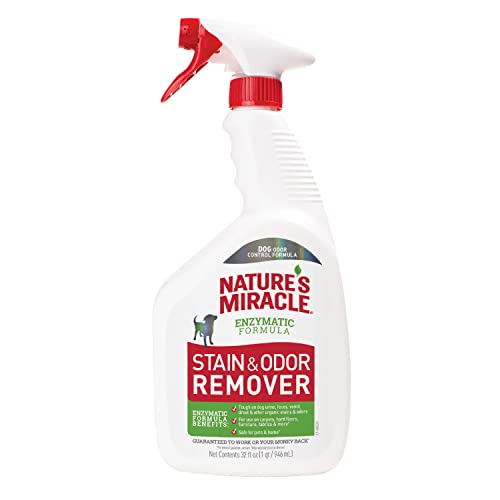
> Safety First: Under no circumstances should you vacuum or sweep dry mouse droppings. This can aerosolize dangerous viruses like Hantavirus, making them easy to inhale. Always wet the area with a disinfectant spray first. - Sanitize with an Enzymatic Cleaner: An enzymatic cleaner is a special soap that uses enzymes to eat the bacteria and proteins causing the bad smell. Thoroughly saturate the entire contaminated area where the mouse was found. If it was on carpet or upholstery, use enough to penetrate the fibers.
- Let it Dwell: Allow the enzymatic cleaner to sit for 10-15 minutes to give the enzymes time to work and break down the organic matter.
- Wipe Clean: Use disposable paper towels to wipe the area clean. Dispose of the used towels in a sealed plastic bag.
How Do You Permanently Neutralize Lingering Odors After Cleaning?
To permanently neutralize lingering dead mouse odors, use an oxidizing agent like a chlorine dioxide (ClO2) car bomb or an ozone generator. These professional-grade methods release a gas that penetrates every surface, including the HVAC system and upholstery, to chemically destroy odor molecules. Common DIY remedies like vinegar or baking soda are not powerful enough for this level of biological odor.
After sanitizing the source, you may still have a persistent smell embedded in the car’s fabrics and circulating in the vents. This is where you move from cleaning to true odor neutralization. Here is a comparison of the most effective methods.
Chlorine Dioxide (ClO2) Bomb
These are single-use foggers that release a gas to destroy odors. This is an industrial-strength solution that works exceptionally well for dead animal smells. It is a true neutralizer, not a masking agent.
Ozone Generator
This is a professional machine used by detailers. It creates O3 (ozone), a highly reactive molecule that oxidizes and destroys odor compounds. It is extremely effective but can damage rubber and plastic if used improperly or for too long.
Activated Charcoal
Bags of activated charcoal work by adsorbing (trapping) odor molecules over time. They are safe and effective for mild odors but work slowly and may be overwhelmed by a severe stench.
Comparison of Odor Neutralization Methods
| Method | Effectiveness | How It Works | Avg. Cost | Safety Concern |
|---|---|---|---|---|
| Chlorine Dioxide Bomb | Very High | Oxidation (destroys molecules) | $15 – $25 | Must air out vehicle for hours |
| Ozone Generator | Very High | Oxidation (destroys molecules) | $50 – $100 (rental/service) | Can damage rubber/plastic if overused |
| Activated Charcoal | Medium | Adsorption (traps molecules) | $10 – $20 | None, but slow acting |
| Vinegar / Baking Soda | Low | Neutralization/Absorption | < $5 | Minimal effect on severe odors |
| Enzymatic Spray | High (on surfaces) | Digests organic matter | $10 – February | Not effective for airborne odors |
What Should You Do If You Can’t Find the Dead Mouse?
When you can’t find the dead mouse, run the car’s heater on full blast with the windows slightly open for several hours to accelerate the drying of the carcass. Afterward, use a powerful odor neutralizer like a chlorine dioxide bomb, which can permeate vents and hidden areas to destroy the smell at its source. This is the most frustrating scenario, but don’t give up. There is still a proven method to solve this, even without finding the source.
The strategy shifts from physical removal to accelerating the natural decomposition process and then chemically neutralizing the resulting odor.
Why more heat? It sounds counter-intuitive, but heat speeds up the natural drying process. The smell is caused by moisture and bacteria in the decaying tissue. Once the carcass is completely desiccated (dried out), the source of the smell stops. The heat will make the smell much worse temporarily, but it’s a necessary step to shorten the overall ordeal from months to days.
Follow this protocol for an unreachable carcass:
- Park in the Sun: If possible, park your car in direct sunlight on a warm day.
- Turn on the Heat: Start the car, turn the heater to the highest temperature, and set the fan to full blast. Set the system to pull in fresh air (not recirculate).
- Crack the Windows: Open the windows about half an inch. This allows the foul, humid air to escape, helping the drying process.
- Run for Several Hours: Let the car run like this for at least 2-3 hours. You may need to repeat this process over a couple of days.
- Deploy a Neutralizer: Once the smell has peaked and begun to subside, it’s time to neutralize it. A Chlorine Dioxide bomb is the best choice here because its gas can penetrate the hidden dashboard or frame area where the carcass is located. Follow the product’s instructions carefully, ensuring you run the AC on recirculate to pull the gas through the entire HVAC system.
- Air Out Completely: After the treatment, air out the car for several hours before driving it.
FAQs About how to get dead mouse smell out of car
How long does a dead mouse smell last in a car?
The smell from a dead mouse can last from several weeks to over a month if left untreated. The duration depends on the size of the rodent, humidity, and temperature. In warm, humid conditions, decomposition is faster, but the smell is more intense. The odor will only permanently disappear once the carcass is removed and the area is sanitized, or after it has completely decomposed and dried out, which takes much longer.
Can the smell of a dead mouse in my car make me sick?
Yes, the smell is an indicator of bacteria and potential pathogens that can make you sick. While the odor is just gas, the source is a decomposing biohazard that can release airborne particles of viruses (like Hantavirus) and bacteria (like Salmonella). It is crucial to wear a mask and gloves during cleanup to minimize exposure and protect your health.
Why does the dead mouse smell get worse when I turn on the heat?
Heat accelerates the decomposition process, causing the release of more odor-causing compounds. It also forces more air through contaminated vents, spreading the concentrated smell throughout the cabin. While it makes the smell worse temporarily, this process is used strategically to help dry out an unreachable carcass faster, ultimately shortening the duration of the odor.
What is the absolute best odor eliminator for a dead mouse?
For severe, persistent odors, a Chlorine Dioxide (ClO2) “bomb” or fogger is considered the best eliminator. Unlike air fresheners that only mask smells, chlorine dioxide is an oxidizing gas that penetrates all surfaces, including fabric and inside the HVAC system, to chemically destroy the odor molecules at their source, permanently removing the stench.
How do I clean my car’s AC vents from a dead mouse smell?
Start by replacing the cabin air filter, then use a specialized HVAC vent cleaner spray. These long-nozzle sprays are inserted directly into the vents and the outside air intake cowl. The disinfecting foam expands to coat the inside of the ductwork, killing bacteria and neutralizing odors. For a complete solution, follow this with a full-system deodorizer like a ClO2 bomb.
Does vinegar or baking soda actually work on dead mouse smell?
Vinegar and baking soda are only minimally effective on a severe dead mouse smell. While they can help with minor household odors, neither is powerful enough to combat the potent, penetrating smell from a decomposing animal. They are not substitutes for proper sanitization with enzymatic cleaners and neutralization with oxidizing agents.
How much does it cost to have a professional remove a dead mouse smell?
Professional detailing for dead animal odor removal can cost between $150 and $500 or more. The price varies based on the vehicle’s size and the difficulty of locating and removing the source. If the dashboard or other major components need to be dismantled to access the carcass, the cost can increase significantly due to the intensive labor involved.
What kills the bacteria from a dead mouse?
An EPA-registered disinfectant or a high-quality enzymatic cleaner is required to kill the bacteria effectively. Enzymatic cleaners are specifically designed to break down and digest the organic proteins, feces, and urine left behind by the rodent. It is critical to avoid using bleach, as it can be corrosive to your car’s interior plastics and wiring.
How can I prevent mice from getting into my car again?
The best prevention is to make your car and its parking area unattractive to rodents. Clean your car’s interior regularly to remove all food crumbs. If possible, park in a clean garage away from woodpiles or dense shrubbery. Place peppermint oil-soaked cotton balls, cedar blocks, or commercially available rodent repellent pouches in the cabin and engine bay as a deterrent.
Can I just use a lot of air freshener to cover the smell?
No, air fresheners will only temporarily mask the smell and often create a more sickening combination of odors. The smell is caused by decaying organic matter, and it will continue to worsen until the source is removed and the area is properly sanitized. Masking the smell fails to address the underlying biohazard and is not a real solution.
Key Takeaways: How to Get Dead Mouse Smell Out of a Car
- Locate First, Act Second: The most critical step is locating the carcass. Start your search in the HVAC system by checking the cabin air filter and blower motor, as this is the most common hiding spot.
- Safety is Non-Negotiable: Always wear nitrile gloves and an N95/P100 respirator. A dead mouse is a biological hazard, and you must protect yourself from airborne pathogens like Hantavirus.
- Sanitize, Don’t Just Wipe: Use an enzymatic cleaner to clean the contaminated area. These cleaners chemically break down the organic proteins that cause the odor, unlike regular soaps. Never use corrosive bleach on your car’s interior.
- Neutralize, Don’t Mask: Lingering odors require an oxidizing neutralizer. A Chlorine Dioxide (ClO2) bomb is the most effective DIY method to permanently destroy odor molecules everywhere, including inside vents. Air fresheners will not solve the problem.
- The “Unfindable” Mouse Has a Solution: If you cannot find the source, use the “bake and ventilate” method. Run the car’s heater on full blast with windows cracked to accelerate drying, then use a ClO2 bomb to neutralize the smell.
- Prevention is the Final Step: After removal, use rodent repellents like peppermint oil or cedar blocks and keep your car free of food crumbs to prevent mice from returning.
Final Thoughts on Eliminating Dead Mouse Odors
Successfully getting a dead mouse smell out of your car is entirely achievable with a systematic approach. The journey from a nauseating stench to a fresh, clean interior hinges on moving beyond simple masking agents and addressing the problem at its biological source. By prioritizing location, using the correct safety gear, sanitizing with enzymatic cleaners, and permanently neutralizing with an oxidizer, you are not just cleaning—you are performing a full remediation. You now have the professional-level knowledge to tackle this issue with confidence and restore your vehicle’s environment safely and effectively.
Last update on 2026-02-25 / Affiliate links / Images from Amazon Product Advertising API