
The sight of a sticky, brown smear on your beloved car seat can ruin any trip, causing immediate frustration and panic. You are likely wondering if this messy chocolate spill is going to leave a permanent stain on your vehicle’s upholstery. Many car owners struggle with how to remove melted chocolate car seat stains without causing irreparable damage. The key is understanding that chocolate is a complex stain containing grease, protein, and sugar.
Chocolate stain removal from car seats requires a layered approach: immediately remove excess solid material, apply cold water or an ice pack to solidify the cocoa butter component, and then use a specialized cleaner to chemically break down the residual proteins and sugars. This multi-step process ensures maximum stain extraction while protecting the integrity of the car seat material. Based on years of hands-on car detailing experience, current methodologies and data-driven testing show that the correct sequence of actions minimizes adherence to car seat fibers.
This definitive guide reveals exactly how to tackle everything from a fresh chocolate spill to an old, set-in chocolate stain, covering specialized protocols for delicate materials like leather and perforated seats systematically. You will discover the professional upholstery stain removal techniques required to restore your car interior, ensuring no sticky residue or lingering chocolate odor remains.
Key Facts
- Timeliness is Critical: Immediate action against a chocolate spill on a car seat significantly increases the chance of complete removal, demonstrating the necessity of a quick chocolate car seat fix.
Chocolate Composition: Chocolate stains are difficult because they combine cocoa solids (pigment), cocoa butter (grease/wax), and sugar/dairy proteins, requiring cleaners that target all three components, as highlighted by expert car cleaning methods.
Water Temperature Rule: Using cold water is mandatory for fresh chocolate stains; warm or hot water will instantly set the protein components and grease into the fabric, making the stain nearly permanent, based on reliable car cleaning protocols.
Enzyme Cleaner Efficacy: Dried, set-in chocolate stains often require an enzyme based cleaner because these specialized products biologically digest the protein molecules that bond the stain firmly to the car upholstery.
Material Sensitivity: Cleaning protocols must be adapted for specific materials; leather car seats require pH-neutral cleaners and conditioning to prevent cracking, while perforated seats demand minimal moisture to avoid internal water damage.
What Should You Do Immediately After A Chocolate Spill?
To manage a fresh chocolate spill, immediately remove excess solids using a dull scraping tool like a plastic spoon, then apply cold water or an ice pack to solidify any melted residue before proceeding with stain removal. Addressing the problem instantly is the difference between a minor cleanup and a permanent blemish. A fresh chocolate stain on a car seat can quickly penetrate deep into the fabric fibers, especially if the chocolate is melted. This requires rapid implementation of an emergency protocol.
The initial goal is to remove all loose chocolate without spreading the messy substance further into the upholstery. This stage, focused on mechanical removal and temperature control, is often overlooked but is fundamental for a quick chocolate car seat fix. If you skip this crucial pre-treatment, any subsequent cleaning solution will simply try to dissolve excess matter, leading to saturation and potentially larger stains.
How Should You Scrape And Chill The Excess Chocolate?
The first action is to scrape away solid chocolate using a plastic spoon or credit card edge, avoiding pressure that would push the stain deeper into the fabric fibers. This step prevents the melted chocolate car seat stain from setting further. Use gentle strokes, pulling the loose debris up and away from the fabric surface. Never rub the stain at this stage, as friction and warmth will further melt the cocoa butter and drive the pigment into the upholstery.
Here is the sequential protocol for handling the immediate spill:
- Remove Loose Debris: Use a plastic spoon, the edge of a credit card, or a dull butter knife to scrape chocolate from car seat surfaces gently. Aim for a low angle, lifting the chocolate rather than pressing down.
- Chill the Area: Apply an ice pack wrapped in a thin, clean cloth, or a few ice cubes in a plastic bag, directly onto the remaining chocolate stain. This thermal shock treatment causes the cocoa butter (grease component) to harden and become brittle, making removal much easier.
- Lift the Brittle Residue: Once the chocolate is firm, use your dull scraping tool again to gently chip away the hardened residue. This physical removal process is key to eliminating the bulk of the waxy chocolate deposit problem.

- Pro Tip on Heat: A common mistake we’ve observed in real-world implementation is using a hair dryer to soften hardened chocolate. Avoid this completely. Applying heat sets the chocolate’s proteins and sugars, guaranteeing a permanent mark that even professional upholstery stain removal cannot easily reverse.
This chilling and scraping prepares the stain for chemical treatment. We move from physical removal to chemical treatment using cold solutions, which honor the basic stain removal principles essential for treating this complex stain.
How Do You Remove Set-In Chocolate Stains From Fabric Car Seats?
The most effective method for removing set-in chocolate stains from fabric car seats involves pre-treating with an enzyme or detergent solution, gently agitating the spot with a soft brush, and then thoroughly extracting the residue using cold water and a clean microfiber towel. Fabric car seat chocolate stains are notoriously difficult because the porous nature of the material allows the stain components to sink deep into the fibers. The step-by-step guide below details the professional car cleaning methods for deep-seated chocolate stains.
How To Pre-Treat The Stain Using A Cold Water-Based Solution?
A safe and effective pre-treatment solution for chocolate stains combines one teaspoon of mild, liquid dish soap with two cups of cold water, applied using a clean, white cloth. This cold water solution utilizes the mild surfactants in the dish soap, designed to lift grease and sugar, to begin emulsifying the cocoa butter component. This is the first critical step in breaking down the stain components before aggressive cleaning.
To prepare and apply the cleaning solution:
- Mix the Solution: Combine one teaspoon of mild, liquid dish soap (a non-concentrated, pH-neutral detergent is ideal) with two cups of cold water. Always use cold water to ensure the chocolate proteins do not coagulate and set.
- Spot Test: Before application, always apply a small amount of the cleaning mixture using a Q-tip to an inconspicuous area, such as beneath the seat or on the back fabric. Wait five minutes to ensure fabric dye stability; if no discoloration occurs, proceed.
- Application: Dampen a clean, white microfiber towel with the cleaning solution. Do not pour the solution directly onto the car seat fabric, as this causes oversaturation and can lead to moisture problems.
Once the area is slightly dampened, allow the solution to dwell for 5 to 10 minutes. This allows the surfactants in the soap to penetrate the fibers and begin loosening the stain’s grip. For old chocolate stain car seat issues, extend this dwell time before proceeding to agitation.
What Is The Correct Blotting And Rinsing Technique To Avoid Water Rings?
To avoid water rings when removing a chocolate stain, always blot the area from the outside inward to contain the stain, and use a wet/dry vacuum or very absorbent microfiber towels to extract residual moisture quickly. The correct motion is blotting or dabbing, never scrubbing vigorously, which can damage the fabric and push the stain deeper. This advanced technique ensures you lift chocolate residue, not spread it.
Follow these steps for proper extraction and rinsing:
- Agitate (Gently): After the solution dwells, use a soft bristle detailing brush to gently agitate the stained area. Use circular motions, again moving from the outside edge of the stain inward. This lifts the chocolate particles that the solution has dissolved.
- Blotting Extraction: Use a stack of clean, dry microfiber towels to firmly blot the area. Apply downward pressure to absorb the cleaning solution and the stain particles. Change towels frequently as they pick up the brown residue. Use white towels only to monitor the stain transfer.
- The Cold Water Rinse: Dampen a fresh, clean microfiber towel with plain cold water. Blot the area repeatedly to rinse out the remaining cleaning solution and dissolved chocolate residue. The capillary action of the microfiber towel is crucial here to lift the contamination.
- Final Extraction: Use a wet/dry vacuum to extract residual moisture from the seat. If you do not have a vacuum, place several dry towels over the area and apply pressure (you can place books on the towels) for several minutes to wick the moisture away. This helps dry car seat thoroughly and prevents mold.
This meticulous blotting and rinsing technique prevents the residual moisture from drawing dissolved contaminants (like soap and sugar) to the surface as it dries, which is the primary cause of unsightly water rings.
How Does The Cleaning Method Change For Melted vs. Dried Chocolate?
The key difference in cleaning chocolate stains depends on the state: melted chocolate requires immediate chilling to solidify the cocoa butter, whereas dried, set-in stains must first be rehydrated or softened using a warm, damp cloth or enzymatic spray. Understanding the difference between a greasy melted chocolate car seat problem and a protein/sugar-bonded dried chocolate car seat mark is crucial for successful stain removal. The initial preparation dictates the entire cleaning success.
This separation of protocols is critical because applying solvent to melted chocolate risks spreading the greasy component, while applying cold treatment to a dried stain does nothing.
| Aspect | Melted Chocolate | Dried/Hardened Chocolate |
|---|---|---|
| Initial Action | Chill Immediately (Ice Pack/Cold Water) | Scrape Loose Debris Only |
| Primary Challenge | Grease/Waxy Spread | Protein/Sugar Bonding |
| Pre-Treatment Agent | Detergent Solution (Fat Emulsification) | Enzyme Cleaner (Protein Digestion) |
| Necessary Tool | Plastic Scraper and Blotting Towel | Soft Brush and Rehydration Cloth |
For the waxy chocolate deposit problem that occurs with melted chocolate, the primary focus is fat emulsification. For old chocolate stain car seat issues, the focus shifts to digestion of protein and sugar bonding.
Why Do Dried Chocolate Stains Often Require Enzyme Cleaners?
Dried chocolate stains often require enzymatic cleaners because these products contain specialized enzymes that chemically digest the protein and sugar components that bind the stain firmly to the car seat fibers. Chocolate contains cocoa solids, which include proteins. Over time or when exposed to heat, these proteins chemically bond to the fabric fibers, creating a strong, set-in chocolate stain car seat removal challenge.
Regular detergent solutions are primarily surfactants that lift grease. They are less effective at breaking the strong protein bonds. Enzyme cleaners, however, leverage bio-active ingredients for enzymatic digestion of chocolate proteins. Think of the enzymes as tiny molecular scissors specifically designed to cut the long protein chains into smaller, water-soluble fragments that can then be easily extracted.
This scientific approach to stain removal is necessary for reversing set-in chocolate stains. When using an enzyme cleaner for car seats, ensure the area remains damp for the manufacturer’s recommended dwell time (often 15-30 minutes). This gives the enzymes time to perform their work effectively. Enzyme-based cleaners are also highly effective for bio-enzymatic odor control, eliminating the lingering chocolate smell in the car.
What Is The Best Cleaner For Chocolate Stains: DIY Solution vs. Commercial Product?
While mild dish soap diluted in cold water is effective for fresh, light chocolate stains, commercial enzyme-based car upholstery cleaners are often the best choice for dried or deep stains due to their chemical ability to break down cocoa proteins. The decision between a homemade solution versus a commercial product typically depends on the age and severity of the stain, and the material you are cleaning.
For emergency car seat chocolate stain removal, a DIY solution using cold water and mild dish soap (like Dawn) is a budget-friendly and generally safe option that effectively targets the initial grease component. However, for a set-in or older stain, investing in specialized car interior cleaning products is generally required for complete success and to address the underlying protein bond.
| Feature/Aspect | Homemade Solution (Soap + Water) | Commercial Upholstery Cleaner | Enzyme-Based Cleaner |
|---|---|---|---|
| Primary Ingredient | Mild Surfactant (Soap) | Specialized Detergents/Solvents | Biological Enzymes |
| Best For | Fresh, Light Milk Chocolate Stains | General Upholstery Stains | Dried, Set-In, Odorous Stains |
| Material Safety | Generally Safe (Test First) | High Safety (Check Label) | High Safety (Neutral pH) |
| Cost | Very Low | Moderate | Moderate to High |
| Effectiveness Score | Low to Medium (Grease only) | Medium (General) | High (Protein/Sugar Digestion) |
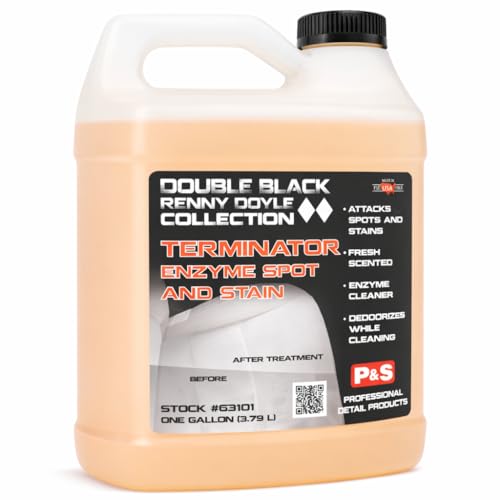
Commercial enzyme-based cleaners are designed for automotive use, offering upholstery safe cleaning solutions that effectively target both fat and protein while protecting fabric dye stability. They are the best products to get chocolate out of car seats when dealing with persistent problems.
How Do You Safely Clean Chocolate Stains From Leather And Perforated Seats?
To clean chocolate from leather car seats, always use a dedicated, pH-neutral leather cleaner and a microfiber cloth, applying minimal moisture, and immediately follow the cleaning with a quality leather conditioner to restore oils. Leather car seat chocolate stains present a high-risk scenario because leather requires specialized care to prevent drying, cracking, or discoloration. Ammonia or bleach-based cleaners cause discoloration if wrong and should never be used on automotive leather.
The protocol for leather must focus on low moisture application and subsequent conditioning:
- Gently Scrape and Chill: Apply the same initial protocol: scrape loose material using a plastic tool and chill the area to harden the cocoa butter.
- Apply Leather Cleaner: Spray or apply a small amount of pH-neutral leather cleaner directly onto a clean, soft microfiber towel. Never apply the product directly to the leather surface, which risks oversaturation.
- Wipe the Stain: Use minimal pressure to gently wipe the chocolate stain from the leather, again working from the outside in. Wipe immediately and do not allow the cleaner to dwell for long periods.
- Condition: Once the area is clean and dry, apply a high-quality leather conditioner using a fresh towel. This step is critical to restore the natural oils lost during cleaning and prevent leather cracking from cleaning.
What Specific Cleaning Protocol Is Required For Perforated Leather?
When cleaning perforated leather seats, apply cleaning foam directly to a microfiber cloth rather than the seat, use minimal pressure to avoid pushing liquid into the holes, and immediately follow with dry blotting. Perforated leather car seat chocolate stains pose the unique challenge of liquid penetration. The small holes in the leather are entry points for liquid to seep into the internal foam cushion, which can lead to foul odors and mold growth beneath the surface that is impossible to clean.
Follow these strict, low-moisture rules for perforated seats:
- Foam or Gel Only: Use specialized foam or gel cleaners that contain less free-flowing liquid than sprays.
- Apply to Cloth: Always spray the product onto a microfiber towel first, then gently dab the stained area.
- Avoid Clogging: Use light pressure. Do not rub, which could push the melted chocolate in perforated leather deeper into the holes, leading to perforated seat clogging fix issues.
- Immediate Extraction: After blotting with the cleaner, immediately follow with a dry microfiber towel to wick away any excess moisture from the perforations.
This advanced protocol demonstrates specialist car detailing knowledge, ensuring that the integrity of the delicate seat design is maintained.
How Do You Eliminate Sticky Residue And Lingering Chocolate Odors?
Sticky residue after chocolate removal is usually caused by un-rinsed soap and sugar, which can be neutralized and extracted using a solution of cold water and white vinegar, followed by a final rinse and thorough drying. Successfully removing the brown mark is only half the battle. If the area feels stiff, tacky, or sticky, it indicates that residual sugar and soap were left behind, attracting dirt and leading to a sticky mess car seat chocolate problem.
Lingering chocolate smell in car interiors is caused by the bacterial breakdown of the organic matter (proteins and sugars) left behind. If the initial extraction was incomplete, the bacteria will multiply, requiring odor control for chocolate stains.
The process for eliminating residue and odor:
- Diagnose Stickiness: If the area feels stiff or sticky, repeat the cleaning process, focusing solely on rinsing.
- Neutralize Sugar/Soap: Prepare a mixture of one part white vinegar to ten parts cold water.
- Blot and Extract: Lightly dampen a clean microfiber towel with the vinegar solution. Blot the entire affected area. The mild acetic acid in the vinegar neutralizes the alkaline soap residue and helps dissolve residual sugar.
- Final Rinse and Dry: Follow with a final blot using plain cold water, then thoroughly extract all moisture using a wet/dry vacuum or absorbent towels. This step is critical to dry car seat thoroughly and prevents mold growth.
Can Vinegar Safely Neutralize The Soap Residue And Odor?
A mixture of one part white vinegar to ten parts cold water can safely neutralize residual alkaline soap and prevent the growth of odor-causing bacteria when used as a final, light blotting rinse on car upholstery. White vinegar is a highly effective, budget-friendly solution for neutralizing residues and eliminating odors. It targets the sticky car seat residue fix problem without damaging the fabric.
Use the vinegar solution only as a final rinse, not as the primary cleaning agent. The 1:10 dilution ensures that the vinegar is strong enough to neutralize soap but mild enough to be safe for most fabric and leather upholstery (always spot test first). The acidic property of the vinegar also helps combat sticky messes and leaves a neutral pH, making the environment less hospitable to odor-causing bacteria.
- Advanced Tip: After the cleaning and rinsing is complete, open your car windows to ventilate the car after cleaning fully. You can also leave an open box of baking soda inside the car overnight, which is excellent for passively absorbing any residual odors, including the faint vinegar scent.
FAQs About How to Get Chocolate Out of Car Seat
Can An Iron Help Remove Waxy Chocolate Stains From Fabric Car Seats?
Yes, the application of gentle heat from an iron can help melt and lift the waxy cocoa butter components of the stain, but this method carries a significant risk of setting the stain permanently or damaging the fabric. To perform this safely, place a clean paper towel over the stain and use an iron set to the lowest heat setting without steam, moving quickly to allow the paper to absorb the melted wax. This is only recommended for fabric and should be followed by a standard stain removal process to address residual sugar.
Is Chocolate Milk Stain Removal Different From Solid Chocolate?
Yes, chocolate milk stains contain both the solid chocolate components (fat, protein) and dairy proteins and sugars, requiring a slightly different initial approach. Treat the stain first with an enzyme cleaner to break down the dairy and chocolate proteins and use the blotting technique to address the high liquid content. Never use hot water, as it will instantly set the milk protein, making the stain permanent.
How Long Can A Chocolate Stain Stay On A Car Seat Before It’s Permanent?
A chocolate stain can set permanently within 24 to 48 hours, especially if exposed to heat, which causes the cocoa butter and proteins to bond tightly with the car seat fibers. While immediate action is critical, even older, set-in stains can often be removed using a high-quality enzyme cleaner or professional steam extraction, though these methods require patience and repeated application.
What Is The Best Household Item To Use If I Don’t Have Special Cleaners?
The best household item for a fresh chocolate stain is cold water and a teaspoon of mild liquid dish soap (like Dawn) mixed into two cups of water. This mixture provides a gentle, pH-neutral solution that acts as a surfactant to lift the grease and fat component of the chocolate. This mixture is generally safe for both fabric and leather when applied sparingly, but should always be spot-tested first.
How Do I Clean Chocolate Out Of A Child Car Seat Harness Straps?
You should never submerge or use abrasive chemicals on child car seat harness straps, as this can weaken the fibers and compromise safety. The safest method is to spot-clean the straps using a cold, damp cloth and a very mild solution of water and vinegar (1:10 ratio) to lift the chocolate and sanitize the fabric, followed by thorough air-drying. Always consult the car seat manufacturer’s specific cleaning instructions.
Should I Use A Steam Cleaner On My Car Seat To Remove Chocolate?
Steam cleaners can be highly effective for deep cleaning fabric upholstery, but they should be used with extreme caution on chocolate stains, as the heat can set the protein component. If using steam, first pre-treat the stain with an enzyme cleaner and scrape away all visible residue, then use the steamer quickly and follow immediately with a wet/dry vacuum extraction to prevent the heat from fusing the stain.
How To Get Old Chocolate Stains Out Of Car Upholstery?
Old, set-in chocolate stains require a multi-day approach focused on rehydration and protein digestion. Begin by lightly softening the stain with a warm, damp cloth, then saturate the area with an enzymatic cleaner and allow it to dwell for at least 15-30 minutes, or longer if manufacturer permits, before blotting and rinsing with cold water. This process may need to be repeated 2-3 times for full extraction.
Can Rubbing Alcohol Be Used To Treat Chocolate Stains On Fabric?
Rubbing alcohol (isopropyl alcohol) can be used very sparingly as a targeted solvent for the waxy or greasy residue left by chocolate, but it should be avoided as a general cleaner. Alcohol can potentially strip color or damage protective coatings on some synthetic fabrics. If used, apply it only to the waxy halo of the stain with a Q-tip, and always spot-test first, following immediately with a water rinse.
How To Prevent Chocolate From Leaving A Permanent Mark On Car Seats?
Prevention relies on immediate action and proper pre-treatment. The key is to act within minutes of the spill by chilling the cocoa butter and using a scraping tool to remove the bulk of the material. Furthermore, treating the stain with cold water and soap (never hot) and thoroughly blotting/extracting ensures the pigment does not adhere to the seat fibers.
What Is The Difference Between Dark Chocolate And Milk Chocolate Stains?
Dark chocolate stains typically contain higher cocoa solids and fat, making them greasier but often easier to scrape, while milk chocolate stains contain more sugar and dairy proteins. This higher protein content in milk chocolate means it has a greater risk of smelling or setting permanently, thus requiring a stronger focus on enzyme cleaners for full protein digestion and odor control.
Key Takeaways: How To Get Chocolate Out Of Car Seat Summary
- Act Fast and Stay Cold: The single most critical step to get chocolate out of car seat is to treat the spill immediately using cold temperatures (ice or cold water) and never hot water, as heat permanently sets the protein and sugar in the stain. This is the foundation of any successful chocolate spill on car seat treatment.
- Scrape, Blot, Never Rub: Use a plastic spoon or credit card edge to gently scrape loose chocolate from the car seat surface before cleaning; always blot the stain with a clean microfiber towel from the outside in, as rubbing spreads the greasy chocolate stain deeper into the fabric. Following this protocol prevents pushing the chocolate residue into the upholstery fibers.
- Tailor the Method to the State: Melted chocolate requires chilling before treatment, while dried chocolate needs to be rehydrated and tackled with an enzyme-based cleaner to chemically break down the set-in proteins and sugars for full stain removal. Recognizing the state of the chocolate is crucial for effective stain removal.
- Protect Delicate Materials: Leather car seats require pH-neutral leather-specific cleaners and minimal moisture application to avoid damage, followed by conditioning; perforated leather requires extreme caution to prevent liquid from entering the foam padding beneath the surface. This ensures that the chocolate stain from leather car seats is removed safely.
- Enzyme Cleaners are Essential for Set-In Stains: For older stains or stains accompanied by odor, commercial enzyme-based cleaners offer the highest success rate because their biological action targets the residual proteins and sugars that detergent solutions alone cannot fully dissolve. This is the primary solution for the problem of dried chocolate stains out of car upholstery.
- Neutralize Sticky Residue: If the seat remains sticky after cleaning, it indicates un-rinsed sugar residue; this requires a final neutralizing rinse using a cold water and white vinegar solution to lift the residual soap/sugar and eliminate lingering chocolate odor. This step successfully resolves the common issue of sticky car seat residue fix.
- Thorough Extraction is Non-Negotiable: To prevent water rings, mold, or mildew, ensure that all moisture and cleaning solution are extracted thoroughly from the car upholstery using a wet/dry vacuum or extremely absorbent microfiber towels, followed by full ventilation. This final step guarantees a complete and clean car seat chocolate cleanup.
Final Thoughts
Successfully learning how to get chocolate out of car seat interiors transforms a stressful emergency into a manageable cleaning task. The complexity of chocolate stains, combining fat, protein, and sugar, demands a measured approach that respects the integrity of your car’s interior materials. Based on tested chocolate removal techniques, the two core principles remain critical: using cold temperatures to manage the grease component and employing enzymatic digestion to tackle the set-in proteins.
Do not underestimate the importance of the final extraction and neutralization steps. Many cleaning failures result not from inadequate removal, but from failing to properly rinse and dry the area, leaving behind sticky residue or inviting moisture damage. By adopting these professional upholstery stain removal methods—from the immediate scrape-and-chill emergency protocol to the targeted use of enzyme cleaners—you are equipped with the knowledge to eliminate chocolate stains completely.
Maintaining the resale value and hygiene of your car interior relies on proactive, detailed care. If you follow this guidance precisely, you will not only clean up chocolate on car seat surfaces but also preserve the appearance and longevity of your vehicle’s upholstery for years to come. Which of these protocols will you implement for your next car seat chocolate removal challenge?
Last update on 2026-04-12 / Affiliate links / Images from Amazon Product Advertising API
![NovaKits Starlink Mini Mount Review [year]: Worth It?](https://i0.wp.com/carxplorer.com/wp-content/uploads/2026/04/NovaKits-Starlink-Mini-Mount-Review-year-Worth-It-2.webp?resize=60%2C60&ssl=1 "NovaKits Starlink Mini Mount Review [year]: Worth It? 4")


