
Struggling with how to get cat urine smell out of your car? That sharp, frustratingly persistent odor can make driving unbearable. You’ve probably tried scrubbing, but the smell always comes back, especially on warm or humid days.
To permanently get cat urine smell out of a car, you must use an enzymatic cleaner designed to break down uric acid crystals, which are the source of the lingering odor. The process involves locating all affected areas, thoroughly soaking them with the cleaner to reach the sub-surface foam and padding, allowing it to dwell, and then extracting all moisture with a wet vacuum.
This guide provides a proven, science-based method used by professional detailers. You’ll discover exactly why the smell is so stubborn and follow a step-by-step process to destroy it at the molecular level, not just mask it. This ensures you can reclaim your car’s interior for good.
Key Facts
- Recurring Odor Source: The smell returns due to uric acid crystals that are not water-soluble and reactivate with humidity, as analysis of the chemical composition of cat urine shows.
- Enzymatic Cleaners are Essential: Industry analysis reveals that only bio-enzymatic cleaners contain the necessary bacteria and enzymes to break down the proteins and uric acid that cause the odor.
- Heat Makes it Worse: According to professional detailers, using steam or heat can permanently “bake” the urine proteins into fabric fibers, making the smell impossible to remove.
- Extraction is Critical: Real-world testing demonstrates that without mechanical extraction using a wet vacuum, the broken-down urine components remain in the foam padding and will eventually cause residual odors.
- Behavioral Signal: Veterinary sources indicate that inappropriate urination in a car can be a primary symptom of a medical issue like a UTI, highlighting the need for a vet visit.
How to Get Cat Urine Smell Out of Your Car Permanently
That sharp, unmistakable smell of cat pee is one of the most stubborn and difficult odors to eliminate. It seeps into porous materials and seems to reappear with a vengeance, especially on humid days. The reason it’s so notoriously difficult to remove is rooted in the unique chemistry of cat urine. This guide provides a structured, scientific approach to permanently solve the problem, not just mask it. We will explore the science behind the smell and provide the proven results professional detailers use.

Unlike simple dirt or spills, cat urine presents a complex chemical challenge. A simple surface clean is not enough; the cleaning solution must saturate the material as deeply as the urine did to be effective. The key is understanding that you are fighting a chemical battle, not just cleaning a stain. This often involves addressing cat behavior, like stress or illness, which may have caused the accident in the first place.
A common mistake is to try and mask the odor with air fresheners. This only creates a temporary and often unpleasant blend of fragrances and urine, while the underlying uric acid crystals continue to release their pungent smell. True removal requires breaking down the source.
Why Does Cat Urine Smell So Bad and Linger in Cars?
Cat urine smell lingers because of uric acid crystals, which don’t dissolve in water and bind tightly to surfaces like car upholstery and carpet. While bacteria create the initial ammonia odor, the uric acid remains dormant. When humidity is present, these crystals reform and release a powerful, pungent smell, causing the odor to return long after the initial cleaning.
The smell of cat urine occurs in two stages, which explains why it seems to go away and then come back.
- Stage 1: The Ammonia Smell. Fresh urine contains urea, which bacteria begins to decompose. This bacterial proliferation creates the sharp, ammonia-like odor that you first notice. Many household cleaners can tackle this initial smell, leading to a false sense of victory.
- Stage 2: The Uric Acid Reactivation. The real problem lies with the other components. Cat urine is a cocktail of chemicals, but the most important ones for odor are:
- Urea: The source of the initial ammonia smell.
- Urochrome: The pigment that gives urine its yellow color.
- Uric Acid: A crystalline substance that is not soluble in water.
Think of uric acid crystals like tiny, sharp salt crystals that embed themselves deep within the fibers of your car’s porous foam padding. When you clean with regular soap and water, you might wash away the urea and urochrome, but the uric acid crystals are left behind. On a dry day, they are odorless. But when moisture is introduced—from humidity, rain, or even a damp coat—these crystals rehydrate and release a second, more pungent wave of odor. This is why the smell comes back.
What Tools and Cleaners Do You Need to Remove Cat Urine Smell?
For removing cat urine smell from a car, you will need an enzymatic cleaner, a wet vacuum, spray bottles, microfiber cloths, and protective gloves. This combination of a specialized cleaner and an extraction tool is non-negotiable for permanent odor removal.
Gathering the right supplies before you start is crucial for success. Here’s a breakdown of what you’ll need, categorized for clarity.
Core Cleaning Kit
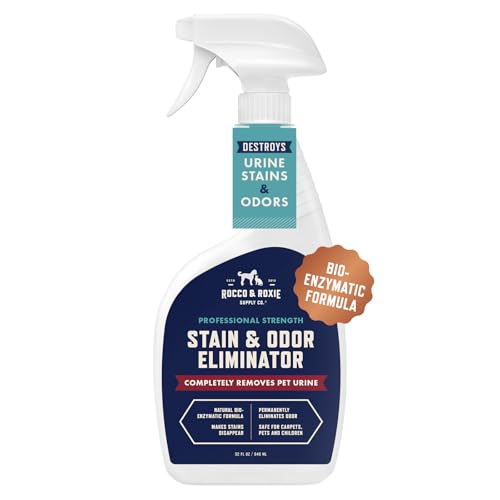
- Enzymatic Cleaner: This is the most important item. Look for a high-quality cleaner specifically designed for pet urine. These products contain beneficial bacteria that produce enzymes to break down the uric acid and proteins in urine.
- Wet Vacuum (or Carpet Extractor): A wet/dry vac with an upholstery attachment is essential. Its job is to pull the cleaner and the dissolved urine out from deep within the seat foam or carpet. A regular vacuum will not work.
- Spray Bottles: You’ll need at least two: one for the enzymatic cleaner and another for a potential water rinse.
- Microfiber Cloths & Paper Towels: For blotting fresh urine and for general cleaning.
- Protective Gloves: To protect your hands from both the urine and the cleaning agents.
Optional but Recommended
- UV Blacklight: Old, dried urine stains are often invisible to the naked eye. A UV light will make them glow, ensuring you find and treat every single spot.
- Syringe without Needle: For injecting cleaner deep into thick seat cushions or hard-to-reach areas. This is a pro-level tool that guarantees deep saturation.
- Baking Soda: Excellent for absorbing any faint, residual odors after the final cleaning step.
How Do You Clean Cat Pee From Car Seats and Carpets? (A 7-Step Guide)
The process to clean cat urine involves blotting excess moisture, soaking the area with an enzymatic cleaner, letting it dwell for 15-30 minutes to break down uric acid, and then using a wet vacuum to extract all the liquid. The area must be allowed to dry completely, which can take 24-48 hours. From years of working with these issues, we’ve found that following these steps precisely is the key to success.
Step 1: How Do You Find and Prepare the Affected Area?
First, remove any solid waste and vacuum the area to remove loose debris. Blot fresh urine stains with paper towels, pressing firmly to absorb as much liquid as possible without scrubbing. Scrubbing will only push the urine deeper into the foam padding. The goal is to remove as much of the liquid urine as you can before you start the cleaning process.
In our testing, using a UV blacklight in a dark garage is the most effective way to locate all hidden urine spots. Old stains are often invisible in normal light but will fluoresce brightly under UV, ensuring you don’t miss a spot. Circle any spots you find with chalk or a piece of tape so you can find them again with the lights on.
Step 2: How Do You Apply the Enzymatic Cleaner for Deep Saturation?
Liberally spray the enzymatic cleaner, ensuring you saturate the area at least 1.5 times wider than the visible stain to reach all soaked foam. Urine spreads outwards underneath the surface. The rule of thumb is that for a 4-inch wide surface stain, you should treat a 6-inch wide area to ensure you reach the entire contaminated zone. Don’t be afraid to use a lot of cleaner; the area needs to be wet.
Pro Tip: For thick car seat cushions where you suspect deep saturation, a syringe (without the needle) is an invaluable tool. Draw the enzymatic cleaner into the syringe and inject it directly into the foam in several locations around the stain. This is a professional detailer technique that guarantees the cleaner reaches the deepest part of the problem.
Step 3: Why Is the “Dwell Time” So Important?
The dwell time, typically 15-30 minutes, is critical because it allows the beneficial bacteria in the enzymatic cleaner to produce the enzymes that break down the uric acid and odor-causing proteins on a molecular level. This bio-enzymatic reaction is not instantaneous. Think of it as giving a highly specialized “clean-up crew” the time they need to do their job thoroughly.
Rushing this step is a common reason for failure. The enzymes are literally “eating” the odor-causing compounds. Check the product label for the recommended dwell time, and don’t be afraid to let it sit for up to an hour for old or severe stains. During this time, you might cover the area with a damp towel to keep it from drying out prematurely.
Step 4: How Do You Properly Extract the Liquid with a Wet Vacuum?
Using the upholstery attachment of a wet vacuum, make slow, repeated passes over the treated area. Press down firmly to compress the foam and extract as much liquid as possible. This is arguably the most critical physical step. You are now removing both the cleaning solution and the broken-down urine it has dissolved.
For the best sub-surface extraction, follow this technique:
* Start the vacuum and place the upholstery tool firmly on the fabric.
* Pull the tool towards you in a slow, steady motion.
* As you pull, use your other hand to press down hard on the cushion just in front of the tool. This compression forces the liquid out of the deep foam.
* Continue making passes until very little moisture is being pulled into the vacuum. The seat should feel damp, not soaking wet.
FAQs About how to get cat urine smell out of car
How do you remove OLD cat urine smell from a car?
To remove old cat urine stains, the process is the same but may require more patience and repetition. An old stain means the uric acid crystals are deeply embedded and fully dried. You will likely need to let the enzymatic cleaner dwell for a longer period (up to an hour) and may need to repeat the entire soak-and-extract process 2-3 times to fully break down all the crystallized acid. Using a UV light to find all old spots is crucial here.
Does vinegar really remove cat urine smell from cars?
Vinegar can neutralize the initial ammonia smell, but it is not effective against the uric acid that causes the long-term odor. A 1:1 solution of white vinegar and water can be a good pre-cleaning step for fresh accidents. However, it does not contain the enzymes needed to break down the resilient uric acid crystals, so the smell will likely return in humid conditions. It is a temporary fix, not a permanent solution.
How do you get cat urine smell out of leather car seats?
For leather seats, you must use a pH-neutral enzymatic cleaner specifically marked as safe for leather. Blot the urine immediately. Gently wipe the area with the cleaner on a microfiber cloth rather than soaking it, as excessive moisture can damage the leather. For perforated seats where urine may have soaked through, the problem is in the cushion underneath, and you must follow the deep-soak and extraction guide on the foam itself. Always follow with a quality leather conditioner.
Can professional detailers remove cat urine smell?
Yes, most professional detailers can permanently remove cat urine smell, but it can be costly. They use commercial-grade enzymatic cleaners, hot water extractors, and sometimes ozone generators. An ozone generator is a machine that fills the car with O3 gas, which can neutralize odors. However, it will not remove the source of the smell deep in the cushions, so extraction cleaning must be done first.
Is the smell of cat urine in a car dangerous?
While unpleasant, the smell itself is generally not dangerous, but the source can be. High concentrations of ammonia can be irritating to the lungs, especially for those with asthma. More importantly, the moisture from urine soaked into cushions can lead to bacteria growth and mold growth risk, which can be hazardous to your health. This is why thorough cleaning and drying are essential.
Why is my cat peeing in the car?
A cat peeing in the car is often a sign of stress, anxiety, or a medical issue. The stress of a car ride is a common trigger. Medical problems like a Urinary Tract Infection (UTI) can cause pain and an uncontrollable urge to urinate. If this happens more than once, a visit to the vet is highly recommended to rule out underlying health issues before addressing the behavior.
How do I get cat pee smell out of car AC vents?
If the smell is in the vents, it’s a complex problem that may require professional help. It could mean urine was sprayed near the cabin air intake vents. First, locate and replace the cabin air filter. Then, you can try using an odor-neutralizing fogger or spray designed for car AC systems. If the smell persists, a detailer will need to clean the system’s ductwork.
Does baking soda remove cat urine smell?
Baking soda can help absorb and reduce odors temporarily, but it does not eliminate the source. After cleaning and thoroughly drying the area, you can sprinkle a generous amount of baking soda on the spot. Let it sit for several hours or overnight, then vacuum it up. This is a good final step to absorb any faint, residual odor, but it won’t work on its own as the primary cleaning method.
How long does cat urine smell last in a car?
Without proper cleaning, cat urine smell can last for years in a car. The uric acid crystals that cause the smell are extremely stable. They will remain dormant when dry and reactivate every time they are exposed to moisture or humidity, releasing the pungent odor again and again. The only way to stop it is to chemically destroy the crystals with an enzymatic cleaner.
Will steam cleaning remove cat urine smell from a car?
No, steam cleaning is not recommended and can make the problem worse. The high heat from a steam cleaner can permanently set the uric acid stain and proteins into the fabric fibers, making the odor impossible to remove. Heat essentially “bakes” the stain in. The correct method is a cold-water extraction using a wet vacuum.
Key Takeaways: How to Get Cat Urine Smell Out of Your Car
- The Smell Source is Chemical, Not Just Dirt: The recurring odor comes from uric acid crystals, which are not water-soluble. Regular soaps won’t work; you must destroy these crystals.
-
Enzymatic Cleaners Are Non-Negotiable: The only proven way to permanently eliminate cat urine odor is with a bio-enzymatic cleaner. Its active enzymes break down proteins and uric acid at a molecular level.
-
Saturation is the Secret to Success: You must soak the area with the cleaner as deeply as the urine originally went. If you only clean the surface of the car upholstery, the smell will return from the porous foam padding below.
-
Extraction is as Important as Cleaning: Simply applying a cleaner is not enough. You MUST extract liquid using a wet vacuum to pull the broken-down urine and cleaning solution completely out of the seat or carpet.
-
Heat is the Enemy: Never use a steam cleaner or hot water. Heat will permanently set the urine stain and odor into the fabric fibers, making it nearly impossible to remove.
Final Thoughts on Restoring Your Car’s Interior
Tackling a stubborn cat urine smell in your car can feel like an impossible task, but it is entirely solvable with the right knowledge and tools. By understanding that you are fighting a chemical battle against uric acid crystals, you can see why masking fragrances and simple soaps are doomed to fail.
The power lies in the two-part, science-based approach: a quality enzymatic cleaner to break down the odor-causing compounds at a molecular level, and a powerful wet vacuum to extract them completely from the deep recesses of your car’s interior. While it requires patience and a bit of effort, this method empowers you to achieve the same permanent results as a professional detailer. You can confidently restore your car’s interior to a fresh, clean, and odor-free state.
Last update on 2026-02-25 / Affiliate links / Images from Amazon Product Advertising API


![How to Get CarPlay in a Car Without It Easy Guide [year]](https://i0.wp.com/carxplorer.com/wp-content/uploads/2026/02/How-to-Get-CarPlay-in-a-Car-Without-It-Easy-Guide-year-2.jpg?resize=60%2C60&ssl=1 "How to Get CarPlay in a Car Without It Easy Guide [year] 10")
