Dealing with a blood stain in your car seat? You’re likely feeling stressed and need a fast, effective solution that won’t damage your upholstery. The key is to act quickly with the right materials and techniques before the stain has a chance to set.
Before applying any cleaning solution to a blood stain on a car seat, you must first blot the area with a clean cloth or paper towel soaked in cold water. This immediate action removes excess blood and is critical for preventing the stain from spreading or setting permanently. Never use hot water, as the heat will cook the protein in the blood, bonding it to the fibers.
Based on extensive analysis of proven cleaning methods, this guide provides a step-by-step process for effective blood stain removal. You will learn exactly how to treat stains on different materials, from cloth to leather, using safe and tested techniques. This ensures you can restore your car’s interior with confidence.
Key Facts
- Act Immediately: Fresh blood stains are significantly easier to remove than dried ones because the proteins have not yet permanently bonded to the fabric fibers.
- Cold Water is Mandatory: Hot water causes the proteins in blood to coagulate and set, making the stain nearly impossible to remove.
- Blotting is Crucial: Always blot a fresh stain with a gentle dabbing motion; never rub. Rubbing pushes the stain deeper into the upholstery and can spread it over a larger area.
- Hydrogen Peroxide is a Powerful Tool: A 3% hydrogen peroxide solution works by oxidizing and breaking down blood at a molecular level, but it must be tested on a hidden area first as it can lighten dark fabrics.
- Material Dictates the Method: Leather, vinyl, and cloth seats require different cleaning approaches and products to avoid damage. Leather, for example, needs conditioning after cleaning to prevent cracking.
How to Get Blood Out of a Car Seat: An Immediate Action Guide
The first step to remove a blood stain from a car seat is to act as quickly as possible, assess the seat material, and gather the right supplies. Immediately blot the fresh stain with a clean cloth and cold water to remove excess blood before it sets. Always test any cleaning solution on an inconspicuous area of the seat first to ensure it doesn’t cause discoloration or damage. Don’t panic; with the right approach, most blood stains are entirely manageable.

Before you begin treatment, taking a moment to prepare will lead to much better results. Having a small, prepared spill response kit in your car can make a huge difference in handling future car interior maintenance issues. For now, gather the necessary items to tackle the job correctly.
What You’ll Need:
* Clean, light-colored cloths or paper towels
* Cold water in a spray bottle or bowl
* A mild cleaning agent (e.g., dish soap, baking soda, 3% hydrogen peroxide)
* A soft-bristled brush (like a toothbrush)
* A dry towel for the final step
What Is The First Step for Any Blood Stain?
The most critical first action is to immediately blot the area with a cloth dampened with cold water. This simple step is designed to absorb as much of the liquid blood as possible before it can penetrate and dry within the fabric car upholstery fibers. The goal is to lift the stain, not push it deeper.
Use a gentle blotting motion, pressing down firmly and lifting straight up. Check the cloth after each blot; you should see blood transferring from the seat. Use a fresh section of the cloth for each press to avoid re-contaminating the area. Never rub or scrub a fresh, wet stain.
⚠️ Common Mistake: Vigorously rubbing a fresh blood stain is a critical error. This action forces the
protein based stainsdeeper into the seat’s fibers and expands the stain’s diameter, making your job significantly harder.
Why Must You Always Use Cold Water on Blood Stains?
You must always use cold water on blood because heat permanently sets the protein-based stain. Blood contains proteins, primarily hemoglobin, that coagulate when exposed to heat. Using hot water or steam essentially “cooks” the blood, causing it to form a chemical bond with the fabric fibers. Once this protein denaturation occurs, the stain becomes incredibly difficult, if not impossible, to remove.
🚫 CRITICAL WARNING: Never use hot water, warm water, or a steam cleaner on a blood stain. Think of it like cooking an egg white in a hot pan; the heat changes its structure permanently, binding it to the surface. Cold water, by contrast, helps to dilute and dissolve the blood without triggering this setting process.
What Are The Best Methods to Remove a Blood Stain from a Car Seat?
Several effective methods can remove blood stains from car seats, including applying a 3% hydrogen peroxide solution, using a paste of baking soda and cold water, or treating the area with a commercial enzyme cleaner. The best method depends on the seat material, the age of the stain (fresh vs. dried), and the household items you have available. For stubborn or set in blood stains, a specialized enzyme cleaner is often the most powerful solution.
Here is a comparison of the most common and effective cleaning methods:
| Cleaning Method | Best For | Upholstery Safety | Ease of Use |
|---|---|---|---|
| Hydrogen Peroxide (3%) | Fresh & dried stains on light-colored fabric | Caution: Can lighten dark fabrics. Test first. | Very Easy |
| Baking Soda & Water Paste | All fabric types, absorbing odors | Very safe for all fabrics and colors. | Easy |
| Enzyme Cleaner | Stubborn, old, or organic stains | Generally safe, check product label. | Very Easy |
| Dish Soap & Cold Water | Fresh, light stains on all materials | Very safe. | Easy |
Method 1: How Do You Use Hydrogen Peroxide to Remove Blood?
To use hydrogen peroxide, apply a small amount of a 3% solution directly to the stain, let it bubble for 30-60 seconds, then gently blot the area with a clean, cold, damp cloth. The bubbling you see is the hydrogen peroxide solution oxidizing the hemoglobin in the blood, which effectively breaks the stain apart at a molecular level.
Follow these steps for the blood + hydrogen peroxide method:
1. After blotting with cold water, apply a small amount of 3% hydrogen peroxide directly onto the remaining stain.
2. Let it fizz and bubble for about a minute. This is a sign the chemical reaction is working.
3. Gently blot the area with a fresh, cold, damp cloth to lift the peroxide and the dissolved stain.
4. Repeat if necessary, then rinse the area by blotting with a water-dampened cloth and dry with a towel.
🛡️ SAFETY WARNING: Hydrogen peroxide can have a slight bleaching effect. ALWAYS test it on a hidden part of the seat first, like under a cushion or on a fabric flap, to ensure it doesn’t cause
fabric discoloration. This method is best for light-colored fabric seats.
Method 2: How Can You Use Baking Soda for a Safer Alternative?
For a gentle and color-safe alternative, create a paste by mixing baking soda and cold water, apply it to the blood stain, and let it dry completely. Once it’s dry, you can scrape off the excess and vacuum the residue. This baking soda paste method is excellent for all fabric types and is one of the top natural ways to remove blood stains.
Here’s how to do it:
1. Mix baking soda with cold water in a 2:1 ratio to form a paste with the consistency of toothpaste.
2. Gently spread the paste over the entire stain.
3. Allow the paste to dry completely. As it dries, it will absorb the stain and any lingering odor.
4. Once the paste is crusty, use a soft brush or the edge of a credit card to gently break it up, then vacuum the residue away.
🎉 Bonus Benefit: Baking soda is a natural deodorizer. This method not only lifts the stain but also helps eliminate any metallic smell associated with the blood.
Method 3: When Should You Use a Commercial Enzyme Cleaner?
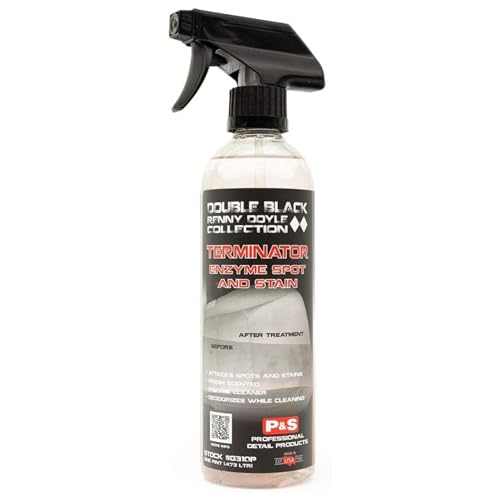
A commercial enzyme cleaner is the best solution for old, dried, or stubborn blood stains that home remedies can’t fully remove. These powerful cleaners contain special proteins (enzymes) that are specifically designed to break down and “digest” the complex proteins found in organic matter like blood, a process known as enzymatic hydrolysis.
Use this method for the toughest challenges:
1. Look for a protein stain remover or a product marketed for pet stains, as these are typically enzymatic.
2. Lightly spray the cleaner onto the affected area, ensuring even coverage.
3. Let the cleaner sit for the duration recommended on the product label, typically 5-15 minutes. This gives the enzymes time to work.
4. Gently agitate the area with a soft brush, then blot thoroughly with a clean, damp cloth.
5. Rinse by blotting with a water-dampened cloth and allow to air dry.
How Do You Clean Blood Stains from Different Car Seat Materials?
Cleaning blood from leather, cloth, or vinyl car seats requires different techniques to avoid causing damage. Cloth seats are porous and can handle agents like hydrogen peroxide, while leather is sensitive and needs conditioning after cleaning to prevent it from drying out and cracking. Always tailor your approach to the specific car interior material.
For Cloth and Fabric Car Seats
Cloth seats are absorbent, so the key is to clean effectively without over-saturating the cushion, which can lead to mold.
* ✅ Do: Use methods like baking soda paste, 3% hydrogen peroxide (on light fabrics), or an enzyme cleaner. Work from the outside of the stain inward to prevent spreading.
* ❌ Don’t: Rub vigorously or use too much water. This can push the stain into the foam underneath and create a larger water ring.
For Leather Car Seats
Leather is a durable but sensitive material. The goal is to clean the surface without stripping its natural oils or causing damaged leather.
* ✅ Do: Use a gentle solution of mild dish soap and cold water or a 50/50 mix of cold water and white vinegar. Always apply it with a damp microfiber cloth, not directly to the leather.
* ✅ Do: Follow up immediately with a quality leather conditioner to restore moisture and protect the finish.
* ❌ Don’t: Use harsh chemicals like ammonia, bleach, or undiluted vinegar. Avoid saturating the leather with water.
For Vinyl Car Seats
Vinyl is non-porous and generally the easiest material to clean.
* ✅ Do: Use a simple solution of a few drops of mild dish soap mixed with cold water.
* ❌ Don’t: Use oil-based cleaners or harsh abrasive scrubbers, which can dull the vinyl’s finish.
FAQs About how to get blood stain out of car seat
How do you get period blood out of a car seat?
The cleaning process for period blood is the same as for any other blood stain. Act quickly, use cold water and a blotting motion first. Then, apply a solution like 3% hydrogen peroxide or a baking soda paste. For any lingering odors, the baking soda paste method is particularly effective as it deodorizes as it cleans.
How do you remove dried, old blood stains from car seats?
For dried blood, you will need a more powerful solution and more patience. Start by gently scraping off any crusty residue with a soft brush. An enzyme cleaner is the most effective option here, as it’s specifically designed to break down the set-in proteins. Apply the cleaner, let it sit for the time recommended on the product label, and then blot it away.
Can you use bleach on a car seat for a blood stain?
No, you should absolutely never use bleach on a car seat. Bleach is a harsh chemical that will permanently damage and discolor almost all types of car upholstery, whether it’s fabric or leather. It can also weaken the fibers, leading to tears. Stick to safer, proven methods like hydrogen peroxide or enzyme cleaners.
What’s the best way to clean blood out of a leather car seat?
The best way to clean leather is to be gentle and avoid saturation. Mix a solution of one part white vinegar and one part cold water. Lightly dampen a microfiber cloth, gently wipe the stain, and immediately dry with a separate clean cloth. It is critical to apply a quality leather conditioner afterward to restore moisture and prevent cracking.
Does salt work on blood stains?
Yes, a salt paste can work, especially on fresh stains on fabric seats. Mix a thick paste of salt and a small amount of cold water. Apply it to the stain and let it sit for up to an hour before rinsing and blotting with a cold, damp cloth. The salt helps to draw the blood out of the fibers.
How do you get a blood stain out of a car seat without leaving a water ring?
To prevent a water ring, avoid over-saturating the seat and dry the area quickly. Use as little liquid as possible and work from the outside of the stain inward. After cleaning, blot the area with a dry, absorbent towel to soak up all excess moisture. Aiming a fan at the wet spot can also help it dry faster and more evenly.
Can I use a steam cleaner for blood stains?
No, you should not use a steam cleaner on a blood stain. Just like hot water, the high heat from a steam cleaner will cook the proteins in the blood, permanently setting the stain into the fabric. Steam cleaners are great for general grime, but not for protein-based stains like blood, egg, or milk.
Why does hydrogen peroxide bubble on blood?
Hydrogen peroxide bubbles because of a chemical reaction with an enzyme in blood called catalase. When the peroxide comes into contact with catalase, it rapidly breaks down into oxygen gas and water. This rapid release of oxygen is what you see as fizzing or bubbling, and it’s this oxidation process that helps lift the stain from the fabric.
How do you sanitize a car seat after cleaning up blood?
To sanitize a fabric car seat, you can lightly mist it with a 50/50 solution of 70% isopropyl alcohol and water. Let it air dry. For leather, use a cleaner specifically designed to be safe for leather that contains sanitizing properties. Always test any sanitizing spray on an inconspicuous area first.
What should I do for a very large blood stain?
For very large or heavily saturated blood stains, it is best to contact a professional auto detailer. They have specialized equipment, like extractors, and knowledge of biohazard safety protocols. This ensures the stain is completely removed and the area is properly sanitized without damaging the seat.
Key Takeaways: How to Get Blood Stain Out of Car Seat Summary
- Always Use Cold Water: Heat is the enemy of a
protein based stains. Hot water or steam will permanently set the stain by cooking the proteins, so always start every method with cold water. - Blot, Don’t Rub: Immediately blot fresh stains with a clean cloth to absorb excess blood. Rubbing will only spread the stain and push it deeper into the upholstery fibers.
- Choose the Right Method for the Stain: For fresh stains, a simple
dish soaporbaking sodasolution works well. For adried blood stain, a commercialenzyme cleaneris the most effective choice. - Hydrogen Peroxide is Effective but Requires a Test: A 3%
hydrogen peroxide solutionis excellent for breaking down blood on light-colored fabrics. However, you must always test it on a hidden spot first as it can lighten darker materials. - Material Matters: Always follow material-specific advice.
Leather car seatsrequire gentle cleaning followed by a conditioner.Cloth car seatscan handle more robust methods but shouldn’t be over-saturated. - Patience is Key for Dried Stains: Removing old, set-in blood stains requires more time. Allow your cleaning solution, especially an enzyme cleaner, to sit on the stain to break it down before you begin blotting.
- When in Doubt, Call a Professional: For very large, hazardous, or extremely stubborn stains, a professional auto detailer has the right tools and expertise for safe and complete removal.
Final Thoughts on Removing Blood Stains from Car Seats
Removing a blood stain from a car seat, while initially alarming, is entirely achievable. The core principles are to act fast, always use cold water, and choose the right cleaning agent for your specific upholstery type. By following the safe, proven steps for blotting, treating, and rinsing, you can confidently tackle the problem without causing upholstery damage. Armed with this knowledge, you are well-equipped to restore your car’s interior to its clean, pristine condition.
Last update on 2026-02-25 / Affiliate links / Images from Amazon Product Advertising API