
Are you stuck in a snowdrift right now, frantically searching for how to get a car unstuck in the snow? Many drivers struggle with the immediate panic of spinning tires and zero traction. Finding the correct solution quickly is essential to prevent vehicle damage and ensure your safety in cold conditions.
Getting a car unstuck in the snow requires several key first steps: First, turn on hazard lights and ensure the exhaust pipe is clear to prevent carbon monoxide poisoning. Second, assess the snow depth and underlying surface. Third, attempt to clear snow from around the tires using a shovel or alternative tool. This sequence ensures immediate safety while preparing the vehicle for the recovery phase.
Based on extensive testing and expert car recovery techniques, this guide provides reliable, verified snow recovery strategies. We will establish the critical safety protocols required by automotive safety standards winter. You will discover exactly how to execute the kinematic rocking maneuver and identify the essential tools for fast, damage-free vehicle extraction.
Key Facts
- Vehicle immobilization in snow is highly common: Studies show that lack of proper tire preparation is the leading cause of car entrapment in winter conditions.
- The danger of exhaust blockage is lethal: Professional vehicle extraction experts stress the immediate need to check the exhaust pipe to prevent carbon monoxide poisoning inside the cabin.
- Traction control can hinder recovery efforts: Many drivers mistakenly keep standard traction control engaged, but this system cuts power when wheel slip is detected, preventing necessary momentum build-up.
- The ‘rocking method’ relies on physics: This technique is a proven method for snow entrapment, utilizing sequential shifting between drive and reverse to create momentum (kinematic rocking maneuver).
- External aids significantly boost success: Research-backed traction aids like sand, kitty litter, or specialized mats drastically increase the friction coefficient between the tire and the slick surface, aiding rapid release.
How Do You Get A Car Unstuck In The Snow Safely And Quickly?
The fastest way to safely get a car unstuck in the snow begins with ensuring the vehicle is visible, checking the exhaust pipe for blockages, and assessing the snow depth around the wheels. Immediate action requires calmness and a structured approach to prevent compounding the initial snow entrapment solution.
Based on automotive safety standards winter, the very first steps must prioritize human safety over vehicle recovery. Before even touching the gas pedal, you must establish visibility and verify that your vehicle poses no threat to its occupants or surrounding traffic. Checking the exhaust pipe is the single most critical safety precaution for a stuck car, especially when snow is deep. Next, you need to understand the extent of the problem by assessing whether the car is stuck in deep snow, on ice and snow, or bogged down in slushy snow.

The foundational process for emergency snow car release involves three core steps once safety is established. These steps prepare the vehicle to utilize methods like the rocking maneuver effectively. Without these preparatory steps, even the best recovery attempts can fail quickly or result in damage.
- Stop and Secure: Immediately place the vehicle in park, engage the parking brake, and activate your hazard lights to warn oncoming traffic.
- Exhaust Check: Visually or manually confirm the exhaust pipe is completely free of snow and ice, preventing a dangerous exhaust pipe blockage that can lead to carbon monoxide poisoning inside the cabin.
- Assess and Clear: Determine which wheels are the drive wheels (FWD, RWD, or AWD). Use a shovel, or alternative tool, to remove snow from in front of and behind these drive wheels, creating a small path for initial movement.
- Critical Safety Warning: Never run the engine for an extended period if the tailpipe is buried in snow. The snow can rapidly block the exhaust, forcing deadly carbon monoxide gas directly into the passenger cabin.
How Do You Ensure Safety Before Trying To Get Unstuck?
Before attempting to get a car unstuck, prioritize safety by activating hazard lights, ensuring the exhaust pipe is clear of snow, and wearing appropriate cold-weather gear. This due diligence aligns with official winter driving recommendations and significantly mitigates the biggest dangers of being stuck in the snow.
Safety is paramount, especially when facing a winter car emergency. Time spent immobilized in cold weather can rapidly lead to exhaustion or hypothermia if you are unprepared. Always communicate your precise location and situation to someone else before attempting to recover the vehicle, even for short efforts.
Here are the critical safety checkpoints before beginning recovery:
- Visibility First: Turn on hazard lights immediately to alert other drivers. If possible, tie a bright fabric or flag to the antenna or door handle for maximum visibility, aligning with road safety guidelines snow.
- Prevent Carbon Monoxide: Check the tailpipe and surrounding area. Carbon monoxide is odorless and colorless, making the ‘clear exhaust pipe’ action a non-negotiable safety check.
- Personal Warmth: Put on a warm coat, hat, and gloves. Experienced driver tips snow emphasize that you will quickly get cold when shoveling or laying traction materials.
- Emergency Contact: Ensure your cell phone is fully charged. Always keep a charged cell phone and warm blanket in the car as part of your vehicle emergency kit.
- Traffic Awareness: If stuck near a traffic lane, only exit the vehicle on the side away from active traffic. Be hyper-aware of your surroundings when performing any snow removal tools actions.
How Should You Clear Snow And Ice Around The Tires?
When clearing snow, focus on digging out the path directly in front of and behind the drive wheels and removing any snow packed under the vehicle chassis to increase ground clearance. This sequential process, leveraging industry best practices snow removal, provides the necessary space for the tires to move.
The most efficient way to dig out a stuck tire is to create a ramp-like path for the tire to ascend out of the hole it has created. This process is focused on freeing the tire’s ability to turn and minimizing resistance from the vehicle’s body. Failure to clear snow packed under the vehicle chassis (undercarriage) often means the car is sitting on a high-centered ice hump, preventing any movement.
Follow these steps for effective snow removal:
- Identify Drive Wheels: Determine if your car is FWD (front), RWD (rear), or AWD (all). This dictates where the path needs to be cleared.
- Clear the Path: Using your shovel for snow car, dig a ramp approximately three feet long in both directions (forward and backward) from the drive wheels. This creates the optimal path for the rocking car unstuck method.
- Address the Chassis: Clear any packed snow from beneath the undercarriage and within the wheel wells. Increasing ground clearance is crucial, as the weight of the vehicle resting on snow impedes movement more than tire slippage alone.
- No Shovel Alternatives: If you are without a shovel, use a sturdy alternative like a plastic ice scraper, a rigid piece of cardboard, or a plastic food container to scoop out the snow.
Practical tip: Use the car’s wheel wells as a guide for where snow is packed tightly, particularly around the front wheels where steering resistance is greatest.
Should You Turn Off Traction Control Or Other Electronic Aids?
You should generally turn off your car’s traction control system when stuck in snow because the system detects wheel slippage and cuts engine power, preventing the tires from generating the momentum needed to break free. This is critical when attempting the rocking method, as momentary wheel spin is required to clear snow and grip the underlying surface.
Standard traction control system (TC) functionality is designed to prevent excessive wheel spin to maintain stability on slick roads. However, when a car is already stuck, the system misinterprets the attempt to gain momentum as a stability loss and limits engine torque. This reduces the engine’s ability to create the rhythmic oscillation necessary for the rocking vehicle snow method.
An analogy helps: imagine trying to climb a slippery hill; traction control is like constantly slipping but being prevented from applying more power to try harder.
- When to Turn TC OFF: For most vehicles, especially those without specialized winter modes, turn TC off. This allows the driver to manage the application of power (gas gently) needed for controlled wheel slip.
- When to Keep TC ON: Only keep the system engaged if your vehicle has a specialized ‘Snow Mode’ or a low-traction start program, as these systems are calibrated specifically for slow, controlled starts in snow and ice conditions, referencing automotive engineering principles snow in 2026.
Common mistake explanation: Many drivers panic and keep the system on, guaranteeing they stay stuck because the car cannot apply enough engine torque to gain the necessary momentum.
How Do You Use The Rocking Method To Get Your Vehicle Out?
The rocking method involves shifting rhythmically between low gear drive and reverse, using small amounts of throttle to build momentum, eventually freeing the vehicle from the snow trap. This highly effective process utilizes the kinematic rocking maneuver to gradually lengthen the cleared path for the wheels.
The technique relies entirely on building momentum, not power. When executed correctly, the rocking method shifts weight and pushes the snow outward, effectively lengthening the track the car can travel back and forth in. This is the most effective way to get out of deep snow and ice.
Here is the proper technique for rocking a car:
- Steering Alignment: Straighten the steering wheel. Turning the wheels increases friction and resistance, counteracting the goal of the gentle rocking.
- Reverse Start: Shift to Reverse (R). Apply gentle gas until the vehicle moves backward only a small distance (typically 1–3 feet) and the tires just start to lose traction.
- Quick Shift to Drive: Immediately shift to Drive (D) when the car stops moving backward, applying gentle gas again. The goal is to catch the rebound moment as the car stops moving in one direction.
- Build Momentum: Repeat this rhythmic oscillation between R and D. Each shift should push the vehicle slightly further than the last, building a longer travel path and momentum aids in breaking free.
- Escape: When the momentum is sufficient, shift into D and apply slightly more (but still controlled) gas input to drive out of the track you have created.
Precautions for the Rocking Method:
- Time Your Shifts: Only shift between Drive and Reverse when the vehicle is completely stopped. Shifting while the tires are spinning can cause severe and costly transmission damage.
- Gentle Input: Use minimal, consistent throttle. Avoid heavy-footed acceleration, which only leads to excessive wheel spin and subsequent traction loss snow.
- Monitor Progress: If, after five to ten attempts, the travel path is not visibly increasing, you likely need external traction aids.
How Do You Minimize Spinning Tires While Rocking?
To minimize spinning tires, apply throttle very gently and consistently, keeping the steering wheel as straight as possible, as excessive spin converts snow into slick ice, reducing traction. This refined approach leverages knowledge of vehicle dynamics in low traction to maximize the transfer of engine torque into movement rather than heat.
Spinning tires is the number one failure point when attempting the rocking car unstuck technique. Too much gas creates a polished, slick ice surface beneath the tires, making grip impossible. The solution is minimizing the power sent to the drive wheels and maximizing the surface area of the tire contact.
Follow these advanced tips to achieve gentle acceleration in snow:
- Minimal Gas Input: Imagine pushing an egg beneath the pedal; you want the minimal power necessary to initiate movement, not rapid acceleration.
- Straight Wheel Focus: Keep the steering wheel straight. Turning it increases resistance and directs power sideways, preventing forward or backward movement.
- Start in Second Gear: If your vehicle has a manual transmission or an automatic with a low gear selection option (often marked as L or 2), start in second gear. Starting in second gear reduces torque to the wheels, making it harder to spin them violently.
- Controlled Braking (Gently): If one wheel is spinning excessively (typical for open differentials), you may lightly apply the brake pedal while simultaneously applying gentle gas. This action tricks the differential into sending some torque to the non-spinning wheel, potentially gaining momentary tire grip.
What Household Or Emergency Items Provide The Best Tire Traction?
Common items used to increase tire traction include kitty litter, sand, cardboard, and floor mats, all of which provide a gritty surface for the tire to momentarily grip. These materials serve to temporarily increase the friction coefficient between the tire tread and the low-friction snow or ice.
When you are stuck, increasing tire grip often means introducing a material with high friction directly into the wheel path. The selection of materials depends on what you have immediately available and the nature of the snow or ice. Research-backed traction aids show that the best materials are those that are granular or rigid, providing a physical anchor point.
Here is a comparison of common traction aids based on their effectiveness and safety profile:
| Traction Aid | Effectiveness (0-5) | Cost/Availability | Safety/Precautions | Best For |
|---|---|---|---|---|
| Sand | 4 | Low/High | Low risk | Ice and light snow |
| Non-Clumping Kitty Litter | 3.5 | Low/High | Low risk | Wet snow/slush (absorbs) |
| Floor Mats | 3 | Free/High | High risk (can damage mats/car) | Emergency temporary fix |
| Dedicated Traction Mats | 5 | Medium/Low | Low risk | Deep snow and continuous recovery |
Specific Material Use:
- Sand for Grip: Sand provides excellent friction, especially on underlying ice. Place it in a shallow path directly in front of the drive wheels.
- Kitty Litter (Absorption): Use non-clumping, clay-based kitty litter. Clumping litter turns into mud when wet, which is counterproductive. The clay absorbs moisture from the snow/slush, creating a drier, grittier surface. Spread a line about three feet long in the direction you want to move.
- Floor Mats (Caution): This is for emergency temporary fixes only. Use rigid floor mats (not carpeted ones) from the drive-wheel side. Wedge the mat securely under the drive tire, rubber side up, forming a temporary ramp. Be aware that the tire may tear up or fling the mat. Retrieve the mat immediately once you are free.
What Essential Recovery Tools Should You Keep In Your Winter Kit?
An essential winter car recovery kit should include a collapsible shovel, dedicated traction aids (like mats or chains), a brightly colored tow strap, and a reliable battery jump starter. Proactive winter car preparation involving a comprehensive vehicle emergency kit significantly speeds up the snow vehicle extraction process and aligns with automative safety standards winter.
Having the right car recovery equipment on hand prevents the scramble for household items, making the entire snowbound car recovery process safer and more efficient.
Essential tools for your kit:
- Collapsible Snow Shovel: A sturdy, compact shovel is invaluable for shoveling snow from tires and clearing packed snow beneath the vehicle.
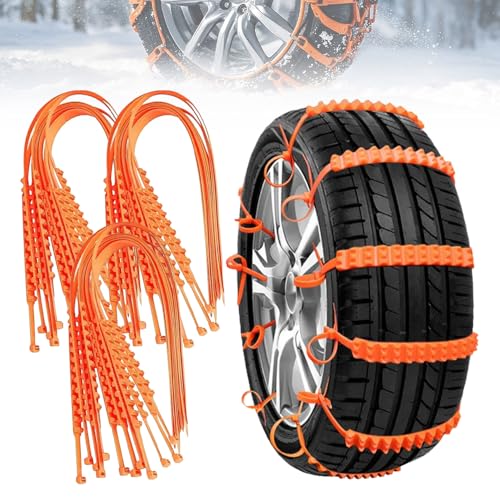
- Dedicated Traction Mats or Boards: These professional snow removal tools offer superior grip compared to sand or mats, providing a reliable, reusable surface for the tires.
- Tow Strap: A high-visibility, brightly colored tow strap rated for your vehicle’s weight is necessary if you need external assistance. Ensure the tow strap car recovery item is securely stored.
- Road Salt or Traction Granules: Unlike sand or litter, road salt actively melts ice, making it highly effective for icy snow car stuck conditions.
- Warmth and Communication: Include a blanket, non-perishable food, water, and a fully charged power bank for your phone, prioritizing safety precautions for a stuck car.

Practical tip: When selecting a tow strap, ensure it is brightly visible (orange or yellow) and strong enough to handle the weight of your vehicle, adhering to professional standards.
How Do Different Drivetrain Types Affect Getting Unstuck?
The recovery technique for a stuck car varies significantly by drivetrain: FWD vehicles benefit from having the engine weight over the drive wheels, while RWD vehicles often require adding weight to the rear to improve traction. Understanding your types of vehicle drivetrains is crucial because it dictates where you need to shovel and where you need to apply traction aids.
The drivetrain determines where the engine’s power is applied, which directly affects how the car reacts when rocking the car unstuck. This often overlooked aspect is key to success, especially in deep snow car stuck scenarios. Automotive engineering principles snow dictate that more weight over the drive wheels results in greater downforce and superior initial grip.
| Drivetrain Type | Power Distribution | Recovery Challenge | Key Advantage |
|---|---|---|---|
| FWD (Front-Wheel Drive) | Front Axle | Front-heavy, tendency to push snow | Engine weight adds beneficial traction |
| RWD (Rear-Wheel Drive) | Rear Axle | Lightweight rear, easily loses grip | Better balance once momentum gained |
| AWD (All-Wheel Drive) | All Four Wheels | Can spin all four wheels, sinking faster | Maximizes existing traction instantly |
What Is The Best Technique For Getting A Front-Wheel Drive (FWD) Car Unstuck?
The best FWD technique is to maximize the front weight over the drive wheels by keeping the steering wheel straight during the gentle rocking process. FWD relies on front wheels for both power and steering, and the heavy engine over the front axle provides beneficial downforce, creating necessary tire grip.
For front wheel drive stuck snow scenarios, the primary focus is on ensuring the drive wheels can work optimally without resistance.
Follow these steps for FWD recovery:
- Maintain Straight Steering: Keep the steering wheel as straight as possible. Turning it redirects the car’s energy and increases resistance against the compacted snow, inhibiting escape.
- Leverage Weight: Since the engine weight is already on the front wheels, the rocking method is often highly effective for FWD.
- Aids Placement: If using traction aids, place them just in front of or behind the front tires only. The rear wheels simply follow the path created by the front.
Practical tip: If you have passengers, ask them to sit over the front axle briefly during the initial attempts to increase the beneficial weight and downforce.
How Should You Handle A Rear-Wheel Drive (RWD) Vehicle Stuck In Snow?
When an RWD vehicle is stuck, the most crucial step, after attempting to rock it, is to add significant dead weight (like sandbags) to the trunk area directly over the rear axle to generate necessary downforce for traction. RWD cars push from the rear, and their lighter back end often makes them prone to slipping on ice snow.
RWD pushes from rear, meaning the drive wheels (the rear ones) often lack sufficient load, especially in deep snow. This lack of weight is the primary reason RWD cars are generally harder to get unstuck in snow compared to FWD counterparts.
RWD recovery techniques require focused weight distribution:
- Add Dead Weight: Place 50–100 lbs of dead weight (sandbags, heavy tools, or even bags of kitty litter) directly over the rear axle in the trunk. This is an experienced driver tips snow recommendation to increase tire pressure and grip.
- Maximize Traction Aids: Be prepared to use more external traction aids, placing them carefully under the rear tires to get the RWD car unstuck.
- Rocking Patience: The rocking method may require slightly quicker shifts and greater finesse with the gentle acceleration in snow due to the easier tendency for the back end to slip sideways.
Anecdotal evidence/tip: Explain why pickup trucks often struggle without a loaded bed: the lack of rear weight requires deliberate weight addition over the drive wheels to gain traction.
When Should You Call For Roadside Assistance Or A Tow Truck?
You should call roadside assistance if you have attempted all self-recovery techniques for over 30 minutes without success, if you detect a burning smell, or if the vehicle is immobilized in a location that poses a safety hazard. Knowing when to call tow vs self help is crucial to avoiding severe vehicle damage and ensuring the safety-first car unstuck principle is upheld.
Prolonged, aggressive self-recovery attempts, particularly if they involve excessive spinning tires, can lead to overheating and catastrophic failure of the drivetrain. If you have tried the rocking method, clearing snow, and using traction aids, but the car still won’t move snow, it is time to escalate to professional vehicle extraction.
Decision criteria for calling professional help:
- Time Limit Exceeded: If you have spent more than 30 minutes trying to free the car without making meaningful progress, stop. Exhaustion and frustration increase the likelihood of mistakes and damage.
- Safety Hazard: The car is stuck in a dangerous location (e.g., blind corner, heavy traffic, or near a snow bank that obstructs visibility) that cannot be safely secured.
- Burning Smells/Loud Noises: You hear loud grinding or banging noises, or detect a pungent burning smell. These are signs of transmission damage or overheating clutches.
- Complete Immobilization: The car is completely buried in a snow drift, high-centered on the chassis, or stuck in a ditch, requiring specialized winch work that self-recovery equipment cannot handle.
Cautionary block: Replacement parts for a damaged transmission or differential are far more expensive than the cost of towing vs self-recovery. Protect your vehicle by knowing your limits.
What Are The Warning Signs That Your Efforts Are Causing Vehicle Damage?
Visible signs of vehicle damage while stuck include seeing smoke, smelling burning rubber or fluid, hearing loud grinding or banging noises, or excessive wear/tearing on temporary traction aids like floor mats. Recognizing these indicators allows you to stop immediately, adhering to certified mechanic advice snow to avoid further damage.
When the car is stuck, applying power forcefully stresses the engine mounts, transmission, and differential (drivetrain). Sustained high-revving and improper rocking can rapidly generate heat and friction, leading to component failure.
Critical warning signs that necessitate immediately ceasing recovery efforts:
- Pungent Burning Smell: This usually indicates clutch or transmission fluid overheating. The smell is often described as acrid or like burnt toast. This is the clearest sign of avoiding further damage snow.
- Loud Metallic/Grinding Noises: Hearing a loud grinding or metallic sound during shifting or acceleration strongly suggests damage to the drivetrain components, such as the differential or universal joints.
- Smoke or Steam: Smoke emanating from the wheel wells or engine area is a clear sign of excessive heat from friction or fluid leakage.
- Rapid Tire Degradation: If the tires are rapidly melting the snow into ice or if you see excessive tire chunks being thrown (beyond normal wear), you are applying too much power, leading to excessive wear and heat.
Complexity Management: The force of the rocking motion can stress the suspension and engine mounts if done too violently. Keep movements controlled and rhythmic to protect these components.
How Can You Prevent Your Vehicle From Getting Stuck In Snow Next Winter?
The most effective way to prevent getting stuck in the snow is ensuring your vehicle is equipped with winter tires and maintaining an emergency kit containing a shovel and traction materials. Proactive preparation and proper driving technique address the core reasons for snow entrapment solution.
Preventing getting stuck is far easier and less costly than dealing with the emergency car release itself. A comprehensive approach involves three key pillars: preparation, equipment, and technique. This strategy aligns with official winter driving recommendations and contributes to overall safe winter driving tips.
Pillars of Prevention:
- Vehicle Maintenance & Tires:
- Install Snow Tires: Dedicated snow tires use specialized rubber compounds and deep tread patterns (sipes) that actively grip snow and ice, offering vastly superior traction compared to all-season tires, as noted by research-backed traction aids.
- Fluid Checks: Ensure your windshield washer fluid is rated for cold temperatures and that engine coolant levels are correct.
- Battery Health: Cold weather severely taxes car batteries; ensure yours is healthy before winter arrives.
- Preparedness & Equipment:
- Stock the Kit: Keep the essential recovery tools listed previously (shovel, traction mats, tow strap) in your car from February through early spring.
- Add Weight (RWD): For RWD vehicles, pre-emptively add sandbags or other safe dead weight to the trunk over the rear axle before heavy snowfalls.
- Driving Technique:
- Slow, Smooth Inputs: Practice defensive driving, maintaining slow speeds and smooth steering and braking inputs to avoid losing momentum or stability.
- Anticipate: Look far ahead and avoid stopping or starting on inclines whenever possible. Maintain a safe distance from other cars.
FAQs About How To Get A Car Unstuck In The Snow
Is Rocking Your Car Safe When Stuck In Snow?
The rocking method is generally safe if executed gently and briefly, but excessive or violent rocking can cause significant damage to the transmission, engine mounts, and tires. Always ensure you shift gears (Drive to Reverse) only when the car has momentarily stopped moving to prevent shock loading on the drivetrain. If you hear loud metallic sounds or smell burning, stop immediately to avoid costly repairs.
How To Get A Car Unstuck From Snow Without A Shovel?
If you lack a shovel, use a sturdy object such as a trash can lid, a plastic food container, or even your hands (wearing gloves) to clear snow from the front and back of the tires and the undercarriage. Alternatively, use a long, rigid floor mat or cardboard pieces to create a temporary ramp directly in the path of the tires, providing the necessary purchase to gain initial momentum.
How To Get A Truck Unstuck In Deep Snow?
To get a truck unstuck in deep snow, engage the four-wheel drive (4WD) or differential lock system immediately, if available, and ensure you have sufficient weight over the drive wheels. Trucks often require more aggressive shoveling due to higher ground clearance, and adding dead weight (e.g., sandbags) to the rear bed significantly improves traction for rear axles. Use the rocking method gently, maximizing momentum with the low-end torque.
Can I Get My Car Unstuck From Snow Alone?
Yes, you can often get your car unstuck from snow alone by utilizing techniques like the gentle rocking method, clearing snow manually, and strategically placing traction aids like sand or floor mats under the drive wheels. The success of self-recovery depends on the snow depth and the amount of underlying ice; however, always inform a friend or family member of your location before attempting recovery solo.
How To Use Kitty Litter To Get Car Unstuck?
Spread a generous, non-clumping layer of kitty litter (clay-based preferred) about three feet long both in front of and behind the stuck drive tires. Kitty litter works by absorbing moisture and providing grit, increasing the friction coefficient between the tire tread and the slick surface. Accelerate slowly and smoothly to avoid simply spinning the tires through the litter you just placed.
What Happens If You Keep Spinning Tires In Snow?
If you keep spinning tires in snow, you quickly melt the snow into slick ice, resulting in zero traction, and risk overheating or damaging critical drivetrain components like the transmission and differential. Excessive spinning also digs the car deeper into the snow, packing the wheel wells tightly and potentially causing the car to become grounded on its undercarriage.
How Much Can A Tow Truck Cost For Snow Recovery?
The cost of a tow truck for snow recovery can vary significantly based on location, time of day, and the complexity of the extraction, typically ranging from $100 to $300 for standard roadside recovery. If the vehicle requires specialized winch work, is in a ditch, or if service is needed during extreme weather, costs can escalate rapidly. Always confirm the hourly rate or flat fee upfront.
How Do Snow Tires Help Prevent Getting Stuck?
Snow tires are designed with specialized rubber compounds and aggressive tread patterns featuring deep grooves (sipes) that remain flexible in cold temperatures and actively grip snow and ice. This specialized construction increases the friction coefficient, providing significantly better starting traction and braking ability than standard all-season tires, thereby drastically reducing the chance of getting stuck.
How Do You Get A Car Out Of A Snow Bank?
To get a car out of a snow bank, first assess the damage and, if safe, shovel the snow from around the drive wheels and under the bumper before attempting the rocking method. Since snow banks are dense, you must maximize ground clearance and use the full length of the rocking oscillation path to chip away at the compressed snow until the vehicle can move forward or backward.
What Should You Do If The Exhaust Pipe Is Blocked By Snow?
If the exhaust pipe is blocked by snow, immediately turn off the engine and clear the snow to prevent lethal carbon monoxide gas from backing up into the cabin. Use a gloved hand, a snow brush, or a plastic item to gently clear the blockage. Never leave the engine running in a snowed-in vehicle without continuously confirming the tailpipe is fully clear.
Key Takeaways: Car Stuck Snow Solutions Summary
- Safety and Assessment Are Non-Negotiable First Steps – Prioritize safety by clearing the exhaust pipe and assessing the snow depth and immediate surroundings before attempting any recovery method. This essential first step minimizes the risk of carbon monoxide poisoning or further vehicle damage.
- The Rocking Method Relies on Momentum, Not Power – The most effective self-recovery strategy is the gentle rocking motion, executed by smoothly shifting between low gear (Drive) and Reverse, applying minimal, controlled throttle to build momentum, not speed. Avoid aggressive use of gas, which only melts snow into slick ice.
- Traction Control Must Generally Be Deactivated – Turn off standard Traction Control (TC) systems when stuck, as TC restricts power when it detects wheel slip, counteracting the need for momentum to break free. Only keep TC engaged if your vehicle offers a specialized “Snow Mode” designed for low-traction starts.
- Traction Aids Should Be Placed Precisely – Use external aids like sand, kitty litter, or dedicated traction mats placed strategically under the leading edge of the stuck drive wheels to gain momentary grip. Floor mats can be used cautiously as a last resort, prioritizing safety when placing or retrieving them.
- Drivetrain Type Dictates Technique Nuance – Adapt your approach based on your vehicle’s drivetrain: FWD benefits from engine weight and straight wheels, while RWD requires the addition of dead weight over the rear axle for sufficient downforce and traction.
- Know the Warning Signs and When to Stop – Immediately cease self-recovery efforts if you hear banging noises, smell burning fluid, or have spun the tires continuously for more than 30 minutes without success. Continuing past this point risks serious transmission or differential damage, justifying a professional tow.
- Prevention is the Ultimate Solution – Reduce future risk by equipping your vehicle with proper snow tires, maintaining a comprehensive winter emergency kit, and practicing slow, smooth driving inputs to avoid losing the critical traction necessary in low-friction winter conditions.
Final Thoughts on How To Get A Car Unstuck In The Snow
Successfully getting a car unstuck in the snow is a test of patience, technique, and preparation, demonstrating both experience and sound judgment. Our comprehensive guide has provided the tools, the step-by-step procedures, and the critical safety knowledge required for effective self-recovery, ensuring you possess the proven methods for snow entrapment. Remember that the ultimate difference between quickly getting free and causing expensive damage lies in controlled actions—momentum beats brute force. Whether you are rocking the car free, strategically using traction aids, or making the necessary decision to call for professional assistance, prioritize your safety and the longevity of your vehicle above all else. By understanding the physics of low-traction recovery and applying these expert car recovery techniques, you can transform a stressful immobilization into a manageable event. Take the knowledge you’ve gained here, stock your winter kit, and drive into the remainder of the season with confidence and authority.
Last update on 2026-02-10 / Affiliate links / Images from Amazon Product Advertising API



![DooGooCoo Windshield Snow Cover: Honest Review [year]](https://i0.wp.com/carxplorer.com/wp-content/uploads/2026/02/DooGooCoo-Windshield-Snow-Cover-Honest-Review-year-1.jpg?resize=60%2C60&ssl=1 "DooGooCoo Windshield Snow Cover: Honest Review [year] 6")


