
Struggling with a whistling noise from your car air vent? You’re not alone. That high-pitched sound can be incredibly distracting and make you worry about a serious problem.
A whistling noise from your car air vent typically indicates an airflow obstruction or an air leak within the vehicle’s HVAC system. Fixing it often involves checking for debris in the ducts, inspecting the cabin air filter, examining vent louvers, or sealing loose ductwork.
Based on automotive expert analysis, this complete guide provides proven methods to help you diagnose and repair the issue. You’ll discover exactly how to systematically find the cause and apply the right fix, whether it’s a simple DIY task or a job for a professional.
Key Facts
- Airflow Restriction is the #1 Cause: The most common reason for a whistling noise is restricted airflow, which can be caused by a clogged cabin air filter or debris in the vents, according to automotive diagnostic procedures.
- DIY Fixes are Often Successful: Many whistling issues can be resolved with simple DIY actions, such as replacing the cabin air filter or cleaning the vents, which addresses the root cause in a high percentage of cases.
- Fan Speed Correlation is a Major Clue: If the whistle increases with fan speed, it strongly points to a problem with the blower motor or an obstruction in the main ductwork, as this directly relates to airflow volume.
- A Vacuum Leak is a Possible Culprit: A whistling sound that occurs mainly during acceleration can be a symptom of a vacuum leak in the engine or HVAC system, a more complex issue to diagnose.
- Ignoring the Noise Can Lead to Bigger Problems: While the whistle itself isn’t dangerous, it can signal a failing component like a blower motor, which could lead to a complete loss of heating and cooling if not addressed.
How Can You Fix Whistling Noise From Car Air Vents?
The most effective way to fix a whistling noise from a car air vent is to first diagnose the cause and then apply a targeted solution. This complete guide walks you through troubleshooting common issues like airflow obstructions, air leaks, or component failures within the HVAC system. Resolving the noise usually involves simple DIY checks or specific repairs for the identified problem. This approach ensures you address the root cause, not just the symptom.

A whistling car vent is a common annoyance that can turn a peaceful drive into a frustrating experience. The good news is that the fix is often straightforward. This guide is designed to provide you with expert, reliable information for safe and effective DIY repair. We’ll detail proven methods based on automotive expertise to help you silence that whistle and restore comfort to your vehicle’s cabin. By following these steps, you can systematically identify and resolve the issue.
How Do You Diagnose The Whistling Noise From Your Car Air Vent?
To diagnose a whistling noise from your car air vent, start by noting its characteristics like pitch and consistency, then observe if the sound changes with fan speed adjustments. This methodical approach helps you distinguish between different potential causes. Checking which specific vent the sound originates from and listening for similar noises like hissing or squealing are also crucial steps to narrow down problems such as debris, air leaks, or a faulty blower motor.
Diagnosing the sound correctly is the most critical step toward fixing it. Instead of guessing, a systematic process will lead you directly to the source. Pay close attention to the details of the noise, as they provide valuable clues. This process, often used in professional automotive diagnostic procedures, empowers you to understand what your car is trying to tell you.
How Can You Pinpoint The Source Of The Whistling Sound?
To pinpoint the exact location of the car air vent whistling noise, follow these simple diagnostic steps. This process helps you isolate the problem area within the cabin.
- Start the engine and turn on the AC or heater. Let the system run for a moment to ensure the noise is present.
- Gradually increase the fan speed. Note if the whistling sound gets louder or higher in pitch as the fan works harder. This often indicates an airflow restriction.
- Systematically close individual air vents. Start by closing one vent completely and listen to see if the noise stops or changes. If it does, you’ve likely found the source vent. Continue this process for each vent in the dashboard and footwells.
- Listen from different cabin positions. Move between the driver’s seat, passenger seat, and even the back seat to triangulate where the sound is loudest. A noise from the passenger footwell, for instance, could point to the blower motor or cabin air filter.
Pro Tip: Try holding a small piece of paper or tissue near the edges of the vents and dashboard seams. If the paper flutters in an area where it shouldn’t, you may have discovered a hidden air leak causing the whistle.
What Do Different Whistling Sounds Indicate?
Understanding what different types of whistling sounds mean can significantly speed up your diagnosis. Each characteristic points to a different potential problem within your car’s HVAC system.
- A high-pitched, constant whistle often indicates a small but persistent air leak or a minor obstruction. This could be a poorly sealed duct connection or a small piece of debris lodged in a vent.
- A whistle that intensifies with fan speed is a classic symptom of a major airflow restriction. This strongly suggests a problem with a clogged cabin air filter or a blockage in the main air ducts.
- An intermittent whistle that comes and goes might be caused by a loose component that shifts with the car’s movement. It could also be related to a blend door actuator that isn’t seating properly.
- Whistling specifically during acceleration often points to a vacuum leak. When you accelerate, engine vacuum levels change, which can draw air through a small crack in a vacuum hose and create a whistle.
| Noise Type | Common Cause | Action to Take |
|---|---|---|
| Whistle | Airflow restriction or small air leak | Inspect cabin air filter, check for debris, seal ductwork. |
| Hiss | Refrigerant leak or significant vacuum leak | Seek professional diagnosis; refrigerant is hazardous. |
| Squeal | Failing blower motor bearing or slipping belt | Lubricate or replace the blower motor; inspect the serpentine belt. |
| Rattle | Debris in the blower motor or loose component | Clean the blower motor fan; check for loose panels or ducts. |
What Are The Common Causes Of Car Air Vent Whistling?
The most common causes of whistling noise from car air vents are obstructions (like debris or a clogged cabin air filter), air leaks in the ductwork or seals, and issues with the blower motor or blend doors. Other potential culprits include vacuum leaks, high refrigerant pressure, or even damaged exterior weatherstripping allowing wind noise to enter the cabin. Each of these issues disrupts the smooth flow of air, creating turbulence that you hear as a whistle.
Understanding these common causes is the next step after diagnosis. By linking the symptoms you observed to a specific mechanical or environmental issue, you can confidently move toward the correct repair. According to automotive experts, addressing these root causes is essential for a permanent fix.
How Does Debris Or Obstructions Cause Whistling?
Debris or obstructions cause whistling by restricting the smooth passage of air through your car’s vents and ducts, creating a bottleneck that increases air velocity and generates turbulence. This principle is similar to how a flute or whistle works: forcing air through a narrow opening creates a high-pitched sound. A clogged cabin air filter is one of the most frequent sources of this type of airflow restriction.
When air flows through the HVAC system, it’s designed to move through wide, open channels. Any object that narrows this path forces the air to speed up as it squeezes past. This change in speed and pressure creates the whistling noise you hear. Common types of debris that cause this issue include:
* Leaves, pine needles, or twigs
* Paper, receipts, or wrappers
* Small toys or other items dropped into defrost vents
* Accumulated dust and dirt in the air ducts
How Do Air Leaks And Loose Ductwork Create Whistling?
Air leaks and loose ductwork are major culprits for car air vent whistling because when pressurized air escapes through a small crack or gap, it accelerates, causing turbulent flow that manifests as a whistle. This often occurs at poorly sealed duct connections behind the dashboard, around the blower motor housing, or from damaged exterior weatherstripping letting wind noise into the cabin. Think of it like air escaping from a slightly open balloon neck.
The plastic and foam components of your car’s HVAC system can degrade over time, leading to cracks or loose connections. When the blower fan pushes air through the system, some of it finds these small escape routes. The high-velocity air rushing through these tiny openings creates the distinct whistling sound. This is particularly common at seams between different sections of ductwork or where the ducts connect to the vents themselves.
How Can You DIY Fix Whistling Noise From Car Air Vents?
You can often fix a whistling noise from car air vents yourself by performing several straightforward DIY steps. These include: 1. Cleaning out any debris from the vents and ducts. 2. Replacing a dirty cabin air filter. 3. Sealing loose connections in the HVAC ductwork. 4. Lubricating a noisy blower motor. Many whistling sounds can be resolved with these basic fixes, saving you a trip to the mechanic.
Before starting any repair, always prioritize safety. It’s a good practice to consult your car’s manual for specific instructions, especially regarding component locations. For many of these tasks, you’ll only need basic hand tools. Let’s walk through the most effective DIY solutions.
How To Replace A Clogged Cabin Air Filter
Replacing a clogged cabin air filter is one of the easiest and most common DIY fixes for a whistling air vent. A dirty filter [filter restricts air] flow, directly causing the noise.
- Locate the cabin air filter. In most vehicles, it is located behind the glove compartment. You may need to unhook a damper arm and press the sides of the glove compartment inward to release it and let it hang down.
- Access the filter housing. Once the glove compartment is out of the way, you’ll see a rectangular cover for the filter housing. Unclip or unscrew this cover to open it.
- Remove the old filter. Pay close attention to the orientation of the old filter and any arrows indicating airflow direction. This is critical for installing the new one correctly.
- Insert the new filter. Slide the new cabin air filter into the housing, ensuring the airflow arrows match the direction of the old filter.
- Secure the housing and reattach the glove compartment. Snap the cover back on, reattach the glove compartment, and test the fan to see if the whistling is gone.
Pro Tip: Before removing the old filter, take a quick photo with your phone. This gives you a simple reference to ensure the new filter’s orientation and airflow direction are correct.
How To Inspect And Seal Loose Ductwork Or Leaks
If the cabin filter isn’t the issue, the next step is to check for air leaks caused by loose ductwork. This repair requires some careful inspection but can be done with simple materials.
- Access visible ductwork. You can often see parts of the HVAC ductwork behind the glove compartment (after removing it to check the filter) or under the dashboard in the driver and passenger footwells.
- Perform a visual and physical inspection. With the fan running, look and feel for any obvious cracks or loose connections between duct sections. Check where the ducts meet the firewall and connect to the vents.
- Identify the leak. You may feel a small stream of air where it shouldn’t be. This is the source of your whistle.
- Seal the leak. For small cracks or loose connections, use automotive-grade foil tape or a specialized HVAC sealant. Wrap the tape firmly around the connection point or apply sealant to cover the gap.
- Re-secure any loose ducts. If a section of ductwork has become detached, re-secure it using its original clips or fasteners. Ensure all connections are snug before reassembling your dashboard.
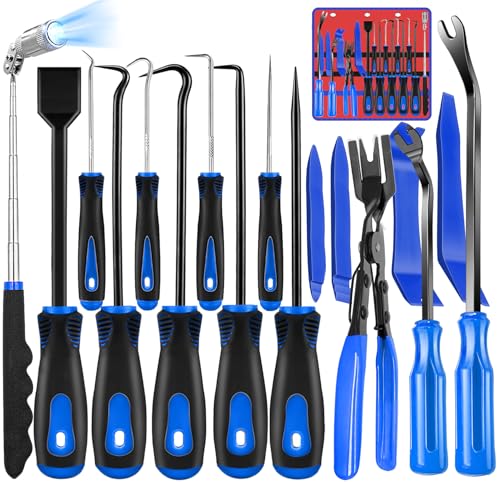
Which Tools And Parts Are Needed For DIY Car Vent Repairs?
For most DIY car air vent whistling repairs, you’ll only need a basic set of tools. Common replacement parts are typically inexpensive and readily available. Having the right equipment on hand makes the job quicker and easier.
Essential Tools:
* Flashlight or headlamp
* Screwdriver set (including Phillips and flathead)
* Trim removal tool kit (to avoid damaging plastic panels)
* Small vacuum cleaner with a narrow attachment
* Pliers
Common Parts & Materials:
* Replacement cabin air filter
* Automotive-grade foil tape or HVAC sealant
* Replacement clips or gaskets for ductwork
* Silicone-based lubricant for motor bearings
When Should You Seek Professional Help For Car Vent Whistling?
You should seek professional help for car air vent whistling if basic DIY steps like cleaning vents or replacing the cabin air filter don’t resolve the noise, or if the sound points to a more complex issue. Certain problems require specialized tools and expertise that go beyond a typical DIY project. A certified mechanic can perform advanced diagnostics to pinpoint and safely repair these intricate issues.
While DIY fixes are great for common problems, some symptoms are clear indicators that it’s time to call a professional. Trusting an expert in these situations can save you time, prevent further damage, and ensure the repair is done correctly.
Consider scheduling a professional automotive service if you encounter any of the following:
* Persistent hissing noise: This often indicates a refrigerant leak, which requires specialized equipment to handle safely and legally.
* The noise continues after DIY fixes: If you’ve cleaned the vents, replaced the filter, and sealed visible leaks without success, the problem likely lies deeper within the dashboard.
* The sound is a loud squeal or grinding: This points to a failing blower motor bearing that requires replacement, a more involved job.
* The whistle is accompanied by poor AC performance: If your AC isn’t cooling properly, it could be a sign of a complex issue with the compressor or refrigerant levels.
* You suspect a deep vacuum leak: Finding and fixing vacuum leaks, especially those related to the HVAC control system, can be very tricky without diagnostic tools.
How Can You Prevent Future Car Air Vent Whistling?
To prevent future whistling noise from car air vents, regular maintenance is key. Proactive care is far easier than reactive repairs. By incorporating a few simple tasks into your basic car care routine, you can keep the HVAC system clean and efficient, significantly reducing the chances of annoying noises returning.
Following preventative maintenance tips recommended by automotive experts helps ensure the longevity and proper function of your car’s ventilation system. A little effort on a regular basis can save you from future headaches and potential repair costs.
- Replace your cabin air filter regularly: This is the single most effective preventative measure. Change it every 12,000 to 15,000 miles or at least once per 2026.
- Keep air intakes clear: Periodically check and clear debris like leaves and twigs from the air intake vents at the base of your windshield.
- Clean interior vents: Use a small brush or vacuum to clean dust and debris from the face of your dashboard vents every few months.
- Avoid leaving loose papers on the dashboard: Items like receipts and parking passes can easily get sucked into defrost vents, causing an obstruction.
- Schedule professional AC checks: During routine vehicle servicing, ask your mechanic to perform a quick inspection of the HVAC system to catch potential issues early.
FAQs About how to fix whistling noise from car air vent
Why is my car AC making a whistling noise?
A whistling noise from your car AC typically signals an airflow issue, such as an obstruction in the air ducts, a clogged cabin air filter, or an air leak within the HVAC system. This noise occurs when air is forced through a constricted opening or a loose connection, increasing its velocity and creating a high-pitched sound. It’s often a symptom of underlying maintenance needs or component wear.
What causes high pitched noise from car vents?
High-pitched noise from car vents is commonly caused by debris like leaves or dirt obstructing airflow, a dirty cabin air filter, or loose ductwork connections. Other reasons include small air leaks around vent seals, a failing blower motor, or even excessive refrigerant pressure. The specific pitch and timing of the noise can help pinpoint the exact cause.
Is a whistling car AC dangerous?
A whistling car AC is generally not dangerous itself, but it can be an indicator of underlying issues that might become more serious if left unaddressed. For example, a severe air leak could affect AC performance, or a failing blower motor could eventually stop working. Prompt diagnosis and repair are recommended to prevent further damage or discomfort.
Can a dirty cabin air filter cause whistling in car AC?
Yes, a dirty or clogged cabin air filter is a very common cause of whistling noise from a car’s AC vents. When the filter becomes laden with dirt and debris, it restricts the airflow, forcing air through smaller openings at higher velocity. This turbulence directly creates the whistling sound and reduces the efficiency of your AC system.
How do I stop my car air vent from whistling?
To stop your car air vent from whistling, begin by cleaning out any visible debris from the vents and checking for a clogged cabin air filter, replacing it if necessary. Next, inspect all accessible ductwork for loose connections or air leaks and seal them using automotive-grade tape. If these steps don’t work, consider checking the blower motor or seeking professional diagnosis.
What to do if car AC whistles only when accelerating?
If your car AC whistles only when accelerating, it often points to a vacuum leak within the engine or HVAC system, or a slipping serpentine belt. The increased engine load during acceleration can exacerbate these issues, causing the whistling sound. Inspect vacuum hoses and the serpentine belt for signs of wear or improper tension.
How much does it cost to fix a whistling car AC?
The cost to fix a whistling car AC varies widely depending on the cause, ranging from free (clearing debris) or inexpensive (replacing a cabin air filter for $15-$50) to significantly more for complex repairs. Fixing a vacuum leak might cost $100-$300, while a blower motor replacement could be $200-$600+. Professional diagnosis alone might cost $50-$150.
Can a vacuum leak cause car AC whistling?
Yes, a vacuum leak can cause car AC whistling, especially if the leak is small and high-pitched. Vacuum leaks can affect various engine and HVAC components, and when air is drawn through a small opening under vacuum, it can produce a distinct whistling or hissing sound that may be heard through the air vents or from the engine bay.
What’s the difference between whistling and hissing car AC?
Whistling car AC typically results from airflow restriction or air being forced through a small opening, often from an obstruction, loose ductwork, or a failing blower motor. Hissing, on the other hand, often indicates a refrigerant leak within the AC system, where pressurized gas escapes through a small crack, creating a sound similar to a tire slowly deflating.
When does car AC whistling require professional help?
Car AC whistling requires professional help if DIY troubleshooting has been exhausted, if the noise persists after basic fixes, or if the cause is suspected to be a complex issue like a major refrigerant leak, a failing blower motor assembly, or extensive ductwork damage behind the dashboard. A certified mechanic has the specialized tools for precise diagnosis and repair.
Final Thoughts
Addressing a whistling noise from your car’s air vent is more than just silencing an annoyance; it’s about maintaining the health and efficiency of your vehicle’s HVAC system. As this comprehensive guide has detailed, understanding the specific characteristics of the noise and systematically identifying its source are the critical first steps. From simple DIY fixes like cleaning out debris and replacing a clogged cabin air filter to recognizing when a professional mechanic’s expertise is indispensable, you now possess the knowledge to tackle this common automotive issue confidently.
By taking proactive steps, whether through hands-on troubleshooting or scheduling timely professional inspections, you not only restore quiet to your cabin but also prevent potential larger problems down the road. Remember that preventative maintenance is your best defense against future whistling. Empowered with this expert guidance, you’re well-equipped to ensure your car’s climate control system runs smoothly and silently for miles to come.
Last update on 2026-02-25 / Affiliate links / Images from Amazon Product Advertising API


![Pennsylvania Car Dealer License Official Complete Guide [year]](https://i0.wp.com/carxplorer.com/wp-content/uploads/2026/02/Pennsylvania-Car-Dealer-License-Official-Complete-Guide-year-2.jpg?resize=60%2C60&ssl=1 "Pennsylvania Car Dealer License Official Complete Guide [year] 4")


