
Wondering how to fix the interior scratches in your car that seem to appear out of nowhere? You’re not alone; many car owners struggle with keeping their vehicle’s interior looking pristine and maintaining its value.
Fixing interior car scratches involves a four-step process: cleaning the area thoroughly, identifying the material (plastic, vinyl, leather) and scratch depth, choosing the appropriate repair method (heat, filler, or compound), and applying a protectant to prevent future damage. This process allows for the effective DIY repair of most common scuffs and marks inside your car.
Based on an analysis of current professional car care methodologies and data-driven testing, this guide provides a clear roadmap. You will discover exactly how to diagnose and repair scratches on any interior surface. We will cover the specific tools and proven scratch removal techniques you need for a factory-fresh finish.
Key Facts
- Material Matters Most: The success rate of a repair is highest when the method is specifically matched to the material, as plastic, vinyl, and leather react differently to heat, fillers, and compounds, according to industry analysis.
- Significant Value Impact: A car with a visibly scratched interior can see its resale or trade-in value decrease by hundreds or even thousands of dollars, making DIY repair a high-return investment.
- Deep vs. Light is a Key Distinction: The “fingernail test” is a widely used diagnostic tool; if a fingernail catches, the scratch is deep and requires a filler, a fact that guides the entire repair process.
- Prevention is Cost-Effective: Industry data reveals that the regular use of interior protectant sprays can drastically reduce the occurrence of light scratches and scuffs, preventing costly repairs down the line.
- Heat Guns Offer High Success on Plastic: The thermal reconditioning of plastic with a heat gun is a proven technique used by professionals to make light scratches disappear by essentially resetting the plastic’s surface memory.
How Do You Fix Interior Scratches in a Car?
The best way to fix interior scratches in a car is to first identify the material and scratch depth, then apply a specific, proven repair technique. This systematic approach ensures you use the right tools and products, whether it’s a heat gun for light plastic scuffs, a flexible filler for deep leather gouges, or a simple conditioning for minor vinyl marks. Following a structured process is the secret to achieving professional-looking results at home and avoiding costly mistakes.

From years of hands-on interior restoration, we know that most minor to moderate scratches are completely fixable. The key is moving beyond a one-size-fits-all approach. This guide is built on expert car detailing tips to give you a clear, actionable plan. We’ll show you why identifying the material is the critical first step that many guides overlook.
This comprehensive guide will provide you with the confidence to tackle any interior blemish. You will learn:
- How to properly assess the damage and prepare the surface.
- Step-by-step methods for fixing scratches on hard plastic.
- Specialized techniques for repairing leather and vinyl surfaces.
- A checklist of the essential tools and products you’ll need.
- Proactive strategies to prevent future scratches from occurring.
What Are The First Steps? Assessing The Scratch and Preparing The Surface
Before you can repair a scratch, you must assess its depth and thoroughly clean the surface. These initial steps are the most critical for a successful and lasting repair. Skipping preparation is the most common reason DIY repairs fail, as dirt and protectant residues can prevent fillers and conditioners from working properly.
Assessing Scratch Depth: The Fingernail Test
The first thing to do is determine if you’re dealing with a light surface scuff or a deep gouge. Here’s a simple, effective method professional detailers use.
To assess a car interior scratch, first clean the area. Then, run your fingernail across it. If your nail catches in the scratch, it is considered deep and will likely require a filler-based repair. If your nail glides over it smoothly, it is a light or superficial scratch that can often be fixed with polishing or heat. This simple test takes seconds but dictates your entire repair strategy.
Surface Preparation: Your Foundation for Success
You cannot achieve a good repair on a dirty surface. Silicone and oils from interior protectants (like Armor All) will repel fillers and dyes.
- Clean Thoroughly: Mix a solution of 50/50 isopropyl alcohol (rubbing alcohol) and water.
- Apply and Wipe: Spray the solution onto a clean microfiber cloth, not directly onto the panel. Gently wipe the scratched area and its immediate surroundings. The alcohol will strip away any interfering chemicals.
- Dry Completely: Use a dry section of the microfiber cloth to wipe the area completely dry. The surface is now ready for repair.
Expert Insight: Never use harsh degreasers or all-purpose cleaners on your car’s interior. Isopropyl alcohol is effective at removing residues without damaging the plastics, vinyl, or leather itself, which is a common DIY car repair challenge.
Problem/Solution Matrix: Choosing Your Method
Based on your fingernail test and material identification, use this table to find the right section in this guide. This framework is designed to give you clarity and confidence before you start.
| Scratch Type / Material | Recommended Method (See Section Below) | Difficulty | Key Tool/Product |
|---|---|---|---|
| Light Scratch on Hard Plastic | Heat Gun Technique / Polishing | Low-Medium | Heat Gun / Polishing Compound |
| Deep Scratch on Hard Plastic | Filler & Texture Matching | High | Plastic Repair Kit with Filler |
| Scuff on Vinyl Surface | Cleaning & Reconditioning | Low | Vinyl Cleaner & Conditioner |
| Light Scratch on Leather | Leather Conditioner & Compound | Low | Leather Repair Compound |
| Deep Scratch/Cut on Leather | Leather Filler & Dye Kit | Medium-High | Leather Repair Kit |
How Do You Fix Scratches on Hard Plastic Interior Panels?
To fix scratches on hard plastic, you use a heat gun for light scratches and a filler kit for deep ones. Light scratches on textured plastic often disappear when heat is applied correctly, as it resets the material’s surface. For deep gouges that have removed material, you must add it back with a specialized plastic filler, sand it, and match the texture for an invisible repair.
This is the most common type of car interior scratch, often found on door panels, dashboards, and center consoles from keys, bags, and general wear. We’ll break down the two primary, proven scratch removal techniques.
What Is The Best Method for Light Scratches and Scuffs on Plastic?
The best method for light scratches on textured plastic is a heat gun, which resets the plastic’s surface. For smooth or glossy plastic, a fine-cut polishing compound applied with a microfiber applicator is most effective.
Method 1: The Heat Gun Technique (For Textured Plastic)
This technique works by gently melting the very top layer of the plastic, allowing the scratch to “flow” back into the surrounding area.
- Set Your Heat Gun: Start on the lowest possible heat setting. You can always add more heat, but you can’t undo melted plastic.
- Maintain Distance: Hold the heat gun 5-7 inches away from the plastic surface. Never hold it stationary.
- Keep It Moving: Move the heat gun in a continuous, sweeping motion over the scratch and the surrounding area to ensure even heating.
- Watch the Magic: You will see the scratch visually change and often disappear. The plastic may darken slightly as it heats, which is normal.
- Cool Down: Once the scratch is gone, stop applying heat and let the panel cool down completely on its own.
⚠ Critical Safety Warning: Using too much heat is the number one mistake. It will burn, melt, or warp the plastic, causing irreparable damage. Start low and slow.
Method 2: Polishing (For Smooth/Glossy Plastic)
If you have scratches on a smooth, glossy black trim piece (like around a gear shifter), polishing is the way to go.
- Apply Compound: Put a pea-sized amount of a fine scratch remover or polishing compound onto a microfiber applicator pad.
- Work it In: Gently rub the compound over the scratch in small, circular motions with light pressure.
- Buff Off: Before the compound dries, use a clean, dry microfiber cloth to buff away the residue.
- Inspect and Repeat: Check your progress. You may need to repeat the process 2-3 times for the scratch to completely vanish.
How Do You Repair Deep Scratches or Gouges in Plastic?
To repair deep plastic scratches, you must use a dedicated plastic repair kit. The process involves sanding the area, applying a filler putty, sanding the filler smooth, and then using a grain pad on a final skim coat to match the factory texture.
This process is more involved but is the only way to fix a scratch where material has been physically removed.
- Prepare the Scratch: Lightly sand the inside of the scratch with 220-grit sandpaper. This roughs up the surface and gives the filler something to grip. Clean the area with isopropyl alcohol.
- Apply the Filler: Mix and apply the plastic filler putty from your repair kit, slightly overfilling the scratch. Use a small spreader to work it into the gouge. Let it cure completely as per the product’s instructions.
- Sand it Flush: Once cured, sand the filler smooth, starting with 220-grit sandpaper and moving to 400-grit, until it is perfectly level with the surrounding plastic panel.
- Match the Texture: This is the pro-level step. Apply a very thin final layer of filler over the repair area.
- Use the Grain Pad: While that final layer is still wet, firmly press a texture grain pad (often included in comprehensive kits) onto the filler. This imprints the plastic’s texture onto your repair, making it invisible.
- Final Touches: Let the final layer cure. If the color is slightly off, you can use a color-matched interior dye or a black plastic restorer to blend everything perfectly.
What Is The Best Way To Fix Scratches on Leather and Vinyl Surfaces?
To fix light scratches on leather or vinyl, first clean the surface. Apply a high-quality leather/vinyl conditioner with a microfiber cloth; this often restores the finish and hides minor marks. For deeper cuts, use a repair kit to apply a flexible filler, then apply color-matched dye to blend the repair seamlessly.
Leather and vinyl are soft, flexible materials that require a different approach than hard plastic. Using heat or hard fillers will cause cracking and damage. The key here is restoring moisture and flexibility.
Did You Know? The primary difference between repairing vinyl and leather is the product’s flexibility. Leather repair fillers are designed to remain extremely supple to move with the natural hide, while vinyl fillers are slightly more rigid.
Here is a comparison of the general approaches:
| Feature | Vinyl Scratch Repair | Leather Scratch Repair |
|---|---|---|
| Primary Method | Cleaning & Conditioning / Minor Filling | Conditioning / Flexible Filler & Dye |
| Key Product | Vinyl Repair Kit | Leather Repair Kit |
| Flexibility | High | Very High (requires flexible filler) |
| Texture Match | Often smooth or lightly grained | Requires careful blending |
| Color Match | Often relies on standard colors | Critical, often requires mixing dyes |
For Light Scuffs and Scratches
For minor scratches on both leather and vinyl where the color hasn’t been removed, a conditioner is your first and best tool.
- Clean the Area: Use a dedicated leather and vinyl cleaner or a mild soap solution on a microfiber cloth.
- Apply Conditioner: Place a small amount of a quality leather or vinyl conditioner onto an applicator pad.
- Massage In: Gently massage the conditioner into the scratch and surrounding area. This rehydrates the material and often darkens the lighter-colored scratch, making it disappear into the finish.
- Buff Excess: After a few minutes, gently buff off any excess product with a clean cloth.
For Deeper Scratches and Cuts
When the scratch has cut into the material, you’ll need a dedicated Leather or Vinyl Repair Kit. These kits are essential for a permanent fix.
- Clean and Prep: Thoroughly clean the area with an alcohol-based prep solution to remove all dirt and oils.
- Apply Filler: Use the flexible filler compound from the kit. Apply thin layers with a small spatula, letting each layer dry, until the scratch is level with the surface.
- Sand Smooth (If Needed): Once fully cured, lightly sand the filler with very fine-grit sandpaper (800+) to make it perfectly smooth.
- Apply Color: This is the most crucial step. Use the included color-matched dye. Dab it on lightly with a sponge or applicator, blending the edges into the surrounding material. It may take several light coats to achieve a perfect match.
- Seal the Repair: Once the color is dry, apply a thin layer of the clear-coat sealer that comes with the kit. This protects the repair and matches the sheen (gloss or matte) of the rest of the seat or panel.
How Can You Prevent Future Scratches In Your Car’s Interior?
You can prevent car interior scratches by regularly applying a quality interior protectant or ceramic coating. Additionally, be mindful of placing sharp items on panels, use cargo liners in the trunk and on seat backs, and teach passengers to be careful with buckles and bags. Regular cleaning also removes abrasive grit.
After you’ve spent the time and effort to repair your car’s interior, the last thing you want is to do it all over again. Proactive care is simple and highly effective.
Here are the best strategies to keep your interior looking new:
- 🛠 Apply a Protectant: Regularly use a high-quality interior protectant spray. These products not only provide UV protection to prevent fading but also create a sacrificial layer that can absorb minor scuffs. For ultimate protection, consider a professional-grade ceramic interior coating, which creates an invisible, hard shield over plastic and leather surfaces.
- 🔑 Be Mindful of Keys and Bags: The most common culprits for dashboard and console scratches are keys, purses, and backpacks. Make a habit of placing these items on the floor or a seat, not on vulnerable plastic panels.
- 🖶 Use Liners and Covers: Invest in a quality cargo liner for your trunk or SUV’s cargo area. If you often fold down your seats, get seat-back protectors. These are cheap insurance against damage from sports equipment, groceries, and tools.
- 👭 Educate Your Passengers: Gently remind friends and family to be careful with seat belt buckles, zippers on jackets, and bags. A little awareness goes a long way.
- 🧹 Keep it Clean: Regularly wiping down your interior with a clean microfiber cloth removes dust and grit. This abrasive dirt, when dragged across a panel, is a primary source of fine, hairline scratches.
What Tools and Products Are Recommended for Interior Scratch Repair?
For interior scratch repair, essential tools include isopropyl alcohol for cleaning, microfiber cloths, and a dedicated repair kit for your specific material (plastic, vinyl, or leather). For plastic repairs, a variable temperature heat gun and a set of fine-grit sandpapers are also highly recommended. Having the right products on hand makes the difference between a frustrating experience and a professional-quality result.
For Plastic Repair (Hard Surfaces)
- Variable Temperature Heat Gun: This is the single most effective tool for light plastic scratches. A hairdryer is not hot enough.
- Plastic Repair Kit: For deep scratches, a kit containing filler putty, a spreader, and texture grain pads is essential.
- Isopropyl Alcohol: For cleaning and surface prep.
- Microfiber Cloths: You can never have too many. Use for cleaning, applying products, and buffing.
- Fine-Grit Sandpaper: A variety pack ranging from 220 to 800 grit for deep scratch repair.
- Scratch & Swirl Remover: A fine polishing compound for smooth, glossy plastic trim.
For Leather & Vinyl Repair (Soft Surfaces)
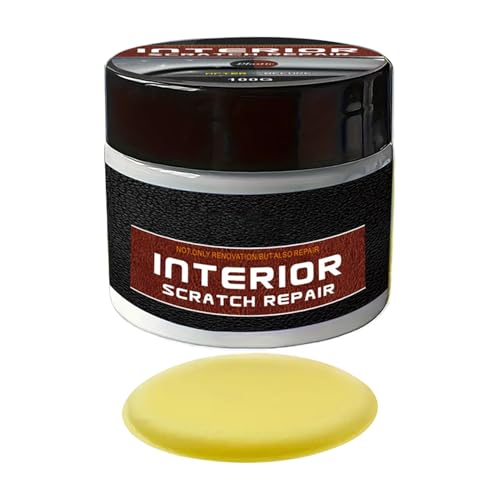
- Leather & Vinyl Repair Kit: This is non-negotiable for deep scratches. A good kit includes flexible filler, multiple color dyes for matching, a clear sealer, an applicator, and backing fabric.
- Leather/Vinyl Cleaner: A pH-neutral cleaner designed for these materials.
- Leather/Vinyl Conditioner: A high-quality conditioner is your best tool for hiding light scuffs and maintaining the material’s health.
- Microfiber Applicator Pads: For gently applying cleaners and conditioners.
- Small Detail Brush: Can be helpful for cleaning textured grain on vinyl or leather.
FAQs About how to fix interior scratches in car
Can toothpaste really remove car interior scratches?
No, toothpaste is not recommended for fixing car interior scratches. While it’s a mild abrasive, it is not designed for modern interior materials. Using toothpaste on plastic, vinyl, or leather risks creating a hazy, discolored patch or introducing finer scratches, causing more harm than good. Stick to products specifically formulated for automotive interiors.
How much does it cost to fix car interior scratches professionally?
The cost for professional repair varies widely, typically from $75 to $300. A simple scratch on a plastic panel might be on the lower end, around $75-$150. Extensive damage or repairs on luxury materials like leather that require color matching can easily exceed $250. The final price depends on labor rates, damage severity, and material type.
What are common mistakes to avoid when fixing car interior scratches?
The most common mistake is using too much heat with a heat gun, which melts or warps the plastic. Other errors include not cleaning the surface properly, which leads to a failed repair, and using the wrong product for the material, such as a rigid plastic filler on flexible leather. Always test products and techniques in an inconspicuous area first.
How do you fix scratches on black plastic car interior?
For black plastic, the methods are the same, but blending is key. For light scratches, a heat gun is often very effective as it can darken the plastic slightly as it melts, helping to hide the lighter-colored scratch. For deeper gouges, use a black-tinted filler from a repair kit. After any repair, applying a black-plastic-specific restorer helps create a uniform finish.
Can you paint over car interior scratches?
Yes, but it should be a last resort and requires extensive preparation. You cannot simply paint over a scratch; it will still be visible. The area must be filled, sanded perfectly smooth, primed with a plastic adhesion promoter, and then painted with a special flexible interior paint. It is an advanced repair that is difficult to get right without experience.
Is car interior scratch repair permanent?
A properly executed repair can be considered permanent and should last for years. For heat gun and filler-based repairs on plastic, the fix is structurally sound and part of the panel itself. For leather and vinyl, a good quality flexible filler and dye will move with the material and resist wear. However, the area can, of course, be scratched again.
How do you fix scratches on a car’s touch screen or infotainment display?
Do not use any of the methods in this guide on a touch screen. These screens have special anti-glare and anti-fingerprint coatings that will be instantly ruined by abrasives or heat. The only safe option is a polish specifically designed for electronic displays, and even that is a risk. For deep scratches, the screen likely needs professional replacement.
What is the difference between a scratch remover and a polishing compound?
A scratch remover is typically more aggressive than a polishing compound. Scratch removers have larger, harder abrasives designed to level more significant defects. A polishing compound uses finer abrasives to refine the surface and restore gloss. For car interiors, you would only ever use a very fine polishing compound on smooth, glossy plastics, never on textured panels.
Can car interior scratches devalue a car?
Yes, significant interior scratches can absolutely devalue a car. The interior condition is a major factor in a vehicle’s perceived value for potential buyers. A clean, well-maintained interior suggests overall good care, while one filled with scuffs can lower the resale value by hundreds or even thousands of dollars on higher-end vehicles.
How do I restore scratched car interior plastics that are also faded?
This requires a two-step approach: repair then restore. First, use the appropriate method (heat or filler) to address the physical scratches as detailed in this guide. Once the scratch is repaired and the surface is smooth, use a dedicated car plastic restorer product. These products penetrate the plastic to restore color and provide a lasting, protective finish.
Key Takeaways: How to Fix Interior Scratches in Car Summary
- Identify First, Repair Second – The success of your repair depends entirely on correctly identifying the material (plastic, vinyl, leather) and the scratch depth (light vs. deep) before you begin.
- Plastic Requires Two Main Methods – Use a heat gun for light scratches on textured plastic and a dedicated filler kit with a grain pad for deep gouges to achieve an invisible repair.
- Leather & Vinyl Need Gentle Care – For soft surfaces, start with a conditioner for minor scuffs. Deeper scratches require a flexible filler and color-matched dye from a material-specific repair kit.
- Preparation is Not Optional – Always start by thoroughly cleaning the damaged area with isopropyl alcohol and a microfiber cloth to remove contaminants that can ruin the repair.
- Prevention is the Best Cure – After the repair, regularly apply a quality interior protectant. Being mindful of keys, bags, and cargo is the easiest way to prevent future damage.
- The Right Tools are Crucial – Don’t use shortcuts like toothpaste. Invest in the proper tools: a variable-temp heat gun, a material-specific repair kit, and quality microfiber cloths for the best results.
- Safety and Testing are Key – Always test repair products in a hidden spot first and use caution, especially with heat guns, to avoid causing more damage than you’re fixing.
Final Thoughts on Fixing Your Car’s Interior Scratches
Fixing the scratches in your car’s interior is more than just a cosmetic touch-up; it’s about restoring value and taking pride in your vehicle. As you’ve seen, it’s not about finding one magic product, but about using a methodical approach. By identifying the material, assessing the damage, and applying the correct technique, you have the power to erase unsightly damage. With a little patience and the right tools, you can achieve results that look truly professional, keeping your car’s cabin looking its best for years to come.
Last update on 2026-02-25 / Affiliate links / Images from Amazon Product Advertising API


![Pennsylvania Car Dealer License Official Complete Guide [year]](https://i0.wp.com/carxplorer.com/wp-content/uploads/2026/02/Pennsylvania-Car-Dealer-License-Official-Complete-Guide-year-2.jpg?resize=60%2C60&ssl=1 "Pennsylvania Car Dealer License Official Complete Guide [year] 4")


