
Struggling with how to fix interior car scratches? You’re not alone; those unsightly marks on your dashboard, door panels, and trim can significantly detract from your car’s appearance and value. It’s frustrating to see your vehicle’s cabin marred by daily wear and tear.
Fixing interior car scratches typically involves cleaning the area, assessing the scratch type (light, deep, scuff), and then applying specific repair methods tailored to the interior material, such as plastic, leather, or trim. Solutions range from simple polishing compounds for superficial marks to filler putties and heat guns for more significant damage, often followed by retexturing and protection.
This guide, based on proven scratch removal techniques and professional auto detailing standards, provides a comprehensive, material-specific approach. You’ll discover exactly how to diagnose and repair damage on plastic, leather, and trim, empowering you to restore your car’s interior with confidence.
Key Facts
- Material-Specific Repairs are Crucial: The most effective repair method is dictated by the interior surface material, as a solution for plastic may damage leather. Industry analysis reveals that using the wrong product is a primary cause of failed DIY repairs.
- Preparation Determines Success: Thoroughly cleaning the surface to remove dirt, oils, and protectants is a critical first step. Professional detailers often state that proper preparation accounts for over half of a successful repair.
- Scratch Depth Dictates the Method: Superficial scuffs can often be polished out, while deep gouges require filling and retexturing. A simple fingernail test—if your nail catches, it’s a deep scratch—is a reliable assessment technique.
- Heat Guns Offer Advanced Solutions: For textured plastic, a heat gun used on a low setting can help soften the material to smooth out scratches and re-apply texture, a method frequently used in professional auto reconditioning.
- Prevention is More Effective than Repair: Applying UV protectants and ceramic coatings designed for interiors can prevent the material degradation that leads to scratches. Studies show protected surfaces resist minor abrasions significantly better than untreated ones.
How Can You Effectively Fix Interior Car Scratches?
Effectively fixing interior car scratches requires identifying the scratch type and material, then applying appropriate repair methods such as polishing, filling, or retexturing. A comprehensive approach involves understanding that solutions for plastic, leather, and trim are not interchangeable. The key to a successful automotive interior scratch fix is matching the technique to the specific damage and surface.

Before diving into repairs, it’s essential to have a clear roadmap. This expert car interior repair guide is structured to walk you through a proven process, ensuring you tackle the problem with the right knowledge and tools. The methods to fix interior car scratches can be broken down into a few core areas:
* Understanding the causes to prevent future damage.
* Properly preparing the surface for a lasting repair.
* Applying material-specific repair techniques.
* Choosing the right tools and products for the job.
What Causes Scratches and Scuffs in Your Car’s Interior?
Interior car scratches commonly result from everyday activities, such as keys or bags rubbing against surfaces, pet claws, improper cleaning techniques with abrasive materials, and prolonged exposure to UV light causing material degradation. Understanding what causes scratches in car interior plastic and other materials is the first step toward prevention. Daily use inevitably leads to wear and tear, but specific culprits are often responsible.
- Friction and Impact: Keys in your pocket, metal buckles on bags, or even children’s toys can easily create scuffs and deep scratches on plastic and vinyl surfaces.
- Pets: A pet’s claws are a primary source of scratches on door panels and leather seats.
- Abrasive Cleaning: Using harsh chemicals or rough cloths for cleaning can introduce fine scratches and swirls, dulling the finish of glossy trim.
- UV Exposure: Sunlight breaks down the chemical bonds in plastic over time, making it brittle and more susceptible to scratching.
- General Wear: The simple act of entering and exiting the vehicle can cause scuff marks from shoes on door sills and lower panels.
How Do You Prepare Your Car’s Interior for Scratch Repair?
To prepare your car’s interior for scratch repair, first, thoroughly clean the damaged area and surrounding surfaces with a mild, material-appropriate cleaner and microfiber cloth to remove all dirt, grease, and protective coatings. Next, meticulously assess the scratch to determine its depth (light, medium, deep) and the exact material (plastic, leather, vinyl, wood) to guide your repair method. This basic surface preparation is a non-negotiable step in any auto detailing guide, as contaminants can interfere with the repair process and lead to poor results.
Following professional auto detailing standards ensures that your repair will be effective and long-lasting. Rushing this stage is one of the biggest mistakes in a DIY fix.
- Clean the Surface: Remove all dirt, dust, and oils from the affected area. This ensures that the repair products can properly bond to the material.
- Assess the Damage: Carefully inspect the scratch to understand its severity. This will determine whether you need a simple polish or a more intensive repair involving fillers and sanding.
- Identify the Material: Confirm whether you are working with hard plastic, soft-touch vinyl, genuine leather, or another material. Using the wrong product can cause irreversible damage.
How Do You Clean the Interior Surface Effectively Before Repair?
Effectively cleaning car interior surfaces involves using a dedicated interior cleaner (not an all-purpose household cleaner) that is safe for your car’s specific material, such as plastic, leather, or vinyl. Spray the cleaner onto a clean microfiber towel, then gently wipe the affected area to remove dirt, oils, and any existing protective coatings. This ensures a pristine canvas for the repair. The goal is to lift contaminants without introducing new scratches.
- For plastic and vinyl, use a pH-neutral interior cleaner. Spray it onto a microfiber cloth, not directly on the surface, to avoid overspray.
- For leather, use a dedicated leather cleaner. These products are formulated to gently remove dirt without stripping the material’s natural oils.
- After cleaning, wipe the area with a separate, clean microfiber towel dampened with water to remove any cleaner residue.
- Finally, allow the surface to dry completely before proceeding with the scratch assessment or repair.
How Do You Accurately Assess the Scratch Type and Material?
To accurately assess a scratch, run a fingernail lightly over it: if your nail catches, it’s likely a deeper scratch requiring more than just polishing; if not, it’s usually superficial. Also, identify the material (e.g., hard plastic, soft-touch vinyl, genuine leather) as repair methods are highly material-specific. This diagnostic step is crucial because the difference between scuffs and scratches in a car interior determines your entire repair strategy.
- Light Scratches: These are surface-level marks that haven’t broken through the top layer of the material. They often appear as white lines on dark plastic and can usually be polished away.
- Deep Scratches: These are grooves you can feel with your fingernail. They have penetrated the surface and will require a filler putty or a more advanced technique like heat treatment to repair.
- Scuffs: These are typically wider areas of abrasion caused by friction rather than a sharp object. They often involve paint or material transfer and may require a different cleaning or polishing approach.
- Material Identification: Hard, rigid plastics are common on lower door panels and dashboards. Soft-touch plastics or vinyl have a slight give when pressed. Leather has a distinct grain and feel. If unsure, consult your vehicle’s manual.
Which Methods Work Best for Different Interior Car Materials?
The best method to fix interior car scratches depends heavily on the material: for plastic, light scratches can be polished, deep ones filled and retextured with a heat gun; leather requires specific cleaners, conditioners, and balms; and trim (wood, metal) often benefits from specialized polishes or touch-up applications. Applying a single technique to all surfaces is ineffective and can cause further damage. A successful car interior scratch repair hinges on using a material-specific approach to restore the affected area.
This section provides hands-on, step-by-step instructions based on industry best practices for interior care. Whether you need to repair textured plastic car interior damage or remove scuffs from delicate leather, these proven scratch removal techniques will guide you.
How Do You Repair Scratches on Interior Plastic Surfaces?
To repair scratches on interior plastic, light scuffs can be buffed out with a plastic polish and microfiber cloth; for deep scratches, apply a plastic filler, use a heat gun on a low setting to gently soften and smooth the area, then retexture with a grain pad for a seamless finish. Repairing automotive plastic trim requires choosing your method based on the scratch depth. Always work in a well-ventilated area and test any product on an inconspicuous spot first.
How To Remove Light Scratches with Polishing Compounds?
To remove light plastic scratches, start by ensuring the area is clean. Apply a pea-sized amount of specialized plastic polishing compound to a clean microfiber towel. Using light to medium pressure, rub the compound into the scratch in a circular motion for about 30 seconds, then wipe away residue. This method effectively smooths the edges of a light car interior scratch, making it disappear.
- Apply a small amount of plastic-specific polishing compound onto a microfiber applicator pad or towel.
- Work the compound into the scratch using firm, overlapping circular motions. The gentle abrasives in the polish will smooth the plastic.
- Continue polishing for 30-60 seconds, reducing pressure as the scratch diminishes.
- Wipe the area clean with a fresh microfiber cloth to remove any excess compound and inspect the result.
- Repeat if necessary for more stubborn light scratches.
How To Fix Deep Scratches with Filler Putty and Heat Guns?
For deep plastic scratches, first clean thoroughly. Apply specialized plastic filler putty evenly to the gouge, allowing it to dry completely. Gently sand with 1000-grit wet sandpaper until flush. Then, using a heat gun on its lowest setting, slowly pass it over the area to slightly melt and re-level the plastic, blending the repair. This advanced heat gun technique requires patience and caution but yields professional-grade results for deep car interior scratches.
- After cleaning, lightly sand the scratch with 800-grit sandpaper to create a surface the filler can adhere to.
- Apply a thin layer of plastic filler putty with a small applicator, forcing it into the scratch. Overfill it slightly.
- Allow the putty to cure completely, as per the manufacturer’s instructions.
- Wet sand the dried putty with 1000-grit, then 2000-grit sandpaper wrapped around a small block until the surface is perfectly smooth and level with the surrounding plastic.
- Safety First: Put on protective gloves. Set a heat gun to its lowest temperature. Hold it 3-5 inches from the surface and move it constantly to gently warm the area. The plastic will start to sweat or get a slight sheen. This blends the repair and can help restore some of the original texture. Do not overheat the plastic.
How To Re-Texture Damaged Plastic?
After repairing deep plastic scratches, re-texturing is key for a factory finish. Lightly heat the repaired plastic surface with a heat gun until slightly pliable. Quickly press a plastic grain pad or even a piece of matching undamaged plastic against the softened area to transfer the original texture before it cools. This expert car interior repair tip is what separates an amateur fix from a professional restoration.
- Choose a grain pad from a plastic grain pad kit that most closely matches your car’s interior texture.
- Gently warm the repaired and smoothed area with a heat gun on low until it is just soft to the touch.
- Immediately press the grain pad firmly onto the softened area for 5-10 seconds.
- Lift the pad to reveal the imprinted texture.
- Allow the plastic to cool and harden completely. This process expertly hides the repair by replicating the original textured plastic car interior damage.
How Do You Fix Scratches on Leather and Vinyl Car Interiors?
To fix scratches on leather and vinyl car interiors, begin by cleaning the area. For leather, apply a leather repair balm or filler to the scratch, allowing it to penetrate, then use a matching leather dye if needed. For vinyl, a dedicated vinyl repair kit with liquid filler and color compound is usually effective, often requiring gentle heat for curing. These materials are more delicate than plastic and require specialized car upholstery repair kits.
For Leather Scratches:
- Clean the leather with a dedicated leather cleaner and a soft brush.
- Apply a small amount of leather repair balm directly into the scratch with your finger or a small applicator. The balm will fill the scratch and condition the leather.
- Gently buff the excess away with a clean cloth.
- For deeper scuffs or color loss, apply a color-matched leather dye with a sponge, feathering it into the surrounding area for a seamless blend.
- Finish with a leather sealant to protect the repair.
For Vinyl Scratches:
- Use a vinyl repair kit, which typically includes a color compound and filler.
- Clean the area thoroughly with an alcohol-based cleaner.
- Apply the liquid vinyl filler into the scratch in thin layers, allowing each to dry.
- Mix the color compound to match your vinyl color perfectly.
- Apply the colored compound over the filler. Place the provided grain paper over the wet compound and apply heat with the kit’s tool or an iron to cure the repair and transfer texture.
How Do You Restore Scratches on Car Interior Wood or Metal Trim?
To repair scratches on wood trim, minor scuffs can be polished with a specialized wood cleaner/restorer; deeper marks may need light sanding and a clear coat touch-up pen. For metal trim, a fine metal polish or a dedicated scratch removal compound often works to buff out surface imperfections and restore shine. These premium materials require a delicate touch, so always start with the least aggressive method first.
For Wood Trim:
- Clean the wood trim with a gentle interior detailer.
- For very light swirls, apply a high-quality wood polish with a microfiber cloth.
- For deeper scratches, carefully use a touch-up paint pen that matches the wood’s color and finish.
- If the scratch is in the clear coat, you can use a fine-grit polishing compound designed for clear coats, followed by a wax or sealant.
For Metal or Carbon Fiber Trim:
- Clean the surface thoroughly.
- Apply a small amount of metal polish or a fine scratch remover onto a microfiber applicator.
- Gently rub the product along the grain of the metal (if applicable) until the scratch diminishes.
- Buff off the residue with a clean, dry microfiber towel to reveal a restored shine.
What Are The Essential Tools and Products for Interior Scratch Repair?
Essential tools and products for interior car scratch repair often include: plastic polishing compounds, filler putty, a low-heat heat gun for plastic, specialized leather or vinyl repair kits, microfiber towels, detailing brushes, and various grits of sandpaper (1000-3000 grit). The best choice among these car detailing supplies depends on the specific material and the depth of the scratch you are tackling. Having the right auto scratch repair products on hand is critical for achieving a clean, professional-looking result.
Your toolkit should include:
* Cleaners: Material-specific cleaners (plastic, leather, vinyl).
* Applicators: A set of high-quality microfiber towels and foam applicator pads.
* Repair Compounds: Plastic polish, leather repair balm, or filler putty.
* Sanding Supplies: A selection of fine-grit wet/dry sandpaper (800 to 2000-grit).
* Advanced Tools: A variable-temperature heat gun and plastic grain pads for plastic repairs.
* Finishing Products: A UV protectant or sealant to protect the repaired area.
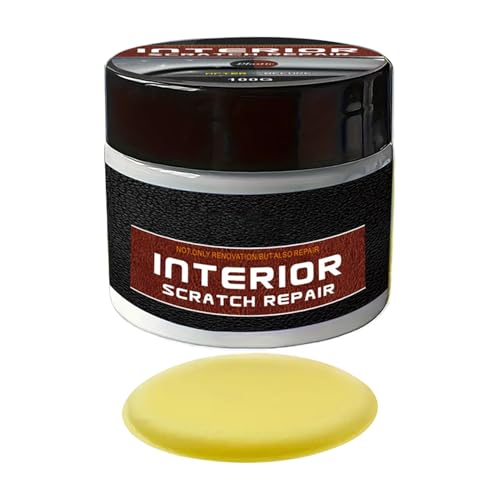
Which Are The Best Interior Plastic Scratch Repair Kits?
The best interior plastic scratch repair kits typically contain a combination of fine-grit sandpaper, polishing compounds, a small buffing pad, and sometimes a plastic filler, specifically formulated to blend and remove surface and deeper scratches on car plastics. Leading brands like Meguiar’s and Chemical Guys offer kits that cater to different levels of damage, from light scuffs to more significant marks. The effectiveness of these DIY car interior scratch repair kits often comes down to the quality of their components and the clarity of their instructions.
| Feature/Aspect | Kit A (e.g., Meguiar’s) | Kit B (e.g., Chemical Guys) | Kit C (e.g., Mothers) |
|---|---|---|---|
| Best For | Light Scuffs & Swirls | Deep Scratches & Resurfacing | All-Around Plastic Repair |
| Materials | Glossy & Textured Plastic | Hard & Soft Plastic | Vinyl, Plastic, Trim |
| Key Components | Polishing Compound, Foam Pad, Microfiber | Filler, Sandpaper, Buffing Pad, Sealer | Scratch Remover, Polish, Applicator |
| User Review | Excellent for minor flaws, easy to use | Effective on deep marks, needs patience | Good for maintenance, hides light damage |
What Tools Are Needed for Advanced Interior Scratch Removal?
Advanced interior scratch removal requires tools beyond basic kits, including variable-temperature heat guns for precise plastic reshaping, a set of non-marring interior trim removal tools to prevent further damage, very fine-grit wet sandpaper (2000-3000 grit), plastic grain pads for texture replication, and professional-grade polishing machines or pads. These professional grade interior products allow for a higher level of precision and finish, especially when dealing with deep gouges or delicate trim pieces.
- Variable-Temperature Heat Gun: Offers precise control needed to soften plastic without melting it.
- Non-Marring Trim Tools: A set of plastic pry tools designed to remove interior panels without causing new scratches or breaking clips.
- Fine-Grit Wet Sandpaper: Grits from 2000 to 3000 are used for “color sanding” or final polishing steps to achieve a flawless, smooth surface.
- Plastic Grain Pads: Essential for re-texturing a smoothed repair on a textured plastic surface to make the fix invisible.
- Small Polishing Machine: A small orbital or rotary polisher can make quick work of buffing out scratches, providing more consistent results than hand polishing.
DIY vs. Professional: When Should You Repair Car Scratches Yourself?
Choosing between DIY and professional interior car scratch repair depends on the scratch’s depth, the affected material, your comfort with repair techniques, and your budget. Light scratches on common plastics are often manageable DIY projects, whereas deep gouges, damage to delicate materials like real wood trim, or extensive area damage usually warrant professional attention for optimal results. Weighing the pros and cons is essential before you begin.
| Factor/Aspect | DIY Repair | Professional Repair |
|---|---|---|
| Cost | Low (materials only) | Moderate to High (labor + materials) |
| Skill Required | Moderate to High | Expert |
| Time | Variable | Typically shorter on site |
| Risk | Moderate (potential for error) | Low (guaranteed results) |
| Ideal For | Light scuffs, minor plastic scratches | Deep gouges, complex materials, extensive damage |
When to DIY:
* You are dealing with light scratches or scuffs on hard plastic surfaces.
* You are patient, detail-oriented, and willing to follow instructions carefully.
* The cost of a professional repair is prohibitive for a minor issue.
When to Go Pro:
* The scratch is deep, wide, or on a highly visible area like the main dashboard.
* The damage is on a delicate or expensive material like real wood, carbon fiber, or high-end leather.
* You are not confident in your ability to perform the repair without causing more damage.
* You want a guaranteed, flawless result to preserve the vehicle’s resale value.
How Can You Prevent Future Car Interior Scratches?
To prevent future car interior scratches, consistently use protective measures like seat covers, trunk liners, and dashboard mats. Avoid placing sharp items (keys, bags, tools) directly on surfaces. Regularly clean and condition materials with appropriate products, and apply UV protectants to prevent material degradation from sun exposure. A proactive car interior care routine is the best defense against future damage. Following the best practices for car interior care will keep your cabin looking new for years.
- Use Protective Covers: Install high-quality seat covers, especially if you have pets or children. Use a trunk liner to protect plastic from shifting cargo.
- Be Mindful of Sharp Objects: Designate a spot for keys, tools, and other hard objects so they don’t slide around and scratch surfaces.
- Apply a Protective Coating: Use a quality interior detailer spray that contains UV blockers. For the ultimate defense, consider a professional-grade ceramic coating for interior plastics and leather, which creates a hard, sacrificial layer.
- Regular, Gentle Cleaning: Dust and dirt can be abrasive. Clean your interior regularly with soft microfiber towels and pH-neutral cleaners to remove contaminants before they can cause scratches.
- Install Door Sill Protectors: These plastic or metal guards protect one of the most frequently scuffed areas of a car’s interior.
FAQs About how to fix interior car scratches
What is the best product to fix interior car scratches?
The best product depends entirely on the material and scratch depth. For light plastic scratches, a polishing compound like Meguiar’s PlastX is excellent. For deep plastic gouges, a 3M Bondo plastic filler is often required. For leather, a color-matched repair balm from a brand like Fortivo or Coconix is highly effective. Always match the product to the specific repair scenario for the best results.
What causes scratches in car interior plastic?
Scratches in car interior plastic are primarily caused by friction from hard objects. Common culprits include keys, metal buckles on bags, pet claws, children’s toys, and even abrasive cleaning cloths. Over time, UV exposure from sunlight can also make plastic more brittle and prone to scratching. General wear from shoes scuffing against door panels and trim is another frequent cause.
How to use a heat gun for interior plastic scratch repair safely?
To use a heat gun safely, always start on the lowest heat setting and keep the nozzle moving constantly, about 3 to 5 inches from the surface. The goal is to gently soften the plastic, not melt it. Work in a well-ventilated area and consider wearing heat-resistant gloves. Never leave the heat gun pointed at one spot for more than a second or two to avoid warping or burning the plastic.
Can toothpaste remove scratches from car interior plastic?
While it’s a popular myth, using toothpaste to remove scratches is not recommended for car interior plastic. Toothpaste is a mild abrasive that can temporarily hide a very fine scratch on some surfaces, but it can also create a hazy or dull patch and introduce more micro-scratches. It is an uncontrolled abrasive and can easily do more harm than good, so it’s best to use products specifically designed for automotive plastic.
How much does it cost to professionally fix interior car scratches?
The cost to professionally fix interior car scratches can range from $100 to over $500. A simple repair on a single plastic panel might be on the lower end of that scale. However, repairing deep scratches on multiple panels, or restoring damage on high-end materials like leather or wood trim, will be significantly more expensive due to the increased labor, skill, and specialized products required.
Are DIY car interior scratch repair kits effective?
Yes, DIY car interior scratch repair kits can be very effective for light to moderate scratches on common materials like plastic and vinyl. Their success largely depends on the user’s patience and ability to follow instructions carefully. For deep gouges or damage on delicate surfaces, the results may be less than perfect, and a professional repair might be a better option for a flawless finish.
How long does car interior scratch repair take?
Repair time can vary from 15 minutes to several hours. Buffing out a light scuff with a polishing compound is a quick job. However, repairing a deep scratch that requires filler, sanding, curing time, and re-texturing can easily take a few hours, with much of that time spent waiting for products to dry or cure properly before moving to the next step.
What are the common mistakes when fixing car interior scratches?
The most common mistakes are using the wrong product for the material, being too aggressive with sanding or polishing, and overheating plastic with a heat gun. Other frequent errors include failing to properly clean the surface before starting, which leads to a weak repair, and not testing products on an inconspicuous area first, which can result in visible damage.
How to re-texture plastic after scratch removal?
To re-texture plastic, you first repair and smooth the scratch. Then, gently warm the area with a heat gun on low until it’s pliable. Immediately press a silicone grain pad that matches the original pattern onto the softened plastic for a few seconds. This imprints the texture onto the repaired area, making the fix virtually invisible once it cools and hardens.
What protective coatings are available for car interiors?
Several protective coatings are available, ranging from consumer-friendly sprays to professional-grade ceramic coatings. UV protectant dressings (like 303 Aerospace Protectant) are great for preventing sun damage. For more robust protection, ceramic coatings designed specifically for interior plastic, vinyl, and leather create a hard, durable barrier that resists scratches, stains, and UV rays, making the interior easier to clean and maintain.
Key Takeaways: How to Fix Interior Car Scratches Summary
- Preparation is Paramount: Thorough cleaning and accurate assessment of scratch depth and material type (plastic, leather, trim) are crucial first steps for any successful interior car scratch repair.
- Material-Specific Methods are Essential: Repair techniques vary significantly by material; plastic may require polishing, filling, or heat retexturing, while leather needs balms and dyes, and trim often benefits from specialized polishes.
- Choose the Right Tools & Products: Selecting appropriate scratch repair kits, compounds, heat guns, and microfiber towels is vital for effective repairs, with top-rated products available for various needs.
- DIY vs. Professional Depends on Severity: Light to medium scratches on common plastics are often manageable DIY projects, but deep gouges, delicate materials, or extensive damage usually warrant professional intervention for optimal results.
- Safety First with Heat Guns: When using heat guns for plastic repair, always maintain low settings and constant motion to avoid melting or warping materials, ensuring safety and precision.
- Prevention is Key to Long-Term Aesthetics: Proactive measures like using protective coatings, maintaining careful habits with interior items, and regular, gentle cleaning are crucial to minimize future scratch formation.
- Patience and Precision Yield Best Results: Successful scratch repair, especially for deeper marks or textured surfaces, demands patience, attention to detail, and a methodical approach to achieve a seamless, lasting finish.
Final Thoughts on How to Fix Interior Car Scratches
Fixing unsightly scratches in your car’s interior is an achievable goal that can dramatically improve your vehicle’s appearance and preserve its value. By understanding that the core of a successful automotive interior surface repair lies in a methodical approach—careful preparation, accurate diagnosis, and the use of material-specific techniques—you are already ahead of the game. Whether you’re buffing out a minor scuff on a door panel or tackling a deeper gouge on your dashboard, patience and the right tools are your greatest assets.
This guide has equipped you with the proven methods used by professionals, from polishing light marks to re-texturing deep plastic repairs. You now have the knowledge to decide confidently between a DIY fix and calling in an expert. Remember, every repair you perform builds your skill, and preventing future damage through proactive care is the ultimate mark of a savvy car owner. What has been your experience with interior blemishes? Which approach will you try first?
Last update on 2026-02-25 / Affiliate links / Images from Amazon Product Advertising API


![Pennsylvania Car Dealer License Official Complete Guide [year]](https://i0.wp.com/carxplorer.com/wp-content/uploads/2026/02/Pennsylvania-Car-Dealer-License-Official-Complete-Guide-year-2.jpg?resize=60%2C60&ssl=1 "Pennsylvania Car Dealer License Official Complete Guide [year] 4")


