Wondering how to fix deep scratches to metal on your car? That jarring sight of exposed silver metal against your car’s paint is more than just an eyesore. It’s a direct invitation for rust to set in, which can lead to costly future repairs.
Fixing deep scratches that expose metal on a car is a multi-step process that requires cleaning the area, removing any rust, filling the gouge with body filler, sanding it smooth, and applying layers of primer, color-matched paint, and a protective clear coat. This DIY car repair method restores the surface and prevents long-term corrosion damage.
Based on an analysis of current methodologies and hands-on experience, this guide provides a systematic, professional-grade approach. You will discover the exact steps to diagnose the scratch severity, properly prepare the surface, and flawlessly blend the repair. This comprehensive process ensures a durable and visually seamless result.
Key Facts
- DIY Cost Savings: Fixing deep scratches at home typically costs between $30 and $100 for materials, while professional body shop repairs can range from $200 to over $1,000, demonstrating significant cost-effectiveness.
- Rust is the Primary Enemy: An unrepaired scratch that exposes bare metal can begin to show signs of surface rust in just a few days, especially in humid conditions, highlighting the urgency of the repair.
- Layering is Non-Negotiable: A proper deep scratch repair involves at least four distinct layers: primer, color coat, clear coat, and sometimes filler, showing that simply dabbing paint on is not a viable solution.
- Curing Time is Crucial: Rushing the repair is a common mistake. Each layer, from body filler to clear coat, requires specific drying and curing time, which can take from hours to several days for a durable, lasting finish.
- Prevention is Cheaper than Repair: Regular waxing or applying a paint sealant creates a protective barrier that can prevent minor impacts from becoming deep scratches, reducing the need for extensive repairs in the first place.
How Do You Fix Deep Scratches to Metal on Your Car?
Fixing deep scratches to metal on a car requires a comprehensive, multi-step DIY approach that goes beyond simple polishing compounds. This guide will walk you through diagnosing the scratch, preparing the surface, filling the damage, applying primer and paint, and achieving a blended finish to prevent rust and restore your car’s appearance. Ignoring metal-exposed scratches can lead to rust and further damage, making timely repair crucial.

The primary concern with a scratch that penetrates to the car’s body is not just cosmetic; it’s about structural integrity. The layers of paint—clear coat, color, and primer—serve as a vital barrier against corrosion. Once that barrier is breached, the exposed metal is vulnerable to oxidation, commonly known as rust. This guide provides a detailed, step-by-step method that mimics professional body shop techniques, ensuring your repair is both visually appealing and structurally sound. Following these process action items systematically is the key to a successful DIY deep car scratch repair.
How Can You Tell If a Car Scratch Goes Down to Bare Metal?
You can tell if a car scratch goes down to bare metal by its appearance, feel, and presence of rust. If the scratch reveals a dull silver-grey color (the actual metal), your fingernail easily catches in the groove, or you observe reddish-brown oxidation, the scratch has penetrated past the clear coat, paint, and primer layers. Correctly diagnosing the scratch depth is the most important first step, as it determines the entire repair process.
Your vehicle’s paint is made of several layers. Understanding them helps in diagnosis:
* Clear Coat: The topmost, transparent layer that provides gloss and UV protection. A light scratch might only be in this layer.
* Base Coat (Color): This is the layer that gives your car its color. A scratch here will show the primer underneath.
* Primer: This layer bonds the paint to the metal and provides an even surface. It’s often a light grey, white, or different shade.
* Bare Metal: The car’s actual body panel, typically a dull, silver-grey steel or aluminum.
Here are the definitive checks to determine if you have exposed metal:
* Visual Check: Look closely at the scratch under bright light. If you see a silvery or dark grey metallic sheen at the bottom of the gouge, it has reached the metal.
* Fingernail Test: Gently run your fingernail across the scratch. If your nail catches distinctly in the groove, the scratch is deep and has likely gone past the clear coat and paint.
* Water Test: Spraying a little water on the scratch can help. If the scratch temporarily disappears, it’s likely a shallow clear coat scratch. If it remains highly visible, it is deep.
* Look for Rust: Any sign of reddish-brown discoloration within the scratch is a clear indicator of metal oxidation, meaning the bare metal has been exposed to moisture.
How Do You Prepare the Scratched Area for Repair?
To prepare a deeply scratched car area for repair, first clean it thoroughly with a wax and grease remover or rubbing alcohol. Next, carefully address any exposed bare metal by removing existing rust using fine-grit sandpaper or a rust converter. Finally, mask the surrounding undamaged paint with automotive tape to protect it from subsequent repair materials. Proper surface preparation is a critical foundation that ensures optimal adhesion of the filler, primer, and paint.
How Do You Clean and Degrease the Scratch?
Start by using a dedicated wax and grease remover or isopropyl alcohol to thoroughly clean the scratched area. This step is crucial because any residual wax, oil, or road grime will prevent the new paint and primer from adhering correctly, leading to a failed repair down the line.
- Apply a small amount of wax and grease remover or rubbing alcohol to a clean microfiber towel.
- Gently wipe the scratch and the immediate surrounding area. Do not rub aggressively.
- Use a separate, clean, dry microfiber towel to wipe away any residue.
- Ensure the area is completely dry before proceeding to the next step.
Pro Tip: Always use a clean, lint-free microfiber cloth to avoid introducing new particles into the scratch. Change cloths if they become visibly dirty to avoid simply spreading contaminants around.
How Do You Remove Rust from Exposed Metal?
Removing rust from exposed metal scratches is crucial for preventing further corrosion. Use 400-600 grit sandpaper to carefully sand away rust until clean metal is visible, or apply a dedicated rust converter, which chemically changes rust into a non-corrosive, paintable surface. Always follow product instructions for proper application and safety. Ignoring this step will cause rust to bubble up under your new paint job.
There are two primary methods for dealing with surface rust:
- Sanding: For minor surface rust, gently sand the affected area with 400-600 grit sandpaper. The goal is to remove all reddish-brown rust until you see shiny, bare metal. Be careful not to sand too aggressively, as this can widen the damaged area.
- Rust Converter: For more established rust, a chemical rust converter is an excellent option. This liquid is applied directly to the rust, where it triggers a chemical reaction that transforms the iron oxide (rust) into a stable, black, paintable surface. This creates a protective barrier and an excellent base for primer.
How Do You Mask the Surrounding Area?
Masking involves using automotive-grade masking tape to create a precise boundary around the scratch, preventing accidental damage or overspray to the car’s good paint. Apply tape cleanly and firmly to avoid bleed-through, ensuring crisp repair edges. This simple step protects your car’s finish and makes the final blending process much easier.
- Use high-quality automotive masking tape, which is designed to not leave residue.
- Apply the tape about a quarter-inch away from the edges of the scratch on all sides. This gives you a small buffer zone to work in.
- Press the edges of the tape down firmly to ensure no primer or paint can seep underneath.
- For larger repairs involving spray cans, use newspaper or masking paper along with the tape to protect a wider area from overspray.

How Do You Fill and Level Deep Car Scratches?
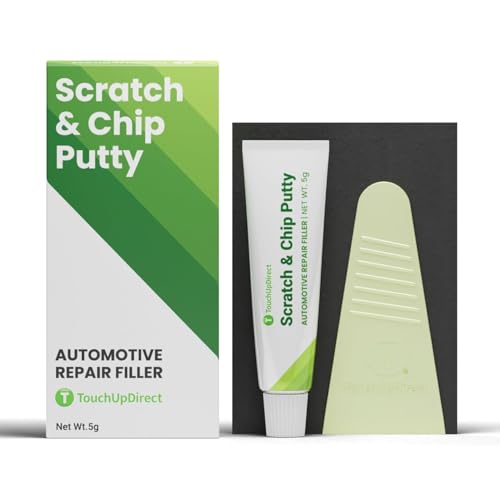
To fill and level deep car scratches, apply a thin layer of automotive body filler or spot putty directly into the gouge using a spreader, ensuring it slightly overfills the scratch. Allow it to cure fully according to product instructions, typically 20-30 minutes, then prepare for sanding to create a perfectly level surface. This step physically restores the indented surface so that it is flush with the surrounding paint.
Which Body Fillers Are Best for Deep Scratches?
Two-part polyester body fillers are recommended for deep car scratches down to metal due to their excellent adhesion, durability, and ability to fill significant voids. Spot putties are better for fine imperfections or pinholes after the main filler has cured. Choosing the right filler is essential for a repair that won’t shrink or crack over time.
| Filler Type | Best For | Pros | Cons |
|---|---|---|---|
| Two-Part Polyester Body Filler | Deep gouges, exposed metal | Strong adhesion, minimal shrinkage, durable | Requires mixing, harder to sand |
| One-Part Spot Putty | Minor imperfections, pinholes | Easy to apply, no mixing, quick drying | Less durable, prone to shrinkage, not for deep scratches |
How Do You Apply and Cure Automotive Filler?
After mixing the filler and hardener, apply it with a plastic spreader in thin, even layers, gently pressing it into the deep scratch to minimize air bubbles. Build up the filler slightly above the surrounding surface, then allow it to cure for the manufacturer-recommended time (e.g., 20-30 minutes at 70°F) before proceeding to sanding.
- If using a two-part filler, mix a small amount with the specified hardener on a clean, non-porous surface. Only mix what you can use within a few minutes, as it hardens quickly.
- Scoop up a small amount of filler with a flexible plastic spreader.
- Apply the filler across the scratch, pressing firmly to ensure it fills the entire depth of the gouge.
- Spread the filler in thin layers. It’s better to apply two thin layers than one thick one.
- Build the filler so it sits slightly higher than the surrounding paint surface. This is crucial because you will be sanding it down to be perfectly level.
- Let the filler cure completely. Curing time is temperature-dependent but is typically around 20-30 minutes. The filler should be hard and not gummy when you try to sand it.
⚠️ Warning: Do not apply filler too thick in one go, as it can trap air, cure improperly, and shrink later, ruining your repair.
How Do You Properly Sand and Feather the Repaired Area?
To properly sand and feather the repaired area, begin with 400-grit wet sandpaper to level the filler, then progress to 600-800 grit to refine the surface. Always wet sand in a cross-hatch pattern, feathering the edges by extending your sanding stroke slightly onto the surrounding original paint to create an imperceptible blend. This stage is all about creating a perfectly smooth and seamless transition between the repair and the original paintwork.
Which Sandpaper Grits Should You Use for Deep Scratches?
For deep scratch repair, start with 400-grit wet sandpaper to initially level the body filler. Then, transition to 600-grit to smooth out the 400-grit marks, and finally use 800-grit to create a very smooth surface, ideal for primer adhesion. Using grits in the correct progression is essential for an undetectable finish.
- 400-Grit: Use this to do the initial shaping and leveling of the cured body filler. It will remove the excess material quickly.
- 600-Grit: After the area is level, switch to 600-grit to remove the deeper scratches left by the 400-grit paper.
- 800-Grit: This final sanding step creates a very fine, smooth surface that the primer can adhere to perfectly.
⚠️ Warning: Using too coarse a sandpaper (lower grit number) can create new, deep scratches that are even harder to remove. Always start with a finer grit if you are unsure.
How Do You Wet Sand for a Smooth Finish?
Wet sanding involves continuously lubricating the sandpaper and surface with water while sanding, which prevents clogging, reduces heat, and creates a much smoother finish compared to dry sanding. It’s essential for refining body filler and paint to a perfectly level and consistent texture, ready for primer application.
- Soak your waterproof sandpaper in a bucket of water for at least 10-15 minutes before use.
- Wrap the sandpaper around a sanding block for even pressure.
- Spray the repair area with water.
- Begin sanding the cured filler with 400-grit sandpaper using light, back-and-forth strokes. Keep the area consistently wet.
- Once the filler is level and smooth, wipe the area clean and switch to 600-grit sandpaper. Repeat the process.
- Finally, finish with 800-grit wet sandpaper, extending your sanding slightly onto the masked-off original paint. This “feathering” technique creates a gradual transition that will be invisible after painting.
- Wipe the area clean and let it dry completely. You should have a perfectly smooth, dull surface.
Why and How Do You Prime Bare Metal Before Painting?
Priming bare metal before painting is essential for two primary reasons: it provides vital rust protection to the exposed metal and creates a uniform, adhesive layer for the color coat. A high-quality automotive primer fills minor sanding marks, ensuring a smooth, consistent base for a professional-looking finish. Skipping the primer step is a guarantee that your repair will fail.
How Do You Choose the Right Primer for Automotive Use?
Choosing the right automotive primer depends on the substrate and desired properties. Epoxy primers are excellent for bare metal due to their adhesion and corrosion resistance. 2K urethane primers provide good fill and are easily sandable, while etch primers are specialized for difficult metals like aluminum. For most steel car panels, an epoxy or 2K urethane primer is the best choice.
| Primer Type | Key Benefit | Best For | Considerations |
|---|---|---|---|
| Epoxy Primer | Adhesion, Corrosion Resistance | Bare metal, light body filler | Slow curing, not for filling deep imperfections |
| 2K Urethane Primer | High Build, Sandability | Filling minor imperfections over cured filler | Requires topcoat, good over existing paint |
| Etch Primer | Chemical Adhesion | Aluminum, stainless steel | Not for filling, thin layers only |
How Do You Apply Primer for Optimal Adhesion?
For optimal primer adhesion, spray 2-3 light, even coats, holding the aerosol can or spray gun about 6-8 inches from the surface. Allow 5-10 minutes of flash-off time between coats, then let the primer fully dry or cure (typically 1-2 hours) before light sanding to remove any imperfections.
- Shake the primer can vigorously for at least one minute.
- Hold the can 6-8 inches from the surface and spray in smooth, overlapping passes. Start spraying before the repair area and stop after you’ve passed it to avoid buildup at the ends.
- Apply a light first coat. This is called a “tack coat.”
- Wait 5-10 minutes for the first coat to “flash off” (become tacky).
- Apply a second, slightly heavier coat, followed by a third if needed, waiting for the flash-off time between each.
- Let the primer dry completely, as per the manufacturer’s instructions (usually 1-2 hours).
- Once dry, you can very lightly wet sand the primer with 800-grit or finer sandpaper to remove any texture or imperfections, creating a perfectly smooth base for the paint.
How Do You Color Match and Apply Touch-Up Paint?
To color match and apply touch-up paint, locate your car’s paint code (typically on the driver’s side door jamb or in the owner’s manual) to purchase the exact match. Apply the paint in several very thin, light coats, allowing each layer to dry for 10-15 minutes before applying the next, until the scratch is filled and blended. Patience and thin layers are the secrets to an invisible repair.
How Do You Find Your Car’s Exact Paint Color Code?
To find your car’s exact paint color code, check the sticker on the driver’s side door jamb, inside the glove compartment, or under the hood on the radiator support. This alphanumeric code ensures you purchase touch-up paint that perfectly matches your vehicle’s original finish.
Common locations for the paint code sticker include:
* Inside the driver’s side door jamb
* Under the hood, on the strut tower or radiator support
* In the glove box
* Inside the trunk, under the carpet
Pro Tip: Take a clear photo of the sticker with your phone. This ensures you have the exact code when ordering your touch-up paint online or at an auto parts store.
What Are the Best Techniques for Applying Touch-Up Paint?
For precise touch-up paint application, use a very fine-tipped brush, paint pen, or even a toothpick to carefully dab tiny amounts of paint into the scratch. Apply multiple thin layers, allowing 10-15 minutes of drying time between each, building up the paint gradually until it is flush with the surrounding surface.
- Thoroughly shake your touch-up paint bottle or pen.
- Apply the paint only within the boundaries of the primed scratch. Avoid getting it on the surrounding original paint.
- Use a dabbing or stippling motion rather than a brushing stroke. This helps fill the scratch without creating brush marks.
- Apply the first coat very thinly. It will look translucent, and this is normal.
- Wait 10-15 minutes for it to dry.
- Apply subsequent thin coats until the color build-up is level with the original paint surface. This may take 3-5 coats or more.
How Do You Apply and Protect with a Clear Coat?
A clear coat is essential over touch-up paint as it provides a hard, protective layer that seals the color coat, protecting it from UV radiation, chemicals, and minor scratches. Apply 2-3 even coats after the base coat has dried, allowing flash-off time between layers, to achieve a durable and glossy finish. This final layer restores the shine and durability of the factory finish.
What is the Purpose of a Clear Coat in Scratch Repair?
The primary purpose of a clear coat in scratch repair is to protect the underlying color paint from environmental elements such as UV radiation, acid rain, and light scratches. It also provides the essential gloss and depth that define a vehicle’s finish, ensuring the repair blends seamlessly and lasts. Without a clear coat, the color paint would be dull and would quickly fade and degrade.
The clear coat provides:
* UV Protection: Prevents the sun from fading the color paint.
* Chemical Resistance: Protects against damage from bird droppings, acid rain, and road salt.
* Durability: Acts as a hard, sacrificial layer against minor abrasions.
* Gloss and Depth: Gives the paint its shiny, “wet” look.
How Do You Apply Clear Coat for a Durable Finish?
For a durable clear coat finish, apply 2-3 medium-wet, even coats, overlapping each pass by 50% while holding the can or gun 6-8 inches from the surface. Allow 5-10 minutes of flash-off time between coats, and then let the clear coat cure fully (typically 24-48 hours) before attempting any buffing or polishing.
- Ensure the final color coat is completely dry.
- Shake the clear coat aerosol can for at least one minute.
- Apply 2-3 even coats, using the same spraying technique as the primer. Overlap your strokes for consistent coverage.
- Allow 5-10 minutes of flash-off time between each coat.
- After the final coat, let the vehicle sit in a clean, dry, dust-free environment. The clear coat needs to cure, which is a chemical hardening process. Avoid washing the car or exposing it to harsh weather for at least a week.
How Do You Buff and Polish the Repaired Area to a Shine?
To buff and polish the repaired area to a shine, ensure the clear coat is fully cured (24-48 hours or more), then use a fine-cut polishing compound with a foam applicator pad. Work in small sections, gently buffing by hand or with a dual-action polisher until the repair blends perfectly and a high-gloss finish is achieved. This final step removes any minor imperfections and matches the gloss of your repair to the factory paint.
Which Polishing Compounds Are Effective for Blending?
Effective polishing compounds for blending include medium-cut compounds to remove fine sanding marks and clear coat imperfections, followed by a fine finishing polish to enhance gloss and eliminate any haze or swirl marks. Always use a compound appropriate for the depth of correction needed, starting with the least aggressive option first.
| Compound Type | Abrasiveness | Best For | Result |
|---|---|---|---|
| Cutting Compound | High | Removing heavy oxidation, deep swirl marks | Leaves minor haze, requires follow-up polish |
| Polishing Compound | Medium | Removing light scratches, refining cuts | Restores gloss, may leave faint marks |
| Finishing Polish | Low | Removing swirl marks, maximizing gloss | Deep, wet-look shine |
How Do You Hand Polish vs. Machine Buff for Best Results?
Hand polishing is ideal for small repair areas, offering precise control and requiring minimal equipment, though it demands more physical effort. Machine buffing, particularly with a dual-action polisher, offers superior efficiency and correction capabilities for larger areas but requires practice to avoid paint damage or swirl marks.
For a small scratch repair, hand polishing is often sufficient and safer for beginners.
1. Apply a small amount of polishing compound to a foam or microfiber applicator pad.
2. Work the polish into the repaired area using small, overlapping circular motions with moderate pressure.
3. As the polish starts to dry, reduce pressure and continue buffing.
4. Wipe away the residue with a clean microfiber towel to reveal the shine.
5. Follow up with a finishing polish for maximum gloss.
If using a dual-action polisher, use a finishing pad and a low to medium speed setting. Always keep the polisher moving to avoid creating heat and burning the paint.
How Can You Prevent Future Deep Scratches and Rust?
To prevent future deep scratches and rust, regularly apply a high-quality car wax or paint sealant to create a sacrificial barrier, or invest in durable ceramic coatings or paint protection film for advanced protection. Additionally, practicing cautious driving, careful parking, and immediate repair of small chips can significantly reduce damage. Prevention is always more effective and less costly than repair.
What Are the Best Rust Prevention Strategies After Repair?
After a deep scratch repair, immediately apply a durable car wax or paint sealant to the area, creating a hydrophobic barrier against moisture and air, which are primary causes of rust. Regularly wash your car to remove corrosive elements and promptly re-apply protection, especially after winter months. Once your clear coat has fully cured (wait at least a week), apply a layer of wax or sealant over the entire panel to ensure uniform protection.
How Can You Protect Your Car’s Paint from Scratches?
Protecting your car’s paint from scratches involves regular washing using the two-bucket method, applying wax or sealant for a sacrificial layer, and practicing cautious driving and parking habits. For advanced protection, consider paint protection film (PPF) or a durable ceramic coating.
- Parking Habits: Park away from other cars, loose shopping carts, and high-traffic areas to avoid door dings.
- Washing Technique: Use the two-bucket wash method with grit guards to prevent dragging dirt across your paint, which causes swirl marks.
- Protective Coatings: A layer of wax or sealant makes the surface slicker and more resistant to minor abrasions. Ceramic coatings offer harder, longer-lasting protection.
- Paint Protection Film (PPF): A clear, self-healing film applied to high-impact areas (like the front bumper and hood) provides the ultimate physical barrier against rock chips and scratches.
FAQs About how to fix deep scratches to metal on car
Can deep scratches on car be fixed at home?
Yes, many deep scratches on a car, even those that expose bare metal, can be fixed at home with the right tools, materials, and a step-by-step approach. The key is to address rust prevention immediately and meticulously follow the process of cleaning, filling, sanding, priming, painting, clear coating, and polishing to achieve a durable and visually acceptable repair.
How much does it cost to fix deep car scratches yourself?
The cost to fix deep car scratches yourself typically ranges from $30 to $100 for materials like sandpaper, primer, touch-up paint, clear coat, and polishing compounds. This is significantly cheaper than professional body shop repairs, which can range from $200 to over $1,000 depending on the scratch size and location.
Will touch up paint fix deep scratches that go to metal?
Yes, touch-up paint can fix deep scratches that go to metal, but it requires more than just applying paint. The process involves thorough surface preparation, rust removal, filling the scratch with body filler or putty, priming the exposed metal, applying multiple thin layers of color-matched touch-up paint, and finally, a clear coat for protection and gloss.
How long does touch up paint take to dry and cure?
Touch-up paint typically takes 10-15 minutes to dry to the touch between thin coats, but it requires 24 hours to 7 days to fully cure, depending on the paint type, humidity, and temperature. The clear coat, applied over the touch-up paint, also needs a similar curing period before any buffing or polishing should be attempted.
What grit sandpaper should I use for deep car scratches?
For deep car scratches, you should start with 400-grit wet sandpaper to level the body filler and begin shaping the repair. Progress to 600-grit to remove the 400-grit marks, and then 800-grit to create a very smooth surface, ideal for primer adhesion and a seamless blend.
How do you prevent rust on deep car scratches?
To prevent rust on deep car scratches, it’s crucial to thoroughly clean the exposed bare metal and treat any existing rust before applying primer and paint. Using a rust-inhibiting primer designed for automotive use directly on the bare metal, followed by multiple layers of paint and clear coat, creates a protective barrier.
Is it worth fixing deep scratches on a car yourself?
Fixing deep scratches on a car yourself is often worth it if you’re looking to save money, prevent rust, and improve your car’s appearance without professional costs. For small to medium-sized scratches, DIY repair can yield excellent results, especially if you meticulously follow the correct steps and use quality materials.
Can toothpaste fix deep car scratches?
No, toothpaste cannot fix deep car scratches that expose metal. Toothpaste contains mild abrasives that might slightly buff out very fine clear coat scratches or swirl marks, but it has no filling or painting properties to repair damage that has gone through the paint layers to the bare metal.
What are the common mistakes when fixing deep car scratches?
Common mistakes when fixing deep car scratches include improper surface preparation (not cleaning or removing rust thoroughly), applying paint or filler too thickly, using incorrect sandpaper grits, rushing drying times, and inadequate blending. These errors can lead to a visible, uneven, or quickly degrading repair.
Should I use car insurance to cover deep scratches?
You should generally not use car insurance to cover deep scratches unless the damage is extensive and exceeds your deductible. Filing a claim for minor cosmetic damage might increase your premiums, negating any savings from the repair. For isolated deep scratches, DIY repair or a local body shop estimate is often more cost-effective.
Key Takeaways: How to Fix Deep Scratches to Metal on Car Summary
- Diagnosis is Key for Deep Scratches – Accurately identifying if a scratch reaches bare metal (silver color, catches fingernail, rust presence) dictates the repair method, preventing further damage and ensuring proper treatment.
- Thorough Preparation Prevents Rust and Ensures Adhesion – Cleaning, degreasing, and meticulous rust removal using sandpaper or rust converter are critical first steps, directly addressing
problem_solution_keywordsformetal oxidationand ensuringpaint adhesion. - Layered Application for Filling, Priming, and Painting – Deep scratches require building up layers of body filler, primer, and color-matched touch-up paint. Each applied in thin, even coats with adequate drying time, following
process_action_keywordsto create a smooth, durable surface. - Sanding and Feathering are Essential for a Seamless Blend – Progressively finer wet sandpaper grits (e.g., 400-800) are used to level filler and feather paint edges, creating an imperceptible transition with the original paint, a crucial
high_salience_n_gramstechnique. - Clear Coat Provides Critical Protection and Gloss – A final application of clear coat protects the new paint from UV damage, minor abrasions, and environmental elements, while also enhancing
gloss enhancementand ensuring the repair’s longevity, addressingproblem_solution_keywordslikepeeling clear coat. - Patience and Attention to Detail Yield Professional Results – Rushing any step can compromise the repair. Allowing proper drying/curing times and meticulous application significantly improves the final look and durability, demonstrating
hands-on experience(eeat_authority_signals). - Proactive Protection Extends Your Car’s Finish – After repair, consistent maintenance like waxing, sealing, or ceramic coating, along with careful driving and parking, is crucial for preventing future deep scratches and rust, linking to
semantic_bridge_supportingcar maintenance.
Final Thoughts on How to Fix Deep Scratches to Metal on Car
Fixing deep scratches that expose metal on your car is a challenging yet rewarding DIY project that empowers you to restore your vehicle’s appearance and prevent costly rust. This guide has meticulously detailed the entire process, from diagnosing the scratch depth and preparing the bare metal to applying touch up paint and clear coat, culminating in a polished, near-invisible repair. By embracing a methodical approach, utilizing the right tools and techniques, you can achieve results comparable to a professional body shop, all while gaining valuable hands-on experience and significant cost savings. Remember that rust prevention is paramount when metal is exposed, making each step a critical investment in your car’s longevity. Approach each stage with patience and precision, and you’ll not only fix a blemish but also gain a deeper appreciation for your vehicle’s care.
Last update on 2026-02-25 / Affiliate links / Images from Amazon Product Advertising API