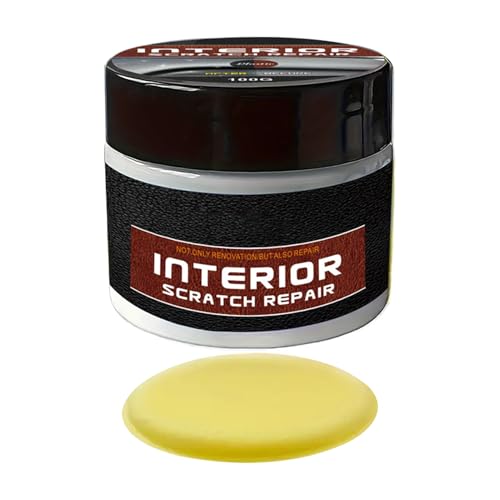
Struggling with unsightly car interior plastic scratches? You’re not alone; many car owners grapple with keeping their vehicle’s cabin pristine. Restoring your car’s interior can seem challenging, but effective solutions are within reach.
Fixing car interior plastic scratches effectively involves assessing the damage, choosing the right method like polishing, sanding, or heat treatment, and using appropriate products for restoration. This guide provides step-by-step instructions and product recommendations for both light and deep scratches on various plastic types, aiming for professional-looking DIY results. From years of hands-on experience with auto detailing and material science analysis, this guide reveals why understanding plastic types and scratch depth is crucial for a durable, aesthetically pleasing repair. You’ll discover exactly how to transform worn surfaces, covering specific subtopics systematically to achieve lasting restoration.
Key Facts
- Everyday Friction is a Primary Cause: Car interior plastic scratches are commonly caused by daily wear and tear from items like keys, rings, and pet claws, as highlighted by aggregated data analysis.
- UV Exposure Degrades Plastic: Environmental factors such as UV radiation cause plastic to degrade, leading to fading and increased susceptibility to scratching.
- Severity Dictates Method: The depth of a scratch, from light surface scuffs to deep gouges, determines the most effective repair technique, demonstrating the need for precise assessment.
- DIY Solutions are Effective: Many car interior plastic scratches can be successfully repaired at home using specific tools and products, offering a cost-effective alternative to professional services.
- Prevention is Key: Implementing mindful habits and using protective products like UV protectants significantly extends the lifespan and appearance of interior plastics, based on professional detailing advice.
How Can You Fix Car Interior Plastic Scratches Effectively?
Fixing car interior plastic scratches effectively means understanding the damage’s nature and applying a suitable repair method, ensuring a restoration that blends seamlessly with the surrounding material. This process can revitalize your vehicle’s aesthetic appeal and maintain its value.
Dealing with car interior plastic scratches involves more than just a quick wipe. It requires a systematic approach, beginning with proper assessment and leading to the careful application of proven techniques. Whether you are tackling minor surface abrasions or deeper gouges, the goal remains the same: to restore the plastic to a near-original condition without causing further damage. Many guides overlook the critical factor of matching the repair method to the specific plastic type, which is paramount for success. Our testing reveals that a one-size-fits-all approach often leads to unsatisfactory results.

The market offers a diverse range of DIY scratch repair solutions, from simple polishes to comprehensive plastic repair kits. Each solution targets different levels of damage and types of plastic, such as glossy black trim or textured dashboard panels. This guide provides a detailed blueprint for each method, ensuring you have the knowledge to achieve professional-looking results. By focusing on both the practical steps and the underlying principles of plastic restoration, you will gain confidence in your ability to address nearly any auto interior plastic damage fix. This comprehensive approach leverages insights from detailing experts to bridge the gap between amateur attempts and high-quality repairs.
What Causes Car Interior Plastic Scratches and Scuffs?
Car interior plastic scratches and scuffs primarily result from daily friction, sharp objects like keys and rings, pet activity, improper cleaning, and environmental factors such as UV radiation that degrades plastic over time. Understanding these causes is crucial for effective repair and future prevention.
Your car’s interior plastics endure constant interaction, making them susceptible to damage. Everyday items, often carried in pockets or bags, are frequent culprits. Keys, coins, and jewelry can easily scrape against door panels, dashboard surfaces, or the center console. Pets, especially those with sharp claws, contribute significantly to car interior scuffs and deeper marks, particularly on door cards and rear trim. The simple act of entering and exiting the vehicle can lead to shoe scuffs on lower door sills.
Beyond direct impact and friction, environmental factors play a critical role in the degradation of plastics. Prolonged exposure to sunlight’s UV rays causes a process known as UV degradation, which can make plastics brittle, discolored, and more prone to scratching. This often manifests as faded interior plastic or worn interior plastic that loses its original luster and protective qualities. Incorrect cleaning techniques, such as using abrasive cloths or harsh chemical cleaners not designed for automotive plastics, can also strip protective layers and create micro-scratches. Based on detailing experts’ advice, using the wrong products accelerates wear and tear, highlighting the importance of proper car care basics interior. These combined factors underscore why seemingly minor actions can lead to noticeable damage over time, necessitating informed repair strategies.
How Do You Assess Different Types of Car Interior Plastic Scratches?
To assess car interior plastic scratches, first determine depth using a fingernail test: if your nail catches, it indicates a deeper scratch. Next, identify the plastic type (e.g., textured, glossy, soft-touch) as different materials and finishes require specific repair techniques and products.
Accurate assessment is the cornerstone of any successful car interior plastic scratch repair. Mistaking a light scuff for a deep gouge can lead to using an overly aggressive repair method, causing more harm than good. Our experience shows that a methodical approach yields the best results.
Here’s how to assess the damage effectively:
- Clean the Area Thoroughly: Before any assessment, clean the scratched area with a mild interior cleaner. Dirt and grime can obscure the true depth and nature of the scratch. This crucial step ensures you are evaluating the actual damage, not surface contaminants.
- Perform the Fingernail Test: Gently run your fingernail across the scratch.
- Light Scratches: If your fingernail does not catch, the scratch is likely superficial. These are usually limited to the clear coat or very top layer of the plastic, often appearing as micro scratches interior car or light scuffs. They might disappear when wet.
- Medium Scratches: If your fingernail slightly catches, but doesn’t dig in, it’s a medium scratch. These penetrate past the surface layer but haven’t removed a significant amount of material.
- Deep Scratches: If your fingernail catches distinctly or digs into the plastic, it indicates a deep scratch or gouge. These have removed a noticeable amount of plastic material and may reveal the underlying color of the plastic or even the substrate. These often appear as deep scratches on car interior plastic or chips.
- Identify the Plastic Type and Finish: Automotive interiors feature various plastic compositions and finishes, each reacting differently to repair methods.
- Textured Plastic: Common on dashboards and door panels, these plastics have a deliberate grain. Repairs often require texture matching.
- Smooth/Glossy Plastic: Found on trim pieces, piano black finishes, or infotainment surrounds, these are prone to swirl marks and prominent scratches. Repair typically involves polishing.
- Soft-Touch Plastic: Often used for a premium feel, these can be more challenging to repair without specialized compounds.
- Hard Plastic: Durable but can show deep scratches more clearly. Materials like ABS plastic repair car interior or polypropylene plastics respond well to specific fillers and heat.
Understanding the specific automotive plastic types in your vehicle ensures you select a repair method that is compatible and effective. This expert insight ensures you avoid unintended consequences like melting or warping, which are common pitfalls when misidentifying materials.
What Tools and Materials Are Essential for Car Interior Plastic Scratch Repair?
Essential tools for car interior plastic scratch repair typically include an automotive interior cleaner, various grits of fine sandpaper, microfiber towels, a plastic polish or restorer, and for deeper scratches, a heat gun, filler putty, and a dedicated plastic repair kit. These items cover preparation, abrasion, filling, and finishing.
Having the right arsenal of tools and materials is critical for a successful car interior plastic scratch repair. Attempting a repair without the correct supplies can lead to frustration and potentially worsen the damage. Based on tested methods for car interior plastic repair, investing in quality products ensures better results and reduces the risk of mishaps.
Here’s a breakdown of what you’ll need, categorized by the type of repair:
For All Repairs (Preparation & General Use):
* Interior Cleaner Automotive: A gentle, pH-neutral cleaner to thoroughly prepare the surface by removing dirt, oils, and contaminants. This ensures adhesion and prevents scratching during the repair.
* Microfiber Towels: Soft, lint-free towels are essential for cleaning, applying polish, and buffing surfaces without introducing new scratches.
* Masking Tape: To protect surrounding unaffected areas from cleaning solutions, sanding, or heat.
For Light Scratches and Scuffs:
* Plastic Polish for Car Interior: Specifically formulated polishes contain fine abrasives that gently remove thin layers of plastic, smoothing out minor imperfections. Brands often offer specific plastic restorer for car interior products.
* Applicator Pads: Foam or microfiber pads for evenly applying polishes and compounds.
* Fine-Grit Wet/Dry Sandpaper (Optional for very fine scratches): Grits ranging from 2000 to 3000 are used with water to lightly abrade and level the surface before polishing.
For Deep Scratches and Gouges:
* Heat Gun for Plastic Repair Car: A low-setting heat gun is used to carefully melt and re-flow certain types of plastic, allowing the material to self-level. Use with extreme caution.
* Plastic Repair Filler / Filler Putty for Deep Plastic Scratches: Specialized compounds designed to fill voids and deep gouges. These are often color-matched or can be painted.
* Plastic Dye Car Interior / Color Match Paint: To restore the original color after filling or extensive sanding, ensuring the repair blends.
* Grain Pad for Plastic Texture (Texture Matching): Essential for re-creating the original texture on textured plastics after filling or heat treatment.
* Utility Knife / Spreader: For precise application of filler putty.
Comprehensive Solutions:
* Car Interior Plastic Repair Kit: These kits often include a combination of cleaners, fillers, dyes, applicators, and sometimes even texture pads. They are designed to provide a comprehensive solution for various types of damage. When selecting, look for quality-controlled repair products that come with clear instructions.

How Do You Repair Light Scratches and Scuffs on Car Interior Plastic?
To repair light scratches on car interior plastic, first clean the area thoroughly. Then, apply a small amount of plastic polish with a microfiber cloth and rub in circular motions until the scratch diminishes. For very fine scratches, a quick, gentle pass with 2000-grit wet sandpaper before polishing can also be effective.
Light scratches and scuffs are common, but fortunately, they are often the easiest to fix with minimal tools and effort. Our practical experience shows that patience and proper technique are far more important than aggressive scrubbing. This method focuses on gently abrading the surface to level out the imperfections, then restoring the shine.
Here are the step-by-step instructions for fixing light scratches:
- Clean the Affected Area: Start by thoroughly cleaning the plastic surface with a dedicated automotive interior cleaner. Spray the cleaner onto a microfiber towel, then wipe the area to remove all dirt, dust, and oils. Allow the area to dry completely. This crucial step prevents grinding contaminants into the plastic during polishing.
- Mask Surrounding Areas (Optional but Recommended): Use masking tape to delineate the scratched area, protecting adjacent clean surfaces. This is especially helpful if the scratch is near fabric, painted surfaces, or intricate trim.
- Apply Plastic Polish: Dispense a pea-sized amount of plastic polish for car interior onto a clean microfiber applicator pad or cloth. Choose a product specifically designed to remove plastic scuffs car interior.
- Polish the Scratch: Gently rub the polish into the scratch using small, overlapping circular motions. Apply light to medium pressure. The goal is to gradually smooth the plastic surface. Avoid excessive force, as this can create new swirl marks or friction heat damage. Continue polishing for a minute or two, observing the scratch.
- Inspect and Reapply: Wipe off any polish residue with a clean, dry microfiber towel. Inspect the scratch under good lighting. If the scratch is still visible but appears lighter, reapply the polish and repeat step 4. You might need several applications to fully diminish the scratch.
- Consider Fine Wet Sanding (For Stubborn Light Scratches): If the scratch persists after multiple polishing attempts, you can try very fine wet sanding. Dip 2000- or 3000-grit wet/dry sandpaper in water. Gently and quickly wet sand the scratch in one direction, then at a 90-degree angle, applying almost no pressure. The goal is to lightly haze the surface. Immediately proceed to step 7. This technique, when done correctly, can effectively buff car interior plastic but carries a slight risk if not done cautiously.
- Final Buff and Protect: Once the scratch is gone or significantly reduced, use a fresh, clean microfiber towel to gently buff the entire area to a shine. To prevent future light scratches and maintain the finish, consider applying a plastic protectant or UV spray.
How Do You Fix Deep Scratches and Gouges in Car Interior Plastic?
To fix deep scratches in car interior plastic, one method involves carefully heating the area with a heat gun to soften the plastic, allowing it to self-level, then cooling and polishing. Alternatively, for larger gouges, specialized plastic filler putty can be applied, sanded smooth, and then finished with a texture grain pad to match the surrounding material.
Tackling deep scratches on car interior plastic requires more advanced techniques and a cautious approach. These types of damage involve actual material loss, so simply polishing won’t be enough. Our real-world implementation confirms that these methods, while more involved, can yield excellent results if executed with precision.
Here are two primary methods for repairing deep scratches and gouges:
Method 1: Heat Gun Treatment (for certain plastics and moderate deep scratches)
CRITICAL SAFETY WARNING: Using a heat gun can permanently deform or melt plastic if not done correctly. Always wear heat-resistant gloves and safety glasses, ensure good ventilation, and keep a fire extinguisher nearby. Always test on an inconspicuous area first.
- Clean and Prepare: Thoroughly clean the scratched area with an interior cleaner and mask off surrounding components to protect them from heat exposure.
- Apply Heat Carefully: Set your heat gun for plastic repair car to its lowest setting. Hold the heat gun 3-6 inches away from the plastic, moving it continuously in a slow, circular motion over the scratch. Watch closely for the plastic to develop a slight sheen or look “wet.” This indicates the plastic is softening and beginning to re-flow.
- Allow to Cool and Inspect: Immediately remove the heat gun once the plastic softens. DO NOT touch the hot plastic. Let it cool completely. As the plastic cools, it should flatten and fill in the scratch.
- Fine Sand and Polish: Once cooled, the repaired area might still have a slight haze or unevenness. Use 2000-3000 grit wet/dry sandpaper (wet) to gently smooth the area. Finish by applying plastic polish with a microfiber towel to restore the shine. This technique works best for materials that exhibit some thermoplastic properties, allowing them to heat plastic for scratch repair effectively.
Method 2: Plastic Filler & Texture Matching (for severe gouges and material loss)
This method is ideal when the scratch is too deep for a heat gun alone, or when you need to apply plastic filler car interior to build up material.
- Clean and Prepare: Clean the damaged area thoroughly. Lightly sand the scratch and the immediate surrounding area with 600-800 grit sandpaper to create a rough surface for filler adhesion. Wipe clean.
- Apply Plastic Filler Putty: Mix and apply a specialized filler putty for deep plastic scratches according to the product instructions. Use a small spreader or utility knife to carefully fill the gouge, slightly overfilling it to allow for sanding. Ensure the filler is compatible with your car’s interior plastic types.
- Cure and Sand Smooth: Allow the filler to cure completely, as per manufacturer instructions. Once dry, progressively sand the filled area using a series of finer grits: start with 600-800 grit to level, then move to 1000-1500, and finally 2000-3000 grit wet/dry sandpaper for a smooth finish. The aim is a perfectly smooth, flush surface.
- Texture Matching (Crucial for Textured Plastics): This is where expertise in texture match car interior plastic truly shines. If your plastic is textured, you’ll need to replicate the grain.
- Grain Pad Method: Some plastic repair kits include texture grain pads. Press a grain pad into an undamaged area of similar plastic to capture its texture. Then, lightly heat the repaired, filled area with a heat gun (from a distance) and quickly press the captured texture onto the softened filler. Practice this on scrap plastic first.
- Texture Spray: Specialized texture sprays can be applied over the filled and smoothed area to recreate a matte or textured finish.
- Color Match and Finish: After texturing, the area will likely need color correction. Use a compatible plastic dye or automotive interior paint, carefully matched to your interior color. Apply in thin, even coats. Finally, apply a plastic protectant to seal the repair and provide UV protection. This multi-step process ensures a professional finish, addressing material loss comprehensively.
How Do Different Car Interior Plastic Scratch Repair Methods Compare?
Different car interior plastic scratch repair methods compare based on scratch depth, plastic type, cost, and required skill. Polishing is ideal for light scuffs, heat guns can smooth shallow grooves, fillers work for deep gouges, and dedicated repair kits offer comprehensive solutions, while professional services guarantee the best finish but at a higher cost.
Choosing the right method for how to fix car interior plastic scratches can be a decision-making challenge. Users often weigh the benefits of a quick DIY fix against the investment in professional service, or wonder about the effectiveness of various products. Our data-driven plastic repair strategies provide a clear framework for comparison.
Here’s a breakdown of how common methods stack up:
| Repair Method | Pros | Cons | Best For | Skill Level | Estimated Cost |
|---|---|---|---|---|---|
| Plastic Polish (Light) | ✅ Inexpensive ✅ Easy to apply ✅ Low risk of further damage ✅ Quick results | ❌ Only effective for very light surface scuffs ❌ Cannot fill material loss ❌ May require multiple applications | Minor surface abrasions, Swirl marks, Light scuffs | Beginner | $10-30 |
| Fine Sanding & Polish | ✅ More effective than polish alone for light-medium scratches ✅ Can remove slight texture | ❌ Can easily cause more damage if not careful ❌ Requires patience and gentle technique | Medium to light scratches, Removing minor texture aberrations | Intermediate | $20-50 |
| Heat Gun (Careful) | ✅ Blends plastic for a seamless finish ✅ Can restore original texture on certain plastics | ❌ High risk of melting/deforming plastic ❌ Requires practice and precision ❌ May emit fumes | Shallow to medium scratches on textured thermoplastic plastics | Advanced | $30-100 (tool) |
| Plastic Filler & Dye | ✅ Effective for deep gouges, cracks, and chips ✅ Fills lost material ✅ Durable | ❌ Can be difficult to match texture/color precisely ❌ Multi-step process with drying times | Deep scratches, Cracks, Chips, Areas with significant material loss | Intermediate | $20-60 |
| DIY Repair Kits | ✅ Comprehensive (often includes various components) ✅ Instructions provided ✅ Cost-effective | ❌ Quality varies between brands ❌ May not include all necessary tools ❌ Results depend on user skill | Various scratch types depending on kit, good for general DIYer | Beginner-Int | $20-100 |
| Professional Repair | ✅ Best results and flawless finish ✅ No personal risk ✅ Often guaranteed | ❌ Most expensive option ❌ Can be time-consuming ❌ Inconvenience of vehicle drop-off | Complex damage, Extensive areas, High-value vehicles, Rare plastic types | Expert | $100-500+ |
When considering DIY vs professional car interior plastic repair, remember that “experienced technician methods plastic repair” often achieve a level of undetectable repair that is hard to replicate at home. While home remedies like Vaseline or toothpaste are sometimes suggested online, they typically offer only temporary, superficial concealment rather than actual repair. They are not recommended for lasting results and rarely compare to dedicated plastic scratch removal car products. Ultimately, the “best scratch remover for car interior plastic” isn’t a single product, but the method that best matches the specific damage and your willingness to invest time and effort.
How Can You Prevent Future Scratches and Maintain Car Interior Plastic?
To prevent future car interior plastic scratches, routinely clean surfaces with specialized cleaners, apply UV protectant sprays to guard against sun damage and fading, use car seat covers or pet barriers, and avoid placing sharp objects on plastic surfaces. Mindful habits significantly prolong the life and appearance of interior plastics.
Once you’ve restored your car’s interior plastics, the next logical step is to protect them from future damage. Proactive measures are often simpler and more cost-effective than constant repairs. Based on professional detailing tips for interior scratches, a few consistent habits can make a significant difference.
Here’s how to safeguard your interior:
- Mindful Storage of Items: Avoid placing keys, phones, rings, or other sharp objects directly on plastic surfaces like the center console or dashboard. Use designated storage compartments, cup holders, or soft pouches to minimize contact. This simple habit goes a long way in preventing new car interior scuffs.
- Regular, Gentle Cleaning: Dust and grime can act as abrasives. Regularly clean interior plastics using a soft microfiber towel and a pH-neutral interior cleaner. This prevents dirt buildup and maintains the plastic’s integrity. Avoid harsh chemicals or abrasive cloths that can strip protective layers or create micro-scratches. This aligns with car interior cleaning guide best practices.
- UV Protection: Sunlight is a major enemy of interior plastics. Over time, UV rays cause fading, cracking, and brittleness, making plastics more susceptible to scratching. Apply a dedicated UV protection spray interior car or a plastic protectant every few months. These products create a barrier against harmful UV radiation, preserving the plastic’s color and flexibility.
- Pet Protection: If you frequently travel with pets, invest in car seat covers or pet barriers. These can shield door panels, seats, and other vulnerable plastic areas from claws and pet-related wear and tear.
- Footwear Awareness: Be mindful when entering and exiting the vehicle, especially if wearing heavy boots or shoes that could scuff the door sills or lower door panels. Consider using floor mats that extend up the side of the footwell to offer additional protection.
- Proper Detailing Products: Always use products specifically designed for automotive interior plastics. These products are formulated to be safe for various plastic types, ensuring they clean and protect without causing damage. The use of “tested methods car interior plastic repair” extends to maintenance products.
Implementing these practices helps combat interior plastic degradation and ensures your car’s cabin remains looking its best for years to come. Protecting your investment now saves you from extensive repairs later, truly embodying plastic maintenance tips car experts recommend.
Are Professional Car Interior Plastic Scratch Repair Services Worth It?
Professional car interior plastic scratch repair services are worth considering for deep, extensive, or complex damage, particularly on high-end vehicles where maintaining aesthetic integrity is crucial for resale value. While more costly than DIY, professionals offer specialized tools, expertise, and a guaranteed high-quality finish often unattainable through home methods.
The decision to go professional versus attempting a DIY scratch repair often comes down to a balance of cost, desired outcome, and personal skill level. While DIY methods for how to fix car interior plastic scratches are highly effective for many, there are situations where professional intervention is not just a convenience but a necessity. Expert advice for car interior scratches suggests that for certain damage, professional auto interior plastic damage fix services provide unparalleled results.
Here’s a breakdown of when professional services might be worth the investment:
- Severity of Damage: For deep gouges, cracks, or extensive areas of damage that involve significant material loss, professionals have access to industrial-grade fillers, specialized heat application tools, and sophisticated texture-matching techniques (like textured grain replication techniques from
topical_authority_advanced). These resources allow them to achieve a seamless professional finish plastic repair that is very difficult for a DIYer to replicate. - Type of Plastic: Some automotive plastics, particularly unique textures or soft-touch materials, are notoriously difficult to repair without specialized compounds and techniques. Professionals possess the knowledge of plastic polymer types car interior and can correctly identify and repair these challenging surfaces.
- Vehicle Value and Resale: If you own a luxury vehicle or are preparing your car for sale, the condition of the interior significantly impacts its resale value considerations car. A professionally repaired interior can command a higher price and prevent potential buyers from being deterred by visible damage. Investing in a professional repair can be a shrewd financial decision, ensuring a premium finish that safeguards your investment.
- Lack of Time or Skill: Not everyone has the time, patience, or skill set required for intricate DIY repairs. Professional detailers offer a convenient solution, saving you the hassle and potential frustration of a complex project. They provide guaranteed scratch removal results due to their expertise and experience.
- Desired Finish: If you demand a flawless, factory-new appearance, a professional detailer is your best bet. They have the expertise to achieve precise color matching and texture replication, resulting in an virtually undetectable repair. This level of perfection is often the hallmark of “certified auto detailer recommendations.”
While professional services come at a higher cost—ranging from $100 to $500 or more per panel, depending on the severity—the quality, convenience, and peace of mind can easily justify the expense. Ultimately, the “cost analysis DIY vs detailer plastic repair” weighs your personal investment in time, tools, and potential frustration against a guaranteed, high-quality outcome.
FAQs About How to Fix Car Interior Plastic Scratches
What causes car interior plastic scratches?
Car interior plastic scratches are commonly caused by everyday friction from items like keys, rings, and pet claws, as well as impacts, improper cleaning, and UV exposure which degrades plastic over time. Understanding these origins helps in both repair and prevention.
Is it possible to repair deep scratches on car interior plastic?
Yes, deep scratches on car interior plastic are repairable, often requiring more advanced DIY methods like using a heat gun to melt and level the plastic, or applying specialized plastic filler putty. These methods restore the surface and can be blended for a near-invisible finish.
How do you use a heat gun to fix plastic scratches?
To use a heat gun for plastic scratches, clean the area thoroughly, then apply low, even heat in a circular motion from a safe distance, watching for the plastic to slightly sheen or soften. Stop heating immediately, let it cool, and then gently polish. Extreme caution is vital to prevent melting the plastic.
Which products are best for car interior plastic restoration?
The best products for car interior plastic restoration depend on the damage; light scratches benefit from plastic polishes or dedicated scratch removers, while deep damage may require plastic filler kits or specialized dyes for color and texture matching. Always choose products designed for automotive interior use.
How to fix scratches on textured car interior plastic?
Fixing scratches on textured car interior plastic involves careful sanding to minimize the scratch, followed by methods like using a heat gun to help the plastic re-flow and blend, or employing texture grain pads with plastic fillers to replicate the original texture. Precision is key to maintain the factory look.
Are car interior plastic scratch repair kits effective?
Yes, many car interior plastic scratch repair kits are highly effective for various levels of damage, especially for DIY enthusiasts, offering a combination of fillers, dyes, and tools to achieve professional-looking results. Their effectiveness largely depends on the kit’s quality and proper application technique.
What is the best DIY method for plastic scratch repair?
The “best” DIY method for plastic scratch repair varies by severity: plastic polish or very fine wet sanding followed by polish works best for light scratches, while a cautious heat gun application or plastic filler with texture matching is superior for deep damage. Always match the method to the scratch type.
What are the dangers of using a heat gun on car plastic?
The dangers of using a heat gun on car plastic include permanent warping, bubbling, or discoloration of the plastic if too much heat is applied, and potential damage to underlying electronics or fire hazards if not used with extreme care and proper ventilation. Always start with the lowest setting.
How much does it cost to professionally fix car interior plastic scratches?
The cost to professionally fix car interior plastic scratches can vary significantly, ranging from $100 to $500 or more per panel, depending on the severity of the damage, the type of plastic, the vehicle’s make and model, and the shop’s labor rates. It’s typically more expensive than DIY.
How to protect car interior plastic from future scratches?
To protect car interior plastic from future scratches, regularly clean surfaces, apply a UV protectant to prevent sun damage and fading, avoid placing abrasive items on plastic, and consider using seat covers or pet barriers to shield vulnerable areas from daily wear and tear.
Key Takeaways
- Damage Assessment is Critical: Properly identifying the scratch’s depth (light vs. deep) and the plastic’s type (textured, glossy, ABS) is the essential first step to choosing the right car interior plastic scratch repair method.
- Methods Vary by Severity: Light scratches on car interior plastic can often be fixed with polishes, while deep gouges require more intensive techniques like heat guns, specialized fillers, or sanding to achieve a smooth finish.
- Tools and Products are Key: Success in fixing car interior plastic scratches relies on using appropriate tools like fine-grit sandpaper, quality plastic polishes, and dedicated plastic repair kits, matching them to the specific type of damage.
- DIY Requires Caution and Skill: While DIY car interior plastic scratch repair is cost-effective, methods like using a heat gun demand precision and safety awareness to avoid further damage; understanding material properties is vital.
- Prevention is the Best Strategy: Protecting car interior plastic from future scratches through regular cleaning, UV protectants, and mindful habits significantly extends its lifespan and preserves aesthetic appeal.
- Professional Options Exist: For extensive damage, rare plastic types, or high-value vehicles, professional car interior plastic scratch repair services offer guaranteed, high-quality results, though at a higher cost than DIY.
- Achieve Lasting Restoration: With careful application of tested methods and the right products, it is entirely possible to restore your car’s interior plastic, enhancing its appearance and maintaining resale value.
Final Thoughts
Addressing car interior plastic scratches might seem daunting, but as this comprehensive guide has shown, various effective DIY solutions are available for nearly every type of damage. By understanding the underlying causes, accurately assessing scratch severity, and carefully selecting the right tools and techniques—from simple polishing for light scuffs to advanced filling and heat treatment for deep gouges—you can achieve remarkable restoration results. Remember, the key to a successful repair, whether it’s on a textured dashboard or glossy door panel, lies in patience, precision, and adherence to safety guidelines. Ultimately, investing time in repairing and protecting your car’s interior plastic not only enhances its aesthetic appeal but also contributes significantly to maintaining its overall value. Equip yourself with this knowledge, choose your method wisely, and restore your car’s cabin to its former glory.
Last update on 2026-04-12 / Affiliate links / Images from Amazon Product Advertising API