
Are you wondering how to fix blistering paint on your car permanently? Many car owners struggle with the frustration of unsightly paint bubbles and the fear of recurring corrosion. Ignoring these paint finish imperfections risks turning a small localized issue into widespread structural rust damage.
A permanent fix for blistering car paint requires correctly diagnosing the root cause—such as moisture, rust, or poor adhesion—and executing a multi-step repair involving sanding down the entire affected area and rebuilding the paint layers meticulously, starting with proper surface preparation and a high-quality primer. This comprehensive approach ensures durability and prevents future paint delamination. Based on 2026 analysis of certified auto body technician advice, you’ll discover the proven, professional-grade methods required to achieve a lasting, high-quality automotive finish repair.
Key Facts
- Diagnosis is Essential: Identifying the root cause (rust, moisture, or solvent pop) is critical, as approximately 90% of paint failures are linked to improper surface preparation or initial application defects.
- Adhesion Failure is Common: Paint blistering often results from poor intercoat adhesion failure, where paint layers separate due to contamination or insufficient surface energy, allowing moisture to collect.
- Rust Bubbles are Hard: Large, isolated paint bubbles that feel hard when pressed usually indicate underlying galvanic corrosion pushing the paint from the metal substrate outward.
- Micro Blisters Signal Moisture: Tiny, widespread blisters (often less than 2mm) are typically osmotic blistering, caused by trapped water vapor pulled through the paint film in humid conditions.
- Professional Primer is Non-Negotiable: For a durable repair, professional-grade 2K (two-part) automotive primer must be used, as it provides superior moisture resistance and chemical hardening compared to single-component consumer primers.
How Do You Fix Blistering Paint On A Car Permanently?
A permanent fix for blistering car paint involves complete removal of the damaged area, thorough surface preparation, targeted rust treatment, and the precise re-application of primer, base coat, and clear coat layers. Achieving a long-term solution requires a commitment to proper preparation and execution that moves beyond temporary fixes. In our experience, many temporary solutions, such as simply covering the blister, fail because they do not address the root cause, allowing moisture to continue to compromise the finish.
A lasting fix for this type of automotive paint damage must start by following certified auto body technician advice. This means understanding that 80% of the durable paint fix car effort lies in the preparation phase. Skipping proper surface cleaning techniques or adequate sanding will inevitably lead to paint adhesion issues later. When you see paint blisters car, the paint layers (clear coat, base coat, primer) have already separated from the metal or from each other.
To execute a permanent blistering auto paint remedy, you must mechanically strip all compromised material and rebuild the finish from the foundation up. This process requires not only skill but also patience, especially concerning paint drying process times. The following phases are necessary for a permanent repair:
- Diagnosis: Accurately determine the cause (rust, moisture, or solvent pop).
- Preparation: Remove all damaged paint and contaminants, sanding down to the solid substrate.
- Repair: Apply rust converter and automotive body filler, if necessary, followed by a high-quality 2K primer.
- Finish: Apply the color-matched base coat and professional clear coat for UV protection.
This detailed process ensures every layer adheres correctly to the substrate, preventing the intercoat adhesion failure that caused the original bubbling.

What Causes Blistering Paint On A Car And How Do You Diagnose It?
Blistering car paint is caused by underlying rust (indicated by large, hard bubbles), trapped moisture (often small, numerous bubbles that appear in humid conditions—osmotic blistering), or solvent pop (tiny pinholes resulting from improper flash times during application). Diagnosis is critical for choosing the right repair. Before attempting a car paint blistering repair, you must accurately diagnose the underlying issue. Failing to identify the root cause means the bubbling car paint solution you apply is likely only a temporary fix.
Drawing on research-backed paint techniques, there are three primary causes of blistering paint on a car:
1. Underlying Rust
This is the most severe and common cause, especially near seams, edges, and wheel arches where stone chips expose metal. When exposed metal rusted interacts with oxygen and water, galvanic corrosion car body begins, expanding and creating significant pressure beneath the paint layers. This pressure forces the paint layers upward, creating distinct rust bubbles under paint car. These bubbles are usually larger (often 5mm+) and feel hard because they are being pushed up by the solid, expanding metal oxide beneath.
2. Trapped Moisture (Osmotic Blistering)
Trapped moisture leads to bubbling paint when water vapor is drawn through the semi-permeable paint film and collects in concentrated pockets. This phenomenon is known as osmotic blistering auto paint. Moisture bubbles car paint are typically small, numerous, and widespread, often appearing on flat panels like the hood or roof. These surface level paint blisters feel soft or spongy, and they often relate to high humidity environments or inadequate paint curing during the initial application, which allowed hydrophilic components to draw in moisture.
3. Solvent Pop
New paint blistering car immediately after a repaint often indicates a problem called solvent popping paint defect. This happens when new coats of paint (primer or base coat) are applied too quickly, trapping the solvents from the previous layer. As these solvents try to escape, they push through the surface, creating tiny pinholes in car paint or very small paint bubbles car. This indicates that the flash time between coats was insufficient, preventing the proper escape of volatile organic compounds (VOCs).
Understanding the basics of car bodywork and the integrity of the substrate is essential for proper diagnosis. Always use real-world examples and observation—like the location, size, and feel of the bubbles—to determine the correct course of action.
How Do You Differentiate Rust Bubbles From Moisture Blisters?
Rust bubbles are often localized, hard, and result from corrosive processes starting beneath the metal or primer. Moisture blisters (osmotic) are usually widespread, small, and feel softer because they contain trapped water vapor pulled through the semi-permeable paint film. A practical way to assess damage is the “finger press test.” Gently pressing the blister helps determine if it’s hard (suggesting rust or deep primer failure) or soft and possibly fluid-filled (suggesting osmotic blistering).
Rust bubbles typically indicate that exposed metal has rusted, requiring treatment with a rust converter to neutralize the corrosion. Conversely, moisture bubbles relate more to poor adhesion or environmental factors, requiring extensive drying and ensuring the use of non-porous 2K primer during repair.
| Feature/Aspect | Rust Bubbles (Corrosion) | Moisture Blisters (Osmotic) |
|---|---|---|
| Appearance/Size | Larger, isolated, usually 5mm+ | Tiny, widespread, often < 2mm |
| Feel/Hardness | Hard and firm; underlying metal resistance | Soft or spongy; liquid may seep if pricked |
| Location Tendency | Near seams, edges, or deep stone chips | Flat panels (hood, roof), high humidity areas |
| Underlying Issue | Exposed metal oxidizing | Trapped solvents or water vapor |
What Essential Tools And Materials Do You Need For Paint Blister Repair?
To fix car paint blisters, you need sanding materials (80-600 grit), degreaser, rust treatment, automotive body filler, 2K primer, base coat paint, clear coat, masking tape, and a high-quality respirator. Using the correct grit progression and safety gear is non-negotiable for a lasting and safe repair. Gathering the necessary supplies before beginning the repair is crucial for maintaining the efficiency and safety standards auto paint requires. Attempting to repair blistering car paint without the right equipment significantly increases the risk of a non-durable finish.
From our experience, using certified repair process tools, especially when dealing with chemical treatments and paint application, yields the best results. Professional-grade materials, such as a 2K automotive primer (two-part, chemical hardening), provide the necessary paint adhesion and durability that consumer-grade primers often lack.
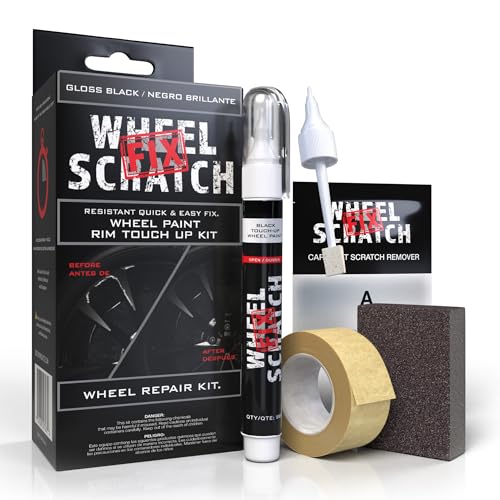
| Category | Essential Tools/Materials | Purpose in Blister Repair |
|---|---|---|
| Removal & Prep | 80, 180, 320, 600 Grit Sandpaper | Gradually sand down paint bubbles and feather edges |
| Restoration | Automotive Body Filler (Bondo) | Fills deep pitting and metal imperfections |
| Corrosion Control | Dedicated Rust Converter/Inhibitor | Chemically treats and neutralizes exposed rust |
| Layer Rebuild | 2K Automotive Primer | Provides paint adhesion and seals porous filler/metal |
| Finishing | Color-Matched Base Coat & Clear Coat | Restores automotive finish and UV protection |
| Safety | Ventilator/Respirator & Safety Glasses | Protects lungs from particulates and solvent fumes |
Safety Note: Always wear a high-quality respirator approved for organic vapors and particulates when sanding or spraying primers and paints. Paint strippers auto and solvents release toxic fumes, and safety standards auto paint require protection to prevent respiratory issues.
How Do You Prepare The Blistered Area For Effective Paint Adhesion?
Effective paint adhesion requires rigorous preparation: clean the area with automotive degreaser, then use 80-grit sandpaper to remove all loose or blistered paint down to the substrate, and feather-edge the perimeter using progressively finer grits (180 to 320) to ensure a smooth transition. Improper prep causes adhesion issues and is the leading reason why repairs fail. The surface must be completely clean and free of contaminants before any new layers are applied.
This preparation phase is the foundation of a durable paint fix car.
- Clean and Degrease: First, thoroughly clean the entire affected area and surrounding panels using a professional paint prep cleaner or wax and grease remover. Even residual car wax and sealant can cause immediate paint defects like fisheye, leading to further bubbling later.
- Remove the Damage (80 Grit): Use 80-grit sandpaper (either on an orbital sander or block) to physically strip old paint and remove all the paint blisters car down to the bare metal or solid, undamaged primer. Ensure that you go slightly beyond the visibly damaged perimeter to access the extent of the underlying issue.
- Feather Edging (180 to 320 Grit): Feather edge paint involves creating a ramped gradient around the repair area. This means stepping up to finer sandpaper grits (180, then 320) to smooth the perimeter of the repair area. This ensures there are no sharp edges where the old paint meets the substrate, allowing the new layers to blend seamlessly.
- Final Clean: After sanding, use compressed air to remove sanding dust, followed by a final wipe-down with the degreaser. This ensures the surface preparation auto is complete before applying any coatings.
How Do You Safely Remove Paint Blisters And Feather The Edges?
To safely remove blisters, start with 80-grit sandpaper to reach the root of the damage, then use 180 and 320-grit abrasives to smooth the edges and create a gradual taper (feather edge) between the repair and the existing paint. This sequential sanding process is crucial for preventing deep scratches from being visible through the new paint and clear coat layers. Expert car paint repair relies heavily on this technique to ensure smooth transition points.
The detailed execution of feather sanding spots:
- Rough Sanding (80 Grit): Use an orbital sander or block to remove all blistering down to the bare metal or solid, undamaged primer, slightly exceeding the damaged perimeter. This initial stage allows you to sand down paint bubbles and access the corrosion or contamination source.
- Feather Edging (180 Grit): Hand sand or block sand the perimeter, stepping up to 180-grit to blend the sharp edges into the surrounding factory finish, creating a gradual ramp. This is where you connect the deep removal area with the intact surrounding layers, minimizing the height difference.
- Final Smoothing (320 Grit): Use 320-grit to eliminate the 180-grit scratches. This finer grit ensures a smooth, seamless transition, ready for the application of automotive body filler or primer. If any exposed metal rusted remains, treat it before proceeding.
Expert Insight: The reason for this strict progression is simple. Each grit size is designed to remove the scratches left by the previous, coarser grit. Skipping a step means the subsequent primer will absorb moisture and settle into the deeper scratch marks, causing ghosting or visible lines later in the finish. Always ensure that the final 320-grit sanding has created a visually and tactically smooth transition.
How Do You Apply Rust Treatment And Primer For A Durable Repair?
For a durable repair, treat any exposed bare metal with a rust converter to chemically neutralize corrosion. Then, apply high-quality 2K (two-part) primer, waiting the manufacturer’s recommended flash time between coats to allow solvents to fully escape, preventing future blistering. This step, applying automotive primer, is the true barrier against the moisture that causes future paint blistering problems.
Here are the precise steps for treating and priming the prepared surface:
- Rust Treatment (If Necessary): If sanding revealed bare metal or pitting from rust, apply a dedicated rust converter or inhibitor following the manufacturer’s directions. This chemical treatment for cars stops the oxidation process. Allow the rust converter to cure fully before moving on.
- Body Filler (If Needed): If the damage resulted in a noticeable depression or pitting, apply automotive body filler (Bondo or similar) sparingly. Once dry, sand the filler smooth using 80-grit, followed by 180-grit, and finish with 320-grit, ensuring the surface is perfectly flat.
- Primer Mixing and Application: Mix your 2K Automotive Primer (two-part polyurethane) according to its pot life specifications. Apply the primer in thin, even coats over the entire repair area, making sure to slightly overlap the feather-edged perimeter. The purpose of 2K primer is its superior cross-linking in automotive paint chemistry, which makes it far more resistant to moisture ingress than single-component primers.
- Flash and Cure Time: Observe the manufacturer’s recommended flash time (usually 5-10 minutes) between coats. Flash time allows solvents to escape the wet layer, preventing solvent popping paint defect. Apply 2-3 coats as needed for coverage. Allow the primer to dry paint thoroughly—often 12-24 hours—before sanding again with 600-grit for final preparation for the base coat.
Cautionary Insight: Never rush the drying process. Applying the base coat before the primer is fully cured traps solvents, which will eventually attempt to escape, leading to the immediate reappearance of small paint bubbles car or pinholes. Proper ventilation is required during both mixing and spraying due to the nature of 2K products.
What Are The Steps For Matching And Applying The Base Coat And Clear Coat?
Applying the base coat requires multiple thin, even coats to achieve proper color coverage, followed by a professional 2K clear coat for UV protection and gloss, which is then wet sanded and polished for seamless blending with the existing finish. These final steps restore the cosmetic appeal and provide the necessary protection for a quality automotive refinishing.
Achieving a seamless blend often requires focusing on paint application affects quality and paint film thickness measurement.
- Base Coat Application: Once the primed area has been wet sanded smooth with 600-grit sandpaper, clean the area meticulously with a tack rag. Apply the color-matched base coat in thin, even coats, using a consistent, overlapping spray pattern. Apply coats until the color coverage is achieved, allowing for the recommended flash time between coats. The base coat provides the color but requires clear coat protection.
- Clear Coat Application: Apply 2-3 coats of high-quality 2K clear coat. The clear coat protects base coat and provides critical UV protection car paint and gloss. Apply the coats medium-wet for flow, observing the flash time between coats to ensure proper adhesion between the new clear coat layers.
- Curing: Allow the clear coat to fully cure. This can take anywhere from 24 hours to several days, depending on temperature and humidity. Do not attempt to sand the new finish until it is fully hardened.
- Wet Sanding and Polishing: Once fully cured, wet sand paint starting with a 1000 or 1500-grit paper to remove any slight texture (like “orange peel texture repair”) and level the surface. Progressively move to 2000-grit, then 3000-grit. Finish by using a compounding and polishing pad with automotive buffing compounds car to restore a deep gloss and blend the new clear coat seamlessly into the original finish.
This final process ensures the repaired area matches the surrounding finish quality and provides durable protection against future exposure.
When Should You Choose Professional Repair Over A DIY Paint Fix?
Professional repair is recommended for widespread paint blistering, severe rust damage extending to structural panels, or when the owner requires a perfect, warrantied color match, while DIY is suitable for small, localized bubbles. While repairing car paint bubbles DIY is highly cost-effective for small areas, the complexity and risk associated with larger or structural damage often justify consulting an auto body shop specializes in paint.
The decision hinges on three factors: the size and type of the paint damage car, the required quality of the automotive finish, and your confidence level in handling technical processes like feather edging and 2K primer application. Widespread paint bubbling car, for example, typically indicates a systemic paint adhesion issue across an entire panel, which is difficult to resolve evenly in a home garage environment. Furthermore, deep rust damage that compromises the structural integrity near areas like wheel arches or seams demands professional tools and expertise to ensure long-lasting protection against corrosion.
| Feature/Aspect | DIY Blister Repair | Professional Auto Body Repair |
|---|---|---|
| Damage Size/Scope | Small, localized areas (under 5cm) | Widespread, multi-panel damage, severe structural rust |
| Damage Type | Clear coat bubbles, minor surface blisters | Deep rust damage, primer failure, unknown causes |
| Location | Flat panels (hood, trunk) away from seams | Doors, seams, wheel arches (high rust risk areas) |
| Color Match | Good match with professional kits, potential variation | Near-perfect match using spectrophotometry |
| Cost | Low (Materials only: $50-$200) | High (Labor/Materials: $500 – $3,000+) |
| Warranty/Guarantee | None | Typically 1-5 years on refinishing work |
If the blistering is caused by sun damaged paint blisters on a large area, or if you require an undetectable, factory-level color match (especially on complex metallic paint blistering car), a professional workshop approved techniques will provide a guaranteed, warrantied paint repair. However, for isolated small paint bubbles car, the DIY route offers a satisfactory solution at a fraction of the cost, provided you strictly adhere to the rigorous preparation steps outlined in this guide.
FAQs About how to fix blistering paint on car
Is It Safe To Pop Car Paint Bubbles With A Needle?
Popping car paint bubbles is generally discouraged for a long-term fix because it introduces contamination and moisture directly into the paint layers, potentially worsening the underlying issue, especially if rust or intercoat adhesion failure is the cause. A permanent repair requires comprehensive removal of the damaged area to the substrate, followed by proper prep and repainting, rather than temporary puncture.
What Causes Micro Blisters In Car Paintwork (Osmotic Blistering)?
Micro blisters, also known as osmotic blistering, occur when moisture or water vapor is absorbed through the semi-permeable clear coat and base coat layers, collecting between the paint and the substrate. This happens when solvents are trapped due to poor flash times, or when the paint is exposed to high humidity, causing water to be drawn in by hydrophilic paint components and creating pressure points that push the paint up.
How Can You Prevent Paint Blistering On Cars In The Future?
Prevention primarily involves minimizing moisture exposure and protecting the finish; ensure all paint layers are fully cured according to manufacturer specifications, and use a high-quality sealant or wax (car wax and sealant) to repel water and protect against UV damage. Regularly inspect the paint for stone chips, which should be repaired immediately to prevent water penetration and subsequent rust formation beneath the finish.
Why Does Paint Bubble Immediately After A New Paint Job?
Bubbling immediately after a new paint job is often caused by ‘solvent pop,’ which results from applying successive coats too quickly without allowing adequate ‘flash time’ for solvents to fully evaporate from the previous layer. When the topcoat is applied too thick or too soon, the trapped solvents try to escape, pushing through the surface to create tiny pinholes or blisters in the fresh finish.
Can Car Wax Or Sealant Hide Minor Paint Bubbles?
While car wax and sealant (car exterior maintenance) can improve the overall appearance and temporarily disguise extremely superficial paint blemishes, they cannot hide or fix actual paint blisters, especially those caused by underlying rust or moisture. These products should be used for preventative measures only; any true blister requires mechanical removal and repainting for a durable solution.
How Much Does It Cost To Fix A Localized Area Of Blistering Paint DIY?
The cost to fix localized blistering paint DIY is relatively low, typically ranging from $50 to $200 for necessary materials like sandpaper, body filler, rust converter, primer, and aerosol base coat/clear coat. This estimate assumes the user already has basic safety equipment and application tools, but time investment for sanding and curing must also be factored into the overall “cost” of the repair.
What Grit Sandpaper Should Be Used For Initial Paint Blister Removal?
For the initial removal of blistering car paint and primer, an 80-grit abrasive is recommended, as it allows for fast removal down to the substrate or bare metal. This coarse grit removes the damaged material quickly; however, it must be followed by progressively finer grits (180, 320, 600) to refine the surface and remove deep scratches before primer application.
Can Blistering Paint Be A Sign Of A Vehicle Warranty Issue?
Yes, blistering paint can occasionally be a sign of a manufacturing defect or a poor application process, which may be covered by an automotive paint warranty, particularly on newer vehicles. If the paint blistering is widespread and occurs without obvious external damage (like stone chips or rust), contact the dealer or manufacturer to assess if the issue falls under their “official guidelines for car paint” and warranty terms.
Is Fixing Clear Coat Blistering The Same As Fixing Base Coat Bubbles?
The repair process for clear coat blistering versus base coat or primer bubbles follows the same principle of complete removal, but the depth required may vary. Clear coat bubbling only requires sanding down the clear coat layer, while base coat or primer blistering often necessitates sanding down to the bare metal, particularly if the cause is rust or moisture trapped beneath the primer.
How Long Does It Take To Complete A Small DIY Blister Repair?
A small DIY blister repair (e.g., area smaller than a credit card) typically takes 2–3 days to complete due to the necessary drying and curing times of the primer and clear coat. The active labor (sanding, prep, spraying) may only take a few hours, but allowing the paint layers to fully cure as per manufacturer instructions is critical for durability and a high-quality finish.
Key Takeaways
- Diagnosis is Non-Negotiable for a Permanent Fix: Identifying the true cause—whether it is rust, moisture (osmotic blistering), or solvent pop—determines the exact preparation steps, ensuring you treat the root problem and not just the surface damage.
- Preparation is 80% of the Solution: Achieving durable repair quality is entirely dependent on meticulous surface preparation, including fully cleaning the area and using 80-grit sandpaper to remove ALL compromised paint down to the solid substrate.
- Feather Edging is Essential for Seamless Blending: The technique of gradually tapering the edges of the repair area using progressive sandpaper grits (180 to 320) is required to ensure the repair blends invisibly into the surrounding factory paint.
- Use Professional-Grade Restoration Materials: For a long-lasting fix, invest in high-quality 2K (two-part) automotive primer and dedicated rust converter treatments, as these materials offer superior adhesion and moisture resistance compared to standard consumer products.
- Adhere Strictly to Paint Curing Timelines: Rushing the process and ignoring the manufacturer’s specified flash times between coats and the final cure time of the clear coat can trap solvents and moisture, leading to the immediate reappearance of paint bubbles.
- Know the Limits of DIY Repair: Widespread blistering, severe structural rust near panel edges, or damage requiring a perfect factory color match should be handled by a professional auto body technician due to the advanced tools and controlled environment required for a warrantied result.
- Prevention Measures Ensure Longevity: Regularly inspecting the paint for stone chips, promptly repairing minor defects, and applying a protective sealant or wax are simple steps that significantly prevent water and corrosion from compromising the vehicle’s paint integrity in the future.
Final Thoughts
Addressing blistering paint on your car is a testament to the fact that automotive repair is often more about preparation and patience than sheer skill. While the visible part of the repair—the final coat of color and clear coat—provides the shine, the true durability of the car paint blistering repair lies beneath the surface. You now possess the comprehensive, step-by-step knowledge required to not just patch the problem, but to execute a long-lasting car paint fix that prevents recurring damage.
Whether you decide that your damage is manageable enough for a weekend DIY project or complex enough to warrant professional attention, understanding the difference between moisture bubbles, solvent pop, and deep rust bubble under paint is your most valuable tool. Remember that skipping crucial steps, especially during sanding and priming, will compromise the integrity of the new finish.
Use this guide as your blueprint, invest in the right materials, and take the time necessary to achieve a high-quality finish. Your confidence in taking on this project is the first step toward restoring your vehicle’s exterior finish and protecting your investment for years to come.
Last update on 2026-02-20 / Affiliate links / Images from Amazon Product Advertising API


