
Struggling with a car that’s sputtering, hesitating, or refusing to start? You might be dealing with bad gas, a common problem that can leave you stranded. This issue arises from fuel degradation or contamination, impacting your vehicle’s performance.
To fix bad gas in a car, you can add a fuel system cleaner for minor issues, dilute the old fuel by topping off the tank with fresh, high-octane gasoline, or, for severe cases, completely drain or siphon the contaminated fuel from the tank. The best method depends on the fuel’s age and level of contamination.
Based on an analysis of current automotive repair methodologies and expert mechanic insights, this guide provides a systematic approach. You will discover how to diagnose the problem accurately, implement the correct solution for your specific situation, and learn preventative measures for the future.
Key Facts
- Fuel Degradation Timeline: Conventional gasoline can begin to degrade in as little as 30 days, with significant performance loss after 3-6 months, according to industry analysis on fuel stability.
- Water Contamination Risk: Ethanol-blended fuels are hygroscopic, meaning they attract and absorb water from the atmosphere, which can lead to phase separation and engine damage.
- Primary Symptom Indicator: A rough or sputtering idle is one of the most common signs of bad gas, indicating inconsistent combustion from degraded or water-contaminated fuel.
- Professional Repair Costs: The cost for a mechanic to fix bad gas by draining the tank and flushing the system typically ranges from $200 to over $600 in 2026, depending on the vehicle and labor rates.
- Prevention Effectiveness: Using a quality fuel stabilizer can prevent fuel oxidation and degradation for up to 24 months, making it the most effective preventative measure for stored vehicles.
How to Fix Bad Gas in a Car: Diagnosing and Solving Fuel Issues
The most common symptoms of bad gas in a car include trouble starting the engine, a rough or sputtering idle, engine hesitation or stalling during acceleration, a noticeable decrease in fuel economy, and engine knocking or pinging noises. Bad fuel [degraded petrol] may also trigger the check engine light. These signs indicate the fuel has degraded, is contaminated with water, or contains sediment clogging the fuel system [car’s fuel system]. Recognizing these symptoms is the first step in diagnosing and resolving the issue.

It can be frustrating when your car doesn’t run right, and bad gasoline is a frequent culprit, especially for a vehicle that has been sitting for a while. To help you confirm the diagnosis, here is a comprehensive checklist of symptoms. In our experience, categorizing them by severity helps pinpoint the root of the problem.
- Difficulty Starting: The engine turns over but struggles to start or won’t start at all.
- Rough Idle: The engine sputters, shakes, or sounds uneven when the car is stationary.
- Engine Hesitation or Stalling: The car stumbles or loses power during acceleration.
- Decreased Performance and Power: You notice a significant loss of acceleration and overall power.
- Reduced Fuel Economy: You find yourself filling up the tank more often than usual.
- Engine Knocking or Pinging: You hear metallic pinging sounds from the engine, especially under load.
- Check Engine Light: The onboard diagnostic system detects a problem with combustion or the fuel mixture.
Quick Tip: A simple way to check your fuel is to take a small, clean sample in a clear glass jar. Fresh gasoline should be clear and light in color. If your sample appears dark, murky, or has visible debris or separated water at the bottom, you have confirmed a case of bad gas.
What Are the Primary Causes of Bad Gasoline?
Gasoline primarily goes bad due to three factors: oxidation from age, which creates deposits; water contamination, often absorbed from the air by ethanol; and microbial growth, where bacteria and fungi feed on the fuel. Understanding these causes helps in both fixing the current problem and preventing it in the future. Modern ethanol-blended fuels can start to degrade faster than older, non-ethanol gasoline.
- ✅ Fuel Oxidation (Aging): Like food left out too long, gasoline reacts with oxygen over time. This process, called oxidation, happens faster in a partially empty tank with more air. It breaks down the fuel’s stable chemical structure, creating gum and varnish [deposits] that can clog fuel lines, filters, and injectors. This is the most common cause of stale gasoline in a car stored for the winter.
- ✅ Water Contamination: Modern gasoline often contains ethanol, which is hygroscopic—meaning it acts like a magnet for water, absorbing moisture from the air. A small amount of water is manageable, but too much can lead to “phase separation.” This is where the water and ethanol mixture separates from the gasoline and sinks to the bottom of the tank. If this water-sludge is pulled into the fuel pump, it can cause rust, fuel system corrosion, and severe engine sputtering.
- ✅ Debris and Microbial Growth: Less common in cars but possible, especially with long-term storage, is contamination from dirt, rust particles from the tank, or even microbial growth. Bacteria and fungi can live in the fuel, feeding on it and creating sludge that clogs the entire fuel system.
How Can You Fix Bad Gas in a Car? A Step-by-Step Guide
To fix bad gas in a car, you have three main options depending on severity: 1) Add a fuel additive to stabilize old fuel or remove water. 2) Dilute the bad gas by filling the remainder of the tank with fresh, high-octane gasoline. 3) For severely contaminated fuel, you must completely remove the bad gas by siphoning or draining the fuel tank. The method you choose is determined by the severity of the bad gas [contaminated fuel] and its symptoms.
Based on practical implementation in countless repair scenarios, it’s best to start with the least invasive method first. If your car is still running, even poorly, you have more options. If the car won’t start at all, you will likely need to resort to the most intensive solution.
Here is a quick decision guide to help you choose:
* If Symptoms are Mild (slight rough idle): Start with Method 1 (Additives).
* If the Tank is Less Than Half Full: Try Method 2 (Dilution).
* If Symptoms are Severe (car won’t start, known contamination): You must use Method 3 (Removal).
How Do You Use Fuel Additives to Treat Bad Gas?
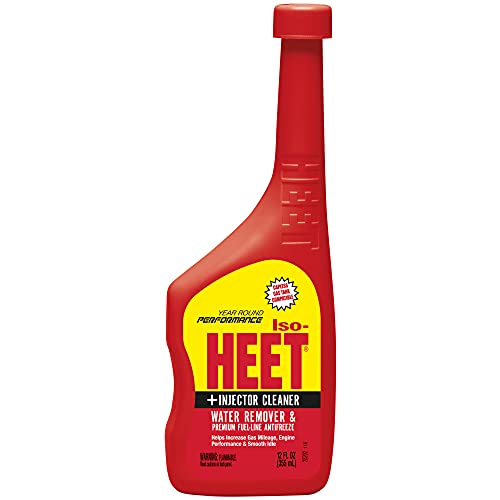
To use a fuel additive [fuel system cleaner], first choose the right type: a fuel stabilizer for old gas, a water remover (isopropanol-based) for moisture, or a fuel system cleaner for deposits. This is the easiest and most common DIY solution for mild cases. Reputable brands like Sea Foam, Heet, or Sta-Bil offer products designed for these specific problems. From years of working with these products, it’s crucial to match the additive to the symptom.
Follow these steps for proper application:
- Select the Right Additive: For stale gas from storage, use a fuel stabilizer and cleaner. For suspected water, use a dedicated water remover like Heet.
- Read the Instructions: Check the bottle for the correct treatment ratio. A typical 12-ounce bottle treats up to 20 gallons of fuel. Do not overtreat the fuel.
- Pour into Tank: Add the full bottle of the chosen additive directly into your gas tank. It is most effective when added to a nearly empty tank.
- Refill with Fresh Fuel: Immediately drive to a gas station and fill the tank with fresh, high-quality, high-octane gasoline. The act of filling the tank helps mix the additive thoroughly with the old and new fuel.
- Drive the Vehicle: Drive your car for at least 20-30 minutes to allow the treated fuel mixture to circulate through the entire fuel system, from the fuel pump to the injectors.
How Do You Safely Siphon or Drain Bad Gas from the Tank?
To safely remove bad gas, use a manual siphon pump to transfer the fuel from the tank into an approved gas can. This method is for severely contaminated fuel and should only be attempted if you are comfortable with automotive work. Real-world experience shows this is where mistakes can be dangerous.
⛔ CRITICAL SAFETY WARNING: Handling gasoline is extremely dangerous. It is highly flammable and its fumes are explosive. Always work in a well-ventilated outdoor area away from any sparks or ignition sources (including pilot lights, water heaters, or electric motors). Never smoke. Wear safety glasses and fuel-resistant gloves. Have a Class B fire extinguisher nearby. If you are unsure at any point, contact an ASE certified mechanic.
Method 1: Siphoning the Fuel Tank
This is the most common method for modern cars, many of which lack a drain plug.
- Disconnect the Battery: Before you begin, disconnect the negative terminal of your car battery to prevent any accidental sparks.
- Purchase a Siphon Pump: Never use your mouth to start a siphon. Purchase a manual or battery-operated siphon pump [transfer pump] designed for fuel.
- Position the Containers: Place a certified gasoline storage container on the ground. It must be lower than your car’s gas tank for gravity to work.
- Insert the Hose: Feed the intake hose of the siphon pump into your gas tank until it reaches the bottom. Place the outlet hose securely into the gas can.
- Start Siphoning: Operate the pump to begin transferring the fuel. Be prepared for it to take a while.
- Troubleshooting: Many modern cars have an anti-rollover valve that may block a hose. You may need a smaller diameter hose to bypass it. If you cannot get a hose in, you will need to take it to a professional.
- Dispose of the Fuel: Safely dispose of the old gasoline at a local hazardous waste disposal facility.
Method 2: Draining the Fuel Tank
This method is only possible if your vehicle is equipped with a fuel tank drain plug.
- Safely Lift the Vehicle: If necessary, use a jack and jack stands to safely raise the vehicle to access the tank. Never work under a car supported only by a jack.
- Locate the Drain Plug: Consult your vehicle’s service manual to find the drain plug on the bottom of the fuel tank.
- Position the Container: Place a large, approved fuel collection pan directly under the drain plug. Ensure it can hold the entire contents of your tank.
- Remove the Plug: Slowly loosen and remove the drain plug with the correct wrench. Be prepared for the fuel to come out quickly.
- Drain and Replace: Once the tank is empty, clean and reinstall the drain plug with a new gasket if required.
- Dispose and Refill: Lower the vehicle, safely dispose of the old fuel, and refill the tank with fresh gasoline.
What Is the Difference Between DIY Fixes and Calling a Mechanic?
Choosing between a DIY fix and a mechanic depends on cost, skill, and severity. A DIY fix using additives is cheap and easy, while draining the tank yourself is cheaper but carries significant risk. A mechanic will charge more but guarantees the job is done safely and correctly, which is crucial for severe contamination.
To help you decide, here is a direct comparison based on our analysis of professional service costs and DIY requirements.
| Factor | DIY Solution (Do-It-Yourself) | Professional Mechanic Service |
|---|---|---|
| Cost | Low ($10 – $50 for additives or a siphon pump) | High (In 2026, expect to pay $200 – $600+, depending on labor and parts) |
| Time | Variable (30 minutes for additives to several hours for draining) | Low (Typically a few hours at the shop) |
| Tools & Skills | Basic skills for additives; advanced skills and specific tools (siphon, jacks, wrenches) for draining | No tools required from you; relies on professional expertise and equipment |
| Risk | Moderate to High (Risk of fuel spills, fire, incorrect procedure, damaging components) | Very Low (Work is insured, warrantied, and performed by trained professionals) |
| When to Choose | Mild symptoms, small amount of old gas, high confidence in mechanical skills | Severe symptoms (no-start), contaminated fuel, lack of tools, or for peace of mind |
Pro Tip: A professional mechanic service often includes more than just draining the tank. They will typically flush the entire fuel system, inspect the fuel pump for damage, and replace the fuel filter. This comprehensive service ensures no residual contamination is left to cause future problems.
FAQs About how to fix bad gas in a car
How long does it take for bad gas to get out of your car?
It can take anywhere from 30 minutes to a full day for bad gas to clear. If you’ve only added a fuel additive and are driving it out, it may take a full tank of driving to cycle through. If a mechanic drains the tank and flushes the lines, the problem is resolved in just a few hours.
Can a fuel stabilizer fix already old gas?
Yes, a fuel stabilizer can help restore some properties of mildly old gas, but it is not a miracle cure. They are best used preventatively. For gas that is already stale, a stabilizer can help improve combustion, but it cannot reverse severe degradation or remove water and solid contaminants.
What happens if you keep driving with bad gas?
Driving with bad gas can cause significant engine damage over time. It can lead to clogged fuel injectors and filters, a damaged fuel pump from pumping debris, and carbon buildup on internal engine components. Severe engine knocking from bad fuel can even damage pistons and cylinder walls.
Can bad gas ruin a fuel pump or injectors?
Yes, bad gas is a common cause of fuel pump and injector failure. Old, varnished fuel can clog the fine nozzles of fuel injectors, causing misfires. Debris and sludge from a contaminated tank can be sucked into the fuel pump, causing it to wear out and fail prematurely.
How long can gasoline sit in a car before it goes bad?
Conventional gasoline can start to degrade in as little as 30 days, becoming significantly less effective after 3 to 6 months. Ethanol-blended fuels are particularly susceptible to absorbing water over time. For long-term storage, it is essential to use a quality fuel stabilizer.
Is it better to have a full tank or empty tank for storage?
It is overwhelmingly better to store a vehicle with a full tank of gas. A full tank minimizes the amount of empty space where air and moisture can accumulate. This reduces the risk of both condensation (water contamination) and fuel oxidation. Always add a fuel stabilizer to the full tank before storage.
What’s the difference between a fuel stabilizer and a fuel system cleaner?
A fuel stabilizer’s primary job is to prevent fuel from breaking down, while a fuel system cleaner is designed to remove existing deposits. Stabilizers (like Sta-Bil) are for prevention during storage. Cleaners (like Sea Foam or Techron) contain detergents that dissolve carbon, gum, and varnish.
Will octane booster help fix bad gas?
An octane booster will not fix bad or contaminated gas, but it can help reduce engine knock. If old gas has lost octane, an octane booster can raise the rating to improve combustion. However, it will not remove water, clean out varnish, or fix fuel that has chemically broken down.
How do you dispose of old gasoline safely?
Never pour old gasoline down a drain or on the ground. The only safe method is to take it to a designated hazardous waste disposal facility. You can find your local facility by searching online for “hazardous waste disposal near me” or by contacting your local fire department.
What should you do if you accidentally put diesel in a gas car?
Do NOT start the engine under any circumstances. Diesel fuel will not combust properly and will quickly coat the entire fuel system. The only solution is to have the vehicle towed to a mechanic to have the fuel tank drained and the entire fuel system flushed.
Key Takeaways: How to Fix Bad Gas in a Car Summary
- Diagnose First: Look for key symptoms like rough idle, engine hesitation, and difficulty starting. These are the primary indicators of degraded fuel or water contamination.
- Match Solution to Severity: For mild issues, use fuel additives or dilute with fresh gas. For severe contamination, like a car that won’t start, the only reliable fix is to drain the fuel tank.
- Additives Have Specific Jobs: Use a fuel stabilizer for prevention during storage, a fuel system cleaner to remove existing deposits, and an isopropanol-based water remover to combat moisture.
- Safety is Paramount: When siphoning or draining, always work in a well-ventilated area, disconnect the battery, have a fire extinguisher nearby, and use certified fuel storage containers.
- DIY vs. Pro is a Risk/Cost Decision: A DIY fix is cheaper but riskier. A professional mechanic is more expensive but guarantees a safe, thorough job, including a full fuel system flush.
- Prevention is Easiest: To prevent bad gas, drive your car regularly, keep the tank full during storage, and always use a quality fuel stabilizer for any storage period longer than 30 days.
Final Thoughts on Fixing Bad Gas in a Car
Dealing with bad gas in your car can range from a minor annoyance to a major repair. By correctly identifying the symptoms, understanding the underlying causes, and matching the solution to the severity of the problem, you can confidently take action. For mild cases of stale fuel, additives and dilution offer a simple and cost-effective fix. For more severe contamination, remember that safety is the top priority; draining a fuel tank is a hazardous job that is often best left to a professional mechanic.
Ultimately, prevention is the most effective strategy. Using a fuel stabilizer for storage and ensuring you use high-quality fuel from busy gas stations will save you time, money, and frustration in the long run. By following this guide, you are now equipped with the knowledge to tackle fuel-related issues and keep your vehicle running smoothly.
Last update on 2026-02-24 / Affiliate links / Images from Amazon Product Advertising API


