
That sinking feeling when you see an empty parking spot where your car should be is universally dreaded. In that moment of panic, a dozen questions race through your mind: Was it towed? Stolen? Where do you even begin to look for answers? The confusion and stress of not knowing how to find out where your car was towed to can be overwhelming, but there is a clear, methodical process to follow.
To locate your towed vehicle, you must first check the immediate area for towing signs, then use official city or state online search portals by entering your license plate or VIN, and finally, contact the local non-emergency police line if the initial searches yield no results.
This guide cuts through the chaos, leveraging extensive analysis of official procedures from multiple city, state, and police authorities. It unpacks a proven, three-step approach to help you quickly determine what happened to your vehicle, find its location, and understand exactly what you need to do to get it back.

Key Facts
- Real-Time Online Searches: Many major U.S. cities, including Chicago and St. Louis, provide free, real-time online search tools on their official government websites, allowing you to find a towed vehicle instantly using your license plate or VIN.
- Centralized Towing Platforms: A platform named AutoReturn.com is officially used by multiple major jurisdictions, such as Las Vegas, San Francisco, and Baltimore, to help residents locate vehicles towed by both public and private entities.
- Legally Required Signage: For private property tows (like from an apartment complex or shopping center), towing signs displaying the name and phone number of the towing company are legally required to be posted at the entrances and exits, as confirmed by authorities in cities like Seattle.
- Relocation vs. Impoundment: Some cities, notably Chicago and Buffalo, practice vehicle “relocation” or “mini-towing” for events or construction, moving a car to a nearby legal spot instead of an impound lot, which avoids storage fees.
- Universal Retrieval Requirements: To reclaim your vehicle from an impound lot, you will almost universally need to present three key items: a valid driver’s license, current vehicle registration, and proof of current insurance, a standard procedure confirmed by authorities in Philadelphia, San Diego, and Baltimore.
Car Gone? First, Determine If It Was Towed or Stolen
That sinking feeling when you see an empty parking spot is real. Before you panic, let’s quickly figure out what happened. To determine if your car was towed or stolen, first check for posted towing signs, look for nearby vehicle relocations, and then call the local non-emergency police line to see if a tow was recorded before reporting it as stolen. This first step is critical and is the exact process recommended by law enforcement and transportation authorities like the LVMPD and SFMTA to avoid filing a false police report.

Here is a quick checklist to help you assess the situation:
* Check for Signs: Was your car parked on private property like a retail lot or apartment complex? Look for signs indicating parking restrictions and listing a towing company. A tow is very likely.
* Consider the Reason: Were you parked in violation of a posted rule (fire lane, expired meter, street cleaning)? This strongly suggests an official municipal tow.
* Look for Glass or Debris: Is there broken glass on the ground where your car was? This can be a sign of a break-in and theft.
* Call the Police (Non-Emergency): This is the definitive step. Before you report your car as stolen, call the local non-emergency number (like 3-1-1 in many cities). They can check their system to see if a tow was authorized for your vehicle’s license plate or VIN. If they have no record of a tow, it’s time to file a stolen vehicle report.
Step 1: Check the Scene & Look for Immediate Clues
Before you start making calls, take a moment to survey the immediate area where you parked. The fastest answers for how to find out where your car was towed to are often right in front of you. These on-the-ground steps can solve the mystery in minutes.
Start by looking for red and white signs at the parking lot entrance/exit, which legally must display the towing company’s name and phone number. Also, check nearby streets, as cities like Chicago and Buffalo sometimes relocate vehicles to a legal spot close by. This initial search covers the most common scenarios for both private and public tows.
Pro Tip: Take a photo of the towing sign with your phone. You’ll need that information handy for the next steps.
Here’s exactly what to look for:
- Scan for Towing Signs: This is your number one clue for private property tows. Look at all entrances and exits to the lot. By law, these signs must be present and provide the necessary contact information.
- Walk the Immediate Area: Don’t just look at the empty spot. Walk up and down the block and check adjacent streets. Cities often perform “mini-tows” or relocations for street cleaning, film shoots, or special events, moving your car a few hundred feet to a legal spot.
- Talk to People Nearby: Ask a parking attendant, a local shop owner, or a building security guard if they saw a tow truck or know which company services the area. They are often aware of the regular towing enforcement.
According to official guidance from multiple city authorities, private properties that tow vehicles are legally required to have clear signage posted. This is your primary source of information for a private tow.
1A: Scan for Private Property Towing Signs
If you were parked in a shopping center, apartment complex, or any other non-public lot, a private company almost certainly performed the tow. On private property, look for signs at entrances/exits listing the towing company’s name and phone number; this is your most direct contact. These signs are legally required in most jurisdictions, as noted by official sources, and are there to protect both the property owner and the vehicle owner.
When you find the sign, look for this specific information:
* The full name of the towing company.
* A valid, 24-hour phone number for the company.
* The physical address of the vehicle storage facility (impound lot).
* Information regarding fees and payment methods.
Can’t find a sign? The next step is to contact the property owner or management office directly. They will have a contract with a specific towing service and can provide you with their contact details.
1B: Check for Vehicle Relocation vs. Impoundment
It’s a crucial distinction that can save you a lot of money and stress: your car may not have been impounded at all. Some cities, like Chicago, may relocate your car to a nearby legal spot for events or construction instead of impounding it. Check your city’s parking authority website for “relocated vehicle” information. A relocated car is simply moved out of the way, whereas a towed car is taken to a storage facility and accrues daily fees.
This practice is particularly common in:
* Chicago, IL: The city’s official vehicle search tool explicitly distinguishes between “relocated” and “towed” vehicles.
* Philadelphia, PA: The PPA may relocate vehicles for special events or emergencies. It’s advised to contact the local police district if you suspect a relocation.
* Buffalo, NY: The city’s official website notes that vehicles may be “mini-towed” to a legal parking space nearby.
If you are in one of these cities or a similar large metro area, always consider relocation as a possibility before assuming your car is in an impound lot.
Step 2: Find Your Towed Car Using Official City & State Resources
If you were parked on a public street or have confirmed the tow was not from private property, your next step is to use official resources. To find a car towed by a public authority, use your city’s official online search portal to look up your vehicle by license plate or VIN. If no online tool exists, call the local police non-emergency line or the designated towing dispatch number. These databases are the most reliable and direct way to get information.
Quick Fact: Many city databases, like Chicago’s, are updated in real-time, so check them first for the fastest answer.
These resources are authoritative and trustworthy because they are compiled directly from official municipal, police, and DMV websites. Using them ensures you get accurate information about your vehicle’s location and the correct procedure for retrieval, helping you avoid scams or misinformation.
Official Towed Vehicle Locators for Major US Cities & States (2026)
To help you find out where your car was towed to, here is a directory of official resources for several major U.S. cities and states. This information has been compiled directly from official government and police department sources.
| City/State | Resource Link / Phone Number | Notes/Responsible Agency |
|---|---|---|
| Chicago, IL | City of Chicago Online Vehicle Search | Real-time data. Distinguishes between relocated and police-towed vehicles. |
| Las Vegas, NV | AutoReturn.com or call 3-1-1 (or 702-828-3111) | AutoReturn is used for private tows. Call the non-emergency line for other assistance. Agency: LVMPD. |
| Portland, OR | Portland.gov Service Link | Online search by VIN or license plate to find the storage lot. |
| Philadelphia, PA | PPA Website or call 888-591-3636 | Handles impounded vehicles for illegal parking and delinquent violations. Agency: Philadelphia Parking Authority (PPA). |
| San Francisco, CA | AutoReturn.com or call 415-865-8200 | Handles illegally parked and abandoned vehicles. Provides a full list of tow fees. Agency: SFMTA. |
| San Diego, CA | SDPD Tow Administration at 858-495-7830 or Email Tow-Admin@pd.sandiego.gov | City may not have records of private property tows. Agency: San Diego Police Department (SDPD). |
| Washington, D.C. | Towing Control Dispatch Center at (202) 541-6083 | Direct line for inquiries about towed vehicles in the District. |
| Seattle, WA | Lincoln Towing at (206) 364-2000 or their website search | Official contractor for vehicles towed from public streets. |
| St. Louis, MO | St. Louis Towing Division Online Lookup | Search for towed vehicles by license plate or VIN. |
| Minneapolis, MN | Minneapolis Impound Lot Online Search | Official city impound lot search tool. Search by VIN or license number. |
| Buffalo, NY | BuffaloNY.gov Tow Information Page | Provides up-to-date tow info and notes the possibility of “mini-tows.” |
| Baltimore, MD | search.autoreturn.com or call 311 (or 443-263-2220) | Provides multiple online and phone options for locating a towed vehicle. |
| North Carolina | NCSHP Towed Vehicles System | For vehicles towed at the request of the NC State Highway Patrol; data available for 60 days. |
Step 3: Prepare for Vehicle Retrieval: Documents & Fees
Once you’ve located your car, the final step is getting it back. The retrieval process is standardized across most cities but requires careful preparation to avoid delays or extra trips. To retrieve your towed vehicle, you will need to present a valid driver’s license, current vehicle registration, and proof of insurance. Be prepared to pay both towing and daily storage fees, which vary by city.
Pro Tip: Call the impound lot before you go to confirm the total fees and what forms of payment they accept. Many do not accept personal checks, and some offer a discount for paying in cash. This can save you a second trip.
Here is the step-by-step process for a smooth retrieval:
- Confirm the Location and Hours: Double-check the address of the impound lot and their hours of operation. Some have limited weekend or evening hours.
- Gather Your Documents: Before you leave, collect all the necessary paperwork. Based on a synthesis of requirements from authorities in Philadelphia, San Diego, and Baltimore, you will need:
- A valid, government-issued photo ID (e.g., your driver’s license).
- Proof of vehicle ownership (e.g., the current vehicle registration certificate).
- Proof of current, valid auto insurance for the vehicle.
- Arrange for Payment: Find out the total amount due, which will include the initial tow fee plus daily storage fees. Storage fees can accumulate quickly, so retrieving your car as soon as possible is crucial. Confirm which payment methods are accepted (cash, credit/debit card, money order).
- Inspect Your Vehicle: Before you pay and drive away, walk around your car and inspect it for any new damage that may have occurred during the tow or while in storage. If you find any, document it with photos and report it to the impound lot staff immediately.
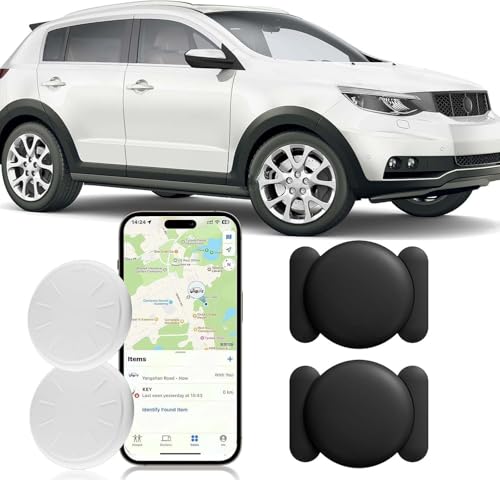
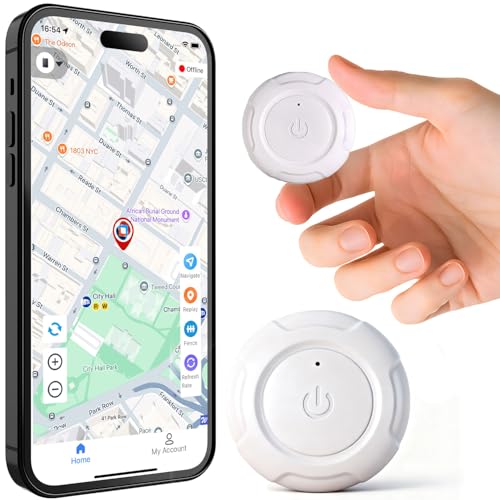
To prevent this stressful situation from happening again, or to have peace of mind about your vehicle’s location at all times, consider investing in a modern car GPS tracker.



FAQs About Finding a Towed Car
Here are answers to some of the most common questions people have when trying to how to find out where your car was towed to. These answers are based on official information from city and police sources.
How do I find my car if it was towed from private property?
First, look for signs at the property entrances/exits for the towing company’s name and number. If there are no signs, contact the property owner or management office to ask which company they use. According to guidance from Seattle.gov, these signs are legally required and are your most direct path to locating your vehicle.
Can I find my towed car online for free?
Yes, most cities like Chicago, St. Louis, and Minneapolis provide free online search tools on their official websites to locate vehicles towed by public authorities. You can typically search by license plate or VIN. Trusted third-party platforms like AutoReturn.com, used by cities like San Diego and Baltimore, also offer this service for free. Always use official or officially sanctioned websites to ensure the information is accurate and to protect your privacy.
What’s the difference between my car being towed and relocated?
A relocated car is moved to a nearby legal parking spot, often due to a special event, and does not incur impound fees. A towed car is taken to an official impound lot, requiring you to pay fees to retrieve it. This is a key distinction in cities like Chicago and Buffalo. If your car is missing in one of these areas, checking for relocation first can save you a trip to the impound lot.
What do I do if I can’t find my car using any of these methods?
If you have checked for signs and searched online databases without success, contact the local non-emergency police line for the area where you parked. They can check their records and advise if you should report the vehicle as stolen. This is the final, definitive step recommended by multiple police departments, including the LVMPD, to confirm a tow did not occur before escalating the issue.
Does getting your car towed go on your record?
No, getting your car towed does not generally go on your official driving record. This is a common concern, but the tow itself is a civil or administrative action, not a moving violation. However, the parking violation or other infraction that led to the tow can result in fines, points on your license in some cases, and other legal consequences.
Final Summary: A Quick Recap to Find Your Towed Car Fast
Discovering your car has been towed is a frustrating experience, but finding it doesn’t have to be a complicated ordeal. By following a clear and logical process, you can quickly locate your vehicle and navigate the retrieval process with confidence. These steps, based on procedures from official city and police authorities, are designed to give you the fastest and most accurate results.
While stressful, finding your towed car is a manageable process. Take a deep breath and follow these steps to get your vehicle back:
* Step 1: Investigate the Scene. Your first and fastest clues are right where you parked. Look for legally required towing signs on private property and check nearby streets for a possible vehicle relocation.
* Step 2: Use Official Online Tools. If it was a public tow, use your city’s official towed vehicle locator website. Searching by your license plate or VIN is the most direct way to find the impound lot’s location.
* Step 3: Prepare for Retrieval. Before heading to the impound lot, call ahead to confirm the total fees and accepted payment methods. Gather your essential documents—your license, registration, and proof of insurance—to ensure a smooth and quick release of your vehicle.
Last update on 2026-03-20 / Affiliate links / Images from Amazon Product Advertising API


