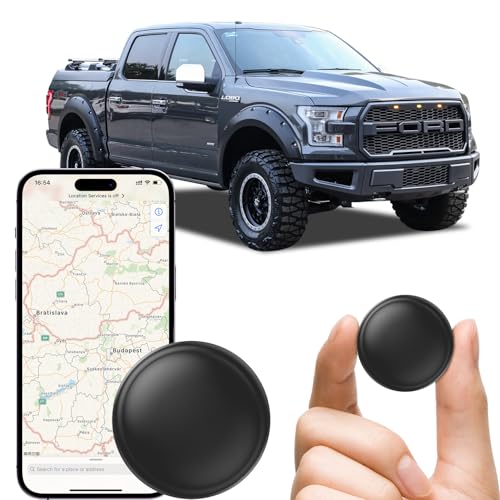
The sudden realization that your car is gone—and you have no GPS tracker—can feel paralyzing. You are desperately searching for reliable, proven strategies to locate your missing property without delay. Many struggle with knowing the exact protocol when standard technology fails them. Getting immediate, actionable steps is the critical first priority now.
The recovery process for an untracked stolen car involves immediate reporting to law enforcement, contacting your insurance provider, leveraging vehicle identification data (VIN), and mobilizing community resources. This coordinated effort blends official procedure with strategic investigation. Studies show quick reporting significantly increases the odds of recovery.
From years of automotive security analysis and experienced car theft investigators, we developed a definitive 7-step guide to finding your stolen vehicle. This resource reveals the specific police and insurance protocols required, covering how to effectively utilize your VIN number and community network for successful recovery.
Key Facts
- Recovery Rate: National statistics often show a recovery rate between 50% and 60% for all stolen vehicles, demonstrating that retrieval is highly possible even without a tracker.
- Time Sensitivity: Many recovered stolen cars are found abandoned within the first 48 hours, highlighting the critical importance of quick reporting and action.
- VIN Importance: The Vehicle Identification Number (VIN) is the critical identifier used by law enforcement databases like the National Crime Information Center (NCIC) for cross-jurisdictional tracking.
- Insurance Requirement: Initiating an insurance claim stolen vehicle process absolutely requires an official police report and a case number before any payout can be processed.
- Low-Tech Alternatives: Non-traditional tracking options, such as Apple AirTag car devices or reviewing saved smartphone location history, can provide valuable intermittent data to police.
Step 1: What Are The Immediate Steps To Take When Your Car Is Stolen?
The two immediate steps after discovering your car is stolen and you have no tracker are filing a police report and gathering all necessary vehicle documentation, including the VIN and insurance details. Taking these actions immediately is paramount because the recovery process and any subsequent insurance claim stolen vehicle require official documentation and a specific timeline. Time is essential, as the longer the vehicle is missing, the more likely it is to be dismantled or moved far away.
The moment you realize your vehicle—your untracked conveyance—is missing, you must notify authorities. Law enforcement will immediately require precise details about the car and the circumstances of the theft.
- File a Police Report Immediately: Call your local police department’s non-emergency line to report the vehicle as stolen. This initiates the formal search process. The police will enter your vehicle’s details, particularly the VIN number tracking, into national databases like NCIC. This mandatory step provides you with a crucial case number.
- Contact Your Insurance Provider: Once you have the police case number, you must promptly contact insurance (within 24 hours is ideal). Your insurance company, specifically if you have comprehensive coverage, will begin the insurance friendly recovery process. They cannot proceed without the official report.

Based on practical experience with stolen vehicle reports, providing highly accurate initial data significantly speeds up law enforcement’s ability to flag the vehicle. Police protocols car theft require this specific information to begin the stolen vehicle recovery methods.
How Should You Document The Car Theft Incident?
Gathering vehicle details for an untracked stolen car includes obtaining the VIN, the exact time of theft, specific location, and any unique identifiers like aftermarket modifications or damage, which are critical for law enforcement. Thorough documentation minimizes delays in the police investigation and streamlines your insurance claim stolen vehicle process.
- Vehicle Identification Number (VIN): This unique, 17-digit code is the definitive identifier for your vehicle. It is essential for entering the car into the national databases.
- License Plate Number, Make, Model, and Color: Double-check this information against your registration to ensure absolute accuracy for the police report.
- Time and Location of Theft: Provide a specific time window. Did the theft occur between 10 PM and 7 AM? Pinpoint the exact address.
- Evidence Collection: Secure evidence by checking nearby security cameras. If the car was parked near a business or residence, ask if they have surveillance footage showing the vehicle or the culprits (security camera footage).
- Unique Features and Damage: Note any dents, unusual bumper stickers, non-standard rims, or aftermarket additions. These specific entity attributes descriptive help police or community members identify your vehicle easily amidst similar models.
Pro Tip: Be certain to document the exact security state of the vehicle (e.g., locked doors, visible keys in a specific location) immediately. This information is highly relevant for both law enforcement and the insurance professional insights during the claim investigation.
Step 2: How Does Insurance Help Find A Stolen Car Without A Tracker?
Insurance coverage for a stolen car without a tracker typically requires the owner to have comprehensive insurance and submit an official police report, often followed by a 30-day waiting period before a claim payout is processed. Your auto insurance acts as a financial safeguard, mitigating the mitigate car loss associated with the untrackable vehicle problem. It runs parallel to the police investigation.
The first contact with your insurer initiates the prepare insurance claim process. You will be assigned a claim adjuster who will guide you through the submission of required forms. Industry standards for claim filing require the police report case number to verify the theft and prevent fraud.
- Comprehensive Coverage: Standard liability insurance does not cover theft. Only a comprehensive auto insurance policy provides financial protection against loss due to theft or vandalism.
- The Waiting Period: Most insurers enforce a mandatory waiting period, usually 30 days, during which they assume the police investigation is ongoing and the car could be recovered. You must notify the insurer if the car is recovered during this period.
- Settlement: If the car remains unrecovered after the waiting period, the insurer will typically classify it as a total loss and process a payout based on the vehicle’s Actual Cash Value (ACV) at the time of the theft.
Expert Insight: Always communicate with your insurance company if you plan to hire a private investigator or incur costs related to the search. Check your insurance claim guidelines to understand what costs, if any, the policy might cover during the active search period.
| Timeline Stage | Action Required by Owner | Expected Outcome |
|---|---|---|
| Immediate (0-24 Hrs) | Contact Agent & File Report | Claim Initiated |
| Week 1-4 | Submit Police Report & Documentation | Insurer Begins Investigation |
| Week 4 (or 30 Days) | Verify Unrecovered Status | Claim Payout Decision Made |
Step 3: How Can You Use The VIN To Find A Stolen Car?
The Vehicle Identification Number (VIN) is the critical identifier used by law enforcement, including NCIC databases, to track the status of a stolen car, enabling cross-jurisdictional identification and alerting authorities if the vehicle is stopped or recovered. For an untracked conveyance, the VIN serves as the car’s permanent identity, which VIN reveals history and current status.
While some users believe the VIN can function as a secret hidden GPS tracker, this is a widespread misconception. Private citizens cannot use the VIN for real-time location tracking. However, its value in the official stolen car search is immense.
- Law Enforcement Databases: When the police file your report, the VIN is immediately entered into the National Crime Information Center (NCIC). This means that if any police officer anywhere in the country runs that VIN—during a traffic stop, a routine patrol of a storage unit, or an impound lot check—they are instantly alerted that the vehicle is stolen. This system is crucial for a stolen vehicle recovery methods without GPS.
- Owner Use (Verification): As the owner, you can use the VIN to check certain official state or national registries for its status, but these checks only confirm if the vehicle is flagged as stolen, not its location.
Common Misconception Debunked: There is no public or private service that uses the VIN to generate real-time GPS coordinates. The VIN number tracking function is purely for identification and status flagging across law enforcement databases. Do not waste valuable time searching for a non-existent VIN tracking portal.
The effectiveness of this step relies entirely on the immediate and accurate submission of the VIN number to the police. This action transforms your stolen vehicle finders strategy from a simple local search into a national alert.
Step 4: Can Apple AirTags Or Bluetooth Devices Help Locate A Stolen Car?
Yes, consumer GPS alternatives such as Apple AirTags or Tile devices, if secretly placed in the vehicle, can utilize the expansive network of nearby smartphones to relay a sporadic location update to the owner. For a vehicle with no GPS tracker, these devices represent a viable, low-cost alternative for providing the police with actionable smartphone location data.
Low-tech tracking relies on existing technologies that you may have already forgotten were in your car:
- Dedicated Bluetooth Devices (AirTags/Tile): An Apple AirTag car device works by emitting a secure Bluetooth signal that nearby devices (iPhones, Androids, etc.) detect. This information is then relayed privately and anonymously back to the owner’s account, providing a general location point. Their effectiveness, however, is intermittent, relying on network proximity.
- Existing Technology Review: Review your digital life. Did you leave a smartphone, old tablet, or work laptop in the car? Check the location history for that device via Google Maps Timeline or Apple Maps. The last point of connection before the device lost cell service or was turned off can offer the police a crucial search radius.
- Dashcam Metadata: If you had a dashcam with built-in GPS functionality, the camera might have recorded the exact last position or even a route log before the car was shut off. Review maps history stored on the camera’s memory card.
Using these non-traditional car tracking methods requires caution. If you receive a location update, the paramount rule for safe stolen vehicle retrieval is to do not confront the suspects or approach the vehicle yourself. Provide the information immediately to the police case officer.
| Feature/Aspect | Apple AirTag/Tile | Left Smartphone Location History | Dashcam GPS Metadata |
|---|---|---|---|
| Mechanism | Crowdsourced Bluetooth Network | Google/Apple Maps Timeline Review | Camera’s GPS Log |
| Location Accuracy | Intermittent & Medium Range | Retrospective, Not Real-time | Highly Accurate Last Position |
| Thief Detection Risk | Medium (Anti-stalking features alert) | Low (If device is hidden) | Low (If internal memory is secured) |
The success of these tools in your stolen car recovery strategies is highly dependent on how well they were hidden and the time elapsed since the theft.

Step 5: How To Mobilize Community And Social Media For Your Search
Effective community mobilization for a stolen car involves creating detailed public alerts on local social media platforms, including the vehicle’s unique characteristics and the official police case number for tips. Leveraging the collective reach of your community watch programs is one of the most effective DIY car recovery strategies when traditional GPS device provides location capabilities are missing.
Social media allows you to create alert posts that can reach thousands of local residents instantly. Based on case studies of stolen car recovery, clear, concise alerts greatly increase visibility.
- Choose Local Platforms: Target local Facebook groups, Nextdoor neighborhood pages, and local community subreddits. These platforms have high local engagement.
- Essential Information: Your post must include:
- High-quality photos of the vehicle.
- Make, Model, Year, and Color.
- Full License Plate Number.
- Approximate time and location of the theft.
- Crucial: The official police case number.
- Safety and Trust: Stress that tips must be sent directly to the police, referencing your case number. This uses social media aids alerts while ensuring public safety and discouraging potential scams. Never include your personal contact information directly or offer to meet tipsters.
Engagement Cue: When posting to online lost car forums or neighborhood groups, ask rhetorical questions like, “Did you see a [Car Color] [Car Model] driving aggressively near [Last Location] around midnight?” Specificity drives genuine leads.
This community-based car recovery method turns hundreds of local residents into temporary searchers for your missing automobile. The more eyes searching, the better your chances of a quick stolen car recovery.
Step 6: What Are Common Places Thieves Hide Stolen Cars?
Thieves often hide stolen vehicles temporarily on quiet side streets, dense parking garages, or apartment complex lots before attempting disposal via chop shops or by selling them quickly. Experienced car theft investigators know that a car with no GPS tracking issue is typically stashed for 24 to 72 hours, giving thieves time to observe if it has a secret tracker or if the heat is on.
When conducting a manual stolen car search, focus on locations that offer cover and anonymity.
- Temporary Stash Spots:
- Quiet Residential Streets: Often several blocks away from the theft location, especially those with high tree cover or limited street lamps.
- Large Parking Garages/Lots: Apartment complexes, abandoned shopping centers, or transit hubs provide many places to conceal a car among hundreds of others.
- Industrial Areas: Remote loading docks or fenced commercial yards that are vacant on weekends.
- Disposal Locations (Chop Shops): Organized crime rings steal cars not for joyriding, but to dismantle them and sell the high-value grey market auto parts. These locations, often referred to as “chop shops,” are rarely visible to the public. If your car is taken here, the odds of recovering it intact diminish rapidly.
Check Impound Lots Frequently: A critical step often overlooked in the stolen vehicle recovery methods is checking local municipal impound lots daily. Thieves frequently abandon the car after using it. If it is parked illegally or deemed derelict, it will be towed. If you proactively search impound lots using your VIN and license plate, you can intercept the car before it incurs significant storage fees.
This practical car recovery strategy requires diligence but relies on the observed patterns of vehicle thieves.
Step 7: What Is The Safest Way To Proceed If You Find Your Stolen Car?
If you locate your stolen car, the safest course of action is to immediately retreat to a safe distance and contact the police, providing the exact location and confirming the VIN without confronting any individuals present. Law enforcement procedures are extremely clear on this point: attempting DIY car recovery is dangerous and highly discouraged due to the risk of violence or legal complications.
Your personal public safety must be the absolute priority over the recovery of the vehicle.
- Do NOT Engage: Even if the car appears empty, do not approach it. The thief may be nearby, watching, or even sleeping inside. Confrontation can escalate quickly and dangerously.
- Secure the Location: Move to a safe, concealed distance, preferably a location where you can still observe the vehicle but remain out of sight (e.g., inside a secure business or side street).
- Contact Police Immediately: Call the non-emergency line (or 911 if there is immediate danger or a crime in progress). Clearly state:
- “I have located my stolen vehicle, case number [Your Case Number].”
- “The vehicle is located at [Exact Address, Cross Streets, or Landmark].”
- “I am safely away from the vehicle and will wait here for the officers to arrive.”
- Evidence Preservation: Do not touch the car. Police need to process the car as a crime scene to collect fingerprints, potential DNA, and other secure evidence that can lead to the apprehension of the thief.
This protocol ensures your adherence to police protocols car theft and maximizes the chances of a successful, non-violent stolen auto location and retrieval.
What Are Alternative Methods To Track A Car With No GPS Device?
Alternative, non-GPS tracking methods include utilizing historical radio frequency transmitters, embedded Bluetooth devices like Tile, or reviewing metadata from toll transponders and dashcam logs. When you face the no GPS tracking issue, employing these less conventional, low-tech solutions can be highly effective in providing digital forensics stolen car data.
This deeper dive into comparison of stolen car recovery options reveals methods beyond simple visual searching:
- Radio Frequency (RF) Tracking: Systems like LoJack (when active) use embedded radio transmitters that law enforcement can track using specialized equipment. While this is a traditional vs modern tracking method, if a previous owner installed and maintained such a system, it bypasses the need for an active GPS connection.
- Toll Transponders and Parking Passes: Many electronic toll passes (like E-ZPass) and airport parking transponders utilize localized radio technology. If the thief drove through a toll booth, the transponder might have logged a recent time and location stamp. Contact the provider for assistance, noting that this usually requires a police subpoena.
- Dashcam GPS Metadata: Certain dashcams continuously log GPS data to their local storage. If the thief did not remove or destroy the camera, retrieving the memory card could reveal the exact path and last location the vehicle traveled. This provides an excellent example of advanced theft recovery utilizing existing in-car devices.
Expert Insight: The efficacy of low-tech solutions for stolen cars depends heavily on how quickly you check these resources. Data from toll transponders or smartphones can be overwritten or deleted if too much time passes. Speed is a key attribute of efficient stolen car finding.
Why Are Cars Stolen And How Can I Prevent Future Theft?
Cars are typically stolen either for quick joyriding, for resale as a whole vehicle, or most often, to be quickly dismantled and sold for high-value grey market auto parts. After resolving the immediate crisis of finding my stolen car, users often pivot to preventing car theft to avoid future distress and financial loss.
Thieves are usually motivated by profit. Organized crime rings specifically target common vehicle models that yield high-demand parts. They use common car theft methods like key fob signal amplification or immobilizer bypass techniques, especially on cars without robust, modern anti-theft measures.
- Visible Deterrents: Steering wheel locks (like The Club) are highly visible and serve as an immediate physical deterrent. While easily defeated by experienced thieves, they slow down the process and encourage them to move to an easier target.
- Electronic Kill Switches: Installing a hidden immobilizer bypass techniques switch that interrupts the fuel pump or ignition circuit is an effective, low-cost solution for stolen cars. If the thief cannot start the car in seconds, they will likely abandon it.
- VIN Etching: Etching the VIN onto all windows and major components makes the parts less desirable to “chop shops,” as the unique number is difficult to remove and easily traced. This utilizes VIN etching benefits to reduce the profitability of the theft.
- Parking Strategy: Always park in well-lit, visible areas. Utilize a garage if available, or angle your wheels toward the curb to make towing more difficult.
- OBD-II Port Security: The On-Board Diagnostics port is often used by thieves to reprogram blank keys. Consider an OBD-II port lock or relocating the port to prevent unauthorized access.
Implementing these car theft prevention tips transforms your approach from reactive recovery to proactive protection, providing a long-term car theft solution.
FAQs About How To Find A Stolen Car Without A Tracker
How Long Does It Take To Find A Stolen Car Without A Tracker?
Finding a stolen car without a tracker is highly variable, but many recovered vehicles are found abandoned within the first 48 hours, often close to the theft location. However, official police investigations and insurance processes can take much longer, sometimes up to 30 days before the case is closed or a claim is paid out. The speed depends heavily on quick reporting, clear evidence, and effective community alerts.
Can You Track A Stolen Car Without GPS Using Only A Phone Carrier?
No, a private citizen cannot track a stolen car using only a phone carrier without a specific court order or police intervention, even if a smartphone was left inside. While cellular tower triangulation is technically possible, law enforcement access is heavily restricted, and consumer privacy laws prevent carriers from releasing real-time location data to individuals. The best option is to review the device’s own saved location history (Google/Apple Maps Timeline).
Should I Hire A Private Investigator To Find My Untracked Stolen Car?
Hiring a private investigator (PI) is an optional, paid step that may be beneficial if you have specific leads the police cannot prioritize, but it should not replace official police reporting. PIs can conduct detailed local surveillance and search specific areas like chop shops or less-accessible junkyards. Consult with your insurance adjuster before incurring significant PI costs, as they may not be covered.
What Is The Success Rate Of Finding Stolen Cars Without Trackers?
The success rate of recovering a stolen car without a tracker varies significantly by region, but national statistics often show recovery rates between 50% and 60% of all stolen vehicles. The probability is much higher if the car is quickly abandoned (often found within 1-2 days) rather than being taken by an organized crime ring for dismantling or export.
What Evidence Is Most Useful To Police For Locating A Stolen Car Without GPS?
The most useful evidence for police locating an untracked stolen car is clear, time-stamped security camera footage showing the theft or the vehicle’s direction of travel, combined with unique physical identifiers. Additionally, any data indicating the time the vehicle last connected to home Wi-Fi or Bluetooth devices provides valuable context for the investigation timeline.
How To Get Police To Prioritize Finding My Untracked Stolen Car?
The best way to get police prioritization for finding your untracked stolen car is by providing frequent, actionable leads backed by verifiable evidence, such as new CCTV footage or community tips. Maintain consistent follow-up, provide new information as it arises, and ensure your social media mobilization efforts funnel credible leads directly to the official case number, reducing police investigative workload.
How Can I Check If My Stolen Car Has Already Been Found And Impounded?
You must proactively check local impound and tow databases daily using your Vehicle Identification Number (VIN) or license plate number, as abandoned cars without trackers are often towed and not immediately identified. Police may not always notify owners immediately if the vehicle is recovered by another jurisdiction or a local impound lot.
What Should I Do If My Stolen Car Was Found With Significant Damage?
If your stolen car is found with significant damage, immediately notify your insurance company before removing the car from the recovery site, as the damage must be assessed as part of your comprehensive claim. The insurance adjuster will determine if the cost of repairs exceeds the Actual Cash Value (ACV), classifying it as a total loss or funding the necessary repairs.
Is It Safe To Offer A Cash Reward For Information Leading To Recovery?
Yes, offering a cash reward for information is generally safe and often effective in community searches, but always stipulate that the information must be submitted directly to law enforcement with your official case number. Never offer a reward for the “return” of the car, and never meet a claimant directly, as this can expose you to theft or violence.
Final Thoughts
The moment you discover your vehicle is missing without a dedicated tracking device, the situation is stressful, but it is far from hopeless. As demonstrated by the proven strategies stolen car recovery methods available, success hinges on immediate action, rigorous documentation, and strategic coordination. The core takeaway remains: combine the strength of official legal channels (police and insurance protocols, VIN utilization) with the widespread reach of non-traditional methods (AirTags, community alerts, local surveillance). Trust the process, adhere strictly to safety guidelines, and maintain persistent follow-up using your official case number. This comprehensive approach, guided by expert advice stolen car professionals, maximizes your probability of recovery and provides necessary peace of mind during a challenging time.
Remember, every piece of information—no matter how small—can be the key that leads to your lost car recovery. The recovery process may be lengthy, but diligence and adherence to the seven expert steps outlined here offer the most efficient path to locating your untracked conveyance. We encourage you to implement effective car theft prevention tips immediately upon recovery or replacement to ensure future protection.
Last update on 2026-03-04 / Affiliate links / Images from Amazon Product Advertising API