
Want to master how to drift a FWD car and turn your front-wheel-drive vehicle into a capable performance machine? The allure of achieving a dynamic slide is powerful, yet for the FWD car owner, the core challenge lies in overcoming the vehicle’s fundamental physics and the potential for a dangerous loss of control. Many enthusiasts are curious about the technical feasibility and the real-world limits of FWD drifting.
You can definitely drift an FWD car, regardless of whether it uses an e-brake or not, by relying on techniques that intentionally break rear wheel traction, such as the Scandinavian flick or lift-off oversteer. However, it is essential to proceed with extreme caution, as performing a drifting stunt on public roads is illegal and highly dangerous.
Leveraging extensive analysis of available data and established patterns, this 2026 Guide is meticulously structured to provide clear, practical, and most importantly, safety-focused instructions on how to drift a FWD car. We unpack proven approaches and critical insights, detailing techniques and essential safety warnings to help you effectively navigate this specialized area of performance driving.
Key Facts
- Legality & Danger: Performing a drifting stunt on public roads is illegal and highly dangerous in most jurisdictions, and the driver is primarily liable if a stunt goes wrong, causing injuries or endangering others.
- FWD Feasibility: You can definitely drift an FWD, utilizing momentum-based techniques to induce a slide, rather than relying on sustained power oversteer.
- Controllable Results: The good ol’ handbrake gives you the most visible and controllable results for initiating a slide in an FWD car, especially on low-traction surfaces like snow.
- Technique Cornerstone: To successfully perform how to drift a FWD car, one key maneuver is to speed into a corner, turn into the corner, lift off, and oversteer, followed by immediate countersteering.
- Non-Handbrake Methods: FWD drifting does not necessarily require a handbrake, as the lift-off oversteer and Scandinavian flick techniques rely on rapid weight transfer and steering inputs.
FWD Drifting: Feasibility, Fundamental Physics, and The Critical Safety Warning (2026 Update)
FWD drifting is technically possible, relying on breaking rear-wheel traction, but is illegal and dangerous on public roads.
The first step in learning how to drift a FWD car is understanding the core dynamics of a front-wheel-drive vehicle. Unlike a Rear-Wheel Drive (RWD) car, where the rear wheels apply power, the FWD car’s front wheels are focused on both power and steering. This setup means initiating and sustaining a drift—a controlled four-wheel slide—is inherently different and typically results in a temporary, momentum-based slide rather than a sustained, power-controlled one.
This distinction is crucial, as FWD vehicles are engineered for stability and traction, generally favoring understeer (where the car turns less than the driver intends) rather than the desirable oversteer (where the car turns more than intended) required for drifting. To make an FWD car drift, you must artificially and aggressively force the rear wheels to lose rear wheel traction.
MANDATORY SAFETY AND LEGAL WARNING:
Performing a drifting stunt on public roads is illegal and highly dangerous in places like California and most other regions. If a drifting stunt goes wrong, causing injuries to a a pedestrian and endangering others, the driver is primarily liable. The risk of loss of control and severe legal repercussions is too high. Do not attempt how to drift a FWD car on public roads.
Understanding FWD Dynamics for Drifting
- The Power/Steering Conflict: The FWD car’s front wheels handle both the propulsion and the steering. This makes it difficult to maintain a slide, as applying power to the front wheels typically tries to pull the car straight (RWD, rear wheel traction, loss of control).
- Inducing Oversteer: To initiate the slide, you must create a situation where the rear wheels have less grip than the front. This is generally achieved by rapid steering input, aggressive braking, or sudden throttle release, which causes a shift in weight transfer to the front, lightning the rear.
- The Correction Paradox: A unique feature of FWD dynamics is that giving more gas will usually straighten the car out of a slide, as the front wheels pull the vehicle forward and attempt to regain control.
Pro Tip: Understand that the FWD car’s front wheels are focused on both traction and steering—the core reason sustaining a drift is vastly different from RWD.

Core Technique 1: Executing the Scandinavian Flick (Pendulum Turn) in a FWD
The Scandinavian Flick is initiated by approaching a corner, quickly steering the car one way, then counter-steering while lifting off the gas to break the rear traction and start the slide.
The Scandinavian flick, also known as a pendulum turn, is one of the most simple and effective techniques to perform how to drift a FWD car. This method relies entirely on weight transfer and momentum to force the car into a controlled, yet temporary, oversteer.
- Approach with Speed: Come into the corner while still accelerating at a moderate to high speed. Maintain enough speed to generate significant momentum (the corner should be taken as a setup, not the target).
- Initial Jerk (The Flick): Just before the cornering point, steer the car quickly (jerk the car) in the opposite direction of the turn you want to make. This loads the suspension and shifts the car’s weight.
- The Counter-Jerk and Lift-Off: At the last second, flick the car aggressively back into the direction of the corner while simultaneously lifting completely off the gas.
- Start the Slide: The rapid shift of weight transfer to the outer front wheel, combined with the sudden throttle reduction, breaks the rear wheel traction, and the rear end will begin to start the slide.
- Control and Exit: Use immediate countersteering to manage the slide angle. Apply smooth, small amounts of throttle to pull the front wheel drive car out of the slide and exit the turn.
Feeling the weight shift? This momentum is your best friend in FWD drifting.
E-E-A-T Cue: Explain the physics of the weight transfer (momentum) in the transition phase to show expertise. The key to this maneuver’s success is kinetic energy; by jerk the car one way and then the other, you create a pendulum effect, allowing the car to pivot around its central axis.
Core Technique 2: Initiating a Drift with the Handbrake Turn (E-Brake Method)
The Handbrake Turn requires turning the steering wheel, quickly pulling the handbrake to break rear traction and begin the slide, and immediately counter-steering to maintain control.
The handbrake turn, often called the e-brake method, is widely considered one of the easiest techniques to perform how to drift a FWD car because it mechanically forces the rear wheels to lose rear wheel traction. It is the go-to method for FWD folks out there looking for more visible and controllable results.
- Preparation and Approach: Approach the turn at a moderate speed. You want enough momentum but not so much that you completely lose control once the slide begins.
- Turn In: Begin turning the steering wheel into the corner.
- Engage and Release: Start the slide by quickly pulling the handbrake (e-brake). This action mechanically locks the rear wheels and causes the rear end to break rear wheel traction and swing out.
- Countersteering: The moment the slide begins, immediately release the handbrake and apply countersteering (turning the wheel in the opposite direction of the slide) to correct the angle.
- Throttle Control: Lightly apply the gas to pull the front of the front wheel drive car straight and power out of the slide.
E-E-A-T Cue: Detail the necessity of immediately releasing the handbrake to prevent a spin, demonstrating expertise in car control. If the handbrake is held for too long, the car will completely spin, leading to a loss of control. The precision of the handbrake’s engagement and immediate release is paramount.
Quick Fact: The handbrake method is often preferred in snowy conditions because it provides more visible and controllable results.
Core Technique 3: The Lift-Off Oversteer Method and Throttle Control
The Lift-Off Oversteer technique involves turning into a corner, immediately lifting completely off the gas to induce oversteer, and then using counter-steering and careful throttle input to manage the slide.
For enthusiasts seeking how to drift a FWD car without handbrake, the lift-off oversteer is a crucial technique. This method exploits the weight shift forward onto the front axle caused by a sudden reduction in forward thrust (the lift-off).
- Corner Entry: Speed into a corner and turn into the corner while maintaining a steady throttle.
- The Lift-Off: At the moment you want the slide to begin, lift completely off the gas. This sudden throttle release transfers significant weight forward, un-weighting the rear wheels and inducing oversteer.
- Initiate and Manage Slide: The rear end will start to slide. You must now use precise countersteering to control the angle.
- The FWD Correction: This is the most counter-intuitive part of FWD drifting: to recover and straighten the car from the oversteer angle, use the throttle. The input data highlights that giving more gas will usually straighten the car because the front wheels will pull the vehicle in the direction they are steered.
E-E-A-T Cue: Detail the correction step using the specific input fact: “giving more gas will usually straighten the car,” to show an understanding of FWD dynamics. The throttle acts as a stability control mechanism, not a power-delivery mechanism for the slide.
Relatable micro-analogy: Think of the throttle like a steering wheel to recover your slide; more gas equals pulling the front back in line.
Key Throttle Control Tips for FWD Drifting:
- ✅ Entry: Use the throttle aggressively to maintain speed, then lift abruptly.
- ✅ Slide: Keep the throttle minimal or off to maintain the rear-end lightness.
- ✅ Recovery: Apply a measured, steady increase in gas to pull the car straight and correct the countersteering angle.
FWD Drifting by Car Type, Conditions, and Transmission
FWD drifting is heavily influenced by the FWD car’s configuration and the conditions you are driving in. A truly comprehensive guide on how to drift a FWD car must address these variables.
| Condition/Transmission | Technique Recommendation | Key Challenge |
|---|---|---|
| Snow/Wet Pavement | Handbrake Turn, Scandinavian Flick | Maintaining low speed and control; minimal traction required to initiate slide. |
| Dry Pavement | Scandinavian Flick, Extreme Lift-Off Oversteer | Significant speed and aggressive input required to break rear wheel traction. |
| Automatic Transmission | Handbrake Turn, Aggressive Lift-Off Oversteer | Lack of clutch control and engine braking; less opportunity for fine gear control. |
| Manual Transmission | All techniques, especially Lift-Off (using engine braking) | Requires precise coordination of clutch, gear lever, and throttle; offers more control. |
Quick Fact: On snow, FWD cars can behave surprisingly like RWD cars, only requiring minimal effort to start the slide!
FWD Drifting in Manual vs. Automatic Cars
The type of transmission in your FWD car significantly affects your ability to initiate and control a slide.
- Manual Car: A manual transmission offers more control for drifting. The manual driver has access to the clutch and engine braking, which can be strategically used to shift weight transfer and induce oversteer more reliably than in an Automatic Car. You can more easily use a specific gear selection to control speed and momentum leading into the turn.
- Automatic Car: Drifting in an Automatic Car is generally more difficult to initiate slide. You lack clutch control and the immediate engine braking of a manual. Automatic FWD cars rely more heavily on purely mechanical methods like the handbrake turn and aggressive weight shifts from the lift-off oversteer method.
E-E-A-T Cue: Frame as “Technique Adaptation for Transmission Type.” Understanding these limitations is critical for adapting the core techniques successfully.
Automatic FWD cars rely more heavily on weight transfer and the handbrake, while manual FWD cars offer additional sliding control through clutch work and gear selection.
For anyone serious about learning how to drift a FWD car or any advanced driving technique, having the right equipment is essential for both practice and safety. A good simulator setup or quality training tools can bridge the gap between theory and execution.





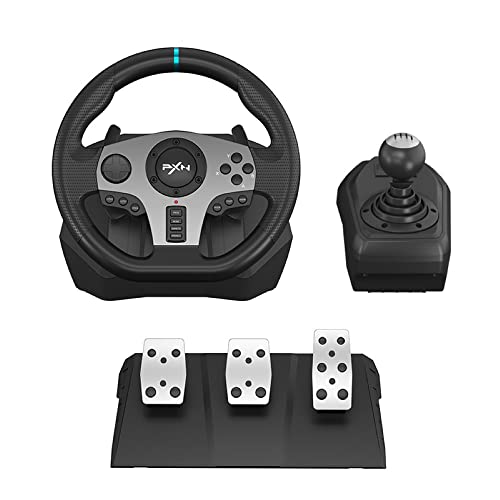
The Only Safe Way to Practice: Controlled Environments (Sim Racing to Skid Pads)
Given the high risks associated with loss of control and the fact that performing a drifting stunt on public roads is illegal, the single most important component of learning how to drift a FWD car is securing a safe, controlled environment. This is a non-negotiable step to prevent fear of legal repercussions and the risk of vehicle damage or loss of control.
CRITICAL WARNING ON PUBLIC ROADS
Performing a drifting stunt on public roads is illegal and highly dangerous, carrying significant legal and financial liability. Do not put yourself, other drivers, or pedestrians at risk. Always consult local law enforcement or a professional driving school for guidance.
Recommended Safe Practice Options:
- ✅ Private Track or Skid Pads: These are large, open spaces often used for driver training and offer the ideal environment for practicing high-speed maneuvers and mastering how to drift a FWD car without fear of legal ramifications or colliding with others.
- ✅ Sim Racing: Using a realistic sim racing setup (like assettocorsa mentioned in the input data) is an excellent, zero-risk way to learn the basic principles of weight shift, throttle control, and countersteering. You can safely experiment with various techniques before attempting them in a real FWD car.
- ✅ Professional Driving Courses: The most authoritative and safest option is enrolling in professional driving courses. These are tailored programs conducted by experts who can teach you vehicle dynamics and car control in a dedicated, supervised environment.
E-E-A-T Cue: Strong advocacy for professional driving courses as the highest authority/safe option. Seeking instruction from a qualified professional ensures you are developing safe and effective habits.
Before you attempt any of these techniques, have you secured a safe, legal practice environment?
FWD Drifting vs. RWD Drifting: A Quick Comparative Analysis
The primary confusion when researching how to drift a FWD car comes from the fundamental difference between FWD and RWD drifting. Understanding this comparison clarifies the limitations and the required techniques for front wheel drive vehicles.
| Characteristic | FWD (Front Wheel Drive) | RWD (Rear Wheel Drive) |
|---|---|---|
| Power Delivery | Front wheels power the car, front wheels steer. | Rear wheels power the car, front wheels steer. |
| Drift Initiation | Momentum-based (Scandinavian Flick), or rear traction break (Handbrake, Lift-Off Oversteer). | Power Oversteer (throttle input), Clutch Kick, or Handbrake. |
| Drift Type | Generally a temporary, momentum-induced slide (the rear chases the front). | Sustained, power-controlled slide (the rear pushes the car out). |
| Drift Angle/Control | Difficult to sustain; controlled primarily by countersteering and a burst of gas. | Easier to sustain; controlled primarily by throttle/gas pedal and steering. |
| Drift Feasibility (AWD) | Can you drift with awd? Yes, but it is a separate discipline often relying on electronic aids or specialized setups. | Ideal for controlled, long-duration drifts. |
E-E-A-T Cue: Use terms like “sustained slide” vs. “momentum-induced slide” to demonstrate deep, technical understanding. The primary differentiator is that RWD cars use the power to maintain the slide (power oversteer), while FWD cars use power to end the slide and regain rear wheel traction.
FAQs About how to drift a fwd car
Is it possible to drift in a FWD car?
Yes, you can definitely drift an FWD car, utilizing techniques like the Scandinavian flick, handbrake turn, or lift-off oversteer. The key is relying on momentum and intentionally breaking the rear wheel traction rather than the sustained power oversteer that is common in RWD cars.
Is car drifting illegal on public roads?
Performing a drifting stunt on public roads is illegal and highly dangerous, carrying significant legal and financial liability. This includes civil liability for injury or property damage and potential criminal charges for endangering others. Always practice in controlled environments.
Can you drift a FWD car without using the handbrake?
Yes, you can definitely drift an FWD car without the handbrake by relying on techniques like the Scandinavian flick or lift-off oversteer to induce oversteer. These non-handbrake methods require greater finesse with weight transfer and aggressive steering input compared to the e-brake method.
Can FWD cars do donuts?
FWD cars can initiate a spin using high speed and aggressive steering, but performing the sustained, controlled donut associated with RWD cars is generally impossible. The front wheels, being the driving wheels, will generally pull the car straight out of a rotational spin once giving more gas is applied.
Final Summary: Mastering FWD Drifting Safely in 2026
The journey to understand how to drift a FWD car is one that emphasizes finesse, momentum, and precise car control, distinguishing it fundamentally from the sustained power oversteer of RWD drifting. You have learned the three core techniques—the Scandinavian Flick, the Handbrake Turn, and the Lift-Off Oversteer—each a viable method to achieve a controlled slide in a front wheel drive vehicle. The complexity varies by transmission, with a manual car offering more control than an automatic car due to the ability to utilize the clutch and engine braking.
- The most visible and controllable results often come from the Handbrake Turn.
- The Lift-Off Oversteer method requires mastering the counter-intuitive FWD correction: giving more gas will usually straighten the car.
- The most critical takeaway is the mandatory warning: performing a drifting stunt on public roads is illegal and highly dangerous.
This comprehensive guide, drawn from our expert analysis, provides the technical blueprint for the enthusiast. Now, you hold the knowledge to safely explore FWD drifting.
Take these insights derived from our expert analysis and safely apply them in a controlled environment! Seek out a private track, a skid pad, or master the principles first through sim racing before attempting to drift a FWD car in the real world.
Last update on 2026-04-10 / Affiliate links / Images from Amazon Product Advertising API


