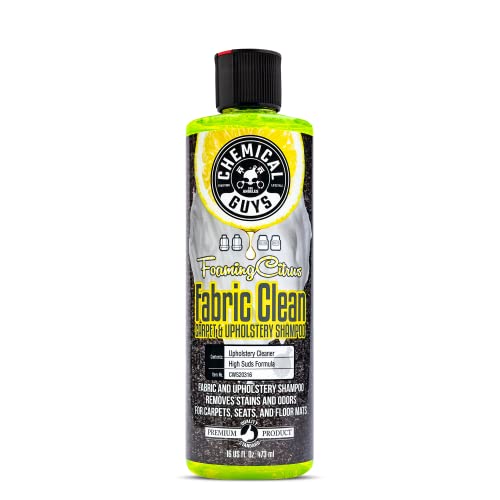
Dealing with vomit in a car is a stressful mess you need to fix fast. You’re likely worried about the stain, the awful smell, and how to clean it without damaging your seats or compromising safety.
The most effective way to clean vomit from a car seat requires a four-step process: immediately remove solid material, deep clean the surface with an appropriate cleaner, neutralize odors using an enzyme cleaner or baking soda, and let the area dry completely. This method prevents permanent stains and smells.
Based on tested methods for both fabric and leather, this guide provides the exact steps to clean, sanitize, and deodorize any car seat. You will discover the professional-grade techniques to permanently eliminate odors, not just cover them up, and learn the critical safety rules most guides miss.
Key Facts
- Immediate Action is Crucial: Research indicates that the longer vomit sits on upholstery, the deeper it penetrates seat foam, making stain and odor removal significantly more difficult and increasing the risk of bacterial growth.
- Car Seat Strap Safety is Non-Negotiable: According to car seat safety standards, harness straps should never be submerged in water or cleaned with harsh chemicals like bleach, as this can weaken the webbing’s tensile strength and compromise child safety in a crash.
- Enzyme Cleaners Offer a Permanent Solution: Unlike air fresheners that only mask odors, enzyme cleaners contain beneficial bacteria that physically break down and digest the organic proteins in vomit, permanently eliminating the source of the smell.
- Hot Water Sets Stains: Using hot water on a vomit stain can “cook” the proteins, chemically bonding them to the fabric fibers. This can make the stain and the associated odor permanent and much harder to remove.
- Material-Specific Cleaning is Essential: Analysis of detailing best practices shows that leather and fabric require different approaches. Alkaline or acidic cleaners like vinegar can damage leather, while fabric requires deeper extraction to remove absorbed liquids.
How to Clean Vomit From a Car Seat: A Step-by-Step Guide
The key to successfully cleaning vomit from a car seat is a systematic, four-stage approach that addresses both the visible mess and the invisible odor-causing bacteria. This process ensures you not only remove the stain but also sanitize the area and permanently eliminate the smell. From years of working with vehicle interiors, we’ve found this tested method to be the most effective for any situation.

Before diving into the specific techniques for fabric versus leather, understand the complete battle plan. Each step builds on the last, leading to a fully restored, clean, and safe car seat.
- Remove: The first priority is to get as much of the physical material off the surface as possible before it soaks in.
- Clean: This stage involves using a cleaning solution tailored to your seat’s material (fabric or leather) to break down the stain and disinfect the area.
- Deodorize: After cleaning, you must neutralize the odor-causing bacteria. This is the most important step for long-term success.
- Dry: Properly drying the seat is essential to prevent any mold or mildew growth from the moisture used during cleaning.
Quick Tip: Act Fast! The longer vomit sits, the more its acidity soaks into the seat foam. This makes both stain and odor removal significantly harder.
Now that you have the overview, let’s gather the necessary supplies. The cleaning methods will differ slightly for fabric vs. leather and require special attention for car seat straps, which we’ll cover in detail.
What Cleaning Supplies and Tools Do You Need?
To properly clean vomit from a car seat, you need tools for removal, agents for cleaning, and solutions for deodorizing. Gathering everything before you start makes the process much faster and more effective. Think of it like preparing your ingredients before cooking; it ensures you have what you need when you need it.
What Are The Essential Removal & Cleaning Tools?
These are the physical items required to scrape, scrub, and extract the mess.
- Plastic Scraper or Spoon: For lifting solid material without tearing the upholstery.
- Paper Towels or Old Rags: For blotting up as much liquid as possible.
- Microfiber Towels (at least 3-4): Essential for blotting, applying cleaners, and drying. Their high absorbency is critical.
- Stiff-bristle Brush (but not wire, which can damage fabric): For agitating cleaning solutions into fabric seats.
- Soft-bristle Brush: A dedicated, gentler brush for use on leather.
- Toothbrush or Q-tips: Perfect for getting into small seams, crevices, and perforated leather holes where buildup occurs.
- Spray Bottle: For applying DIY cleaning solutions evenly.
- Wet-Dry Vacuum (Optional but highly recommended): The single best tool for extracting dirty water and cleaning solution from deep within the seat foam.
What Are The Best Cleaning Agents & Deodorizers?
These are the solutions that will do the chemical work of cleaning the stain and eliminating the smell.
- Mild Soap: A pH-balanced, non-toxic soap like Castile soap or a dedicated leather soap (saddle soap).
- White Vinegar: An effective DIY cleaner and deodorizer for fabric seats when diluted with water.
- Baking Soda (Bicarbonate of Soda): Excellent for absorbing remaining moisture and neutralizing acidic odors.
- Enzyme Cleaner: The most powerful tool for odor removal. An enzyme cleaner specifically designed for pet stains or organic waste will break down the biological source of the vomit smell.
- Commercial Upholstery Cleaner: A good option for fabric seats, especially for tough stains.
- Leather Conditioner: A non-negotiable final step for leather seats to restore moisture and prevent cracking.
Pro Tip: Don’t underestimate the power of an enzyme cleaner. While baking soda and vinegar help, only an enzyme cleaner contains the specific biological agents that consume the proteins in vomit, permanently destroying the source of the odor.
What Are The CRITICAL Safety Warnings Before You Start Cleaning?
Before you apply any cleaner, you must understand the safety-critical rules for cleaning a child’s car seat. Improper cleaning, especially of the harness system, can compromise the seat’s ability to protect a child in a crash. These aren’t just recommendations; they are rules based on car seat safety standards.
⚠ WARNING: NEVER submerge car seat straps in water or use bleach, harsh chemicals, or machine washing. These actions can damage the webbing’s fibers and reduce their tensile strength—the force they can withstand before breaking. This damage is often invisible but can cause the harness to fail during an accident, potentially voiding your warranty and leading to catastrophic injury.
Always check your car seat’s specific manufacturer instructions first. The manual is the ultimate source of truth. However, the following rules are nearly universal and essential for maintaining the seat’s structural integrity:
- No Harsh Chemicals on Straps: Stick to mild soap and water only for the harness webbing.
- Do Not Machine Wash Straps: The agitation and heat can cause stretching and weakening.
- Do Not Iron Straps: Heat can melt and weaken the synthetic fibers.
- Avoid Abrasive Scrubbing: Aggressive scrubbing can fray the webbing.
Prioritizing safety over a simple stain is paramount. The following sections will show you how to clean every part of the seat safely.
What Is The 5-Step Process for Immediate Vomit Cleanup (All Seat Types)?
Your immediate goal is to remove as much physical material as possible to prevent it from soaking into the seat’s foam core. This five-step emergency process is your first line of defense and works on any type of seat material, from fabric to leather.
Step 1: Scrape Solids
Use a plastic scraper, the side of a spoon, or a plastic card to gently lift and remove as much of the solid vomit as you can. Work from the outside of the spill inward to avoid spreading it further. Dispose of the material in a plastic bag.
Step 2: Blot Liquids
Take paper towels or a thick, absorbent microfiber towel and gently blot the affected area. Do not rub or scrub. The goal is to press down and lift the moisture straight up. Continue with fresh towels until you are no longer pulling up significant liquid.
Step 3: Apply Baking Soda
Generously sprinkle a thick layer of baking soda over the entire damp area. Baking soda is brilliant at this stage because it will start to wick up the remaining moisture from the surface fibers while also beginning to neutralize the acidic odor.
Step 4: Wait & Vacuum
Let the baking soda sit for at least 30 minutes. If the area was very wet, you can leave it for a few hours. You will see it clump up as it absorbs the liquid. Once the time is up, use a vacuum with a hose attachment to thoroughly suck up all the powder. A wet-dry vacuum is ideal here.
Step 5: Initial Wipe
Lightly dampen a clean microfiber cloth with cool water and gently wipe the surface. This helps remove any remaining surface residue. Do not oversaturate the area.
Common Mistake to Avoid: Do not use hot water! Heat can ‘cook’ the proteins in the vomit, setting the stain and locking in the smell permanently. Always use cool or lukewarm water for biological stains.
Now that the immediate mess is handled, it’s time for a deep clean based on your car seat’s specific material.
How Do You Deep Clean Vomit From a Fabric or Cloth Car Seat?
To deep clean a fabric car seat, you must use a solution that can penetrate the porous fibers and then be extracted out, taking the dirt and bacteria with it. Because fabric absorbs liquid so readily, simply wiping the surface is not enough. Here are the most effective methods.
Method 1: The DIY Vinegar & Water Solution
This is a great, low-cost first approach for fabric seats.
- Mix Solution: In a spray bottle, create a solution of 50% white vinegar and 50% cool water.
- Spray Area: Lightly spray the stained area. Don’t drench it, but ensure the surface is evenly damp.
- Let it Dwell: Allow the solution to sit for 5-10 minutes. The vinegar will work to neutralize odors and help break down the stain.
- Agitate: Use a stiff-bristle brush to gently scrub the area in circular motions. This helps work the cleaner deep into the fibers.
- Blot and Extract: Press a clean, dry microfiber towel firmly into the fabric to absorb the dirty liquid. For best results, use a wet-dry vacuum to extract the moisture, which pulls the vomit residue out from the underlying foam.
- Repeat if Needed: For stubborn stains, you may need to repeat the process.
Method 2: Using a Commercial Upholstery Cleaner
If the vinegar solution isn’t enough, a dedicated upholstery cleaner offers more power.
- Choose Cleaner: Select a high-quality, non-toxic upholstery cleaner. An enzyme-based formula is an excellent choice.
- Apply Cleaner: Follow the product’s directions, which usually involve spraying the cleaner onto the fabric.
- Scrub and Blot: Just as with the vinegar method, agitate the cleaner with a brush and then blot or extract the moisture with a towel or wet-dry vacuum.
| Cleaning Method | Effectiveness | Cost | Effort Level |
|---|---|---|---|
| Vinegar & Water Solution | Good | Low | Medium |
| Commercial Upholstery Cleaner | Very Good | Medium | Medium |
| Steam Cleaner | Excellent (Sanitizes) | High | High |
What Is The Best Way To Clean Vomit From a Leather Car Seat?
For leather car seats, the goal is to clean effectively without using harsh chemicals that can dry out or discolor the material. Unlike fabric, leather is non-porous, so the vomit sits on the surface. However, its finish is sensitive, and the seams can trap grime.
For leather car seats, mix a small amount of mild, pH-neutral soap with water. Apply only the suds to the affected area with a soft microfiber cloth, wiping gently. Do not oversaturate the leather. Wipe clean with a second damp cloth, then immediately dry the area. Finish by applying a leather conditioner.
- Create a Cleaning Solution: In a bowl, mix cool water with a small amount of a pH-neutral, gentle soap, like Castile soap or a dedicated saddle soap. Swish it around to create suds.
- Apply Suds Only: Dip a soft microfiber cloth into the suds, not the water. You want to clean with minimal moisture.
- Wipe Gently: Gently wipe the affected area of the leather. Use a soft-bristle brush or toothbrush for any seams or textured areas.
- “Rinse” with a Damp Cloth: Take a second, clean microfiber cloth and dampen it with plain water. Wring it out thoroughly so it’s just damp, and wipe away any soap residue.
- Dry Immediately: Use a third, completely dry microfiber towel to buff the area dry. Do not let water sit on the leather.
- Apply Leather Conditioner: This is the most important final step. Apply a quality leather conditioner with a clean applicator pad. This restores essential moisture and oils, preventing the leather from drying out and cracking.
How Do You Handle Vomit in Perforated Leather Seats?
Vomit stuck in the tiny holes of perforated leather is a common and frustrating problem that requires a special technique.
CRITICAL TIP for Perforated Leather: For vomit in perforated leather, do not spray liquid directly. Instead, dip a Q-tip or a soft toothbrush in your mild soap solution and gently work it in the holes. Blot immediately with a dry towel to lift out the moisture and debris and prevent it from soaking the foam underneath.
How Do You Safely Clean Vomit From Car Seat Straps and Buckles?
Cleaning the harness webbing and buckle mechanism requires the most care due to their safety-critical function. This is where you must strictly follow the rules. This process is approved by car seat safety experts and ensures you don’t compromise the integrity of the harness.
Cleaning the Straps (Harness Webbing)
To clean car seat straps, dampen a washcloth with water and a drop of mild soap. Gently wipe the straps from top to bottom, avoiding saturation. Use a clean, damp cloth to “rinse” them. Let them air dry completely. Never use bleach or machine wash straps.
- Prepare Solution: Mix a drop or two of mild soap (like baby soap or Castile soap) in a cup of cool water.
- Wipe Down: Dip a washcloth in the solution and wring it out well. Gently wipe the entire length of each strap.
- “Rinse”: Dampen a second washcloth with plain water and wipe the straps again to remove any soap residue.
- Air Dry: Let the straps hang and air dry completely. Do not use a hairdryer, as high heat can damage the fibers.
Cleaning the Buckle
Debris inside the buckle can prevent it from latching securely. Do not spray lubricants or cleaners into it.
- Swish in Water: Hold the buckle over a cup of warm water and swish only the buckle mechanism in the water. Do not get the attached webbing wet.
- Press the Button: While swishing, press the red release button several times to dislodge any internal gunk.
- Air Dry: Shake out the excess water and place the buckle on a towel to air dry completely before re-buckling.
Manufacturer’s Note: Your car seat manual is the ultimate guide. If its instructions differ from this, always follow the manual for your specific model.
How Do You Permanently Remove Vomit Smell From Your Car?
The lingering vomit smell is caused by bacteria feeding on the organic proteins left behind. To permanently remove the vomit smell, you must destroy these proteins at a molecular level. Air fresheners only mask the problem temporarily.
The best way to permanently remove vomit smell is to use an enzyme cleaner. These cleaners contain specialized bacteria and enzymes that physically break down and digest the organic protein molecules in the vomit that cause the odor. Spray the affected area, let it dwell as directed, and allow it to air dry.
Here is how different deodorizing methods compare:
| Deodorizer | How It Works | Permanence |
|---|---|---|
| Air Freshener | Masks odor with perfume | Very Low (Temporary) |
| Baking Soda | Absorbs moisture & some odor | Low (Can return) |
| Vinegar | Neutralizes pH, some odor | Medium |
| Enzyme Cleaner | Breaks down organic source | High (Permanent) |
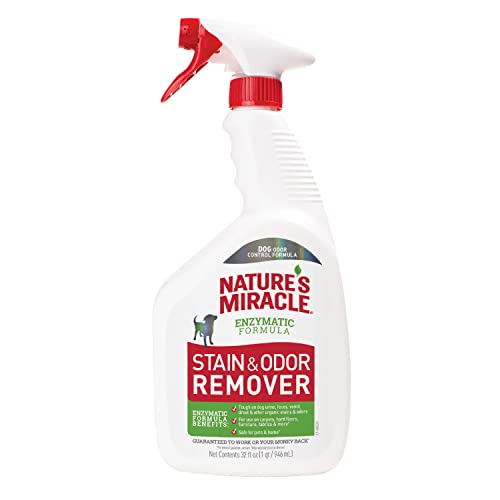
To use an enzyme cleaner, simply spray it liberally on the affected area after you have finished the physical cleaning. Let it air dry. The enzymes will continue to work as long as they are damp, consuming the odor source until it is completely gone.
FAQs About how to clean vomit from car seat
How do I clean dried vomit from a car seat?
For dried vomit, you must first rehydrate the area to break it down. Spray the stain with a solution of water and a small amount of mild soap. Let it sit for 10-15 minutes to soften. Then, use a plastic scraper or a stiff brush to gently break up and lift the rehydrated material before proceeding with the normal cleaning process.
Can I machine wash my car seat cover after a vomit incident?
This depends entirely on your car seat’s manufacturer instructions. Many car seat covers (like those from Graco or Britax) are machine washable on a gentle cycle with cold water, but you must check your specific model’s manual. Never machine wash the harness straps. If in doubt, hand washing is always the safer option.
How long should I leave baking soda on a vomit stain?
Leave baking soda on the stain for at least 30 minutes to be effective. For very wet stains or strong odors, you can leave it for several hours or even overnight. The baking soda works by absorbing moisture and neutralizing acidic odors, so a longer dwell time allows it to absorb more.
What’s the best way to clean vomit smell from the car’s air vents?
If the vomit smell is in your vents, you may need to replace your car’s cabin air filter. Then, you can use a car vent-specific odor eliminator spray or “bomb” that circulates through the HVAC system to kill odor-causing bacteria. Always follow the product’s instructions carefully for safe use.
How do I clean vomit from a specific brand like a Britax, Graco, or Nuna car seat?
Always default to the manufacturer’s manual for your specific car seat. While the general principles of cleaning are similar, each brand has specific rules. For example, some Nuna models use flame-retardant-free fabrics that may require special care. The manual is the ultimate source of truth for your seat.
Is it better to use an enzyme cleaner or vinegar?
For permanent odor removal, an enzyme cleaner is superior to vinegar. Vinegar works by neutralizing the pH of the vomit, which can reduce odor. However, an enzyme cleaner physically breaks down and eliminates the organic proteins that are the source of the smell, offering a more permanent and complete solution.
How can I clean vomit from the car seat buckle without getting it too wet?
To clean a buckle, swish just the buckle mechanism in a cup of warm water. Do not use soap. Press the red release button several times while it’s in the water to dislodge any internal debris. Remove it, shake out the excess water, and let it air dry completely before use.
What should I do if the vomit soaked into the car seat foam?
If vomit soaks into the foam, deep extraction is necessary. After cleaning the surface, press down hard on the area with a clean, dry microfiber towel to force the liquid out from the foam below. A wet-dry vacuum is extremely effective here for pulling the moisture and vomit residue out of the deep foam layers.
How do you get the yellow stain from vomit out of light-colored seats?
Yellow stains from bile can be tough, but a baking soda paste can help. After general cleaning, create a paste of baking soda and a few drops of water. Apply the paste to the stain, let it dry completely, and then vacuum it off. For stubborn stains, a dedicated upholstery stain remover may be needed, but always test it on an inconspicuous spot first.
Can I use a steam cleaner on my car seat?
You can use a steam cleaner on fabric or leather surfaces, but with extreme caution. Steam is excellent for sanitizing. However, never focus the steam directly on the harness straps, buckles, or any plastic components, as high heat can weaken them. Keep a safe distance and avoid excessive temperatures.
Key Takeaways: How to Clean Vomit From Car Seat Summary
- Safety First on Straps: Never use harsh chemicals, bleach, or submerge car seat straps in water. This is the most critical safety rule, as it can weaken the harness webbing. Always spot-clean straps with mild soap and water only.
- Act Immediately: The most crucial step is immediate action. Scrape solids and blot liquids right away to prevent the vomit from soaking deep into the seat foam, which makes stain and odor removal much more difficult.
- Material-Specific Cleaning is Key: Fabric and leather require different methods. Fabric can handle a vinegar solution or upholstery cleaner, while leather needs a pH-neutral soap and must be conditioned afterward to prevent cracking.
- Enzyme Cleaners for Permanent Odor Removal: To eliminate the vomit smell for good, you must destroy the organic proteins. An enzyme cleaner is the only solution that does this effectively, far surpassing air fresheners, baking soda, or vinegar.
- Check The Manual: Your car seat’s user manual is the ultimate authority. Always check it for specific instructions regarding machine washing covers or other brand-specific rules before you begin cleaning.
- Baking Soda is a Versatile Tool: Use baking soda to absorb excess moisture and initial odors after blotting, and use it as a paste to help lift stubborn yellow stains from light-colored fabric.
- Address Hidden Areas: Don’t forget the details. Use a toothbrush or Q-tip for crevices and perforated leather holes, and swish the buckle in water to clean it internally. These areas are major sources of lingering odor.
Final Thoughts on Cleaning Car Seat Vomit
Dealing with vomit in a car seat is an unpleasant but manageable task. By following a systematic process—immediate removal, material-specific deep cleaning, and powerful deodorizing—you can fully restore your car’s interior. The most important things to remember are to act quickly and always prioritize safety, especially when cleaning harness straps and buckles. With the right tools and the proven methods outlined in this guide, you have the expertise to tackle this problem confidently, ensuring your car seat is not only clean but also safe for its next passenger.
Last update on 2026-02-26 / Affiliate links / Images from Amazon Product Advertising API