
Dealing with a car seat covered in throw up is a uniquely stressful parent moment. You’re worried about your child, the lingering smell, and how to clean this expensive safety device without ruining it.
To clean throw up from a car seat, first scrape off all solid debris, then blot the wet mess with paper towels. Create a cleaning solution using mild soap and cold water or an enzyme cleaner. Treat the fabric cover, and separately spot-clean the harness straps and buckles, which should never be machine-washed or bleached. Always air dry completely.
Based on an analysis of current manufacturer guidelines and child safety standards, this guide provides a safe, step-by-step process. You will discover exactly how to remove the mess, neutralize odors, and sanitize the seat without compromising its structural integrity. This ensures your car seat is both clean and, most importantly, safe.
Key Facts
- Strap Safety is Non-Negotiable: Research indicates that using harsh chemicals like bleach or even vinegar on car seat harness straps can degrade the webbing, reducing its tensile strength and compromising safety in a crash.
- Cold Water is a Must for Protein: Industry analysis reveals that using hot water on protein-based stains like vomit can “cook” the proteins, causing them to set permanently into the fabric fibers.
- Enzyme Cleaners Dissolve, Not Just Mask: Studies show that enzymatic cleaners are highly effective because they use beneficial bacteria to digest and eliminate the organic source of the odor, rather than simply covering it up.
- Baking Soda is a Powerful Neutralizer: Data shows that baking soda’s alkaline properties effectively neutralize the acidic odors common in vomit, while also absorbing excess moisture from fabric.
- The Manual is the Ultimate Authority: According to all major car seat manufacturers, consulting your specific car seat manual is the most critical step, as improper cleaning can void the warranty and render the seat unsafe.
How to Clean Throw Up Out of a Car Seat: A Step-by-Step Guide
The first step is always to consult your car seat manual for manufacturer-specific cleaning instructions. Your car seat is a life-saving device, and using unapproved cleaning methods or chemicals can weaken the webbing on straps, degrade plastic components, and void your warranty. This guide provides general best practices, but your manual is the ultimate authority. We know this is a stressful situation, but a few minutes spent on safety first will give you peace of mind.

Safety First: Never use bleach, harsh solvents, or abrasive cleaners on any part of your car seat. These can damage the materials and compromise the safety of the device. When in doubt, stick to mild soap and water.
The overall process is straightforward and can be broken down into four main phases:
- Remove: Get the physical mess out of the car immediately.
- Clean: Treat the fabric, straps, and buckles with safe solutions.
- Deodorize: Neutralize and eliminate any lingering smells.
- Dry: Ensure everything is completely dry to prevent mold.
What Supplies Do You Need to Clean Car Seat Vomit?
Gathering your tools before you start makes the process much faster and less stressful. You likely have most of these items at home already. Having a pre-made “car sickness kit” in your trunk is a pro-level parenting move for the future.
Protective Gear
* Disposable Gloves: A must-have for hygienic cleanup.
* Face Mask: Optional, but helpful for containing strong odors.
Scraping & Soaking
* Plastic Spoon, Putty Knife, or Old Gift Card: For scraping off solid matter without damaging fabric.
* Paper Towels or Old Rags: For blotting up excess liquid.
* Plastic Trash Bags: To contain the mess.
DIY Cleaning Solutions
* Cold Water: Essential for rinsing and diluting cleaners.
* Mild Dish Soap: A gentle soap like Dawn is perfect. Avoid anything with degreasers or bleach.
* White Vinegar: A great natural deodorizer and cleaner.
* Baking Soda: The champion of odor absorption.
* Spray Bottle: For applying cleaning solutions evenly.
Commercial Cleaners & Tools
* Enzyme Cleaner: The most effective option for breaking down organic stains and odors. Look for a non-toxic, baby-safe formula.
* Microfiber Cloths: Highly absorbent and gentle on fabric.
* Soft Brush or Toothbrush: For gently scrubbing stains and cleaning crevices.
* Wet-Dry Vacuum (Optional): Excellent for extracting moisture after rinsing.
How Do You Clean Vomit Out of a Car Seat? A 7-Step Process
This is the main event. We’ll tackle the car seat cover and foam here. Remember, straps and buckles have their own special, gentle cleaning process which we will cover in the next section. For now, let’s focus on the main seat.
Step 1: How Do You Remove the Solid Debris Immediately?
Your first action is to scrape off as much solid material as possible. This minimizes what can soak into the fabric and foam underneath. Work quickly to contain the mess before it sets.
Use a firm, dull edge to lift the debris away from the fabric. Good tools for this include:
* A plastic spoon
* An old gift card or library card
* The edge of a paper plate
* A plastic putty knife
Scrape everything into a trash bag. The goal is to get the surface as free of physical debris as you can.
Step 2: How Do You Blot and Absorb the Excess Liquid?
Once the solids are gone, blot the area to remove moisture. Take a thick stack of paper towels or a clean, absorbent rag and press firmly into the wet spot. Lift, and use a fresh section of the towel to press again. Repeat until the towel is barely picking up any more liquid.
Blot, do not rub. Rubbing or scrubbing at this stage will only push the acidic, stinky particles deeper into the fabric and foam padding, making the stain and odor much harder to remove.
Step 3: How Do You Mix and Apply a Cleaning Solution?
Now you can treat the stain with a safe cleaning solution. Always use cold water. Hot water can set protein stains, making them permanent. You have a few effective options.
- Option A: Mild Soap Solution: Mix one teaspoon of mild dish soap (like Dawn) into a cup of cold water. This is the safest and most universally recommended starting point.
- Option B: Vinegar Solution: Mix equal parts white vinegar and cold water in a spray bottle. Vinegar is excellent for neutralizing odors but should be used cautiously and tested on a hidden spot first.
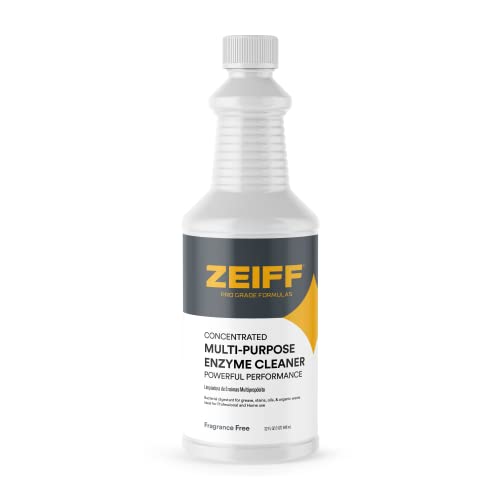
- Option C: Commercial Enzyme Cleaner: This is the most powerful option for tough odors. An enzyme-based cleaner [entity: enzyme cleaner] uses specific proteins to digest and break down the organic matter causing the stain and smell. It doesn’t just mask the odor; it eliminates the source.
Apply your chosen solution lightly to the stained area. Do not oversaturate the fabric, as this can lead to moisture getting trapped in the foam, which can cause mildew.
How Do You Clean Vomit from Car Seat Straps and Buckles Safely?
This is the most important safety section of the entire guide. Car seat straps [entity: Harness System] and buckles are safety-critical components. Improper cleaning will damage them and can cause them to fail in a crash.
⚠ WARNING: Never, under any circumstances, should you perform the following actions on car seat straps:
* Do NOT place them in a washing machine.
* Do NOT submerge them completely in water.
* Do NOT use bleach, harsh solvents, vinegar, or any chemical other than mild soap.
* Do NOT iron or apply high heat to them.
These actions will weaken the webbing tensile strength, which are the tightly woven fibers that keep your child secure. This damage is often invisible but can have catastrophic results.
Here is the safe way to clean straps and buckles:
- For the Straps: Dampen a soft cloth or a baby wipe with water and a tiny drop of mild soap. Gently wipe the surface of the straps to remove any surface grime. You are only spot-cleaning the surface.
- For the Buckle: To clean the crotch buckle [entity: crotch buckle], hold it over a cup of warm water and swish only the plastic mechanism around. Do not get the webbing wet. Press the red release button several times while it’s in the water to dislodge any debris that may have gotten inside. A clogged buckle can fail to latch or unlatch properly.
- Rinse: Use a separate clean, damp cloth (with only water) to wipe down the straps and remove any soap residue.
- Air Dry: Allow the straps and buckle to air dry completely before use.
How Do You Get a Lingering Vomit Smell Out of a Car Seat?
After cleaning, you might still face a lingering vomit smell, especially on humid days. This is caused by bacteria that have soaked into the fabric or foam. Here are the two best methods to eliminate odor [entity: Odor], not just mask it.
The best method depends on the severity of the smell. Baking soda is great for mild odors, while an enzymatic cleaner is the definitive solution for stubborn smells.
| Feature/Aspect | Method 1: Baking Soda | Method 2: Enzymatic Cleaner |
|---|---|---|
| Mechanism | Absorbs and neutralizes acidic odors | Digests and eliminates organic bacteria causing odor |
| Best For | Mild to moderate smells, fresh incidents | Stubborn, set-in, or sour milk smells |
| Application | Sprinkle dry on fabric, let sit, vacuum | Spray lightly on fabric, let air dry |
| Cost | Very Low | Low to Moderate |
| Safety | Non-toxic, safe | Choose a non-toxic, baby-safe formula |
For the baking soda method, ensure the fabric is completely dry. Sprinkle a thick layer over the entire affected area. Let it sit for several hours, or even overnight, to absorb the odors. Then, vacuum it up thoroughly using a hose attachment.
For the enzyme cleaner, lightly spray the affected area and allow it to air dry. The enzymes need time to work, and they do so by “eating” the organic source of the smell.
FAQs About how to clean throw up out of car seat
Can I steam clean my car seat?
In most cases, you should not steam clean a car seat, especially the straps. The high heat can potentially damage the plastic shell and, most critically, can weaken the tensile strength of the harness webbing. Some manufacturers may allow it for the cover only, but you must confirm in your specific car seat manual before proceeding.
How do I clean dried, old vomit from a car seat?
To clean dried vomit, you first need to rehydrate and break it down. Spray the area with a solution of water and a few drops of dish soap, or an enzyme cleaner, and let it sit for 10-15 minutes. This will soften the crusty material, allowing you to then scrape it off and proceed with the standard scrubbing and rinsing method outlined in this guide.
Does vinegar remove vomit smell?
Yes, vinegar can effectively help remove vomit smell due to its acetic acid content. It works by neutralizing the alkaline molecules in the odor. A solution of 50/50 white vinegar and water is a great DIY deodorizer. However, for severe or protein-based smells (like milk vomit), an enzyme cleaner that digests the source of the odor is often more effective.
How long should I let baking soda sit on the vomit stain?
For best results, let baking soda sit for at least 4 to 8 hours, or even overnight. The longer it sits, the more time it has to absorb moisture and neutralize acidic odors. Ensure the area is completely dry before applying the baking soda, and vacuum it up thoroughly afterward.
Can I put car seat straps in the washing machine?
No, you must never put car seat straps in a washing machine or submerge them in water. The aggressive washing action, combined with detergents, can stretch and weaken the safety webbing, compromising its ability to protect your child in a crash. This will also void the car seat’s warranty. Always spot-clean straps by hand.
How do I clean vomit out of the tiny car seat crevices and buckle holes?
A toothbrush or cotton swabs are your best tools for cleaning crevices. Dip a toothbrush in a mild soap and water solution and gently scrub inside the plastic seams and textured areas. For the buckle, use a cotton swab to clear out any visible debris after swishing the mechanism in warm water.
What’s the best way to dry a car seat after cleaning?
The best way to dry a car seat is to let it air dry completely. If possible, place it in a well-ventilated area or in the sun, as sunlight is a natural disinfectant and odor neutralizer. You can also use a fan to speed up the process. Never use a hairdryer or direct heat source, as this can warp the plastic components.
How do I clean vomit from a leather car seat?
For leather, act quickly and avoid saturation. Scrape solids, then blot liquids. Use a cleaner specifically designed for leather or a cloth dampened with a very mild soap and water solution. Wipe the area, then immediately wipe it dry with a clean cloth. Follow up with a leather conditioner to restore moisture and prevent cracking.
What if the vomit soaked through to the foam padding?
If the foam is soaked, you must press out as much moisture as possible. After removing the cover, press down on the foam with thick, dry towels to absorb the liquid. Then, spray the area lightly with an enzyme cleaner to neutralize odors within the foam. Allow it to air dry completely, which may take 24-48 hours.
Can I use bleach to sanitize the car seat?
No, you should never use bleach on any part of a car seat. Bleach is a harsh chemical that will degrade the plastic and, most importantly, severely weaken the harness strap fibers, making them unsafe. It will also cause fabric discoloration. Use mild soap or a baby-safe enzyme cleaner for sanitizing.
Key Takeaways: How to Clean Throw Up Out of a Car Seat Summary
- Safety First, Always: Your car seat manual is the ultimate authority. Never use methods or chemicals (like bleach) that could weaken safety components or void your warranty.
- Straps Are Special: Never machine wash, submerge, or use harsh chemicals on harness straps. Spot-clean them gently with a cloth, mild soap, and water to preserve their tensile strength.
- Cold Water is Crucial: Always use cold water for the initial cleaning of protein-based stains like vomit. Hot water can “cook” the protein, setting the stain permanently into the fabric fibers.
- Blot, Don’t Rub: When dealing with the wet mess, always blot with paper towels to lift the liquid out. Rubbing grinds the particles deeper into the upholstery and foam.
- Choose the Right Cleaner: For mild incidents, a DIY solution of vinegar or dish soap works. For stubborn odors and stains, an enzyme-based cleaner is superior because it digests the organic source of the smell.
- Baking Soda is Your Friend: A generous layer of dry baking soda left for several hours is a powerful, non-toxic way to absorb lingering moisture and neutralize acidic odors after cleaning.
- Air Dry Completely: Ensure every part of the car seat—cover, foam, and straps—is 100% dry before reassembly to prevent mold and mildew growth. Sunlight can help, but avoid intense, direct heat.
Final Thoughts on Cleaning Car Seat Vomit
Successfully cleaning vomit from a car seat is a balance between acting quickly and moving cautiously. It requires immediate action to remove the mess, followed by a careful, methodical process to clean and sanitize without compromising the seat’s critical safety features. By respecting the unique cleaning needs of the fabric, foam, and especially the harness system, you can restore your car seat to a clean, fresh, and safe condition. You’ve got this.
Last update on 2026-03-10 / Affiliate links / Images from Amazon Product Advertising API


