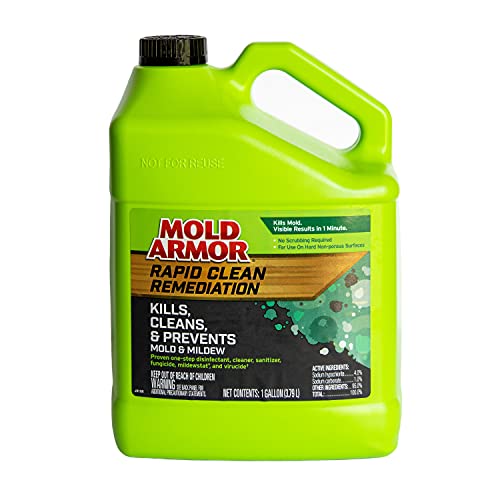
Discovering mold in your car is more than just an unsightly mess; it’s a direct threat to your vehicle’s interior and your health. That musty smell and those fuzzy spots signal a problem that needs immediate attention, but figuring out the right way to tackle it can be overwhelming.
To clean mold out of a car, you must first ensure your safety by wearing an N95 mask and gloves. Then, thoroughly vacuum the interior with a HEPA filter vacuum, apply a cleaning solution like diluted white vinegar, scrub all affected surfaces, ensure the car is completely dry, and replace the cabin air filter to prevent regrowth.
This comprehensive guide moves beyond simple surface cleaning. Leveraging detailed analysis of professional remediation techniques, we’ll walk you through a proven, step-by-step process to safely eliminate car mold, choose the right cleaning solutions, and implement long-term prevention strategies. You’ll learn not just how to clean the mold, but why each step is critical for a healthy, mold-free car.
Key Facts
- Significant Health Risk: Mold is a fungus that can pose serious health risks, especially for individuals with allergies, respiratory issues, or compromised immune systems, as exposure can affect the heart and lungs.
- Moisture is the Culprit: The primary cause of mold growth in cars is excess moisture. This commonly stems from spills, leaks from weather-stripping, leaving windows open in the rain, or high ambient humidity.
- Safety is Non-Negotiable: Before cleaning, wearing Personal Protective Equipment (PPE) is essential. Professional guidance consistently recommends an N95 respirator mask, sealed goggles, and rubber gloves to prevent inhaling dangerous spores and avoid skin contact.
- Vinegar is a Proven Solution: For a safe and effective DIY cleaner, white vinegar is highly recommended. Its mild acidity kills mold spores and helps prevent them from returning, making it a better choice than harsh chemicals like bleach that can damage upholstery.
- The Cabin Air Filter is Crucial: A vital final step in any thorough mold removal process is replacing the cabin air filter. An old, contaminated filter can hold onto spores and re-introduce them into your car’s ventilation system, undoing all your hard work.
Why Mold in Your Car is a Serious Problem (And What Causes It)
Mold in your car is a health hazard, especially for those with allergies or respiratory issues, and is caused by excess moisture from leaks, spills, or high humidity. Have you noticed a musty smell or visible spots in your car? It might be more than just dirt. Understanding what you’re dealing with is the first step to fixing the problem for good.

Mold is a type of fungus that thrives in damp, warm, and dark environments—a perfect description of a car’s interior after a spill or on a humid day. When mold spores find a suitable environment with a food source (like dirt, food crumbs, or even the fabric of your seats), they begin to grow. This growth not only causes unpleasant odors and can permanently damage your car’s upholstery and carpets, but it also poses significant health risks.
Inhaling mold spores can trigger allergic reactions and lead to serious respiratory issues. For individuals with asthma or compromised immune systems, the presence of mold in the confined space of a car can be particularly dangerous, turning every drive into a health risk.
The root cause of car mold is always one thing: moisture. Identifying the source is critical for effective cleaning and prevention. Common culprits include:
- Spilled Liquids: A forgotten soda, a leaky water bottle, or a coffee mishap can soak into carpets and upholstery, creating a breeding ground for mold.
- Leaks and Open Windows: Faulty weather-stripping around doors and windows or accidentally leaving a window cracked open during a rainstorm allows water to seep inside.
- High Humidity: In humid climates, moisture in the air can be enough to sustain mold growth, especially if the car is not well-ventilated.
- Wet Items: Tossing damp gym clothes, wet towels, or umbrellas onto the seats or floor mats introduces moisture directly into the interior.
- Flood Damage: This is the most severe cause, where water deeply penetrates every part of the car’s interior, often requiring professional remediation.
Learning how to clean mold out of a car starts with recognizing its dangers and understanding its causes.
Step 1: Prioritize Safety & Prepare Your Vehicle
The first step is to protect yourself with an N95 mask, goggles, and gloves, then prepare the car by parking it in a sunny, ventilated area and removing all loose items and mats.
Safety First: Don’t skip these crucial measures. Protecting your health is the most important part of the job. Before you even touch a cleaning solution, you must gear up to protect yourself from inhaling airborne mold spores and prevent skin contact. An N95 respirator is different from a simple cloth mask; it is designed to filter out microscopic particles like mold spores.
Here is the essential Personal Protective Equipment (PPE) you will need:
| Item | Purpose |
|---|---|
| N95 Respirator Mask | To prevent inhaling harmful mold spores. |
| Sealed Goggles | To protect your eyes from airborne spores and cleaner splash-back. |
| Rubber Gloves | To prevent skin contact with mold and chemical cleaning agents. |
| Long-Sleeved Clothing | To cover exposed skin and prevent irritation or contact. |
Once you are properly protected, you can begin preparing your vehicle for the cleaning process. This preparation ensures the cleaning is as effective as possible and helps contain the spread of spores.
- Find the Right Location: Park your car outside in a well-ventilated, sunny area. Sunlight is a natural mold inhibitor, and the open air will help disperse the spores you kick up during cleaning, rather than letting them settle back inside a closed garage.
- Maximize Ventilation: Open all the car doors and windows. This creates cross-ventilation, helping to air out the musty smell and reduce the concentration of spores inside the cabin.
- Empty the Interior: Remove everything from the car. This includes floor mats, seat covers, personal items, trash, and any damp articles like gym bags or umbrellas. These items must be cleaned and dried separately before being returned to the car.
- Address the Source: If you know there’s an active leak, address it now. There is no point in cleaning the mold if water will just get back in. Check window seals and door gaskets for any signs of damage.
Proper preparation sets the stage for a successful and safe effort to clean mold out of a car.
Step 2: Remove Loose Spores & Choose Your Cleaning Solution
After thoroughly vacuuming all surfaces with a HEPA-filtered vacuum, select an appropriate cleaning solution, such as diluted white vinegar for a natural option or a commercial enzyme cleaner for tougher jobs.
Before you apply any liquid cleaner, your first move is to remove as much of the loose, dry mold and spores as possible.
Pro Tip: A vacuum with a HEPA (High-Efficiency Particulate Air) filter is critical. A regular vacuum can suck up mold spores from the carpet and then blast them back into the air through its exhaust, making the problem worse. A HEPA filter traps these microscopic particles, safely removing them from your car’s environment. Carefully vacuum every surface: seats, carpets, crevices, and the trunk.
With the loose debris removed, it’s time to choose your weapon. Different situations call for different solutions. While powerful commercial products exist, many effective and safer options can be made from household items.
Here is a comparison of the most effective cleaning solutions for car mold:
| Solution | How It Works | Best For | Caution |
|---|---|---|---|
| White Vinegar | The mild acid in vinegar kills mold spores on contact and helps prevent regrowth. | Fabric, carpets, and hard surfaces. A versatile and safe first choice. | Use a 1:1 dilution with water for general cleaning. Can be used undiluted on stubborn spots. |
| Baking Soda | Absorbs moisture and odors. When made into a paste, it provides gentle abrasion for scrubbing. | Light mold on fabric and as a follow-up odor remover. | Sprinkle dry on carpets, wait, then vacuum. Or mix with vinegar to form a paste. |
| Clove Oil | A powerful natural antiseptic that is highly effective at killing mold spores. | Spot treatment on tough areas. | Very potent. Mix only a quarter teaspoon per liter of water. Test on an inconspicuous area first. |
| Enzyme-Based Cleaner | These cleaners use enzymes to break down organic matter like mold at a molecular level. | Deep-seated mold in carpets and upholstery that has been present for a while. | Follow product instructions carefully. Ensure it is rated for automotive interiors. |
| Commercial Mold Remover | Specially formulated chemical agents designed to kill mold and inhibit future growth. | Severe mold infestations where other methods might not be sufficient. | Check that the product is safe for your car’s specific materials (e.g., leather, vinyl). Ensure good ventilation during use. |
Choosing the right cleaner is a key step in learning how to clean mold out of a car effectively. For most mild to moderate cases, a simple solution of white vinegar and water is an excellent starting point.
Step 3: Apply Cleaner, Scrub, and Deep Clean
Carefully apply the cleaner, scrub affected areas with a brush, and for deep-seated mold in fabrics, use a steam cleaner or an enzyme shampoo with a wet/dry vacuum to extract all moisture and residue.
Now that you’ve prepped, vacuumed, and chosen your solution, it’s time for the main event. Don’t be afraid to use a little elbow grease, especially in seams and crevices where mold loves to hide. The key is to be thorough without oversaturating the fabric, which could lead to more moisture problems.
Here’s the step-by-step process for application and scrubbing:
- Apply the Cleaner: Lightly spray your chosen solution onto the moldy areas. Avoid soaking the fabric. For leather or vinyl, apply the cleaner to a cloth first, then wipe the surface.
- Let it Sit: Allow the solution to sit for several minutes (up to 20 minutes for vinegar) to give it time to work on killing the mold spores.
- Scrub Thoroughly: Use a medium-stiff scrub brush to agitate the surface. Work in small circles to lift the mold from the fibers of the carpet or upholstery. Use an old toothbrush to get into tight seams, cracks, and hard-to-reach areas.
- Wipe Away Residue: Use a clean, damp microfiber cloth to wipe away the cleaning solution and the loosened mold residue.

For Light Mold:
The spray-and-scrub method is often sufficient for surface-level mold on seats or plastic trim.
For Heavy Mold & Carpets:
If the mold is extensive or deeply embedded in the carpets, you’ll need to go a step further.
Steam Cleaning is a highly recommended option for deep cleaning. The high-temperature vapor penetrates deep into fabric pores to kill mold spores and sanitize the surface without using harsh chemicals. It also helps lift stains and neutralize allergens.
If steam cleaning isn’t an option, use an enzyme carpet shampoo specifically designed to break down organic matter. Apply the shampoo, scrub it into the carpets, and then—this is the crucial part—use a wet/dry vacuum with an upholstery attachment to extract all the liquid, dirt, and dissolved mold from the carpet. If you can’t extract the moisture, you risk leaving the padding underneath damp.
Step 4: Disinfect, Dry Thoroughly, and Reassemble
Finish by applying a mold-killing disinfectant, ensuring the car interior is 100% dry using sunlight and a dehumidifier, and replacing the old cabin air filter with a new one to prevent spore recirculation.
Cleaning the visible mold is only half the battle. The final steps are all about eliminating any lingering invisible spores and making absolutely sure you remove the one thing mold needs to survive: moisture.
- Apply a Final Disinfectant: After scrubbing, lightly mist the cleaned areas with a dedicated antimicrobial or mold-killing spray designed for car interiors. This provides a final layer of protection and inhibits any surviving spores from growing back. Products like Microban are effective for this final step.
- Air Out & Dry Completely: This is the most critical part of the prevention phase. Park the car in direct sunlight with all doors and windows open for several hours. Use fans to circulate air inside the cabin. If the weather is humid, place a dehumidifier inside the car and close the doors to draw every last bit of moisture out of the seats and carpets. The interior must be bone-dry before you close it up.
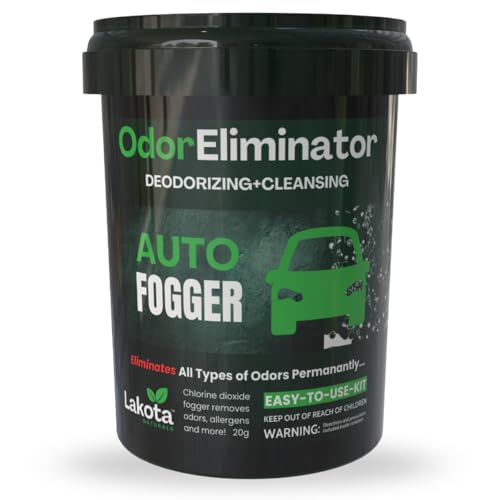
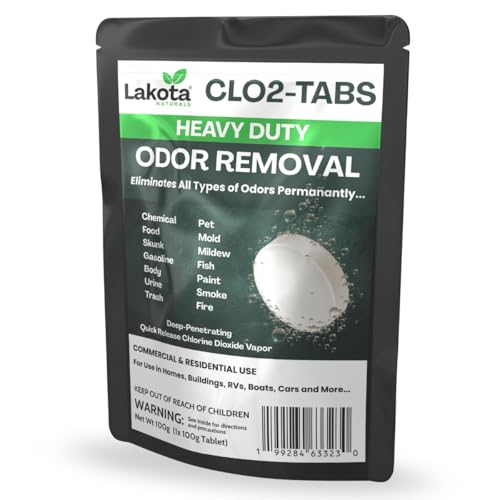
- (Optional Advanced Step) Neutralize Lingering Spores: For persistent musty odors, professionals often use an ozone generator or a chlorine dioxide gas treatment. These tools release a gas that oxidizes and destroys any remaining mold spores and odor-causing bacteria throughout the entire cabin and HVAC system. While some professionals prefer Chlorine Dioxide as it is less harsh on rubber seals than ozone, both are powerful solutions for severe cases.
- Replace the Cabin Air Filter: Critical Final Step: Don’t put all that work to waste. Your car’s old cabin air filter is likely filled with mold spores. Every time you turn on your heat or AC, it will blow those spores right back into your freshly cleaned car. Replace it with a new, high-quality filter (a MERV 13 grade filter offers superior filtration) to ensure the air circulating in your car is clean and spore-free.
Once the interior is completely dry and the new filter is in, you can reinstall your clean floor mats, seat covers, and other items.
When DIY Isn’t Enough: Deciding to Call a Professional
If mold persists after DIY cleaning, covers large areas, causes a lingering smell, or is suspected in hidden areas like the HVAC system, it’s time to call a professional detailer for remediation.
While the steps in this guide are effective for many situations, some mold problems are too extensive or too hidden for a DIY approach. Be honest with your assessment. Sometimes, calling a professional is the safest and most effective long-term solution to properly clean mold out of a car.
Knowing when to throw in the towel and call an expert can save you time, frustration, and protect your health.
Here are clear signs that you should contact a professional mold remediation or automotive detailing specialist:
- The Mold Returns: You’ve performed a thorough cleaning, but the mold or musty smell comes back within a few weeks. This indicates a hidden moisture source or that the infestation is deeper than you can reach.
- Extensive Visible Growth: The mold covers a large portion of the interior, such as an entire seat, the whole carpet, or appears in a splash-like pattern across multiple surfaces.
- Persistent Health Symptoms: You or your passengers experience allergic reactions, lightheadedness, nausea, or breathing difficulties when in the car, even after you’ve cleaned it.
- Suspected HVAC Contamination: If the musty smell is strongest when you run the heat or air conditioning, the mold is likely deep within the ventilation system, an area inaccessible to most DIYers.
- Deep Carpet or Padding Saturation: If you suspect the carpet padding underneath is moldy (often from a leak or flood damage), it typically needs to be removed and replaced, a job best left to professionals.
- You Can’t Find the Leak: If you know water is getting in but can’t locate the source (e.g., brittle weather-stripping, a clogged drain line), a professional can perform leak detection and repair.
Professional remediation can range from a couple of hundred dollars for minor issues to over $2000 for severe cases related to flood damage. These experts have access to commercial-grade equipment like powerful ozone generators, steam extractors, and specialized chemicals to ensure every trace of mold is eliminated safely.
Long-Term Prevention: Keeping Your Car Mold-Free
Prevent mold regrowth by consistently keeping your car’s interior dry, immediately cleaning spills, ensuring windows are sealed, parking in the sun, and performing regular interior cleaning with antimicrobial products.
After you’ve successfully learned how to clean mold out of a car, the focus shifts to prevention. A little prevention goes a long way. Making these simple habits part of your regular car care routine will ensure you never have to deal with a serious mold problem again.
The strategy is simple: control moisture and eliminate food sources.
- Minimize Moisture: If you live in a damp climate, park your car in a garage whenever possible or use a high-quality waterproof car cover. This protects it from rain and morning dew.
- Check Your Seals: Always ensure your windows are rolled up completely and tightly sealed. Regularly inspect the rubber weather-stripping around your doors and sunroof for cracks or brittleness that could allow water to enter.
- Clean Spills Immediately: Don’t let spills soak in. Keep a small car cleaning kit with a microfiber towel and an interior cleaner in your trunk to tackle messes as soon as they happen.
- Avoid Eating in the Car: Food crumbs and sugary drink residue are a buffet for mold spores. If you must eat in your car, be diligent about cleaning up afterward.
- Keep It Dry Inside: Never leave wet items like umbrellas, towels, or damp clothing in your car. If your floor mats get wet, take them out and let them dry completely in the sun before putting them back.
- Clean Regularly: Periodically vacuuming and wiping down your car’s interior removes the dust and organic debris that mold feeds on. Using a quality antimicrobial interior cleaner can add a layer of protection.
- Use Sunlight: Whenever possible, park your car in a sunny spot. The sun’s UV rays are a natural mold killer, and the heat helps keep the interior dry.
- Ensure Good Ventilation: On dry days, crack the windows slightly (if parked in a secure area) or run the fan to circulate fresh air and prevent moisture from building up inside.
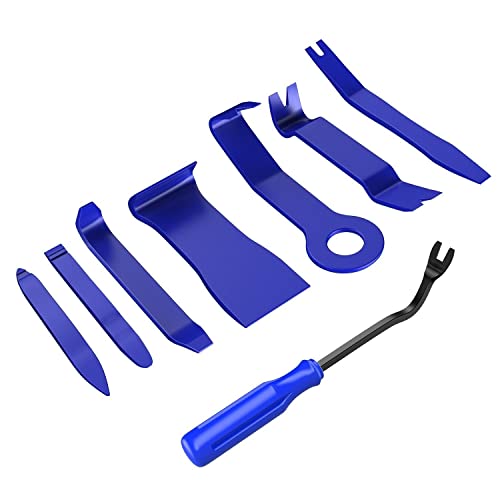
To keep your car’s interior fresh and protected, consider investing in a complete car care kit that includes specialized cleaners and protectants.



FAQs About Cleaning Car Mold
Here are answers to some of the most common questions people have when facing mold in their vehicle.
Can a moldy car be saved?
Yes, in most cases, a moldy car can be saved through thorough cleaning or professional help; only extreme flood damage may make it unsalvageable. For most common mold issues caused by leaks or spills, the methods outlined in this guide are very effective. A car may only be considered a total loss if it has been submerged in a flood, causing mold to deeply penetrate all foam padding, wiring, and structural components beyond the reach of remediation.
What is the absolute best cleaner for mold in a car interior?
For mild surface mold, diluted white vinegar is highly effective. For tougher, embedded mold in carpets or upholstery, a specialized enzyme-based cleaner is best. There isn’t one single “best” cleaner, as the right choice depends on the severity and location. White vinegar is an excellent, safe, and inexpensive option for most situations. However, for stubborn mold that has deeply penetrated fabric fibers, an enzyme cleaner will be more effective because it chemically breaks down the mold itself.
How do I get mold out of car carpets specifically?
Clean car carpets using an enzyme shampoo, scrub, and extract with a wet/dry vacuum. If mold is deep in the padding, the carpet and padding may need professional replacement. Cleaning carpets requires a multi-step approach:
* First, vacuum thoroughly with a HEPA filter vacuum.
* Apply an enzyme carpet shampoo and scrub with a stiff brush.
* Use a wet/dry vacuum or carpet extractor to pull all the moisture and dissolved grime out.
* Ensure the carpet dries completely.
If you notice the carpet padding underneath is wet or stained, it must be addressed, as mold will thrive there.
Can I just use bleach to kill the mold?
No, using household bleach is not recommended for car interiors because it can permanently stain and damage upholstery and carpets. Use white vinegar or a dedicated car interior cleaner instead. While bleach is a powerful disinfectant for non-porous surfaces like bathroom tiles, it is far too harsh for the delicate fabrics and materials in a car. It will likely cause discoloration and can even weaken fabric fibers. Safer and equally effective alternatives should always be your first choice.
Final Summary: Your Roadmap to a Mold-Free Car
You now have the complete blueprint to safely and effectively remove mold from your car. Confronting mold can feel daunting, but by following a systematic approach, you can restore your car’s interior to a clean, healthy, and pleasant environment. The key is to address not just the visible spots, but the underlying cause and the invisible spores.
Remember the four pillars of successful car mold removal:
- ✅ Safety First: Always protect yourself with an N95 mask, gloves, and goggles before you begin. Your health is the top priority.
- ✅ Thorough Cleaning: Start by vacuuming with a HEPA filter, then use an appropriate cleaner like white vinegar to scrub every affected surface, from seats to carpets.
- ✅ Complete Drying: This step is non-negotiable. Use sunlight, fans, or a dehumidifier to ensure every inch of the interior is 100% dry to prevent immediate regrowth.
- ✅ Active Prevention: Adopt new habits to keep your car dry, clean up spills immediately, and critically, replace the cabin air filter to stop the cycle of contamination.
Take these steps and reclaim your clean, healthy driving environment
Last update on 2026-03-04 / Affiliate links / Images from Amazon Product Advertising API