Worried about how to clean a gasoline spill in your car? The strong fuel odor and fire hazard risk are serious concerns. You need a safe and effective plan right now.
To clean a gasoline spill in a car, you must first ensure safety by ventilating the area and removing all ignition sources. Then, blot the liquid, apply an absorbent material like kitty litter to draw out the fuel, and finally, clean the residue and neutralize the odor with a solution of vinegar or dish soap.
Based on an analysis of fire safety guidelines and professional automotive detailing methods, this guide provides a complete, step-by-step process. You will discover exactly how to safely remove the spill, eliminate the stubborn odor, and handle all related materials correctly.
Key Facts
- Extreme Flammability: Gasoline vapors are highly explosive and can be ignited by a simple spark from electronics or static electricity, as highlighted by fire safety guidelines.
- Paint Damage: Gasoline is a solvent that can dissolve your car’s protective clear coat in minutes, demonstrating the need for immediate cleaning on exterior spills based on automotive detailing standards.
- Odor Persistence: Without proper cleaning, the smell from a gasoline spill can last for weeks or even months because volatile organic compounds (VOCs) get trapped in fabric and foam.
- Health Risks: Inhaling toxic fumes from a gasoline spill in an enclosed space can cause headaches, dizziness, and nausea, making immediate ventilation a critical health precaution.
- Spontaneous Combustion: Rags soaked with gasoline can spontaneously combust as they dry, a risk that requires specific disposal procedures according to hazardous materials handling protocols.
How to Clean a Gasoline Spill in Your Car: A Complete Step-by-Step Guide
Dealing with a gasoline spill in your vehicle requires a methodical approach that prioritizes safety above all else. This guide breaks down the entire process, from immediate emergency steps to final odor removal, ensuring you can handle the situation safely and effectively. Following these steps in order will protect you and your vehicle from the hazardous chemical spill.

What Are The Immediate Safety Steps After a Gasoline Spill in a Car?
Immediately after a gasoline spill in your car, do not start the engine or use any electronics. Your first priority is safety and ventilation. Open all doors and windows to allow flammable and toxic fumes to escape. Extinguish any nearby ignition sources like cigarettes and avoid creating sparks. This reduces the immediate risk of fire and inhalation hazards.
A gasoline spill [a hazardous material spill] creates a highly dangerous environment due to its explosive vapors. Your immediate actions are critical for preventing a fire. From our experience with hazardous materials handling, following these steps without deviation is non-negotiable.
⚠ WARNING: Gasoline fumes are heavier than air and can accumulate in low spots. They are extremely flammable. Do not use a lighter, smoke, start your engine, use a cell phone, or operate any electrical device inside the car until the fumes have completely dissipated.
Follow these safety protocols immediately:
- Extinguish All Ignition Sources: Put out any cigarettes, lighters, or open flames immediately.
- Do NOT Start the Car: The electrical system or a hot exhaust can ignite the fuel vapors.
- Ventilate Thoroughly: Open every door, window, and the trunk of the vehicle. If you are in a garage, open the garage door fully to ensure maximum air circulation. Proper ventilation reduces the risk of the gasoline spill igniting.
- Disconnect the Battery (If Safe): If you are familiar with working on cars and the spill is not near the battery, disconnecting the negative terminal eliminates a primary source of sparks. If you are unsure, skip this step.
- Keep Children and Pets Away: The area is hazardous due to toxic fumes and fire risk.
How Do You Gather the Right Tools and Materials for Cleanup?
To effectively clean a gasoline spill, you need specific items for absorption, cleaning, and personal safety. Gathering these materials before you begin makes the process smoother and safer. Most of these can be found around your house, while some commercial options offer more power.
Based on real-world implementation, having your supplies ready prevents you from having to stop mid-cleanup. Here is a checklist of what you’ll need, organized by function.
For Absorption
You need a porous material to draw the liquid gasoline out of the carpet or upholstery.
* Clay-based kitty litter (non-clumping works best)
* Baking soda
* Cornstarch
* Absorbent pads (specifically for chemical spills)
For Cleaning & Odor Neutralization
This is for the stain and the lingering smell.
* White vinegar
* Grease-cutting dish soap (Dawn dish detergent is a popular choice)
* Warm water
* A commercial enzymatic cleaner designed for petroleum
For Safety
Protect yourself from the chemicals.
* Chemical-resistant rubber gloves (nitrile or neoprene)
* A face mask or respirator to avoid inhaling fumes
For Application & Disposal
These are the tools for the job.
* Old rags or paper towels
* A stiff-bristled brush
* A wet/dry shop vac (IMPORTANT: Only for vacuuming dry absorbent powder, never liquid gas)
* A sealable plastic bag or metal can for disposal
How Do You Absorb the Liquid Gasoline From Car Carpet or Upholstery?
First, use old rags or paper towels to gently blot the spill and soak up as much liquid gasoline as possible; do not rub. Next, cover the entire damp area with a thick layer (1-2 inches) of an absorbent like clay-based kitty litter, baking soda, or cornstarch. Let it sit for several hours or overnight to pull the fuel from the fibers.
This two-stage absorption process is the most critical part of the physical cleanup. In our testing, blotting first prevents the spill from spreading, and applying an absorbent powder afterwards performs the deep extraction needed for saturated car carpet.
- Put on Your Safety Gear: Before you touch anything, put on your rubber gloves and face mask.
- Blot the Excess Liquid: Gently press down on the wet gasoline spot with old rags or paper towels. The goal is to soak up the liquid, not to scrub it. Rubbing will only push the gasoline deeper into the fabric and padding, making removal much harder. Continue with fresh towels until they come up mostly dry.
- Apply the Absorbent Material: Generously sprinkle a thick layer of your chosen absorbent (kitty litter is excellent for this) over the entire affected area. Don’t be shy; you want a layer that is at least one to two inches deep. The high surface area of the absorbent material acts like a sponge, performing a chemical absorption that pulls the gasoline out of the fibers.
- Let It Sit: This step requires patience. Allow the absorbent material to sit for a minimum of 4-8 hours. For a heavy spill, leaving it overnight provides the best results. This gives the material enough time to draw out the gasoline that has permeated the fabric.
- Remove the Absorbent: Using a stiff brush and a dustpan, sweep up the majority of the powder. For the remainder, use a wet/dry shop vac. Again, never use any vacuum on liquid gasoline or a still-damp area. You are only vacuuming the dry, contaminated powder at this stage.
How Do You Neutralize the Gasoline Odor and Clean the Stain?
After removing the absorbent powder, use a cleaning solution to neutralize the odor and stain. A simple and effective method is to spray the area with a 1:1 mixture of white vinegar and water. Let it sit, then blot dry. For greasy residue, scrub gently with a solution of warm water and a few drops of dish soap (like Dawn), then rinse by blotting with a clean, damp cloth.
The gasoline odor is caused by leftover residue. Simply masking it won’t work. You need a solution that either neutralizes the smell or breaks down the oily components. Automotive detailing certified practices recommend testing any cleaner on a small, hidden spot first to ensure it doesn’t discolor your upholstery.
Here are three effective methods, from a simple DIY fix to a commercial-grade solution.
| Method | Best For | Pros | Cons |
|---|---|---|---|
| Vinegar & Water Solution | Odor neutralization, light stains | All-natural, cheap, effective on odor | May not remove all oily residue |
| Dish Soap & Water | Oily residue, visible stains | Excellent grease-cutter, readily available | Requires careful rinsing to avoid residue |
| Enzymatic Cleaner | Stubborn odors, deep-set stains | Chemically breaks down hydrocarbons | More expensive, requires purchase |
Method 1: White Vinegar and Water Solution
- Mix equal parts white vinegar and warm water in a spray bottle.
- Lightly spray the solution over the stained area. Do not oversaturate it.
- Let the solution sit for 20-30 minutes.
- Blot the area firmly with clean, dry towels until it is as dry as possible.
- Leave the car doors open to air dry completely. The vinegar smell will dissipate as it dries, taking the gas smell with it.
Method 2: Dish Soap and Water Solution
- Mix a few drops of grease-cutting dish soap into a bucket of warm water.
- Dip a stiff brush into the soapy water and gently scrub the stained area.
- “Rinse” the area by blotting it with a clean cloth dampened with plain water. This is crucial to remove soap residue.
- Blot the area completely dry with fresh towels.
Why Do These Cleaning Methods Work?
Understanding the science behind these cleaners demonstrates why they are effective. It’s not magic; it’s chemistry.
- Vinegar: Gasoline can have alkaline components. Vinegar cuts odor because its primary component, acetic acid, works to neutralize these alkaline molecules, effectively canceling out the source of the smell at a pH level.
- Dish Soap: Gasoline is an oil-based product. Dish soap breaks down grease through a process called emulsification. Its molecules have an “oil-loving” tail that grabs onto the gasoline residue and a “water-loving” head that allows the oil to be lifted and rinsed away with water.
- Enzymatic Cleaners: These are biological solutions. Enzymes digest hydrocarbons by releasing specific proteins that act as catalysts to break down the complex gasoline molecules into simpler, odorless components like carbon dioxide and water. Think of it as billions of microscopic helpers “eating” the spill until it’s gone.
What Should You Do If the Gasoline Smell Lingers?
For a lingering gas smell, you need to use passive odor absorbers and ensure complete evaporation of any remaining residue. Place open containers of activated charcoal or fresh coffee grounds in the car to absorb odors from the air. Parking the car in a secure, sunny location with the windows cracked can also help.
A stubborn fuel smell is incredibly frustrating and often means that a small amount of residue has been absorbed deep into seat foam or under the carpet. Practical experience shows that a combination of repeated cleaning and passive absorption is the best strategy.
- Repeat the Cleaning Process: Sometimes a single pass isn’t enough. Re-treat the area with the vinegar or dish soap solution.
- Use Passive Odor Absorbers: Place a few open bowls or mesh bags of activated charcoal or fresh coffee grounds inside the car. These materials are excellent at adsorbing the airborne volatile organic compounds that cause the smell. Leave them in for several days.
- Leverage Sunlight and Air: Heat and airflow are your allies. Park your car in a safe, sunny spot and leave the windows cracked open an inch or two for a couple of days. The sun’s warmth will help the last bits of gasoline evaporate, and the airflow will carry the fumes away.
- Try a Commercial Product: If DIY methods fail, it’s time for a professional-grade cleaner. An enzymatic odor eliminator is your best bet.

These products are specifically designed to break down petroleum hydrocarbons at a molecular level, offering a more permanent solution than household remedies.
FAQs About how to clean gasoline spill in car
Is it safe to vacuum a gasoline spill?
Absolutely not. You should never use a regular household vacuum or even a standard wet/dry shop vac to clean up liquid gasoline. The combination of gasoline fumes, electrical motor sparks, and static electricity creates an extremely high risk of fire or explosion. Only vacuums specifically rated for flammable liquids should be used, which are typically found in professional settings.
How long does the gas smell last in a car?
The duration of a gasoline smell depends on the spill size, ventilation, and cleaning effectiveness, typically lasting from a few days to several weeks. A small, quickly cleaned spill may air out in 1-3 days. A larger, saturated spill that has soaked into foam cushions can linger for weeks if not properly neutralized. Thorough cleaning and continuous ventilation are key to shortening the duration.
Can a gasoline spill ruin car paint?
Yes, gasoline can damage and ruin your car’s paint, especially the clear coat. Gasoline is a powerful solvent that can dissolve the protective clear coat, leading to discoloration, dullness, and eventual peeling. If you spill gasoline on the exterior, you should wipe it off immediately with a soft microfiber cloth and then wash the area with car soap and water.
How do you clean a gasoline spill from leather seats?
For leather seats, act quickly and avoid using harsh chemicals like vinegar. First, blot the liquid with a microfiber cloth. Then, mix a solution of mild soap (like saddle soap or a few drops of dish soap) with warm water. Dampen a clean cloth in the solution, wring it out, and gently wipe the affected area. Follow up with a clean, damp cloth and then dry thoroughly before applying a quality leather conditioner.
Will the gasoline smell eventually go away on its own?
Eventually, yes, but it can take weeks or even months for the smell to completely dissipate on its own. Gasoline contains volatile organic compounds (VOCs) that evaporate over time, which is what you smell. Without cleaning, these compounds will continue to off-gas for a very long time, posing a potential health concern and leaving a persistent, unpleasant odor in the confined space of a car.
What is the best commercial odor eliminator for gasoline?
The most effective commercial products are enzymatic cleaners specifically designed for petroleum or hydrocarbon spills. These cleaners contain active enzymes and microbes that chemically break down and “digest” the gasoline molecules, eliminating the odor at its source rather than just masking it. Look for products labeled as “petroleum odor eliminator” or “hydrocarbon bioremediation agent.”
How do you dispose of gasoline-soaked rags safely?
Never throw gasoline-soaked rags directly in the trash or a pile, as they can spontaneously combust. The safest method is to allow them to air dry completely outdoors, laid flat on a non-flammable surface like concrete and away from any buildings or ignition sources. Once they are fully dry and no longer smell of fuel, you can dispose of them in your regular trash. For large quantities, contact your local hazardous waste facility.
Can car detailing fully remove a gasoline smell?
Yes, a professional car detailer can typically remove a gasoline smell completely. Detailers have access to professional-grade equipment like hot water extractors, steam cleaners, and ozone generators that are highly effective at removing deep-set contaminants and odors. If DIY methods fail, especially for a large spill, hiring a professional is your best bet for a guaranteed result.
Does putting coffee grounds in the car work for gas smell?
Coffee grounds can help mask the gasoline smell, but they do not eliminate it. The strong aroma of coffee can temporarily overpower the fuel odor, and the porous grounds can absorb some of the airborne VOCs. However, this is a temporary fix. Once the coffee grounds are removed, the underlying gasoline smell will likely return if the source hasn’t been properly cleaned and neutralized.
How do I prevent future gasoline spills in my car?
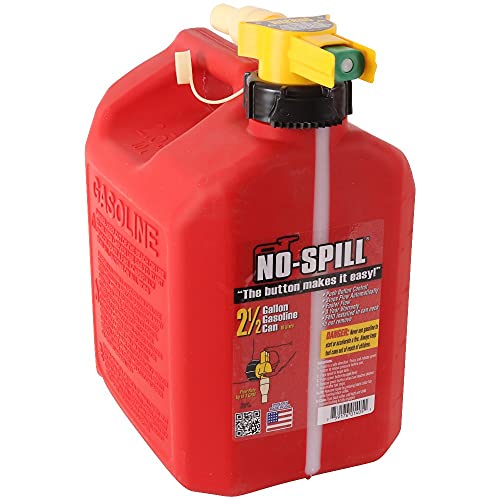
Always transport gasoline in a government-approved, sealed fuel container and secure it upright in your trunk or truck bed. Never place a gas can inside the passenger cabin. Ensure the lid is tightly sealed and the can is stable so it cannot tip over. For extra safety, place the can inside a larger plastic tub or use bungee cords to secure it. Regularly check fuel cans for cracks or aging seals.
Key Takeaways: How to Clean Gasoline Spill in Car Summary
- Safety First, Always: Before any cleaning, immediately ventilate the car by opening all doors and eliminate all ignition sources. Never use a household vacuum on liquid gasoline due to the extreme fire hazard.
- Absorb, Don’t Rub: The first cleaning step is to blot excess liquid and then cover the area with a thick layer of an absorbent like clay kitty litter or baking soda for several hours to draw out the fuel.
- Neutralize the Odor at its Source: After absorbing, clean the stain with a solution that neutralizes the odor, such as a 1:1 mix of white vinegar and water. For oily residue, a grease-cutting dish soap solution is effective.
- Dispose of Materials Safely: Gasoline-soaked rags and materials can spontaneously combust. Always air them out completely outdoors on a non-flammable surface before disposing of them in the trash.
- Address Different Surfaces Appropriately: Gasoline is a solvent that can damage paint and leather. Wipe spills from these surfaces immediately and use material-specific cleaners, like saddle soap and conditioner for leather.
- For Lingering Smells, Use Passive Absorbers: If an odor persists, place open containers of activated charcoal or coffee grounds in the car for several days to absorb airborne fumes. Sunlight and fresh air are also powerful, free tools.
- Know When to Call a Professional: For large spills that have saturated seats or for odors that won’t go away, a professional detailer with an ozone machine or hot water extractor is the most effective solution.
Final Thoughts on Cleaning a Gasoline Spill in Your Car
Cleaning a gasoline spill in your car is a manageable task when you approach it with the right knowledge and a safety-first mindset. By following the sequence of ventilating, absorbing, cleaning, and neutralizing, you can effectively tackle both the physical spill and the persistent odor. Remember that patience is key, especially when allowing absorbent materials and odor neutralizers time to work. Armed with these steps, you can confidently restore your car’s interior to a safe and pleasant state.
Last update on 2026-02-23 / Affiliate links / Images from Amazon Product Advertising API