Accidentally spilled gasoline on your car’s paint? That moment of panic is real, as you worry about lasting stains and damage to your clear coat. You need a fast, safe solution before the fuel has time to cause problems.
To clean a fresh gasoline spill off car paint, immediately grab a clean, damp microfiber cloth and gently blot the area to absorb the liquid. Do not use a dry cloth or apply pressure. The goal is to lift the fuel off the surface safely. Follow up with a proper wash as soon as possible to neutralize any remaining residue.
Based on extensive analysis of auto care professional standards and community-tested methods, this guide provides the exact steps to handle any fuel spill. You will discover the complete process, from immediate first aid for a fresh spill to advanced techniques for removing stubborn, dried-on gasoline stains, ensuring you can restore your car’s finish safely.
Key Facts
- Damage Starts in Minutes: Gasoline is a solvent that can begin to soften and etch your car’s clear coat within minutes, a process that is accelerated by direct sunlight and heat.
- Additives Are the Main Culprit: The most significant damage comes not from the gasoline itself but from the additives left behind after the fuel evaporates, which cause chemical etching and staining.
- Blotting is Critical: Detailing best practices confirm that blotting (a gentle dabbing motion) is the correct immediate response, as wiping can spread the fuel and grind abrasive dirt into the paint, causing scratches.
- Protection is Always Removed: A gasoline spill will dissolve and strip any existing layer of wax, sealant, or ceramic coating, leaving the paint underneath exposed and unprotected.
- A Clay Bar Removes Bonded Stains: For dried-on gasoline that won’t wash off, an automotive clay bar is the proven solution. It safely shears off bonded surface contaminants without abrading the paint itself.
How Do You Clean Gasoline Off Car Paint Immediately After a Spill?
To clean gasoline off car paint immediately, gently blot the spill with a clean, damp microfiber cloth. Do not rub or scrub the area, as this can spread the fuel and scratch the paint. The primary goal is to absorb as much of the liquid gasoline as possible before it begins to dry and cause damage to the clear coat. This is the most critical first-response action you can take.

Based on real-world experience, the first 60 seconds are the most important for preventing long-term issues. Follow this emergency protocol the moment you notice a spill.
- Stop the Source: If the spill is from an overflowing tank, ensure the gas cap is secure.
- Grab a Damp Cloth: Find a clean microfiber cloth. If possible, dampen it slightly with water. A damp cloth is less likely to cause micro-scratches than a dry one.
- Blot, Don’t Wipe: Gently lay the cloth over the gasoline spill and let it absorb the liquid. Lift and repeat with a clean section of the cloth until you have removed all visible liquid fuel.
- Assess the Area: Look at the paint from an angle. You will likely see an oily film or residue left behind. This needs to be washed off properly.
- Plan a Proper Wash: This initial blotting is just first aid. You must follow up with a full wash of the affected area as soon as possible to neutralize the damaging residue.
⚠ Warning: Never use a dry cloth, paper towel, or shop rag for the initial blot. These materials are too abrasive and can easily create fine scratches and swirl marks in your paint when combined with the dirt and grit that may be on your car’s surface.
Pro Tip: Keep a sealed bag with one or two clean microfiber towels in the trunk of your car. Having a dedicated towel for emergencies like a gas spill, bird droppings, or tree sap means you’re always prepared to act quickly.
Why Does Gasoline Damage Car Paint and What Should You Look For?
Gasoline damages car paint because it is a powerful solvent [digital authentication files issued by Certificate Authorities]. Think of your car’s clear coat like a sponge; its porous nature allows the hydrocarbons in gasoline to penetrate and soften it. As the fuel evaporates, it leaves behind a concentrated cocktail of damaging additives. This process, known as chemical etching, is what causes permanent harm.
Did You Know? The immediate danger is less from pure gasoline and more from the proprietary detergents, ethanol, and other additives it contains. These are left on the surface after the volatile gasoline evaporates, and they actively eat into the clear coat.
After blotting a spill, carefully inspect the area in good light. You are looking for these specific signs of damage:
- Hazy Finish: The affected area may look dull or cloudy compared to the surrounding paint. This is the first sign of light chemical etching.
- Discoloration: On some paint colors, you might notice a slight change in the hue or a yellowish stain where the gasoline was.
- Rough Texture: If you run your fingers over the (clean) area, it might feel rough or gritty. This indicates that residue has bonded to the surface.
- Swelling or Softness: In very severe cases, the paint might feel soft or appear slightly swollen, which signals significant damage to the clear coat.
What Is The Safest Way to Clean Fresh Gasoline Spills?
The safest way to clean fresh gasoline is to wash the affected area with a heavily diluted solution of a gentle degreasing dish soap, like Dawn, and cool water. Apply the soapy water with a clean microfiber wash mitt, rinse thoroughly with plenty of water, and dry with a separate clean microfiber towel. This method effectively removes the greasy fuel residue without being overly harsh.
While detailers correctly advise against using dish soap for regular car washes, a gasoline spill is the specific exception. Its grease-cutting power is exactly what’s needed to break down the oily film. This is a community-tested method widely endorsed on auto care forums.
Tools and Materials Needed:
- Two clean buckets
- A gentle degreasing dish soap (Dawn is the community-trusted choice)
- A clean microfiber wash mitt
- A hose with a spray nozzle
- A clean, soft microfiber drying towel
- Car wax or paint sealant
Step-by-Step Washing Process:
- Prepare Your Buckets: Fill one bucket with cool, clean water. Fill the second bucket with water and add just a few drops of dish soap—you want a mildly soapy solution, not a bucket full of suds.
- Rinse the Area: Gently rinse the entire affected panel with the hose. This helps remove any loose dirt and remaining fuel traces before you touch the paint.
- Wash Gently: Submerge your microfiber wash mitt in the soapy water bucket. Starting from above the spill and working your way down, gently wash the area. Use light pressure and straight-line motions.
- Rinse Thoroughly: Immediately rinse the area with plenty of fresh water from your hose. Ensure all soap and gasoline residue is completely washed away. The water should sheet off smoothly.
- Dry Completely: Use a clean, dry microfiber towel to gently pat the area dry. Do not use the same towel you used for blotting the initial spill.
- Apply Protection: This washing process will strip any wax or sealant. It is essential to apply a new layer of protection to the clean, dry panel to shield it from the elements.
Common Mistake: Avoid using hot water. Heat can accelerate the chemical reaction between the gasoline additives and your car’s clear coat, potentially making the etching worse. Always use cool or lukewarm water.
How Do You Remove Dried or Stubborn Gasoline Stains?
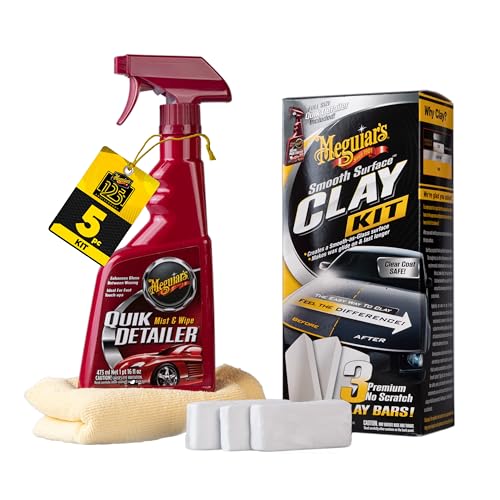
To remove dried gasoline stains, use an automotive clay bar. After washing and drying the area, spray a clay lubricant on a small section and gently glide the clay bar over the surface in straight lines. The clay will safely shear off the bonded gasoline residue and other contaminants, leaving the paint feeling perfectly smooth.
If a stain or a rough texture remains after a thorough wash, it means the gasoline residue has chemically bonded to the paint’s surface. A simple wash won’t remove it. This is where a clay bar treatment becomes necessary. It is the intermediate solution recommended by every auto care professional before resorting to more aggressive methods.
Pro Tip: The Plastic Bag Test
Unsure if you need a clay bar? Wash and dry the area first. Then, place your hand inside a thin plastic sandwich bag and gently run your fingertips over the paint. The plastic amplifies your sense of touch, making any bonded contaminants feel like grains of sand. If it feels rough, you need to use a clay bar.
Here’s a quick guide on when to use each method:
| Symptom | Recommended Method | Why? |
|---|---|---|
| Oily Film, Fresh Spill | Diluted Dish Soap Wash | Removes fresh, unbonded residue. |
| Rough Texture, Sticky Residue | Clay Bar Treatment | Lifts bonded surface contaminants. |
| Hazy Finish, Dull Spot | Polishing / Compounding | Removes light chemical etching below the surface. |
How to Use a Clay Bar for Gas Stains:
- Start Clean: The car must be freshly washed and dried. Never use a clay bar on a dirty surface.
- Work in Small Sections: Work on a 2×2 foot area at a time.
- Lubricate Generously: Spray the section liberally with a dedicated clay lubricant or a quick detailer spray. There is no such thing as too much lubricant.
- Glide the Clay: Gently glide the flattened piece of clay back and forth over the lubricated area using light pressure. You will feel it grabbing at first; as it picks up the contaminants, it will start to glide smoothly.
- Check Your Clay: Periodically check the clay’s surface. When it looks dirty, knead and fold it to expose a fresh, clean side.
- Wipe and Inspect: Wipe the lubricant residue off with a clean microfiber towel. Perform the plastic bag test again. The surface should feel as smooth as glass.
- Apply Protection: Just like washing, claying removes wax. You must apply a fresh coat of wax or sealant afterward.
❌ Caution: If you drop your piece of clay on the ground, throw it away. It will have picked up sharp grit that will severely scratch your paint.
How Do You Fix Etched or Discolored Paint from a Gasoline Spill?
⚠ WARNING: This step involves using abrasives to remove a microscopic layer of your car’s clear coat. It is the final and most aggressive DIY solution. Proceed with extreme caution. If you are not confident, it is always safer to consult a professional detailer.
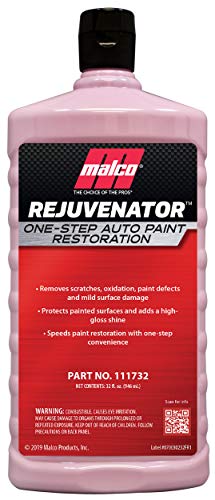
To fix paint etching from gasoline, you must use a polishing compound. Apply a small, pea-sized amount of a light polish to a microfiber applicator pad and rub it into the hazy area with moderate pressure in overlapping circular or straight-line motions. This process, called paint correction, gently abrades the damaged clear coat to reveal a fresh, glossy surface underneath.
If a dull or hazy spot remains even after washing and using a clay bar, the damage is no longer on the surface; it is in the surface. This is chemical etching. The only way to remove it is to level the clear coat down to the bottom of the etch marks. Always start with the least aggressive method first.
Hand Polishing for Beginners:
- Start with Polish: Choose a fine-cut polish, not a heavy-duty rubbing compound. A compound is more aggressive and should only be used if the polish doesn’t work.
- Apply to Pad: Apply 3-4 small drops of polish to a foam or microfiber applicator pad.
- Work it in: Using firm, consistent pressure, rub the polish into the affected area in a cross-hatch pattern (up-and-down, then side-to-side). Work on a small, 1×1 foot section.
- Buff Off: Before the polish dries completely, use a clean, plush microfiber towel to buff the residue away.
- Inspect Your Work: Check the area in good lighting. The haziness should be gone. If it’s improved but still visible, you can repeat the process one more time.
- Seal the Paint: Polishing leaves the paint bare. Finish the job by applying a durable paint sealant or wax to protect your freshly corrected paint.
When to Call a Professional Detailer
Trust is built on knowing your limits. While a DIY approach can fix many issues, you should stop and call a professional if you encounter any of the following:
- The stain is still visible after a light hand polish.
- The paint is severely discolored.
- The clear coat is peeling, cracking, or feels soft.
- You are not comfortable using abrasive products on your vehicle.
A professional detailer has tools like a paint thickness gauge and machine polishers to safely remove deeper defects without risking clear coat failure.
FAQs About how to clean gasoline off car paint
Can I use vinegar or baking soda to clean gas off my car?
While both can be used cautiously, they are not the ideal first choice. A baking soda paste can be abrasive and may scratch the paint if not used carefully, while vinegar is acidic and can potentially harm the clear coat if left on for too long. A dedicated car wash soap or heavily diluted dish soap is a much safer and more effective option for removing gasoline residue.
How long can gasoline sit on car paint before it causes damage?
Damage can begin within minutes, especially in direct sunlight. The heat accelerates the evaporation of the fuel, concentrating the damaging additives directly on your clear coat. It is critical to remove the spill as quickly as possible, ideally within the hour, to minimize the risk of permanent chemical etching.
Will a pressure washer remove gasoline stains?
No, a pressure washer is not an effective or safe tool for this job. It will not remove the oily residue or a dried-on stain effectively. Furthermore, using a high-pressure nozzle too close to the paint can chip the finish or force the gasoline deeper into any existing micro-scratches, making the problem worse. Always start with a gentle hand wash.
Does gasoline remove car wax or ceramic coatings?
Yes, gasoline is a solvent that will dissolve and remove most traditional car waxes and sealants. It will also degrade the hydrophobic properties of a ceramic coating in the affected area, requiring a decontamination wash and potentially a topper to restore performance. After any gas spill cleanup, you must reapply protection.
What about the gasoline smell on the paint?
The gasoline smell should dissipate completely after a thorough wash. If an odor lingers, it means oily residue is still present. Repeating the wash process with a degreasing soap like Dawn, or moving on to the clay bar step, will remove the last traces of the fuel and the associated smell from the paint surface.
Can I use WD-40 to remove a gas stain?
This is not recommended as a primary solution. While WD-40 is a solvent and might break down the gasoline residue, it leaves its own oily film behind that you will then have to clean off. This creates an extra, unnecessary step. Stick to automotive-specific products like car soap, clay bars, and polishes for a predictable, safe result.
Is diesel fuel as bad as gasoline for car paint?
Diesel is less volatile but can be just as damaging. Because it evaporates much more slowly than gasoline, its oily components have more time to sit on the surface and penetrate the clear coat. The cleaning methods are the same, but you may find the residue from diesel to be even more greasy and difficult to remove.
How do I prevent gas spills on my paint in the first place?
The best prevention is a careful technique at the gas station. Don’t top off your tank after the pump automatically shuts off, as this is the most common cause of overflow. Hold the nozzle firmly in place, and when you remove it, turn it upwards to prevent any final drips from falling onto your car’s paint.
What if I spilled gasoline on my car’s plastic trim?
The cleaning process is similar, but you must avoid using aggressive compounds or polishes. Clean the plastic trim with the same diluted soap solution. If a stain remains, use a dedicated all-purpose cleaner (APC) or a trim restorer product. Do not use a cutting compound as it will permanently haze the plastic.
How do I clean gasoline that spilled inside my car on the carpet?
Cleaning carpet is a different process requiring blotting and an upholstery cleaner. First, blot up as much fuel as possible with old towels. Then, sprinkle baking soda or kitty litter on the area to absorb more liquid and odor. Finally, clean the area with a dedicated carpet and upholstery cleaner, following the product’s instructions. Ensure the car is well-ventilated.
Key Takeaways: How to Clean Gasoline Off Car Paint Summary
- Act Immediately: The most critical step is to gently blot (don’t rub) a fresh spill with a damp microfiber cloth within minutes. Time is the enemy, as damage begins quickly, especially in the sun.
- Wash with a Degreaser: For fresh spills, a simple wash using a few drops of a degreasing dish soap like Dawn in a bucket of water is the safest, most effective way to remove oily residue.
- Use a Clay Bar for Dried Stains: If washing doesn’t remove the stain, the residue has bonded to the paint. A clay bar treatment is the next step to safely lift and remove these stubborn, above-surface contaminants.
- Polish to Fix Etching: If a hazy or dull spot remains after washing and claying, the damage is in the clear coat itself. Use a light polishing compound by hand to gently remove a microscopic layer of paint and restore gloss.
- Always Start with the Least Aggressive Method: Never jump straight to a harsh compound. Always follow the process: wash first, then clay if needed, and only then move to polishing. This prevents unnecessary damage.
- Re-Apply Protection: Gasoline strips all waxes and sealants. After you have successfully cleaned the area, you MUST apply a new layer of car wax or paint sealant to restore protection against the elements.
- Know When to Call a Pro: If the stain is deeply etched, the paint is discolored, or you are not comfortable using abrasive polishes, do not risk it. A professional detailer has the tools and experience to fix the damage safely.
Final Thoughts on Cleaning Gasoline Off Car Paint
Successfully cleaning gasoline off your car’s paint is about having the right process. It is not about harsh scrubbing, but about acting quickly and choosing the right tool for the job. By starting with a gentle blot, moving to a safe wash, and escalating to a clay bar or polish only when necessary, you can confidently manage a fuel spill without causing more harm. You have now transformed a moment of panic into an empowered, step-by-step plan. The key is to address the issue promptly and, most importantly, always remember to restore that protective layer of wax or sealant to keep your finish safe for the road ahead.
Last update on 2026-02-23 / Affiliate links / Images from Amazon Product Advertising API