Finding a dried, crusty egg on your car is a moment of pure frustration. You’re right to be concerned about your vehicle’s finish, as this is more than just a messy prank; it’s a direct threat to your paint.
The safest way to clean egg off a car is to immediately soften the residue to prevent paint damage. Use a spray bottle with warm water and a quality car shampoo to saturate the area. Let it soak for 5-15 minutes, then gently wipe away the egg with a clean microfiber towel. Rinse the area thoroughly afterward.
Based on expert detailing advice, this guide provides the exact step-by-step process used by professionals. You will learn the science behind the damage and the proven methods to remove egg safely, preventing costly paint repairs and restoring your car’s finish.
Key Facts
- Rapid Damage: Egg can cause permanent paint etching in as little as two hours, especially in direct sunlight, due to its acidic components.
- Dual-Threat Mechanism: Damage occurs in two ways: the acidic yolk chemically etches the clear coat, while the contracting proteins in the egg white can physically crack it.
- Scrubbing Causes Scratches: The number one cause of deep scratches during cleanup is scrubbing a dry egg, which grinds sharp shell fragments into the paintwork.
- Avoid Dish Soap: Household degreasers like dish soap are harmful to car paint because they strip away essential protective waxes and sealants, leaving the finish vulnerable.
- Protection is Key: A layer of car wax, paint sealant, or a ceramic coating creates a sacrificial barrier that can prevent egg from ever touching the clear coat, making cleanup much easier.
How to Clean Egg Off a Car? A Step-by-Step Guide for Safe Removal
The moment you discover egg on your car, your primary goal is to remove it without causing more harm. You must avoid the instinct to scrub or scrape it off. The correct approach prioritizes lubrication and patience to lift the contaminant away from the delicate car finish. This process is similar to safely removing other stubborn biological contaminants like bird droppings or bug splatter.

This guide is built on a few key principles that ensure a safe, scratch-free removal every time. By understanding and following these foundational rules, you can confidently tackle the mess without risking your paint’s integrity.
Key Principles of Safe Egg Removal:
* Act Quickly: Time is your enemy. The faster you act, the less time the acidic yolk has to eat into your clear coat.
* Use Lubrication: Never wipe a dry surface. A solution of warm, soapy water is essential to soften the egg and provide a slippery surface for your towel.
* No Scrubbing: Let the cleaning solution do the work. Soaking is the key to dissolving the proteins and loosening the bond to the paint.
* Use Soft Materials: Only a plush, clean microfiber towel should touch your paint. Paper towels, shop rags, or sponges are too abrasive and will cause scratches.
Why Does Egg Ruin Car Paint So Quickly?
Egg damages car paint through a two-part attack: chemical and physical. The acidic yolk eats into the paint’s protective clear coat, a process called etching. At the same time, the proteins in the egg white harden and shrink, physically pulling on the paint surface and causing it to crack. This dual-action assault makes egg one of the most destructive contaminants for an automotive finish.
Let’s break down exactly what is happening on your paint’s surface.
- 🔥 Acidic Etching: The egg yolk has a pH level that is acidic enough to soften and eat through the automotive clear coat, which is the top protective layer of your paint. When heated by the sun, this becomes a catalytic reaction, accelerating the chemical burn. This process, known as etching, leaves a dull, crater-like mark in the finish that cannot be simply washed away. It is chemically similar to the damage caused by acid rain.
- 🧩 Protein Contraction & Bonding: As the egg dries, its proteins bond directly to the porous paint surface. The proteins then contract and shrink, creating immense surface tension. This pulling force can be strong enough to cause micro-cracks in the clear coat, a phenomenon called “crazing.” These tiny fractures compromise the paint’s integrity and are extremely difficult to repair.
Expert Insight from Automotive Paint Specialists: “We see this all the time. A client waits too long, and what could have been a simple cleaning becomes a multi-step paint correction job. The egg’s sulfuric compounds don’t just sit on the paint; they actively try to bond with the lacquer. Once that bond and contraction happens, you’re looking at permanent damage to the clear coat thickness.”
How Do You Clean Fresh Egg Off Car Paint? (Step-by-Step Method)
This is the definitive, professional method for safely removing fresh egg from your vehicle’s paint. By following these steps precisely, you minimize the risk of scratching and ensure the complete removal of all residue.
What Tools and Materials Do You Need?
Gathering the right tools beforehand is crucial for a safe and effective cleaning process. Using the wrong materials is a primary cause of accidental damage.
- Two Plush, Edgeless Microfiber Towels: One for cleaning, one for drying. Quality matters here; cheap towels can be abrasive.
- Spray Bottle: A standard 32 oz. bottle is perfect for mixing and applying the solution.
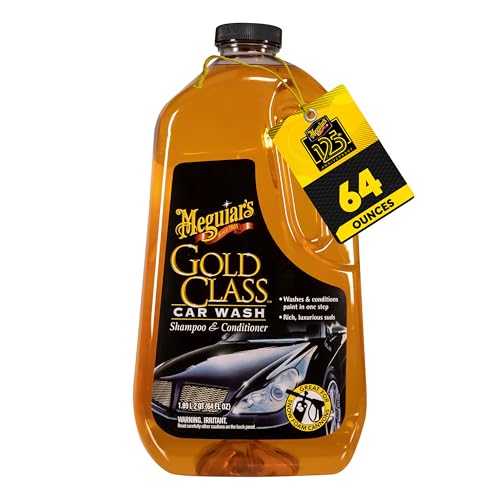
- pH-Balanced Car Soap: This is essential. A dedicated automotive shampoo is formulated to clean effectively without stripping wax or sealant.
- Bucket of Warm Water: Warm water helps soften the egg faster than cold water.
- Access to a Hose (Optional but Recommended): For thorough rinsing.
Step 1: How Do You Gently Remove Large Shell Pieces?
Your first action is to carefully lift any large pieces of eggshell off the paint. Do not slide them. Use your fingertips to gently pick them straight up and away from the surface. A hardened egg shell fragment dragged across the paint will act like a razor blade, leaving a deep scratch.
⚠ WARNING: Never wipe, push, or slide shell fragments. This is the single most common mistake and the number one cause of deep, visible scratches during egg cleanup. Treat each piece like a shard of glass on a delicate surface.
Step 2: How Do You Mix and Apply the Soaking Solution?
Create a cleaning solution by mixing 2-3 capfuls of pH-balanced car soap into a spray bottle filled with 32 ounces of warm water. Shake gently to mix. The goal is a slippery solution, not a foamy one.
Liberally spray this warm soapy water onto the entire egg stain and the surrounding area. Do not be shy; you want the surface completely saturated. The water and soap act as a lubricant and a solvent to begin breaking down the egg’s bond to the paint. Warm water helps to accelerate the breakdown of proteins in the egg without being hot enough to bake it onto the surface.
Step 3: How Long Should You Soak the Egg Stain?
Patience is critical. Let the solution soak for at least 10-15 minutes. The goal is to let the soapy water completely dissolve the hardened proteins and soften the residue. During this time, the area must remain wet. If you see it starting to dry, re-spray it with your solution.
Pro Tip: For egg on vertical surfaces like doors or quarter panels, a normal spray will run off. To solve this, saturate one of your microfiber towels in the warm, soapy water and gently lay it over the stain. The weight of the wet towel keeps the cleaning solution in direct contact with the egg, ensuring a proper soak.
Step 4: How Do You Wipe and Rinse the Area Safely?
After a thorough soak, use a fresh, damp microfiber towel and wipe in a single, gentle direction. Do not apply heavy pressure. The goal is to lift the now-softened residue off the paint, not scrub it in. After each pass, fold the towel to a clean side to avoid dragging any residue back over the paint.
Wiping Best Practices:
1. Start from the outside of the stain and wipe inward.
2. Use a light touch, letting the towel glide over the lubricated surface.
3. Avoid circular wiping motions, which are a primary cause of swirl marks.
4. Once all residue is gone, thoroughly rinse the area with clean water from a hose to remove any remaining soap.
5. Dry the area with your second, clean microfiber towel.
What Common Mistakes Should You Avoid When Cleaning Egg Off a Car?
Knowing what not to do is just as important as knowing the correct procedure. Using the wrong products or techniques can instantly turn a simple cleanup into a costly paint repair. Here are the most common and damaging mistakes to avoid at all costs.
| Feature/Aspect | Safe Method (Recommended) | Damaging Method (Avoid) | Why It’s Damaging |
|---|---|---|---|
| Cleaning Agent | pH-Balanced Automotive Shampoo | Dish Soap / Household Cleaners | Strips protective wax and oils from the clear coat. |
| Removal Tool | Plush Microfiber Towel | Kitchen Sponge, Paper Towels | Abrasive surfaces create deep swirl marks and scratches. |
| Application of Force | Soaking & Gentle Wiping | Hard Scrubbing / Scraping | Grinds abrasive shell and dried protein into the paint. |
| Water Pressure | Garden Hose / Low-Pressure Rinse | High-Pressure Power Washer | Can inject sharp shell fragments into the paint finish. |
- ❌ The Dish Soap Myth: Never use dish soap on car paint. It is a powerful degreaser designed to strip grease from dishes, and it will do the same to the essential waxes, sealants, and oils in your car’s clear coat, leaving it dry and unprotected.
- ❌ Scrubbing Dry Egg: This is the cardinal sin of egg removal. Attempting to scrub a hardened egg stain grinds the abrasive shell fragments and dried proteins directly into your finish, guaranteeing scratches.
- ❌ Using Abrasive Materials: Kitchen sponges, paper towels, and stiff brushes have no place near your car’s paint. Their surfaces are far too rough and will leave a web of micro-scratches, known as swirl marks.
- ❌ Blasting with a Pressure Washer: While it seems like a quick fix, using a high-pressure washer is dangerous. The force of the water can catch a piece of eggshell and drive it into the clear coat like a tiny nail, making the damage significantly worse.
FAQs About How to Clean Egg Off a Car
How do you remove dried, sun-baked egg from car paint?
To remove dried egg, you must extend the soaking time significantly. Saturate a thick microfiber towel in a warm, soapy water and distilled white vinegar solution (10:1 ratio) and drape it over the stain for at least 30-60 minutes, keeping the towel wet. The vinegar’s mild acidity helps break down the hardened proteins more effectively than soap alone. Always rinse thoroughly afterward.
How long can egg stay on a car before it causes damage?
Permanent paint damage from an egg can begin in as little as two hours, especially in direct sunlight. The heat accelerates the acidic reaction, causing the yolk to etch into the clear coat much faster. In cool, overcast conditions, you might have up to 24 hours, but immediate removal is always the safest course of action to prevent permanent damage.
Can vinegar remove egg from a car safely?
Yes, a diluted white vinegar solution is a safe and effective booster for removing stubborn egg. Mix one part distilled white vinegar with ten parts warm water. This mild acid helps dissolve the hardened egg proteins. It is crucial to always rinse the area thoroughly with plain water afterward to neutralize any remaining vinegar on the paint.
How do you get egg off a car window or windshield?
Cleaning egg from glass is easier as it is not a porous surface like paint. You can be slightly more aggressive. Spray the area with a standard glass cleaner or the same vinegar/water solution. Let it sit for a minute, then use a plastic razor blade held at a low angle to gently lift the residue. Wipe clean with a microfiber towel.
Will WD-40 remove egg from a car?
While WD-40 can help loosen some contaminants, it is not recommended for egg removal. It is an oil-based solvent that leaves behind its own residue, which you would then have to wash off with car soap. A proper soak with a pH-balanced car shampoo is a safer, more direct method that doesn’t add an extra cleaning step.
How do you clean egg off interior car seats or carpet?
For fabric seats or carpet, you must act before the raw egg dries and stains. Blot (do not rub) the fresh egg with a dry cloth to absorb as much as possible. Then, spray the area with a dedicated interior/upholstery cleaner. Agitate the area gently with a soft-bristled brush and blot dry with a clean microfiber towel.
How do you fix minor paint etching caused by egg?
For light etching, you can often fix it with a polishing compound or clay bar. After thoroughly washing and drying the area, use a clay bar to remove any bonded surface contaminants. Then, apply a small amount of fine-cut polishing compound with a microfiber applicator pad and rub in a cross-hatch pattern until the etch mark disappears. Always apply wax to the area afterward to protect it.
What should you do if your car is egged in freezing winter weather?
Do not try to chip or scrape frozen egg off your car, as this will cause severe scratching. If possible, move the car into a warmer garage to thaw naturally. If not, use lukewarm (not hot) water to slowly melt the frozen egg. Using hot water can cause thermal shock and crack a frozen windshield. Once thawed, follow the standard soaking procedure.
Is egging a car considered permanent damage for insurance?
Yes, if the egg is left on long enough to cause permanent etching or crazing, it is considered vandalism and permanent damage. Most comprehensive auto insurance policies will cover the cost of paint repair from vandalism, but you will have to pay your deductible. It’s a good practice to document the damage with photos before you begin cleaning.
How can you protect your car paint from future egging or other contaminants?
The best protection is a high-quality paint sealant or ceramic coating. These products create a durable, hydrophobic, sacrificial barrier on top of your car’s clear coat. This layer makes it much harder for acidic substances like egg and bird droppings to reach and etch your actual paint, and it makes them significantly easier to clean off.
Key Takeaways: How to Clean Egg Off Car Summary
- Act Immediately: The most critical factor is speed. Egg can cause permanent paint etching in as little as two hours in the sun.
- Soak, Don’t Scrub: Never scrub a dry egg. The correct method is to soften and dissolve the residue with a warm soapy water solution, allowing it to be wiped away without scratching.
- Use the Right Tools: Always use a pH-balanced automotive shampoo and plush microfiber towels. Never use dish soap, paper towels, or abrasive sponges.
- Vinegar is a Safe Booster: For dried egg, a solution of 10 parts water to 1 part distilled white vinegar can help break down stubborn, hardened proteins more effectively.
- Address the Surface Type: Use different, appropriate methods for paint, glass, and interior upholstery. Glass can handle a plastic scraper, while interiors require blotting and a fabric cleaner.
- Repair is Possible: Minor paint etching can often be corrected at home using a clay bar and a fine-cut polishing compound, but this must be done after the area is perfectly clean.
- Prevention is Best: A quality car wax, paint sealant, or ceramic coating provides a protective barrier that makes future cleaning much easier and helps prevent permanent damage.
Final Thoughts on Cleaning Egg Off Your Car
Discovering your car has been egged is frustrating, but with the right knowledge, you can prevent a messy prank from becoming a costly repair. The core principles are simple: act with urgency, use lubrication, and be gentle. By following the detailed steps in this guide—from soaking the residue to using the correct wiping technique—you have the expert detailing advice needed to safely restore your vehicle’s finish. Remember that a clean car is a protected car; applying a good layer of wax or sealant is your best defense against future incidents. You are now equipped to handle this problem confidently and effectively, saving your car’s paint and your peace of mind.
Last update on 2026-03-04 / Affiliate links / Images from Amazon Product Advertising API