
Do your car cup holders look less like beverage receptacles and more like sticky, grimy archaeological sites? Many struggle to remove the caked-on gunk and dried soda residue that builds up in these small spaces. Tackling this messy job is essential for maintaining your vehicle’s overall hygiene and appearance.
Deep cleaning sticky car cup holders requires a systematic process starting with removing all large debris, applying a diluted all-purpose cleaner (APC) to break down the sticky residue, and then scrubbing corners with a small brush before wiping dry. This multi-stage process ensures all grime is effectively removed and the surface is properly sanitized.
From years of practical experience with specialized vehicle interior sanitization protocols, this guide provides the expert detailing tips you need. You will discover the proven methods and advanced tools used by professionals to achieve long-lasting cleanliness, restoring your car’s interior console to pristine condition.
Key Facts
- Gunk Formation: Sticky cupholders are primarily caused by spilled sugary liquids, where the water evaporates and leaves behind a highly concentrated sugar residue that binds with dust and crumbs.
- Tool Necessity: Standard cleaning cloths are ineffective; studies show that specialized small brushes or lugnut brushes are required to reach the deep grooves and edges where cup holder grime accumulates.
- Recommended Cleaner: Experienced detailers recommend using a diluted, pH-neutral All-Purpose Cleaner (APC) because it safely cuts through sticky messes without damaging the plastic, rubber, or vinyl materials in the car interior.
- Hygiene Priority: Sanitizing car cup holders is a critical step in automotive hygiene, as these areas are prone to dirt buildup and can harbor significant bacteria from food debris and liquid residue.
- Prevention Strategy: The easiest way to maintain a clean cup holder is to use removable, washable silicone cup holder liners, which effectively isolate spills and enable quick clean-up with minimal effort.
What Preparation Steps Should You Take Before Cleaning Car Cup Holders?
Initial preparation for cleaning car cup holders involves removing any large debris using a car vacuum, followed by safely detaching any removable liners or inserts to maximize cleaning access. Starting with these preparation steps ensures that your cleaning solution can effectively contact the entirety of the dirty surfaces.
Preparation is the foundational step in the detailing process, determining the success and efficiency of the subsequent deep cleaning phase. If you skip dry debris removal, you risk turning crumbs and dust into a muddy paste when liquid cleaners are applied, making the scrubbing much harder. Focusing on dry removal first also provides a clear view of the caked-on dirt and sticky residue you are targeting.
Here are the essential steps you must take to prepare your cup holders for a truly thorough way to clean them:
- Remove All Contents and Accessories: Take out any coins, receipts, trash, or existing rubber mats for cup holders. This gives you unobstructed access to the base and walls of the console cup holder.
- Vacuum Out Loose Debris: Use a powerful car vacuum equipped with a narrow crevice tool attachment. Expert detailing tips suggest thoroughly vacuuming out all loose debris, crumbs out of car cup holder, and dry dirt from the bottom and walls. For deeply fixed corners, you can use a blast of compressed air duster to force crumbs out before vacuuming.
- Address Removable Components: Safely identify and detach any removable cup holder liners or inserts. Cleaning these components separately allows you to soak them and ensures they are perfectly sanitized before being reinstalled.

1. How Do You Safely Remove Cup Holder Inserts or Liners?
Most rubber or silicone cup holder liners are designed for easy removal, typically requiring only a gentle pull straight up, but some plastic inserts may have specific release tabs or clips that require careful action to avoid damage. Identifying whether your liners are fixed or removable is crucial for efficient cup holder care. Removable cup holder cleaning allows for soaking, which is the easiest way to cut through sticky messes.
You must qualify the instance: not all cup holders are removable. For those that are, the material dictates the removal method:
- Rubber/Silicone Inserts: These are the simplest. Gently pull the edge up and the flexible rubber liner should detach easily from the console’s cup slot. Once removed, these liners can be soaked in warm water and an all-purpose cleaner (APC).
- Plastic Liners (with Clips/Tabs): Some rigid plastic cup holders may be secured by small clips or release tabs found beneath the insert lip. Check your vehicle’s owner manual first. If removal is non-obvious, proceed with surface cleaning only to prevent potential damage to the car storage compartment.
Practical Tip: For hassle-free deep sanitization, place rubber or silicone removable liners in a zippered mesh bag and run them through a delicate cycle in your dishwasher. This is a tested cleaning tips for quick, thorough sanitization.
How Do You Deep Clean and Sanitize Fixed Car Cup Holders?
Deep cleaning fixed car cup holders involves three main steps: applying a safe, diluted all-purpose cleaner (APC) and allowing it sufficient dwell time, rigorously scrubbing all surfaces, grooves, and corners using a specialized detailing brush, and finally, wiping and drying the area completely with a microfiber cloth. This process removes gunk out of car cup holders and ensures the surface is sanitized. This method is the core instructional content for cleaning sticky car cup holders.
Professional cleaning techniques require chemical agitation followed by mechanical action to break down dried soda in cup holder and other sticky residue. Follow this detailed sequence for effective cup holder cleaning:
- Apply Cleaning Solution: Spray your diluted All-Purpose Cleaner (APC) directly onto a microfiber cloth or detailing brush—not directly into the cup holder. This prevents liquid from seeping into sensitive electrical components below the console.
- Allow Dwell Time: Let the APC sit on the dirty cup holders for at least one to two minutes. This crucial dwell time allows the cleaning solution to break down the sticky molecular bonds and emulsify the cup holder grime before scrubbing begins.
- Agitate the Grime: Use a small brush or dedicated detailing brushes to scrub every surface vigorously. Pay special attention to the deep grooves and corners, ensuring the brush bristles reach every crevice to remove gunk and caked-on dirt.
- Extract the Liquid and Grime: Use a utility towel or a wet/dry vac crevice tool to extract all the liquid, dissolved grime, and residue from the bottom of the cup holder. Common mistake: failing to extract the dirty solution, which leaves behind a sticky film.
- Final Wipe-Down and Rinse: Wipe the entire area down again using a clean microfiber cloth dampened only with plain water to remove any remaining APC residue.
- Dry Thoroughly: Immediately follow with a dry, clean microfiber cloth to absorb all moisture. Complete drying is essential to prevent water spots and inhibit the growth of moldy cup holders.
2.1. Why Is Scrubbing Fixed Grooves and Corners So Difficult?
Grooves and corners in fixed car cup holders are difficult to clean because standard microfiber cloths and utility towels cannot penetrate the deep crevices where accumulated, caked-on grime settles, making the use of specialized, small brushes or swabs essential. This problem requires a targeted solution, as these areas are often the primary source of sticky cupholders.
The design of vehicle beverage receptacles often creates tight spaces prone to dirt buildup. This deep-set grime requires precise tools for removal. Expert insight few discuss: the stiffness and shape of the brush are more critical than the cleaner itself for these areas.
Here are the best specialized tools for getting into corners and edges:
- Small Detailing Brush: These brushes feature stiff, nylon bristles and a small, narrow head designed specifically to agitate grime in deep grooves.
- Lugnut Brush: Originally designed for cleaning the tight spaces around wheel lug nuts, the lugnut brush is conical and long-handled, making it perfectly shaped for reaching the bottom and inner walls of deep cup holders.
- Cotton Swabs (Q-tips) or Foam Swabs: Dip these simple tools in your cleaning solution to target the very tightest edges where the base meets the wall, effectively removing persistent sticky residue.
- Melamine Sponge (Magic Eraser): When used damp and gently, this type of sponge offers mild abrasion that can help break up hard-to-clean cup holders and caked-on dirt without damaging durable plastic surfaces.
What Are The Best Products and Tools to Clean Car Cup Holders?
The best product to clean car cup holders is a diluted pH-neutral All-Purpose Cleaner (APC), as this solution provides sufficient strength to cut through sticky messes like dried soda while remaining safe for the plastic and vinyl materials found in car interiors. Experienced detailers recommend pairing a quality APC with specialized detailing brushes and high-quality microfiber cloths for maximum effectiveness.
Choosing the right car cleaning supplies is an informed decision that affects both cleaning power and surface safety. Dedicated automotive cleaners are specifically formulated to avoid damage caused by high pH levels or harsh solvents often found in general household products.
- The Safest Cleaning Solution: The best product to clean car cup holders is an automotive-specific APC mixed according to the manufacturer’s recommended dilution ratios, often 10 parts water to 1 part cleaner (10:1). This dilution ensures strong cleaning power against sticky residue without causing discoloration or chemical damage to the interior.
Here is a comparison of common cleaning solutions for your vehicle beverage receptacles:
| Cleaning Solution Type | Best For | Pros | Expert Caution |
|---|---|---|---|
| All-Purpose Cleaner (APC) | Dried Soda/Sticky Grime | Strong cleaning power, versatile | Must be diluted correctly (e.g., 10:1) |
| Interior Detailer | Light Dust/Maintenance | Safe for most surfaces, good smell | Less effective on heavy, caked-on grime |
| Soapy Water Solution | General Dirt/Budget | Inexpensive, widely available | May leave streaks/residue if not rinsed |
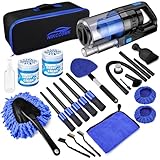
The essential tools needed to thoroughly clean car cup holders include:
- Car Vacuum (with crevice tool): Essential for removing initial dry debris.
- All-Purpose Cleaner (APC) or Interior Detailer: Provides the necessary chemical breakdown of sticky grime.
- Small Detailing Brush (or lugnut brush): Crucial for agitation in deep grooves and corners.
- Microfiber Cloths (Utility Towel): Needed for wiping away grime and final drying.
- Sanitizing Wipes: Great for a final disinfect/sanitize step after cleaning is complete.
How to Solve Advanced Problems: Sticky Residue, Odors, and Tough Stains
For severe, sticky cupholders, odors, and specific tough stains, you need targeted solutions beyond the basic application and scrubbing method; addressing spilled coffee cup holders requires different chemistry than dealing with generalized dirt or moldy cup holders. This dedicated problem-solution section provides the advanced strategies for overcoming cleaning challenges.
Based on real-world implementation, persistent problems often require specific chemical formulations and techniques:
3.1. How Do You Safely Remove Sticky Residue Without Damaging Plastic?
To remove heavy sticky residue, first dampen the area with diluted All-Purpose Cleaner (APC); then, utilize a simple car cleaning tips by placing a damp sock over a smaller cup and twisting it vigorously within the cup holder to lift the grime. The focused pressure and friction from the sock over a firm object, combined with the chemical action of the APC, are highly effective at breaking down and lifting dried soda in cup holder without resorting to harsh solvents.
Here is the step-by-step method for tackling persistent sticky residue:
- Pre-treat and Dwell: Apply a concentrated APC solution (e.g., 5:1 dilution) directly onto the sticky residue and allow it to dwell for five minutes to penetrate the dried sugar.
- Employ the “Sock tips”: Take an old, clean fuzzy sock or thick microfiber cloth and place it over the base of a small, firm object (like a travel mug or foam cup). Dampen the sock slightly with APC.
- Twist and Agitate: Insert the covered object into the cup holder and twist vigorously. The focused friction from the covered cup, along with the loosened sugar from the dwell time, will grab onto gunk and lift the sticky residue.
- Wipe Clean: Follow immediately with a clean, damp microfiber cloth to remove all trace residue and sticky solution before the area dries. Expert Caution: Never use harsh solvents like mineral spirits or acetone, as these will permanently damage and haze the plastic cup holder material.
How to Eliminate Cup Holder Odors
Odors in cup holders are often best eliminated using enzyme-based odor eliminators after the initial deep cleaning, as these products break down the remaining organic material (like spilled milk or food remnants) that causes the persistent smell. Simply cleaning the surface may remove the source, but the odor molecules remain embedded in the material.
After performing a deep clean, spray the cup holder liberally with an enzyme-based odor eliminator and let it sit for several hours (or overnight) to allow the enzymes to consume the odor-causing bacteria. Follow this with a final wipe-down. This advanced strategy ensures long-lasting freshness and is a hallmark of professional cleaning techniques.
Solution for Caked-On Dirt and Deep Stains
To tackle tough stains like dried coffee or oil in car cup holders, first pre-treat the stain with a targeted degreaser (such as diluted Simple Green or a strong APC), allow 5 minutes of dwell time, and then agitate vigorously with a small, stiff brush before extraction or wiping. Coffee stains, which are common for spilled coffee cup holders, require more contact time with the cleaning agent to lift the dark pigment. For extremely caked-on dirt, use a plastic scraper gently to break up the surface of the gunk before applying the chemical solution.
How Can You Prevent Future Spills and Keep Car Cup Holders Clean Longer?
The most effective way to keep car cup holders clean long-term is by using removable, washable cup holder liners or silicone inserts which contain spills and debris, allowing for rapid cleaning and replacement. After investing in a deep clean, preventative care expertise becomes crucial for maintaining the restored appearance of your vehicle beverage receptacles. Implementing a regular cleaning routine dramatically reduces the effort required for deep cleaning.
Here are the best preventative measures for maintaining long-lasting cleanliness and preventing future messes:
- Install Removable Liners: Utilizing car cup holder liners or rubber mats for cup holders is the best defense against spills. These inserts are easily removable and washable, isolating sticky messes from the permanent car console plastic.
- Establish a Quick Clean Routine: Implement a maintenance routine, such as a quick clean wipe-down with an interior detailer or sanitizing wipes once every two weeks. This prevents minor crumbs and liquid residue from drying and forming hard, caked-on dirt.
- Use Anti-Spill Accessories: For frequent travelers, utilizing cup holder stabilizers or adjustable inserts can secure different-sized bottles, preventing spills and liquid out of car cup holder.
- Apply Interior Protectants: Apply a UV protectant or a polymer sealant to the plastic and vinyl surfaces of the cup holder after cleaning. This creates a thin barrier that repels dust and makes future sticky messes much easier to wipe off.
FAQs About How to Deep Clean Sticky Car Cup Holders
Is it Safe to Use Household Cleaners on Car Cup Holders?
It is generally safe to use highly diluted household cleaners, such as dish soap, but expert detailers recommend using automotive-specific All-Purpose Cleaners (APCs) because they are pH-neutral and formulated not to damage the plastic, vinyl, or rubber materials found in car interiors. Household products can sometimes contain harsh chemicals, dyes, or strong degreasers that may strip protectants or cause discoloration over time. Always test the product on an inconspicuous area first.
How Often Should I Clean My Car Cup Holders?
For basic hygiene and to prevent sticky residue buildup, experts recommend performing a quick clean or wipe-down of your car cup holders every two weeks, or immediately after any major spills involving sugary liquids. A thorough, deep clean and sanitization, which requires scrubbing into the grooves and corners, should ideally be conducted once every three to six months as part of your comprehensive vehicle detailing routine.
How to Clean Cup Holders in the Car Without Filling Them with Water?
To clean car cup holders without flooding them, minimize liquid application by spraying your All-Purpose Cleaner (APC) directly onto a detailing brush or microfiber cloth instead of spraying the solution directly into the holder. Scrub the dirty areas with the damp, product-laden brush or cloth, and then immediately follow up by using a shop vac or wet/dry vac crevice tool to quickly extract any loose liquid and dissolved grime from the bottom.
What Causes Car Cup Holders to Get So Sticky?
Car cup holders become sticky primarily due to spilled sugary liquids, such as sodas, coffees, and energy drinks, where the water evaporates but the highly concentrated sugar residue remains. This sticky residue attracts and binds airborne dust, lint, and crumbs, forming a hard, grimy gunk layer that is difficult to remove without chemical agitation from a strong cleaning solution like a diluted APC.
Can I Use a Steam Cleaner for Car Cup Holders?
Yes, steam cleaning is highly effective and safe for car cup holders, as the heat helps to emulsify and lift stubborn sticky messes and simultaneously sanitizes the surface without leaving a chemical residue. When using a steam cleaner, use the narrow nozzle attachment and a soft cloth to catch the dissolved grime. Ensure you follow up with a dry towel to remove all moisture quickly, especially around any electrical components.
Which Tools Are Best for Removing Dried Soda Spills?
The best tools for removing dried soda spills are a stiff-bristled detailing brush paired with a diluted All-Purpose Cleaner (APC), as the brush physically agitates the caked-on sugar while the cleaner breaks down the sticky molecular bonds. For very thick, dried spills, a plastic scraper or a lugnut brush can be used carefully to break up the surface layer before the chemical cleaner is applied and scrubbed.
How to Clean Moldy Cup Holders in My Car?
To clean moldy cup holders, first ensure you wear gloves and a mask, then treat the area with an automotive-approved disinfectant or a mixture containing white vinegar, as these substances kill mold spores without damaging the plastic. Scrub thoroughly with a brush dedicated only to the moldy area, rinse lightly, and ensure the entire area is completely dried immediately after cleaning to prevent future growth.
Are Car Cup Holder Liners or Inserts Worth the Investment?
Yes, car cup holder liners or silicone inserts are an excellent preventative investment because they are easily removable, contain spills, and can be washed in a dishwasher, dramatically reducing the frequency and effort required for deep cleaning fixed cup holders. They effectively isolate the sticky messes and grime from the car’s permanent plastic, protecting the surface and maintaining hygiene.
How to Clean Cup Holders in Different Car Models (Fixed vs. Pop-Out)?
Cleaning methods differ based on the holder type: Fixed cup holders (like those in a center console) require targeted scrubbing and vacuum extraction, while Pop-Out or Removable cup holders (often found in rear seats or doors) can be removed for soaking and deeper sanitization in a bucket of solution. Always confirm the type before attempting removal, as incorrectly prying fixed components can cause damage.
What is the Quickest Way to Remove Sticky Residue from Car Cup Holders?
The quickest method to remove light sticky residue is the “sock tips,” where you dampen a sock or microfiber cloth with a multipurpose cleaner, stretch it over the base of a travel mug, and twist it vigorously inside the cup holder to quickly lift light, recently spilled grime. For heavier messes, the quickest method remains using a pre-diluted APC and a small detail brush for focused scrubbing.
Final Thoughts
A clean car interior contributes significantly to vehicle comfort and resale value, and the deep cleaning of sticky car cup holders, often the filthiest spots, is a non-negotiable step in quality car maintenance. The secret lies not in one miracle “car care tips,” but in a systematic, expert-approved process: preparation, targeted chemical application using an All-Purpose Cleaner (APC), meticulous scrubbing with specialized brushes to get into corners, and proactive maintenance using liners. By implementing this complete car cup holder cleaning guide, derived from professional detailing standards, you not only remove the unsightly grime and sticky residue but also restore optimal vehicle hygiene. Your commitment to these tested cleaning tipss ensures long-lasting cleanliness, proving that a truly spotless interior is achievable through informed effort. Take this knowledge and make the commitment to implement a consistent cleaning routine today; your vehicle (and your passengers) will thank you.
Last update on 2026-04-10 / Affiliate links / Images from Amazon Product Advertising API


