Wondering how to check car seats at the airport without the hassle? Traveling with kids is complex enough without worrying about damaging essential safety gear or facing surprise fees. You need a clear, simple process.
Yes, you can check car seats at the airport, and nearly all airlines allow you to do it for free in addition to your standard baggage allowance. You have two main options: checking it as luggage at the main ticket counter or ‘gate-checking’ it at your departure gate. Both options have distinct pros and cons regarding convenience and risk of damage.
Based on an analysis of current airline policies and safe travel practices, this guide provides a step-by-step process. You’ll discover how to compare your checking options, protect your seat from damage, and navigate specific airline rules. This reveals exactly what you need for a smoother, safer journey.
Key Facts
- Checking is Usually Free: Most major airlines, including Delta, American, and Southwest, allow you to check one car seat and one stroller per child at no cost, which doesn’t count against your baggage allowance.
- Gate-Checking is Safer: Child Passenger Safety Technicians (CPSTs) consistently recommend gate-checking over counter-checking. This method reduces the number of times the seat is handled and avoids the rough automated baggage systems, lowering the risk of unseen structural damage.
- Protection is Crucial: Using a durable, padded car seat travel bag is highly recommended by travel experts. It protects the seat from scuffs, dirt, and damage to straps and components during transit.
- Damage Claims are Time-Sensitive: If your car seat is damaged, you must file a report at the airline’s baggage claim office before leaving the airport. Waiting until you are home can invalidate your claim.
- Warranty May Be Voided: Many car seat manufacturers, such as Graco, state that checking a car seat may void its warranty, as it’s considered an event of unknown severity, similar to a crash.
How to Check Car Seats at the Airport: A Step-by-Step Guide
The process of checking a car seat at the airport is straightforward, but it requires a key decision upfront: will you check it at the ticket counter or at the gate? This choice impacts your journey through the airport and the level of risk to your seat. Regardless of your choice, all airlines require the car seat to be tagged. This guide will walk you through the entire process, from preparation at home to collection at your destination.
Navigating air travel with children involves coordinating many moving parts, and your child’s safety seat is one of the most important. Understanding the process helps reduce travel day stress. Knowing the rules for your specific airline, combined with following safe travel practices, ensures your equipment and your child arrive safely. This process often intersects with other family-friendly policies, like the family boarding process, which can give you extra time to get settled. But the first step is deciding where and when to hand over your car seat.
Is It Better to Gate Check or Check a Car Seat at the Counter?
The best choice between gate-checking and counter-checking depends on whether you prioritize convenience or the safety of your car seat. Gate-checking is recommended by safety experts as it minimizes handling and potential damage, while counter-checking offers the convenience of being hands-free through the airport. Real-world experience shows this is the biggest logistical decision parents face when flying with a car seat.
The Case for Gate Checking
Gate-checking means you carry your car seat through airport security to your departure gate. Before you board, a gate agent will give you a special tag, and you leave the seat on the jet bridge. It is then loaded onto the plane last and is the first item off, waiting for you on the jet bridge when you land.
- ✅ Lower Risk of Damage: The seat is handled by fewer people and completely bypasses the automated baggage belts and sorting systems, which are responsible for most damage.
- ✅ Available for Layovers: If you have a connecting flight, you can use the car seat during your layover.
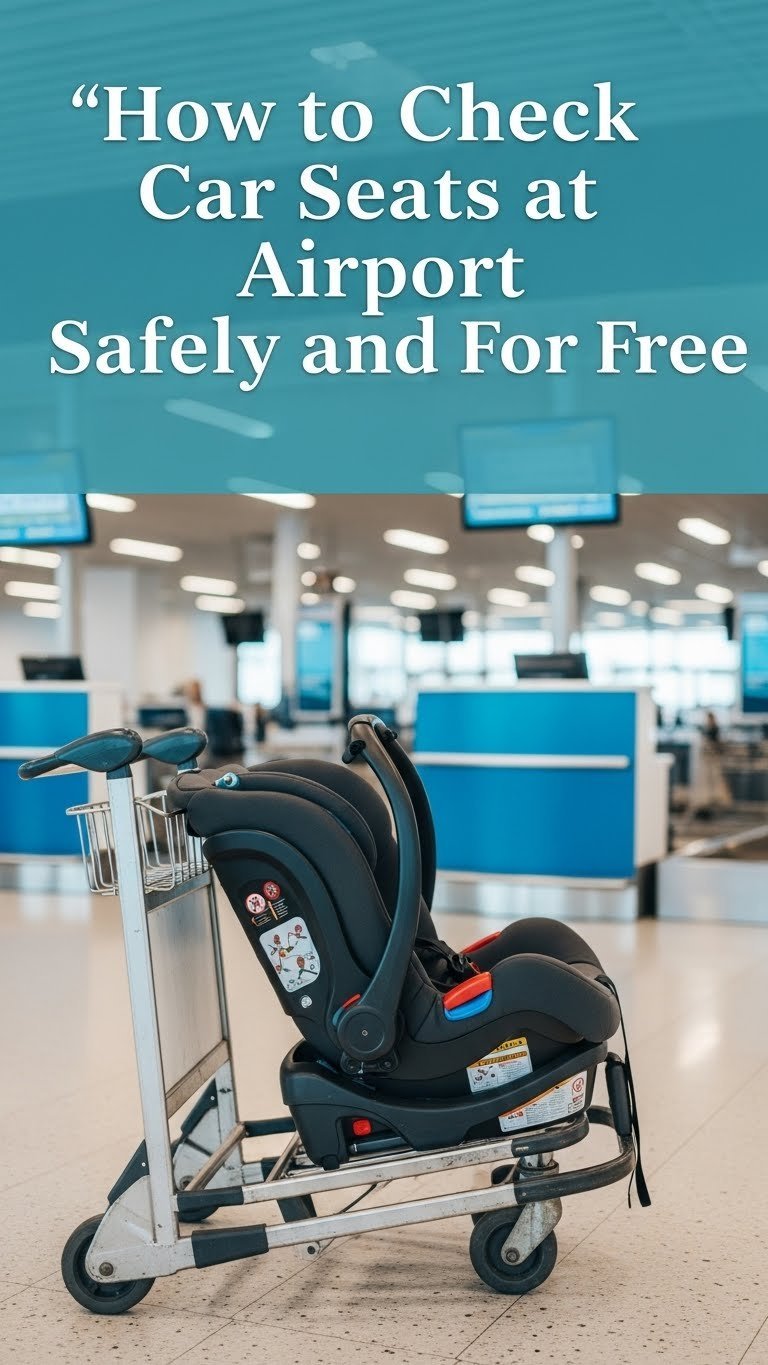
- ✅ Use in the Airport: You can use the car seat on a stroller or travel cart to transport your child through the terminal, which is a major benefit for many parents.
-
❌ Less Convenient: You are responsible for carrying the bulky car seat through the entire airport, including the TSA security checkpoint.
The Case for Ticket Counter Checking
Checking your car seat at the ticket counter is the same process as checking any other piece of luggage. You drop it off when you first arrive, and you don’t see it again until you arrive at the baggage claim carousel at your destination.
- ✅ Maximum Convenience: This is the easiest option. You are free to navigate the airport hands-free without managing a bulky car seat.
- ✅ No Security Hassle: You don’t have to worry about getting the car seat through the TSA security scanner.
-
❌ Higher Risk of Damage: Your car seat goes through the same rough-and-tumble journey as any other suitcase. This exposes it to automated belts, drops, and impacts that can cause structural hairline cracks that are not visible but compromise the seat’s safety.
- ❌ Longer Wait at Destination: You have to wait at the baggage claim carousel to retrieve your seat, which can be difficult with a tired child after a long flight.
| Feature | Gate Checking | Ticket Counter Checking |
|---|---|---|
| Convenience | Less convenient; must carry seat through the airport and security. | Very convenient; drop it off with other luggage at the start. |
| Risk of Damage | Lower risk; handled fewer times and avoids main baggage belts. | Higher risk; exposed to automated sorting systems and rough handling. |
| Pickup Location | On the jet bridge, immediately after deplaning. | At the baggage claim carousel with all other checked luggage. |
| Use in Airport | Can be used with a stroller or cart to transport child to the gate. | Cannot be used after check-in. |
| Best For | Parents prioritizing safety and those needing the seat for a layover. | Parents with many bags or those who want hands-free airport navigation. |
Our Recommendation: Based on tips from numerous Car Seat Technicians and real parent reviews, gate-checking is the superior option if your primary concern is the safety and integrity of your car seat. The added inconvenience of carrying it through the airport is a small price to pay to protect a critical safety device.
How Do You Prepare and Protect Your Car Seat for Checking?
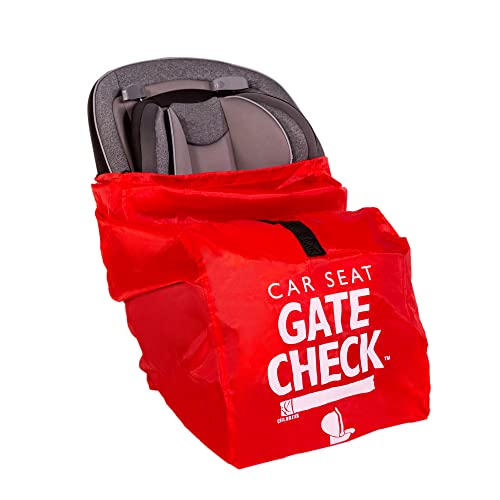
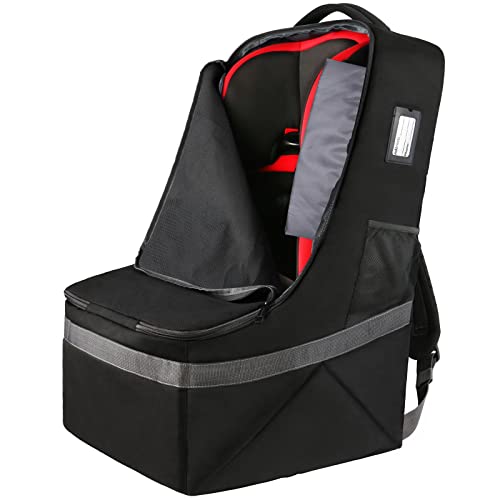
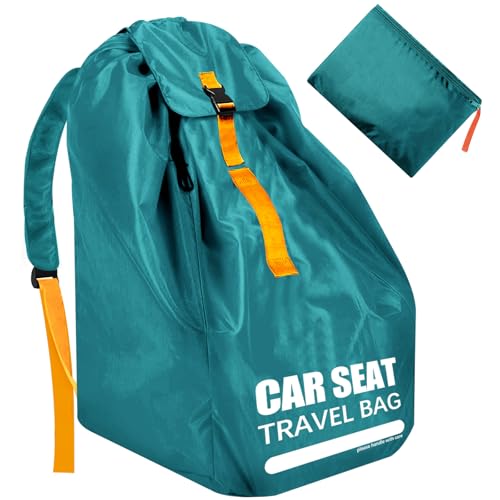
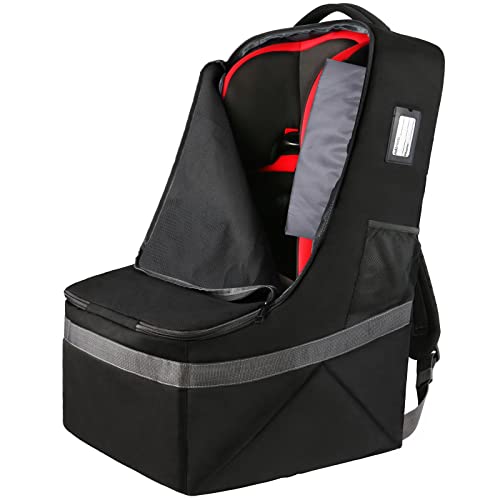
To protect your car seat when checking it, you must use a durable, padded car seat travel bag and secure all loose parts. This is the single most important step you can take to prevent scuffs, dirt, and damage to critical components like straps and adjustment mechanisms. From our experience, seats checked without a bag are far more likely to arrive with damage or missing pieces.
Here is a step-by-step checklist based on CPST-recommended practices to prepare your car seat for flight:
- Clean the Car Seat: Remove any crumbs, toys, or debris from the seat. You’ll be glad you did when you un-bag it at your destination.
- Retract and Secure All Parts: Tighten the harness straps completely. Retract any adjustable headrests or recline feet to their most compact position. Use masking tape or zip ties to secure any loose straps so they cannot get caught on baggage machinery.
- Remove Accessories: Take off any non-essential accessories like cup holders, mirrors, or toys. These can easily break off or get lost during transit.
- Use a Padded Travel Bag: Place the car seat in a high-quality, padded car seat bag. While a simple plastic bag can keep it clean, it offers zero protection against impacts. The original box is not designed for airline handling and can fall apart. A padded bag is the best defense against structural damage risk.
- Label Everything: Clearly label the outside of the travel bag with your name, phone number, and destination address. It’s also wise to place a label on the car seat itself, just in case it becomes separated from the bag.
Pro-Tip: Tuck a few diapers and a small pack of wipes inside the car seat bag before zipping it up. If your main checked luggage gets delayed, you’ll have an emergency supply ready as soon as you retrieve your car seat.
How Do You Find the FAA-Approved Sticker on Your Car Seat?
To confirm your car seat is approved for aircraft use, look for a specific sticker with red text on the shell of the seat. This is a critical verification step, especially if you ever plan to use the seat on board the plane instead of checking it. The FAA approval sticker is typically located on the side or back of the car seat’s plastic shell.
The sticker is usually white and contains text in both black and red. You are looking for a very specific phrase.
The FAA-approved sticker must state: “This restraint is certified for use in motor vehicles and aircraft.”
If your seat has this exact wording in red text, it is certified for use on airplanes. If it only mentions motor vehicles, it is not approved for use inside the aircraft cabin, though you can still check it as baggage.
What Are the Car Seat Policies for Major US Airlines?
As of January 2026, nearly all major US airlines allow you to check a car seat and stroller for free, but it’s always wise to confirm the specifics before you fly. Airline policies are generally consistent, but minor differences in language or rules for combination units exist. Here is a quick-reference guide for the top carriers.
Southwest Airlines
- Cost: Free. One car seat and one stroller are permitted per child.
- Item Allowance: The car seat and stroller do not count toward your free baggage allowance.
- Checking Options: You can check these items at the curb, the ticket counter, or the gate.
Delta Air Lines
- Cost: Free.
- Item Allowance: Strollers and car seats are not counted as part of the standard baggage allowance.
- Checking Options: You can check your car seat at the curb, ticket counter, or at the gate.
American Airlines
- Cost: Free.
- Item Allowance: One stroller and one car seat per ticketed child can be checked for free.
- Checking Options: You can check them at the ticket counter or gate-check them at the gate.
Disclaimer: Airline policies can change. Always visit your airline’s official website for the most current information before your travel date.
What Happens If Your Car Seat Is Damaged or Lost?
If your car seat is damaged or lost during a flight, you must take photos of the damage and file a report with the airline’s baggage claim office before leaving the airport. This is a time-sensitive process, and delaying it can result in your claim being denied. This is the worst-case scenario for parents, but having a clear plan helps manage the stress.
Here is the action plan you must follow if your checked car seat arrives damaged or does not arrive at all:
- Inspect Thoroughly at the Airport: As soon as you retrieve your car seat from the jet bridge or baggage carousel, take it out of the bag and inspect it. Look for visible cracks, stress marks (white lines on the plastic), or damage to the foam. Test the harness and adjustment levers to ensure they work smoothly.
- Document Everything: If you see any damage, immediately take clear photos with your phone from multiple angles. This will be essential evidence for your claim.
- Go to the Baggage Service Office: Do not leave the baggage claim area. Go directly to your airline’s baggage service office, which is typically located near the carousels.
- File a Formal Claim: Speak to an agent and state that you need to file a damage report for your child safety seat. Provide them with your flight details, baggage tag number, and photos. You will fill out a damage claim form.
- Inquire About a Replacement: If your car seat is lost or damaged beyond use, ask about the airline’s policy on providing a loaner or reimbursement for a rental car seat. You will need a safe way to transport your child from the airport.
Crucial Warning: According to airline baggage liability rules, most airlines require damage to be reported in person within a few hours of landing. If you leave the airport and call later, they will likely argue the damage could have occurred after you left their care. Do not leave the airport without a copy of your filed damage report.
FAQs About how to check car seats at airport
Does a car seat base count as a separate item?
Generally, no. Most airlines consider a car seat and its removable base to be a single item. To be safe, you should secure the base to the car seat with a strap or pack them together in the same travel bag. This ensures they are counted as one piece.
Can I check my car seat in its original box?
While you technically can, it is not recommended by safety experts. The cardboard box a car seat comes in is designed for a single shipment on a stable pallet, not for the impacts and tumbling of an airline’s baggage system. A padded travel bag provides significantly better protection.
How many car seats can you check for free?
The standard policy is one free checked car seat per ticketed child. If you are traveling with twins, for example, you are entitled to check two car seats for free. Always confirm with your airline if you have a unique situation involving multiple children.
Does checking a car seat void the manufacturer’s warranty?
In many cases, yes. Some manufacturers explicitly state that their warranty is voided if the seat is subjected to the forces of airline baggage handling. They consider it an event of unknown severity. Check your car seat manual for the specific policy, as it can impact a replacement claim.
Is it safe to check a car seat as luggage?
Car seat safety technicians (CPSTs) advise against checking a car seat due to the risk of unseen structural damage. The forces in an automated baggage system can be similar to a minor car crash. If you must check it, gate-checking is considered the safer of the two options.
Can you rent a car seat at the destination airport?
Most airports do not have dedicated car seat rental counters. Your options are to rent a seat from your car rental company (be sure to reserve it in advance) or use a third-party baby equipment rental service that can deliver a seat to you.
What is the best way to transport a car seat through the airport?
Using a simple car seat travel cart or a strap that attaches the car seat to your rolling carry-on luggage are the most popular hands-free methods. Some compact car seats can also fit in a large stroller’s storage basket.
Do I need to tag my car seat at check-in?
Yes, absolutely. Your car seat must be tagged like any other piece of checked luggage. If you check it at the ticket counter, they will apply a standard destination tag. If you gate-check it, the gate agent will provide a special tag for jet bridge pickup.
Are booster seats free to check?
Yes, airlines treat booster seats (both high-back and backless models) the same as harnessed car seats. You can check them for free, either at the ticket counter or at the gate. Their smaller size often makes them easier to manage.
Can I use a car seat on an international flight?
This can be complicated and requires you to verify rules in advance. Your car seat must be approved by both the FAA and the aviation authority of your destination country. Some airlines also have their own specific rules for international routes. Always call the airline to confirm.
Key Takeaways: How to Check Car seats at Airport Summary
- Checking is Free, but Risky: Nearly all airlines let you check one car seat per child for free. However, safety experts warn against it due to the high risk of unseen damage from baggage handling systems.
- Gate-Checking is the Safer Bet: If you must check your car seat, gate-checking it minimizes handling and exposure to automated baggage belts, making it the recommended option over checking it at the ticket counter.
- Protection is Non-Negotiable: Always use a durable, padded car seat travel bag. This protects against cosmetic damage, prevents straps from snagging, and keeps the seat clean. Avoid using the original box or flimsy plastic bags.
- Inspect Before and After: Before you leave the airport upon arrival, thoroughly inspect your car seat for any signs of damage. Check for cracks in the plastic, damage to the foam, and ensure all harnesses and adjusters function correctly.
- Report Damage Immediately: If you discover damage, take photos and file a claim at the airline’s baggage service office before leaving the airport. Waiting until you get home may invalidate your claim.
- Know Your Airline’s Policy: While most rules are similar, always visit your specific airline’s website before you travel to confirm their policy on car seats, strollers, and any size or weight restrictions.
- FAA Approval is Key: For bringing a seat on board, it must have a sticker with red text stating it’s certified for use in motor vehicles and aircraft. This is less critical for checked seats but confirms its travel-readiness.
Final Thoughts on Checking Your Car Seat
Navigating air travel with a car seat doesn’t have to be a source of stress. While the safest method is always to use an FAA-approved car seat in a purchased seat on the aircraft, that isn’t always practical. When checking is your only option, you are now equipped to make the best decision for your family. By choosing to gate-check and investing in a quality padded bag, you significantly mitigate the risks involved. You have the knowledge to protect your investment and, more importantly, your child’s safety. Travel confidently knowing you can handle the process like a pro.
Last update on 2026-01-01 / Affiliate links / Images from Amazon Product Advertising API