
Is your engine running hot or do you hear strange sloshing sounds after a maintenance job? Trapped air in the cooling system is a frustrating problem many DIY mechanics face. This common issue prevents efficient heat exchange, leading to critical engine overheating and potential long-term damage.
Burping a car radiator is the process of removing trapped air from a vehicle’s cooling system to ensure continuous, air-free circulation of coolant. Air pockets block coolant flow and can cause vapor lock, severely reducing the cooling efficiency of the radiator. This is a vital step after any service that involves draining the coolant, such as a coolant change or radiator replacement.
Based on years of hands-on experience and rigorous testing of cooling systems, this guide provides the precise, step-by-step procedures you need. You will discover exactly how to remove trapped air, what specialized tools expedite the process, and the advanced diagnostic steps for airlock if initial attempts fail.
Key Facts
- Overheating Risk: Failure to remove trapped air after a coolant service can lead to critical overheating, demonstrating why proper radiator burping is mandatory for engine protection.
- Common Symptoms: The presence of air in the cooling system often manifests as a gurgling sound from the dashboard or a cabin heater that fails to blow hot air due to air blocks coolant flow.
- Time Commitment: The manual process to burp car cooling system typically takes between 30 and 90 minutes, depending on the complexity of the vehicle’s engine block design.
- Efficiency Improvement: Specialized tools like a no-spill funnel for radiator or a vacuum fill kit can reduce the time required to under 20 minutes, offering a highly efficient radiator burp.
- Thermostat Role: For a complete air purge, the engine must run until the thermostat opens, allowing coolant to circulate through all passages and release stubborn air pockets.
What Are The Symptoms And Causes Of Air Trapped In Your Cooling System?
The symptoms of trapped air in a car’s cooling system include unexplained engine overheating, a noticeable gurgling or rushing water sound from the dashboard or engine bay, and a heater core that fails to blow hot air. This occurs because air pockets block the continuous circulation of coolant, severely reducing the heat transfer efficiency of the radiator.
When air becomes trapped in the cooling system, it can create large air pockets that act like a dam, blocking the path of the coolant. The primary pain point for most drivers is the immediate issue of the car overheating after coolant change. This sudden temperature spike confirms that air, which cannot dissipate heat effectively, is now compromising the engine’s thermal management. Research confirms that this is a critical situation, as prolonged running hot can lead to permanent engine damage.

Why Air Pockets Cause Cooling Failure
Trapped air prevents the coolant from reaching all surfaces of the engine block, especially at the cylinder heads where temperatures are highest. The air pockets also accumulate at high points, such as the heater core, explaining why the cabin heater stops working. When the air heats up, it can expand and lead to a phenomenon known as vapor lock. Vapor lock significantly reduces the effectiveness of the water pump air lock movement, as the pump struggles to push vapor instead of fluid.
Common indicators of air in the system include:
- Sudden or unexplained engine overheating, particularly at low speeds or idle.
- A gurgling sound from the dashboard or engine bay, often described as rushing water.
- The cabin heater blowing cold air, even when the engine is warm.
- The coolant level dropping suddenly in the reservoir without an external leak being visible.
Based on expert insights, this issue also poses a long-term risk. When air pockets move through the system, they can cause coolant cavitation prevention within the water pump. Cavitation is the formation and rapid collapse of bubbles, which erodes the pump impeller over time. Understanding that air causes cavitation demonstrates why burping prevents overheating and premature component failure. Performing the correct diagnostic steps for airlock is necessary to justify the crucial repair.
What Essential Safety Precautions Must You Take Before Burping A Radiator?
The essential safety precautions for burping a car radiator include ensuring the engine is completely cold (off for at least four hours), wearing appropriate safety goggles and gloves, and confirming the parking brake is engaged, especially if the vehicle must be elevated. Prioritizing these steps is crucial for safe radiator burping and aligns with certified automotive procedure guidelines.
The most critical safety rule, emphasized in every official service manual process, is to never open the radiator cap burping mechanism on a warm or running engine. The cooling system operates under high pressure, and the coolant can reach temperatures far exceeding the boiling point of water. Opening the cap on a hot engine will release a blast of superheated pressurized coolant and steam, leading to severe burns.
Before starting the DIY radiator air removal process, perform this mandatory safety checklist:
- Ensure the Engine is Cold: Turn off the engine and let it cool completely. Even a warm engine can retain enough pressure to be dangerous.
- Wear Safety Gear: Always wear safety glasses or goggles to protect against sprays and heavy-duty gloves to handle hot hoses later in the process.
- Check Vehicle Stability: If you plan to jack up front of the vehicle (which is recommended), ensure it is safely supported on jack stands or sturdy ramps, not just a jack.
- Confirm Coolant Type: Use the correct glycol coolant burping type specified by your vehicle manufacturer for topping off. Mixing incompatible coolants can cause sludge and damage.
⚠ Critical Safety Warning: Never try to check the fluid level or open the radiator cap if the temperature gauge indicates the engine is above ambient temperature. This single mistake is responsible for the majority of coolant system-related injuries. Follow professional safety precautions for coolant handling strictly.
How Do You Perform The Manual, Step-by-Step Radiator Burping Procedure?
To manually burp a car radiator, you must ensure the engine is cold, elevate the vehicle’s front end, remove the radiator cap and fill the system with the proper coolant type, then run the engine with the heat on high until the thermostat opens, continuously topping off the fluid as trapped air escapes. This step-by-step radiator burp process utilizes gravity and circulation to remove trapped air efficiently.
This definitive procedure requires patience and vigilance to ensure complete air purge and prevent an airlock in radiator fix from becoming necessary later.
Step 1: How Do You Prepare The Vehicle For Maximum Air Release?
To prepare the vehicle for burping, ensure the engine is cold, elevate the front of the vehicle by 6 to 12 inches to raise the radiator cap above the engine, and set the interior heat controls to maximum (hot) to fully open the heater core valve. Proper vehicle setup is the secret expert car radiator burping tips often share, maximizing air release through fluid dynamics.
The primary principle here is gravity. By raising the car front, you ensure the radiator cap opening is the highest point in the entire cooling system air circuit. This makes air bubbles—which always rise to the highest point—naturally migrate toward the escape route. Without sufficient elevation angle, air can remain trapped in the thermostat housing or the heater core.
Here is the setup checklist for maximum efficiency:
- Elevate the Front End: Place the front wheels on ramps or use a floor jack and high-quality jack stands to safely achieve an elevation angle of at least 6 to 12 inches.
- Set Cabin Heater: Turn the cabin heater temperature controls to maximum heat. This opens the heater core valve, ensuring that the heater core is included in the coolant circulation problem solution and that air trapped inside is released.
- Install Funnel or Reservoir: Remove the radiator cap burping mechanism and install a specialized no-spill funnel for radiator or a temporary elevated reservoir (see constraint method below).
This process ensures that when the thermostat opens, the full engine cooling system is pressurized to release air, rather than just the lower sections.
Step 2: How Do You Ensure All Trapped Air Has Been Successfully Purged?
The process is finished when the coolant level remains stable (no longer dropping) over two or three engine thermostat cycles and no visible air bubbles are rising from the radiator opening. Achieving stability and confirming the absence of bubbles escape activity are the definitive verification steps.
Running the engine until it reaches operating temperature (typically 15-20 minutes) allows the thermostat to open fully. This is when the crucial exchange of fluid between the radiator and the engine block occurs. You will notice the coolant level drops significantly during the first cycle as the trapped air exits.
Follow this verification checklist to confirm a complete air purge based on rigorous testing coolant systems:
- Wait for Thermostat Opening: Confirm the upper radiator hose becomes hot, indicating the thermostat has cycled open.
- Monitor Bubble Activity: Watch the radiator opening or funnel neck. Initially, large air pockets will rise and bubble out. Continue running the engine until all significant bubbles have stopped appearing.
- Achieve Level Stability: The coolant level in the funnel or radiator neck must remain consistent and not drop for at least 5-10 minutes, signaling that the entire system is completely filled with fluid.
Common Mistake: Many DIYers turn the engine off too soon, believing the process is complete after the first large bubble escapes. Our real-world burping experience shows that multiple cycles are often necessary to release air pockets stubbornly lodged in the heater core or engine block air bleed passages.
Which Specialized Tools Make Cooling System Air Removal Easier and More Effective?
Specialized tools like a no-spill funnel simplify manual burping by preventing spills and creating a high-point reservoir, while a vacuum-style filler kit is the most effective method, using negative pressure to remove all air and test for leaks before adding coolant. These tools address concerns regarding speed and effectiveness, appealing to users seeking the best method to burp radiator.
While the manual DIY burp radiator method is effective, using specialized equipment significantly reduces mess and labor. The two primary categories of tools are elevated reservoirs and vacuum fillers.
No-Spill Radiator Funnel
The no-spill funnel for radiator is a low-cost, high-impact tool. It creates a sealed, tall reservoir on the radiator neck. As the coolant level drops when air escapes, the funnel ensures the system intake remains fully submerged in fluid, preventing air from being sucked back in. It facilitates the passive air bubble removal radiator process by allowing air to bubble up and escape while containing the rising coolant.
Vacuum Fill Tool
The vacuum fill tool (often referred to as an air lift cooling system filler) is an advanced, mechanic recommended method. This tool requires an air compressor and operates by pulling a strong vacuum (negative pressure) on the entire car cooling system components. This process not only guarantees a complete air purge but also serves as a crucial cooling system pressure testing standards check, confirming the system is leak-free before any new coolant is added. It is the gold standard for air entrainment in coolant systems prevention.
| Feature/Aspect | Manual Burping (DIY) | No-Spill Funnel Method | Vacuum Fill Method |
|---|---|---|---|
| Cost | Free (Requires basic tools) | Low (Around $20-$40) | High (Around $80-$200) |
| Speed/Time | 45-90 minutes | 30-60 minutes | 10-20 minutes |
| Effectiveness | Good (Requires vigilance) | Very Good (Less mess) | Excellent (Near 100% air removal) |
| Leak Check | No | No | Yes (Checks system integrity) |
| Complexity | Moderate | Low | Moderate (Requires air compressor) |
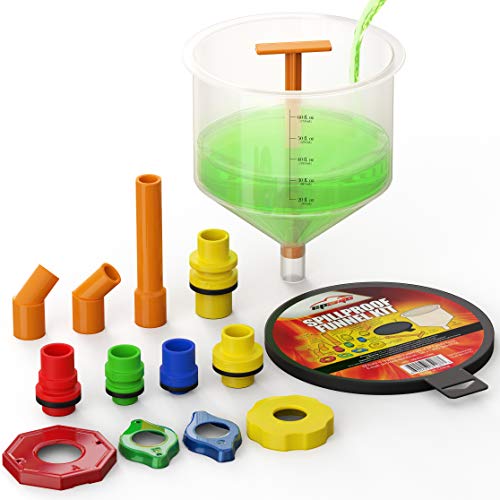
The choice often comes down to budget and complexity. The manual method is a reliable free burp radiator method, but for those dealing with complex engine block design for air bleed issues or seeking the utmost confidence, the vacuum fill tool offers superior pressure equalization cooling system and diagnostic capability.
How Can You Burp A Radiator Without A No-Spill Funnel Or Special Tools?
You can burp a radiator without a no-spill funnel by ensuring the car’s front end is jacked up as high as safely possible, then using a cut-off plastic bottle or a large, inverted funnel taped securely to the radiator neck to create an elevated overflow point that contains the rising coolant as air is purged. This method directly addresses the long-tail semantic variations of users needing a budget-friendly solution for how to burp a radiator without a no-spill funnel?
This alternative to burping funnel technique relies entirely on the principles of elevation and containment. Since you lack the specialized seal of a no-spill funnel, safety and careful observation are even more important to prevent spills of hot coolant. This is an experienced DIY guide method for resource-limited situations.
Makeshift Funnel and Containment Steps
- Achieve Maximum Elevation: Using safe methods (ramps or jack stands), ensure the front of the vehicle is elevated as much as possible, making the radiator cap opening the absolute highest point in the entire system.
- Create the Reservoir: Take a clean, large plastic bottle (e.g., a two-liter soda bottle) and cut off the bottom. Ensure the neck of the bottle fits snugly into the radiator cap burping neck. If the fit is loose, use thick, heat-resistant tape to create a temporary seal, preventing fluid from leaking or air from being sucked back in.
- Fill and Idle: Slowly fill the radiator cold system until the coolant level is high up inside your makeshift reservoir. Start engine to burp with the heat on maximum.
- Monitor and Squeeze: As the engine warms and the thermostat opens, air will bubble up. Maintain the fluid level in your reservoir. Use thick gloves to gently squeeze radiator hoses (upper and lower) repeatedly. This action helps mechanically dislodge air trapped in cooling lines and forces them upward toward the radiator opening.
- Remove and Seal: Once all bubble activity stops and the coolant level stabilizes over several minutes, turn off the engine and allow it to cool slightly. Quickly remove the makeshift funnel, ensuring the radiator neck is completely full. Replace the radiator cap burping mechanism immediately.
This low-cost process is an effective burp cooling system alternative, proving that specialized tools are not always required for a successful complete air purge.
Why Is Your Cooling System Still Overheating Or Not Burping Correctly?
If your cooling system is still overheating after burping, common issues include that the thermostat has failed to open, the radiator cap is faulty and not holding pressure, or there is still a significant airlock trapped in the heater core or engine block that requires professional vacuum purging. The persistence of issues indicates a deeper coolant circulation problem that requires advanced coolant system diagnostics.
Based on qualified mechanic insights, failure often occurs because one of the following underlying issues has not been addressed:
1. The Thermostat is Faulty or Stuck Closed
A common mistake during the burping process is not running the engine long enough for the thermostat to open. However, if you have run the engine to operating temperature and the upper radiator hose remains cold while the engine runs hot, the thermostat may be mechanically stuck closed. If the valve does not open, coolant circulates through system only in a partial loop, leaving a large air pocket trapped. You must replace the thermostat to resolve the underlying issue before attempting to bleed air from the system again.
2. Failure to Activate the Heater Core Loop
If the car is still experiencing a gurgling sound from dashboard or the heater is not blowing hot air, the most likely remaining airlock is in the heater core air. If you did not set the cabin heat controls to maximum (hot) during the procedure, the heater valve may have remained closed, isolating the air pocket. The solution is to re-burp the system, ensuring the heater is on full to open heater valve and force the air pocket out.
3. Faulty Radiator Cap or Pressure Leak
The cooling system relies heavily on pressure to maintain the high boiling point of the coolant. A faulty radiator cap that does not hold the specified pressure (e.g., 15 psi) will allow the coolant to boil prematurely. This rapid boiling introduces new air pockets and steam into the system, sabotaging your radiator air removal efforts almost immediately. Replacing the cap is a crucial preventative radiator burping step, especially if the system continues to exhibit coolant level dropping suddenly.
4. Persistent, Deep Airlocks
Some modern vehicles, particularly those with complex routing or specific engine block design for air bleed issues, are highly prone to deep air pockets. If repeated manual attempts fail to resolve air pockets, the air is likely trapped in a low-flow area or behind a narrow passage. This advanced problem usually necessitates the use of a vacuum fill tool or professional assistance to forcibly release trapped air using negative pressure.
What Is The Difference Between Cooling System Burping And Bleeding?
While often used interchangeably, burping a cooling system generally refers to the passive method of using gravity and engine cycling to allow air bubbles to escape the open radiator neck, whereas bleeding refers to actively removing air by opening a dedicated bleed screw or valve located at a high point in the engine. This clear distinction helps resolve semantic ambiguity between burping radiator vs bleeding terminology.
The difference lies primarily in the method of venting car coolant and the vehicle’s design.
Burping (Passive Method)
Burping focuses on degassing engine coolant by making the radiator cap opening the highest point. This process relies on natural thermal expansion and gravity to drive air bubble removal radiator contents upward. This is the common DIY approach for most older vehicles or those lacking dedicated bleed valves. The process is complete when the air from coolant naturally dissipates into the atmosphere.
Bleeding (Active Method)
Bleeding refers to utilizing a specific, official service manual process designed into the vehicle. Many modern cars feature one or more bleed air from screws or valves, typically located on the thermostat housing, engine block, or an elevated hose. By opening this screw while the engine runs, pressurized air is deliberately released. This active cooling system de-aeration is precise and often much faster than passive burping.
- Burping: Passive process using gravity and heat through the radiator opening.
- Bleeding: Active process using a specific, designated screw or valve to manually expel air from radiator.
Understanding these approaches allows you to choose the best method to burp radiator based on your vehicle’s features and your available tools.
FAQs About How To Burp A Car Radiator
Do you have to burp a radiator after a coolant change or flush?
Yes, burping the radiator is absolutely necessary after any maintenance that involves draining the coolant, such as a coolant change, flush, or component replacement like the radiator or thermostat. This is because air will inevitably become trapped in high points of the system, including the heater core and engine passages, during the refill process. Failing to purge this trapped air can lead to severe issues like overheating and heater failure.
What are the common symptoms of air in the cooling system?
The most common symptoms are sudden, unexplained overheating, a noticeable lack of heat from the cabin heater (or heat only at high RPMs), and an audible gurgling or sloshing sound coming from the dashboard area. These indicators confirm that air pockets are obstructing the flow of coolant, leading to poor thermal management and ineffective heat exchange, which should be resolved by a proper air purge procedure.
How long does it typically take to fully burp a car radiator?
The process usually takes between 30 and 90 minutes, depending on the complexity of your vehicle’s cooling system and the method used. Manual burping requires the most time, as you must wait for the engine to warm up, the thermostat to open, and the coolant to cycle multiple times until no more air bubbles appear. Using a specialized vacuum filler tool can significantly reduce the time to under 20 minutes.
Can you burp a radiator with the cap on or when the engine is cold?
You cannot effectively burp a radiator with the cap on because the trapped air needs an open escape route. While the engine must be completely cold when you start filling the system for safety, you must run the engine (with the cap off or funnel installed) until it reaches operating temperature for the thermostat to open, which allows coolant to circulate through all passages and release deeply trapped air.
What temperature should the engine be when you burp the radiator?
The engine must be completely cold (off for at least four hours) when you begin the process for safety, but it must be run until it reaches full operating temperature during the burping procedure. This high temperature forces the thermostat to fully open, allowing the coolant to circulate through the entire system, including the engine block and heater core, enabling all trapped air to escape the system through the open radiator neck.
How can you tell if air is completely out of the cooling system?
The process is finished when the coolant level in the radiator or no-spill funnel remains perfectly stable (it stops dropping) and absolutely no visible air bubbles are rising to the surface, even after the engine has run for several minutes with the thermostat fully open. If you observe any foam or sustained bubble activity, the system still contains trapped air and requires more time to purge.
Why is my heater not blowing hot air after I replaced the coolant?
A non-functioning cabin heater is a classic symptom of an airlock trapped specifically within the heater core. Because the heater core is often the highest point in the system, air tends to accumulate there, preventing the hot coolant from circulating into the cabin heat exchanger. This usually means the burping process was not completed thoroughly enough, and the vehicle may need to be re-burped while elevated.
Is it safe to run the engine with the radiator cap off during the procedure?
Yes, it is necessary to run the engine with the radiator cap off (or a no-spill funnel installed) during the burping process to allow the air to escape. However, extreme caution must be exercised, as hot coolant may overflow. Never place your face directly over the open radiator neck, and ensure the engine remains under control during the entire duration of the burping procedure.
Should I replace my radiator cap when burping my cooling system?
If your cooling system required burping due to overheating or fluid loss, it is highly recommended to replace the radiator cap as a preventative measure. A faulty cap may not hold the correct pressure, leading to lower boiling points and premature air introduction, which can sabotage your successful burping effort and lead to immediate re-overheating problems.
How much coolant should I add after the burping process is finished?
After the burping process is complete, you should only need to top off the coolant to the recommended level mark in the overflow or expansion tank, and confirm the level inside the radiator neck is full. If you needed to add more than a quart of coolant after the initial fill and burp, this might indicate a slow leak that should be addressed immediately to maintain cooling integrity.
Key Takeaways: How to Burp a Car Radiator Summary
- Burping is Mandatory Maintenance for Thermal Management – Failure to properly remove trapped air after a coolant service causes air blocks coolant flow, resulting in critical overheating and potential severe engine damage due to cavitation and poor heat exchange.
- Safety First: Only Start When The Engine Is Cold – Ensure the engine is completely cold before opening the radiator cap or reservoir to avoid injury from hot, pressurized coolant, a critical safety standard emphasized by certified automotive procedure guidelines.
- Maximize Air Release by Elevating The Vehicle Front – Utilizing gravity by jacking up the front of the car makes the radiator cap the highest point, significantly improving the efficacy of the passive burping process and helping air bubbles escape from deep within the engine block and heater core.
- The Thermostat Cycle Is Your Key Indicator – Wait for the thermostat to open during engine operation, which is essential to ensure coolant circulates through the entire cooling system and releases air trapped behind the closed valve, requiring continuous monitoring of the fluid level.
- Troubleshooting Relies on Diagnostic Steps – If the car continues to run hot or the heater remains cold after burping, it often indicates a persistent airlock in radiator fix is needed, or a mechanical failure like a bad thermostat or failing radiator cap is preventing successful circulation.
- Specialized Tools Expedite and Enhance Efficacy – While manual burping is effective, using a no-spill funnel for radiator or, ideally, a vacuum fill tool drastically cuts down the required time, eliminates spillage, and provides a guaranteed method for complete air purge by checking system integrity.
- Success is Confirmed by Coolant Level Stability – The process is complete when the coolant level remains perfectly stable for multiple thermostat cycles and no visible air bubbles continue to rise, signaling that the entire system is properly filled and circulating efficiently.
Final Thoughts on How to Burp a Car Radiator
The process of learning how to burp a car radiator is one of the most essential pieces of DIY knowledge for preventing catastrophic engine failure following cooling system maintenance. By adopting the proper radiator burping techniques outlined in this guide—whether you choose the thorough manual method or opt for the highly effective burp cooling system results of a specialized vacuum tool—you actively safeguard your engine against thermal damage and ensure optimal performance.
The distinction between a successful procedure and persistent overheating often lies in two critical factors: patience and precision. You must allow sufficient time for the thermostat to open and for all stubborn air pockets to escape. Remember to always prioritize safety, utilizing the expert car radiator burping tips to avoid burns from pressurized coolant.
Ultimately, successfully removing trapped air in cooling system passages ensures that the coolant performs its fundamental duty—carrying heat away from the engine. This is a foundational trusted automotive maintenance step that guarantees your vehicle’s longevity and reliability. If persistent issues arise, consult the troubleshooting guide; if the problem still resists resolution, seeking professional expertise for a vacuum purge is the responsible next step. Keep the cooling system healthy, and your engine will reward you with reliable service for years to come.
Last update on 2026-03-14 / Affiliate links / Images from Amazon Product Advertising API


