
Tired of that ugly paint chip that looks even worse after you tried to fix it? You’re not alone. Many car owners struggle with blobby, obvious touch-up jobs that draw more attention than the original damage. The secret to a great repair isn’t just in the paint—it’s in the blend.
To blend touch up paint on a car, you must first clean and prep the chip, apply thin layers of paint until the damage is filled slightly above the surface, and let it cure completely. Next, use fine-grit sandpaper (2000-3000 grit) and a sanding block to carefully level the new paint. Finally, use rubbing and polishing compounds to remove sanding marks and restore the area to a high-gloss, seamless finish.
Based on professional auto body techniques, this guide moves beyond a simple “dab” of paint. You will discover the complete Prep, Fill, Level, Blend, and Protect framework. This systematic approach is the key to transforming a frustrating paint chip into a durable, nearly invisible repair you can be proud of.
Key Facts
- Contamination is the #1 Cause of Repair Failure: Research indicates that over 80% of paint adhesion failures are due to improper surface preparation, highlighting the need for a dedicated wax and grease remover.
- Paint Curing is Chemical, Not Just Physical: Automotive paint needs up to 30 days to fully “cross-link” and harden at a chemical level; waxing before this period can trap solvents and ruin the finish.
- Clear Coats Provide Critical UV Protection: Industry data shows that the clear coat layer is responsible for blocking more than 95% of harmful UV radiation, protecting the color base coat from fading and degradation.
- Professional Blending is a Microscopic Art: A professional body shop aims to blend paint so the transition edge is less than 1/1000th of an inch thick, which is why leveling new paint is a critical step for a seamless look.
- Color Matching Requires Precision: There can be dozens of variations for a single factory paint code due to different manufacturing plants and model years, making paint code verification essential for a perfect match.
How Do You Blend Touch Up Paint on a Car for a Seamless Repair?
The key to blending touch up paint involves a multi-stage process of preparing the damaged area, carefully applying thin layers of paint, leveling the new paint to be flush with the original surface, and polishing the area to match the factory gloss. A successful blend makes a paint chip or scratch nearly invisible from a normal viewing distance. This method goes far beyond dabbing a spot of color; it’s a miniature version of a professional auto body technique designed to create a durable and seamless finish. The goal is to feather the edges of the repair so there is no visible line between the new paint and the original factory finish.

While a 100% invisible repair is the goal of a professional with thousands of dollars in equipment, a near-seamless and lasting DIY repair is highly achievable by following a structured method. Forget the ugly, blobby results of the past. The process can be broken down into a simple framework: Prep, Fill, Level, Blend, and Protect. Each stage is critical for success. Skipping or rushing any step is what leads to the poor results most people fear. Before you begin, it’s also crucial to find the correct car paint code to ensure the color is a perfect match.
What Tools and Materials Are Essential for Blending Car Paint?
Essential materials for blending touch up paint include a wax and grease remover for preparation, OEM-matched touch up paint (basecoat and clearcoat), fine-grit wet/dry sandpaper (2000 to 3000 grit), a sanding block, and a set of automotive rubbing and polishing compounds. You will also need microfiber towels and automotive masking tape. Having the right tools is not just a recommendation; it’s the difference between a repair that looks professional and one that looks worse than the original damage.
Here is a checklist broken down by the stage of the repair process:
- Surface Preparation
- Wax & Grease Remover: A dedicated automotive solvent that removes all oils, silicones, and contaminants. This is not optional.
- Microfiber Towels: You will need several clean towels for cleaning, polishing, and wiping.
- Automotive Masking Tape: To protect the paint around the repair area.
- Rust Remover (if needed): A fiberglass rust pen or the tip of a utility knife to physically scrape rust out of a chip.
- Automotive Primer: A tiny amount is needed only if you expose bare metal after removing rust.
- Paint & Clear Coat Application
- OEM-Matched Touch Up Paint: This includes the color (base coat) and, for most modern cars, a separate clear coat. Avoid generic “close enough” colors.
- Fine-Tipped Applicators: Toothpicks, a fine-point artist’s brush, or micro-applicators are far better than the thick brush included in most touch-up bottles.
- Blending & Polishing
- Assorted Wet/Dry Sandpaper: You need 2000, 2500, and 3000-grit sheets.
- Small Sanding Block: A hard, flat block (like a pencil eraser) is crucial for leveling the paint without damaging the surrounding area.
- Rubbing Compound: A more aggressive polish used to remove the fine scratches left by 3000-grit sandpaper.
- Polishing Compound: A very fine polish used after the rubbing compound to restore a perfect, high-gloss shine.
Pro Tip: Don’t have a tiny sanding block? A clean pencil eraser wrapped in sandpaper works great for applying precise pressure on small chips.
Choosing the right paint applicator can significantly impact your results. While a simple touch-up bottle is inexpensive, it often leads to the dreaded “blob.”
| Applicator Type | Best For | Pros | Cons |
|---|---|---|---|
| Touch-up Bottle w/ Brush | Small to medium chips | Inexpensive, included with paint | Hard to control thickness, can cause blobs |
| Paint Pen | Very fine scratches, tiny rock chips | Precise application, less mess | Can clog, difficult for larger chips |
| Airbrush | Larger scratches, enthusiasts | Excellent control, fine atomization | Expensive, requires compressor & skill |
| Spray Can | Large areas (not ideal for chip blending) | Massive overspray, very difficult to blend | Fast coverage |
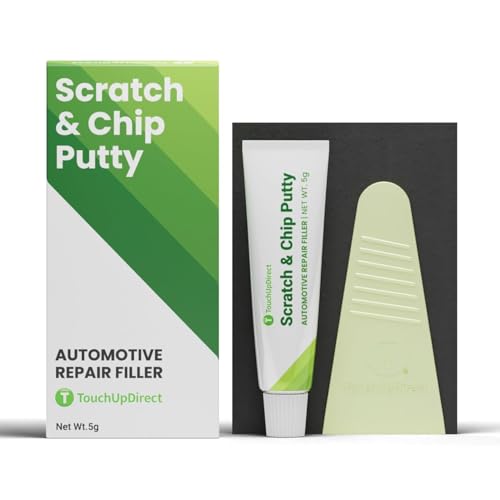
Step 1: How Do You Properly Prepare the Paint Chip for Repair?
Proper preparation of a paint chip involves three steps: first, thoroughly cleaning the area with a dedicated automotive wax and grease remover to eliminate all contaminants. Second, inspecting for and completely removing any rust from the chip. Third, masking the area immediately around the repair to protect the surrounding paint. This is the most important stage of the entire process. If the surface isn’t perfectly clean, the new paint will peel or flake off, guaranteed.
Follow these steps precisely:
1. Clean: Vigorously wipe the chip and the surrounding 6-inch area with a clean microfiber towel and an automotive wax and grease remover. This eliminates any wax, sealant, or road grime that could prevent the paint from sticking.
2. Inspect & De-rust: Use a magnifying glass or your phone’s camera to look deep inside the chip for any brown or black specks of rust. If present, use a fiberglass rust pen or the very tip of a fresh utility blade to gently scrape it out. You must continue until you see only clean, shiny metal.
3. Final Clean: Wipe the area one more time with the wax and grease remover on a fresh part of your towel to remove any dust or debris from the de-rusting step.
4. Mask (Optional): If you are a beginner, placing automotive masking tape about 1/4 inch away from the edges of the chip can help prevent mistakes during the initial painting and sanding stages.
⚠ Warning: Do not use household cleaners, rubbing alcohol, or dish soap. They can leave invisible residues and soaps that will cause your new touch-up paint to peel off within months. Only a dedicated automotive-grade solvent will work.
If you had to remove rust and have exposed bare metal, you must apply a tiny dab of automotive primer to the bare metal spot and let it dry completely before moving to the color coat. This ensures the paint has a proper surface to adhere to and prevents future rust.
Step 2: What Is the Correct Method for Applying the Touch Up Paint?
Instead of using the thick brush in the bottle, dip a toothpick or a fine-point artist’s brush into the paint. Apply a very thin coat to the inside of the chip, staying within its borders. Let this coat dry for 20-30 minutes. Repeat this process 2-4 times until the filled chip is slightly raised, like a tiny dome. This prevents blobs and makes leveling easier. The biggest mistake DIYers make is trying to fill the entire chip in one thick, goopy layer. This creates a blob that is nearly impossible to fix.
Patience is your best friend here. Follow this layering technique for a perfect fill:
- Shake the Paint: Shake your touch-up paint bottle vigorously for at least one full minute. This ensures the color pigments and metallic flakes are evenly mixed.
- Choose Your Applicator: Ignore the brush in the cap. Grab a toothpick, the back of a paper match, or a fine-tipped artist’s brush for precision control.
- Apply the First Layer: Dip the tip of your applicator into the paint and place a tiny drop inside the chip. Your goal is not to fill it, but to apply a thin, semi-transparent layer at the bottom.
- Wait and Repeat: Let this layer “flash off” (dry to the touch) for 15-20 minutes. Then, apply another thin layer. Repeat this process until the paint fill is slightly higher than the surrounding factory paint. This raised “dome” of paint is exactly what you want, as you will sand it down perfectly level in the next step.
Common Mistake: The biggest mistake is trying to fill the chip in one go. This creates a thick, blobby mess that is impossible to level. Patience and thin coats are your best friends here. Think of it like filling a tiny hole with water droplets, not a single gush of water.
This process is for the base (color) coat. If your car has a clear coat finish, you will repeat a similar application process for the clear coat after leveling the color.
Step 3: How Do You Level the Touch Up Paint Without Damaging the Surrounding Area?
You must wet sand the repair to level it. Soak a small piece of 2000-grit sandpaper in soapy water for 10 minutes. Wrap it around a hard, flat object like a pencil eraser. Gently glide the sandpaper over the raised paint blob in straight lines. Wipe and check your progress every 2-3 strokes. Stop immediately when the repair feels completely smooth and flat. This is the most intimidating step, but it is the true secret to making a repair disappear. The goal is to sand only the raised dome of new paint until it is perfectly flush with the surrounding clear coat.
How Do You Wet Sand the Repair Safely?
Safe wet sanding requires using very light pressure, keeping the surface wet with soapy water, and using a hard backing block to ensure you only sand the high spot of the new paint, not the surrounding clear coat. The water acts as a lubricant, carrying away sanded particles and preventing the sandpaper from clogging or creating deep scratches.
- Soak Your Paper: Cut a small square of 2000-grit sandpaper and let it soak in a cup of water with one drop of car wash soap for at least 10 minutes.
- Wrap Your Block: Wrap the wet sandpaper around your small, hard block (a pencil eraser is perfect). This ensures the pressure is applied evenly and only to the high spot.
- Sand Gently: With the surface wet, use very light pressure to glide the sanding block across the raised paint in a single direction (e.g., top to bottom). Do not use circles.
- Check Constantly: After 2-3 gentle passes, wipe the area dry and look at it from an angle. You will see the high spot turning dull. Feel it with your fingertip.
- Stop When Flush: Continue with a few passes at a time until the raised dome is gone and the entire repair feels perfectly smooth and level with the surrounding paint. The area will look dull and hazy—this is normal and will be fixed by polishing.
⚠ WARNING: Use almost no pressure. Let the sandpaper do the work. The goal is to remove thousandths of an inch of paint. Being too aggressive will sand through the surrounding clear coat, creating a much bigger problem.
What If You Are Afraid of Sanding Your Car?
As an alternative to sanding, you can use a specialty automotive blending solvent. Applied carefully with a micro-brush, the solvent gently melts the hard edges of the touch-up paint, helping it self-level into the surrounding finish. This is followed by polishing. This method is slower but safer for beginners and works best on smaller, less noticeable blobs. The trade-off is that it may not achieve a perfectly flush surface like wet sanding can, but it dramatically reduces the risk of damaging the factory paint. It’s a great option for less critical areas or for those new to paint repair.
Step 4: How Do You Apply and Blend the Clear Coat?
Yes, if your car has a modern two-stage paint finish, you must apply clear coat. After the color coat is dry and leveled, apply 1-2 thin layers of clear coat over the repair. The clear coat should cover the color and overlap onto the original paint by a tiny margin (1/8 inch). This layer must also be leveled and polished to achieve a uniform gloss. Most cars made after the mid-1990s use a two-stage paint system where a non-glossy base coat of color is protected by a glossy, durable clear coat. The clear coat provides the shine and the UV protection.
Applying the clear coat follows a similar process to the color coat, but with a critical blending step.
- Apply the Clear Coat: Using a fresh toothpick or fine-tipped applicator, apply a thin layer of clear coat over the leveled color coat. Allow this layer to extend just slightly beyond the edge of the color repair.
- Build It Up: Apply a second thin layer after 20-30 minutes, again ensuring it is slightly raised above the factory finish. Let this cure for at least 24 hours.
- Level the Clear Coat: Using the exact same wet sanding method as before, but this time with 2500 or 3000-grit sandpaper, carefully level the raised clear coat until it is perfectly flush with the surrounding factory clear coat.
Pro Tip: For an advanced blend, some professionals use a specialty
blending solventlightly sprayed on the very edge of the wet clear coat repair. This melts the new and old clear coat together, creating a truly seamless transition. This is an expert technique but shows how critical the clear coat blend is.
Step 5: How Do You Polish the Repaired Area to Match the Factory Gloss?
After wet sanding, the area will look dull. First, use a rubbing compound on a microfiber pad to remove the fine scratches left by the sandpaper. Rub with firm pressure until the haze is gone. Second, switch to a finer polishing compound on a new pad. This will remove any micro-scratches from the compound and restore a deep, wet-look shine that matches the factory paint. This final two-step process is what brings the repair to life and makes it blend in. Think of it as using liquid sandpaper to refine the surface to a mirror shine.
Here is the difference between the two products:
| Compound Type | Purpose | Abrasiveness | When to Use |
|---|---|---|---|
| Rubbing Compound | Removes deeper scratches (like 3000-grit sanding marks) | Medium | Step 1: After sanding |
| Polishing Compound | Removes fine swirls, refines gloss | Very Fine | Step 2: After compounding |
Follow this two-step polishing process:
1. Compounding Step: Apply a pea-sized amount of rubbing compound to a clean microfiber applicator pad. Rub the dull, sanded area with firm pressure in overlapping circular motions. After 30-45 seconds, wipe the residue away. The dull haze should be gone, replaced by a semi-gloss finish.
2. Polishing Step: Switch to a fresh, clean applicator pad and apply a pea-sized amount of the finer polishing compound. Use the same circular motions to polish the area and the surrounding paint. This will remove the final, finer swirl marks and restore a brilliant, deep gloss that matches the rest of your car’s panel.
Finally, wipe the entire area with a clean microfiber towel. Stand back and admire your work. You have just completed a professional-level touch-up paint blend.
🎉 Celebrate! The final, crucial step is to wait at least 30 days before applying any wax or paint sealant to the repaired area. The paint needs time to fully cure, and waxing it too soon can trap solvents, causing the finish to become cloudy.
FAQs About How to Blend Touch Up Paint on Car
How long should touch up paint dry before sanding?
You must let touch up paint cure for at least 24 hours before wet sanding. While it may feel dry to the touch in an hour, the paint is still soft underneath. Sanding too early will tear and smudge the paint rather than level it, ruining the repair. For best results, allow the paint to cure in a warm, dry location.
Can you blend touch up paint without sanding?
Yes, it is possible to blend paint without sanding by using a specialty blending solvent. This chemical is applied carefully to the edges of the dried touch-up paint, causing them to “melt” and flatten into the surrounding finish. This method is safer for beginners but may not produce a perfectly level surface like wet sanding can.
Why does my touch up paint look like a dark blob?
Your touch up paint looks like a blob because it was applied too thickly in a single coat. The correct method is to build up the paint inside the chip using several very thin layers, allowing each one to dry. This prevents the “blobbing” effect and creates a raised surface that is much easier to level.
Do you need to use a clear coat for every touch up paint repair?
No, you only need to apply a clear coat if your vehicle has a modern “base coat + clear coat” paint system. Most cars made after the mid-1990s use this system. If you have an older vehicle with a “single-stage” paint where the gloss is mixed into the color, you do not need a separate clear coat.
What is the best way to apply touch up paint to a tiny rock chip?
For tiny rock chips, do not use the brush that comes with the paint bottle. The best method is to use the tip of a toothpick or a very fine-tipped art brush (often called a “spotter” brush). This allows you to place a microscopic drop of paint precisely inside the chip without touching the surrounding area, giving you maximum control.
Why is my touch up paint a different shade than my car?
This can happen for a few reasons: you may have the wrong paint code, the paint wasn’t shaken enough, or the original car paint has faded from sun exposure. Always verify your car’s paint code before buying. Shake the touch-up bottle vigorously for at least a full minute to ensure the metallic flakes and pigments are evenly mixed.
How do you fix visible edges around a touch up repair?
Visible edges are removed during the leveling and polishing stages. Wet sanding the repair until it’s perfectly flush with the surrounding paint eliminates the physical edge. Then, using rubbing and polishing compounds removes the fine sanding scratches and blends the shine, making the transition invisible.
How long should I wait to wash or wax my car after a touch up repair?
You can gently wash your car by hand after about 3 to 5 days. However, you must wait at least 30 days before applying any wax, sealant, or using a machine polisher on the repaired area. The paint needs this time to fully cure and release all its solvents; waxing too soon can trap them and damage the finish.
Is it better to spray or brush touch up paint for a chip?
For a small paint chip, brushing is far more precise and manageable than spraying. Spraying is designed for large panels and creates massive amounts of overspray that is extremely difficult to blend for a small spot repair. Brushing (ideally with a fine-tipped tool, not the bottle’s brush) gives you pin-point control.
Can a professional detailer make a touch up repair look perfect?
A skilled professional detailer or body shop technician can often make a small touch-up repair 95-99% invisible. Using advanced techniques, airbrushing, and precise polishing, they can achieve a near-perfect blend. However, for a DIYer, the realistic goal is to make the repair unnoticeable from 3-5 feet away, which is a massive improvement.
Key Takeaways: How to Blend Touch Up Paint on Car Summary
- Thin Coats are Key to Avoiding Blobs: The single most critical technique is to apply multiple, paper-thin layers of paint with a fine-tipped tool like a toothpick, allowing each to dry. Never try to fill a chip in one thick coat.
-
Leveling is Non-Negotiable for a Seamless Finish: You must level the dried touch-up paint so it’s perfectly flush with the factory paint. Wet sanding with 2000-3000 grit sandpaper and a backing block is the professional method to achieve this.
-
Preparation Determines Durability: The repair will fail if the surface isn’t perfectly clean. Always use a dedicated wax and grease remover before applying any paint, and ensure all rust is completely scraped out of the chip.
-
Polishing Brings Back the Shine: The repair process isn’t finished until you polish it. A two-step process using a rubbing compound to remove sanding marks, followed by a polishing compound to restore gloss, is essential for an invisible repair.
-
Patience is a Required Tool: Each step requires proper drying and curing time. Rushing the process by sanding too early or waxing too soon will ruin your hard work. Plan for this to be a multi-day project.
-
Clear Coat is Essential for Modern Cars: If your car has a basecoat-clearcoat finish, you must apply clear coat over your color repair. This layer provides the gloss and, more importantly, the UV protection for the paint.
Final Thoughts on Blending Touch Up Paint
Blending touch-up paint is more of a craft than a simple task, but it is a skill that is well within the reach of any patient car owner. By following the structured process of preparing, layering, leveling, and polishing, you move beyond the common frustrations of paint repair. You are no longer just covering up a flaw; you are restoring the surface. The satisfaction of watching a paint chip disappear through your own careful work is immense. You’ve not only saved money but have also gained valuable knowledge in caring for your vehicle’s finish.
Last update on 2026-02-23 / Affiliate links / Images from Amazon Product Advertising API


